Partners Revitalize Healthy Habitats in The Natural State
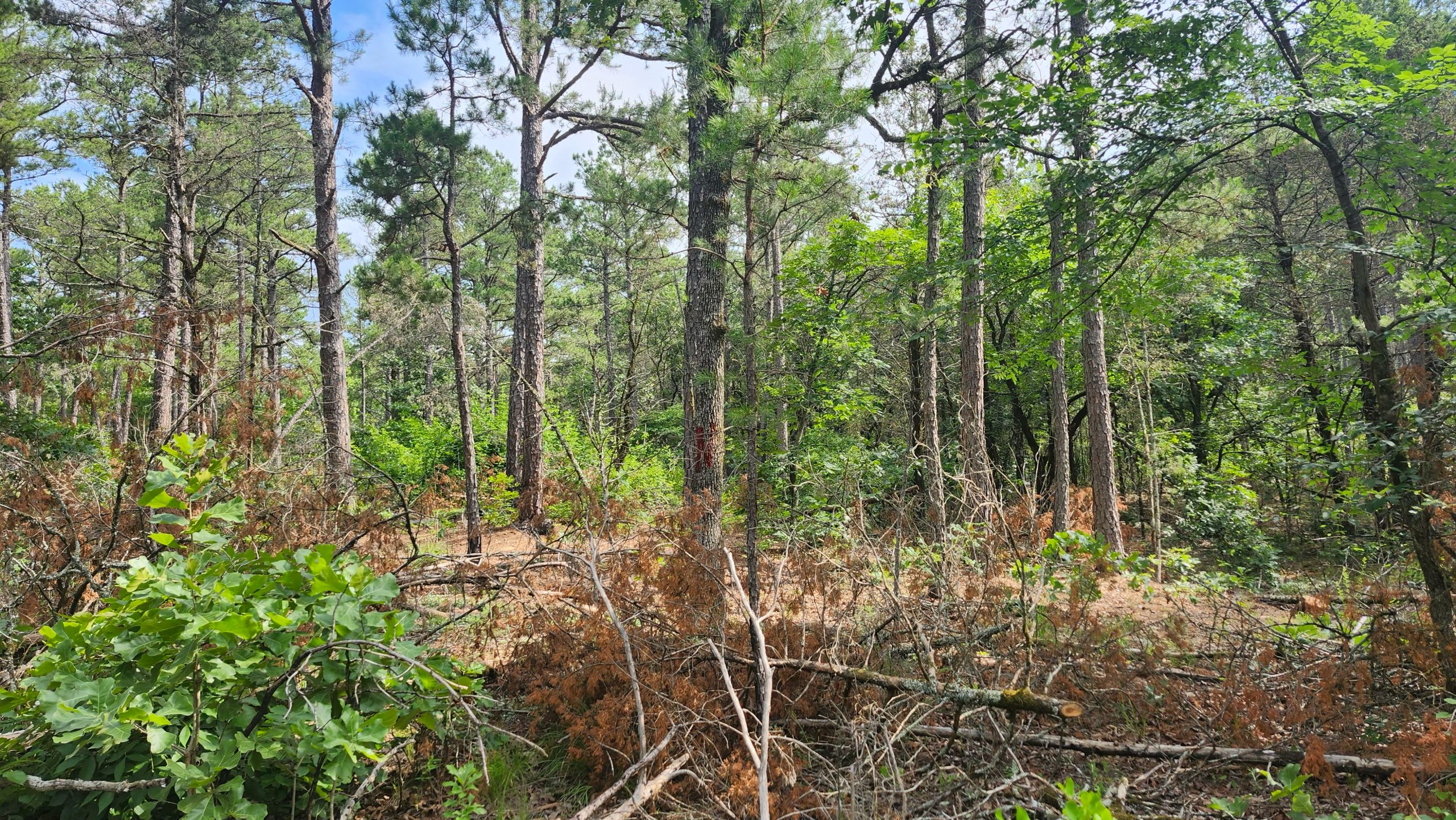
EDGEFIELD, S.C. — The Arkansas State Chapter of the National Wild Turkey Federation recently partnered with the Arkansas Game and Fish Commission and the USDA Forest Service to restore habitat for wild turkeys and other game and non-game species within the Mount Magazine Ranger District of the Ozark-St. Francis National Forest.
The project was focused on reducing encroaching red cedar on nearly 100 acres within the national forest’s Quail Focal Area — a cost-share project site that encompasses roughly 1,700 acres. The encroaching cedar reduces the habitat quality for wild turkeys, quail and many other species. Now, restoration efforts are keeping that habitat a haven for wildlife.
Previous timber harvests within the focal area have opened the canopy, allowing for grasses and forbs to grow, and a prescribed burn conducted in early winter of 2023 aided in this process. However, red cedar was still dominating the midstory canopy, which was preventing the regeneration of favorable pine, oak and other mast species.
The most recent mechanical cedar cut decreased the amount of cedar within the project area. A follow-up prescribed burn will be conducted in 2026, removing younger cedar trees and stimulating native grasses and forbs.
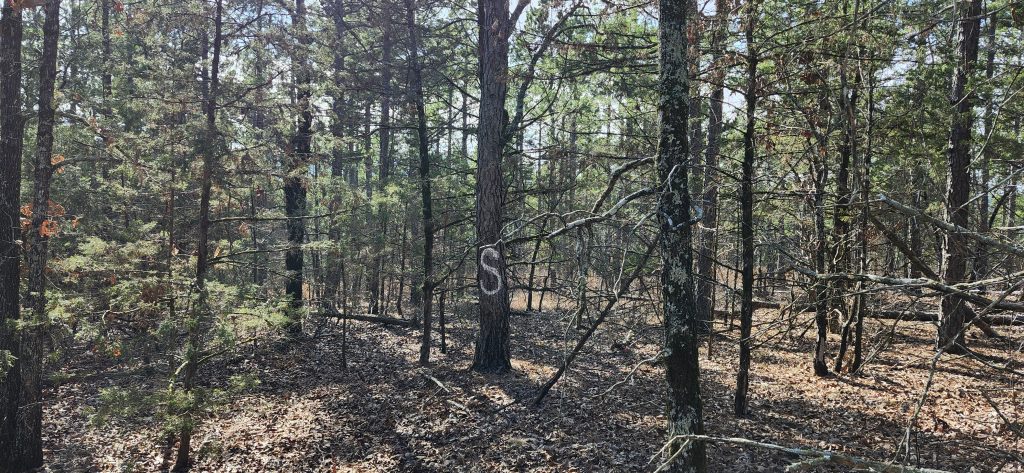
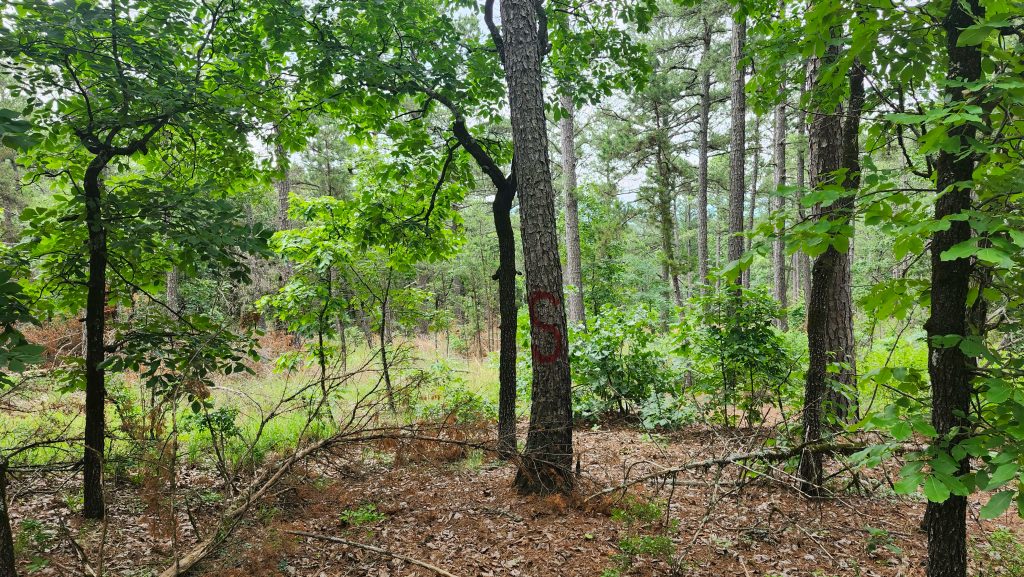
“Mount Magazine Ranger District is a shortleaf-pine-dominated, mixed-oak forest, and the encroaching cedar understory has created a closed canopy that isn’t ideal for turkeys or quail,” said Kacie Bauman, NWTF district biologist. Removing the cedar will allow for more sunlight to reach the forest floor, creating an understory beneficial to nesting and brooding habitat, rich with native forbs and legumes, as well as allowing oak regeneration in the district. Maintaining oaks in the bottoms, creating a more desirable open understory of native plant species, and rotational prescribed burning creates diversity across the landscape beneficial to turkeys throughout their life cycles. Diversity across landscapes and providing high-quality nesting and brood-rearing habitat is what makes this such an exciting project, and knowing NWTF was able to contribute to making this project a success is what it is all about.”
This project dovetails into the Forest Service’s efforts to mulch an additional 700 acres within the Quail Focal Area to stimulate early successional habitat. With over 250 wildlife openings managed in cooperation with the AGFC, wild turkeys, quail, white-tailed deer, black bears and many other species are benefiting from the collaborative efforts of partners that care about healthy habitats and healthy harvests.
About the National Wild Turkey Federation
Since 1973, the National Wild Turkey Federation has invested over half a billion dollars into wildlife conservation and has positively impacted over 25 million acres of critical wildlife habitat. Since 2022, the NWTF has also invested over $2.3 million in critical wild turkey research that, when leveraged with partner contributions, has resulted in more than $22 million to guide the management of the wild turkey and to ensure sustainable populations. The organization continues to deliver its mission by working across boundaries on a landscape scale to deliver healthy forests and wildlife habitats, clean and abundant water, resilient communities and robust recreational opportunities. With the help of its dedicated members, partners and staff, the NWTF is committed to creating a nation united by the life-changing power of the outdoors.