Putting Beavers Back to Work on Moose Creek
Restoring beaver habitat may not seem directly connected to wild turkeys, but healthy wildlife habitat starts with the same basic needs: food, cover and water. Beavers play an important role in keeping quality water on the landscape, slowing flows, improving riparian habitat and creating wetland and aquatic environments that benefit a wide range of fish and wildlife. Through the National Wild Turkey Federation’s Waterways for Wildlife initiative, an ambitious restoration project in Montana’s upper Moose Creek is working to harness those natural benefits and improve habitat well beyond the project area.
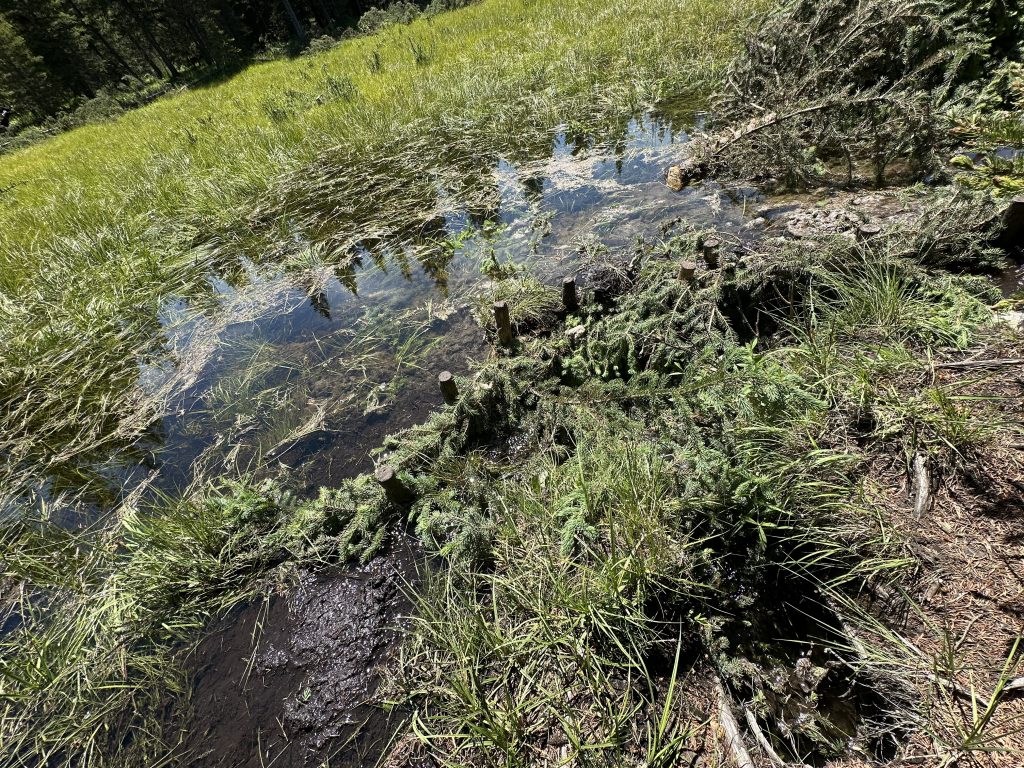
The Upper Moose Creek Beaver Restoration Project completed its final phase, using Beaver Dam Analog (BDA) structures — man-made structures designed to mimic the function of beaver dams —, large wood and, ultimately, relocated beavers to restore natural stream functions and improve water storage and wildlife habitat throughout the watershed. Spanning multiple administrative boundaries, the project demonstrates the landscape-scale approach needed to address wildlife habitat and watershed health. Wildlife doesn’t recognize property lines or administrative boundaries, and neither should conservation. By coordinating work across USDA Forest Service and Bureau of Land Management lands, partners are working together to improve habitat and watershed function at a scale that matches how wildlife use the landscape.
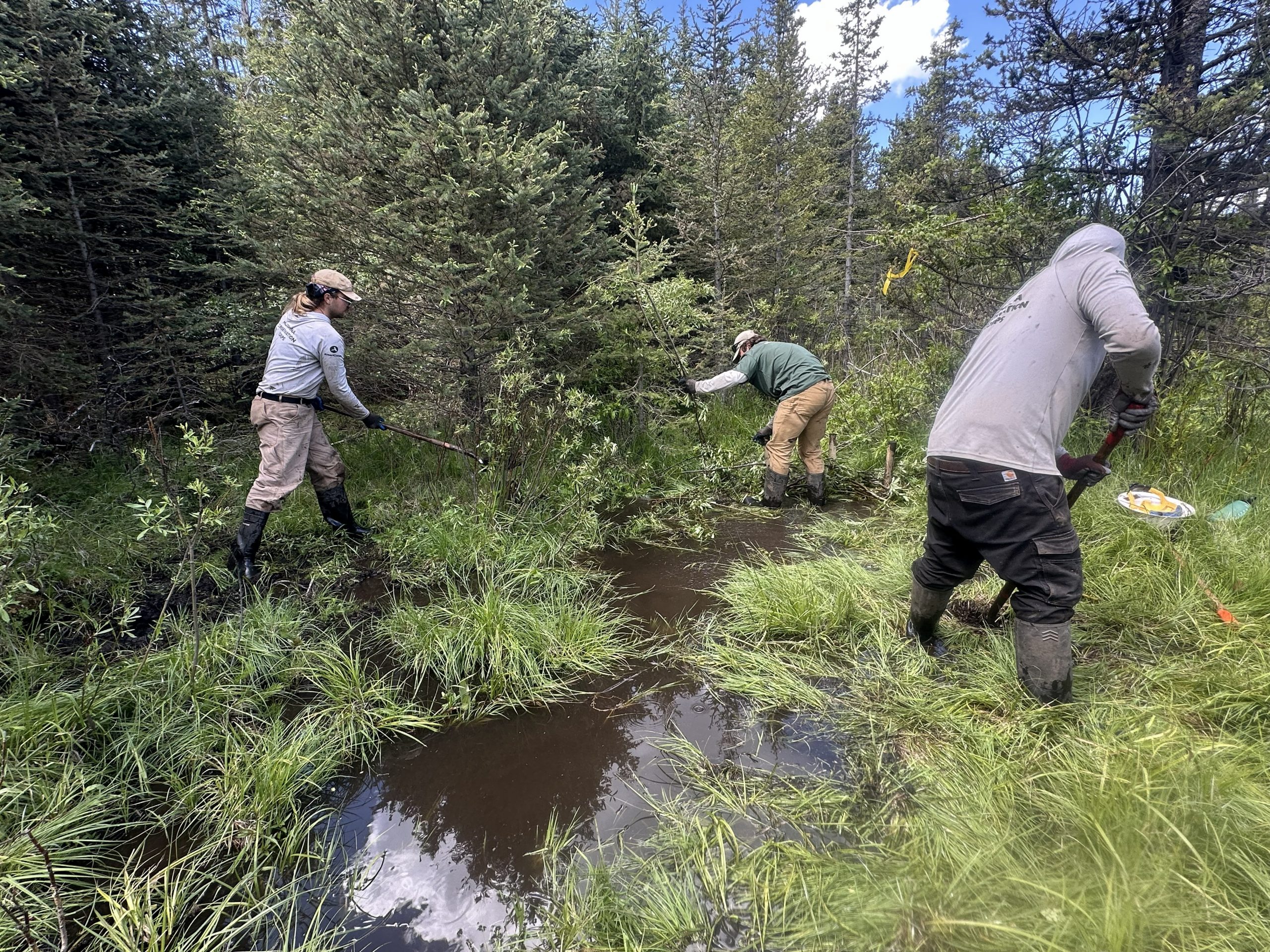
The project made significant progress in 2025. The Greater Yellowstone Coalition, the Forest Service and the Montana Conservation Corps partnered to construct approximately 25 BDAs across 1.1 miles of stream on Forest Service land. Partners also removed approximately 13 acres of encroaching conifers from the Middle Fork of Moose Creek to improve riparian habitat.
In 2026, partners completed work along approximately 2.2 miles of Bureau of Land Management land, installing large wood structures and post-assisted log structures in reaches where beavers are already active. Because high flows frequently wash out beaver dams in these areas, the added wood provides more stable anchor points for beavers to build and maintain dams, helping these structures persist on the landscape.
Crews also continued BDA construction and conifer removal on Forest Service land, including at proposed beaver release sites. But the ultimate goal isn't simply to build structures. The project's long-term goal is to reestablish beavers as a natural force on the landscape.
Moose Creek is one of the proposed pilot sites for Montana's statewide beaver translocation environmental assessment, and approval for the relocation has now been granted. With that approval in place, the project is moving forward with relocating beavers to prepared habitat this summer. The hope is to move beavers from areas where their dams are creating conflicts, including locations where dams are impeding fish passage, and put their natural engineering abilities to work in Moose Creek.
Once established, beavers can provide benefits that extend beyond their dams. By slowing and storing water, they can help maintain cold, clean water during late-season low flows, improve riparian vegetation and create diverse habitat for fish and wildlife. The project is expected to benefit numerous species, including arctic grayling, waterfowl and other wildlife, while also improving habitat conditions downstream where wild turkeys occur.
The project proposal identified potential improvements to 132 riparian acres and 20,000 linear feet of stream corridor, demonstrating how restoration in one mountain watershed can have impacts that reach well beyond its footprint. While wild turkeys may benefit indirectly from improved water quality, riparian habitat and stream function downstream, the project reflects the broader goal of Waterways for Wildlife: improving the health and function of watersheds so that wildlife habitat benefits extend well beyond a single project area or species.
The Moose Creek project isn't just about what agencies and conservation organizations can accomplish. It's also an opportunity for people to experience conservation firsthand.
On July 7, 2026, volunteers and their families gathered for a Beaver Habitat Volunteer Day at Moose Creek, hosted as part of the project's community engagement efforts.
Participants had the opportunity to learn about beaver habitat while helping prepare the site for the proposed reintroduction. Depending on participation and site conditions, volunteers worked on installing beaver excluders around culverts and building BDA structures, putting the principles of watershed restoration into practice. This event was a chance to introduce the community and the next generation to conservation — not by simply talking about habitat, but by getting outside, working alongside partners and seeing firsthand how small changes can make a difference.
The project is a collaborative effort involving the NWTF, Forest Service, Montana Fish, Wildlife & Parks, Bureau of Land Management, The Nature Conservancy, Greater Yellowstone Coalition, Montana Conservation Corps, Big Hole Watershed Committee and other partners.
With the groundwork now in place, the next step is giving nature a chance to take over.
If successful, the goal is simple: build it, bring back the beavers and let them do what they do best.