Read a Turkey’s Mind Throughout the Day
Turkeys often have a predictable routine, and you can take advantage by adapting your tactics at various periods.
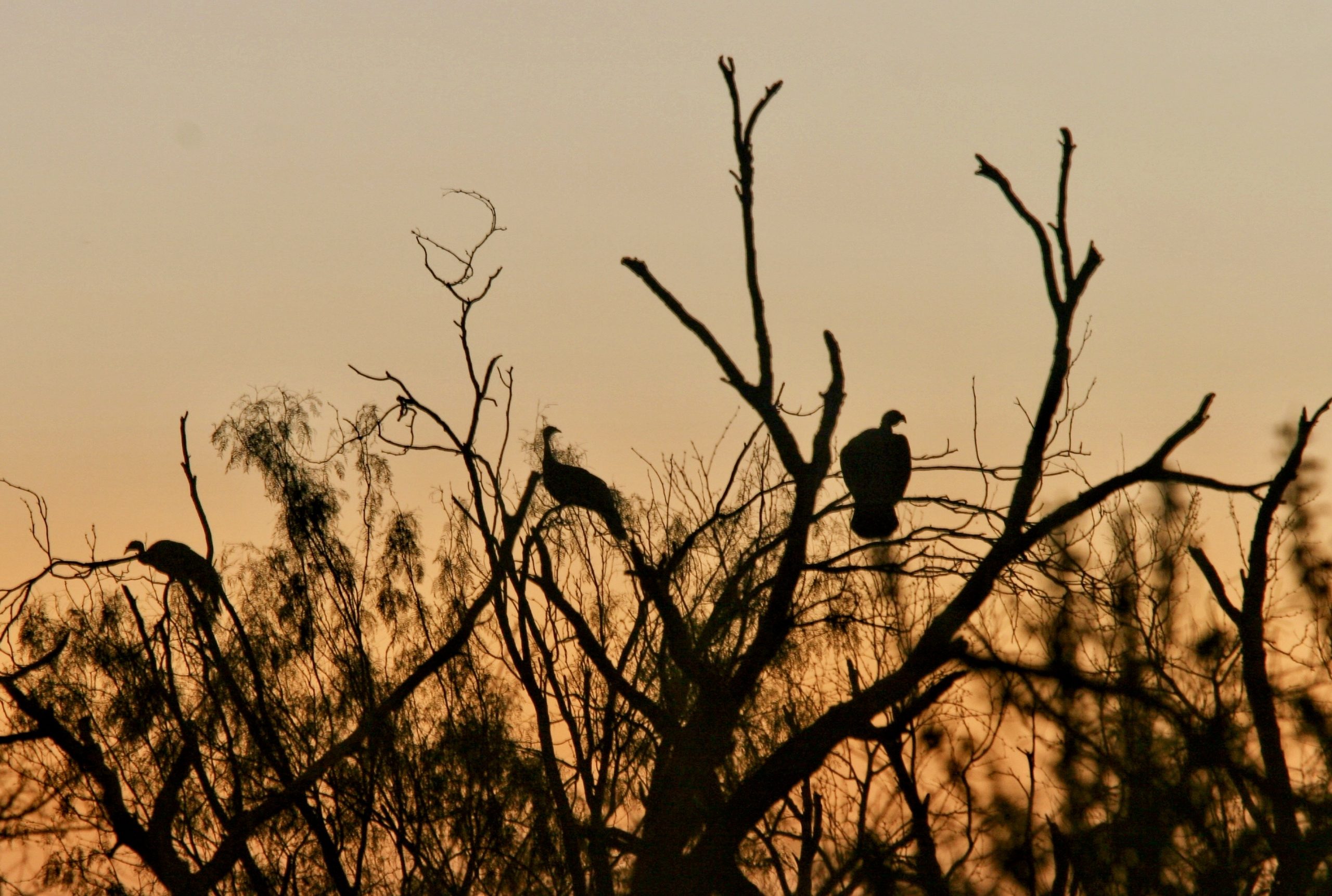
Gobbles echoing off the far valley wall advertised that the turkey flock had kicked off its daily ritual of things to do. Knowing that my morning roost setup was a bust with the flock moving away, it was time to pack up and move to the birds’ next suspected stopover.
Like you, turkeys have a schedule during the day. But unlike your complex schedule of family and career, their schedule has a simple goal: Eat, procreate and survive. Of course, it’s a bit more complex than that, but their career is survival and propagation of the species. And that mission takes them on a journey across their home range. Deciphering their daily schedule along with stopovers gives you information to plan a meeting.
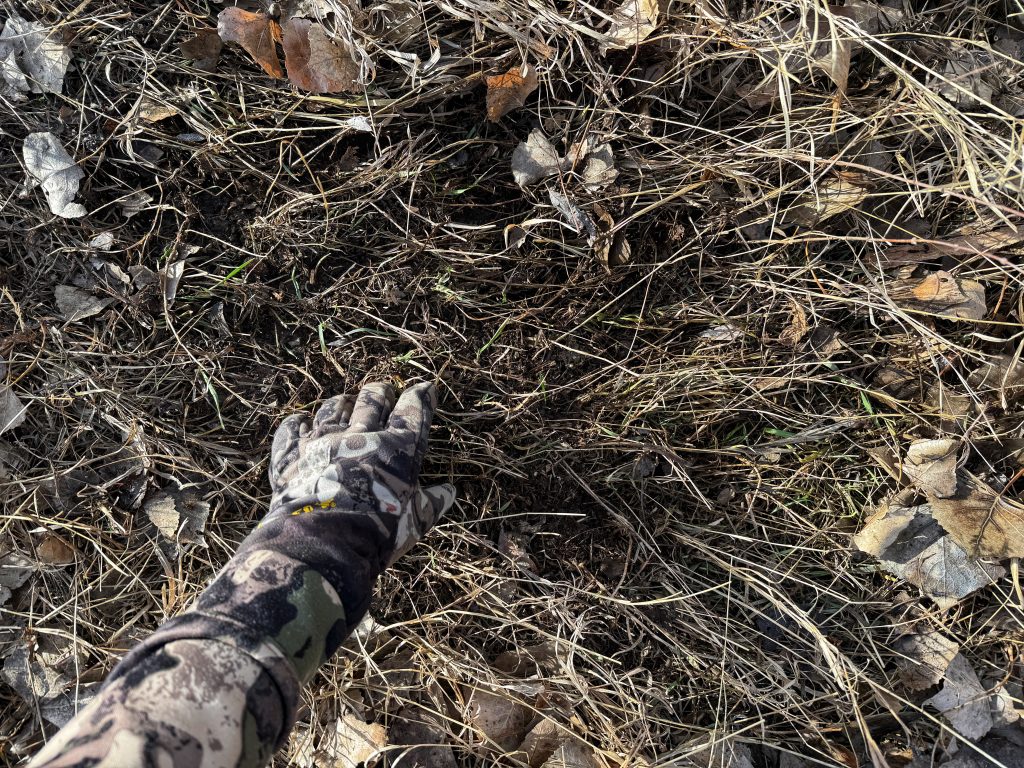
According to online resources from the NWTF, the “annual home range of wild turkeys varies from 300 to 3,000-plus acres and contains a mixture of trees and grass cover.” The data also states that within that home range, turkeys might travel 1-2 miles in search of food, water, breeding opportunities and sanctuary. Lace up your hunting boots, and be prepared to follow a turkey as the daytime hours tick away.
Dawn
Start your day before turkeys do, and be set up below a roost. How close you set up to a roost depends on cover and where turkeys might land when exiting. Some turkeys return to a traditional roost daily, but others rotate between roost sites. Being set up well before turkeys stir on a roost gives you the jump on those precious minutes as a flock leaves the trees and gathers on the ground. If you’ve chosen your setup wisely and risen early, you could finish your hunt before the sun breaks the horizon.
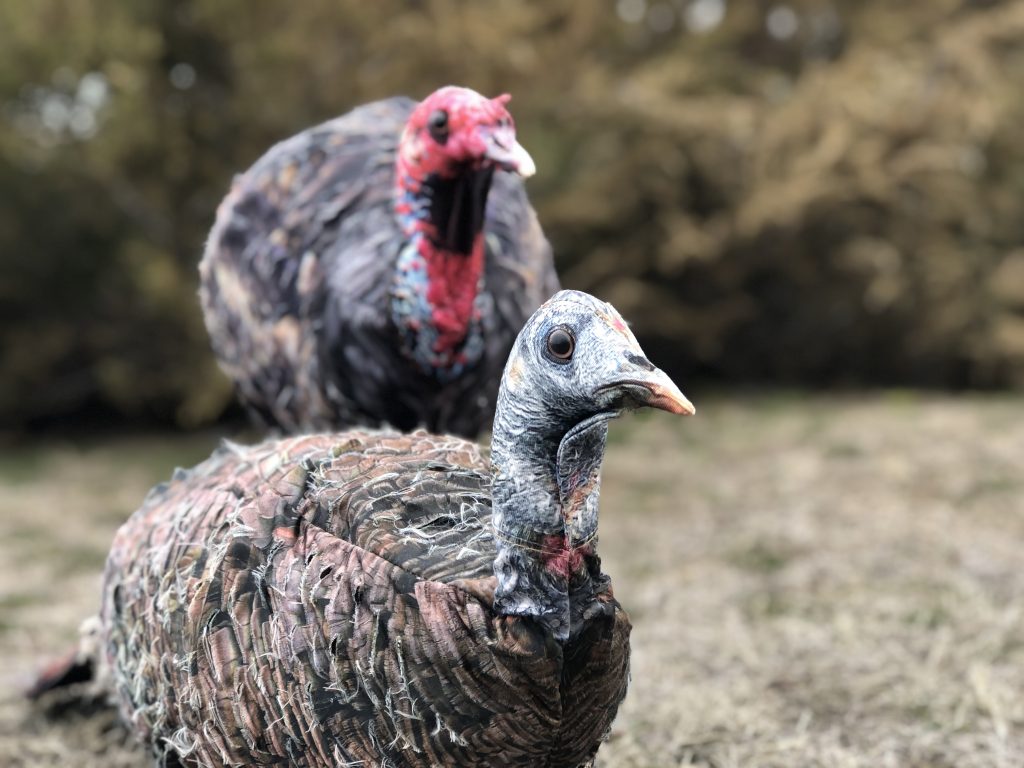
Tactic: Staking out a hen decoy or a hen with a half-strut jake makes sense to lure in a boss hen or an agitated tom. To ensure turkeys don’t fly in the opposite direction, hold back your enthusiasm. Let the hens in the tree start the banter, and slowly add in your two cents as their energy peaks before flying down. You will have plenty of time later to boss a hen around if they snub you at the roost.
Sunrise to Midmorning
Like you, when turkeys rise and shine, an Egg McMuffin hits the spot. Turkey flocks might have to put up with the amorous antics of gobblers, but food gathering becomes a priority after a long night on the roost. Depending on the timing of spring, turkeys, as opportunistic feeders, might focus on new vegetative growth, grainfield leftovers or insect hatches. Keep tabs on food as the morning plays out.
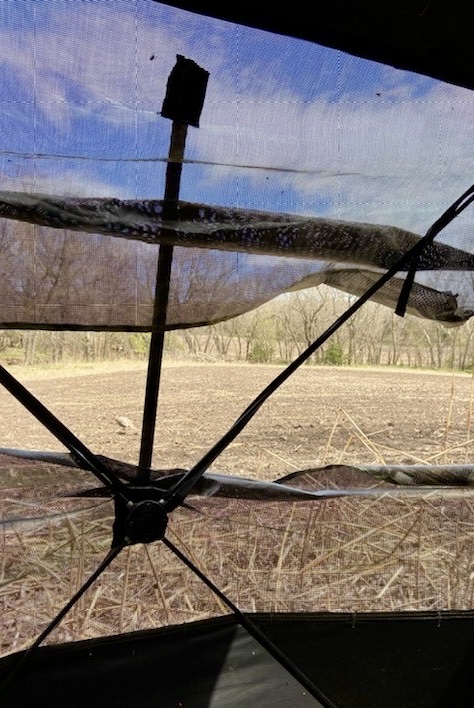
Tactic: If you know a preferred morning feeding area, hustle unseen around the flock to set up when possible. Some locations might be ideal for a pre-set ground blind. After you stake out decoys and settle in, start again with a subtle approach. Let the boss hen or dominant gobbler drive your energy level. In timbered habitats, you might need to freelance if you lose the flock after flydown. Put your hunting app to use to locate likely areas of mast and forest openings, and then still-hunt toward the respective zones using flock sounds. Querying yelps might spark a response, but add in the occasional sound of excitable cutting along with soft clucks and purrs. It’s casual morning coffee talk to start.
Noon to Mid-afternoon
After you’ve had a buffet brunch, a nap sounds exactly right. Turkeys might not hit the couch, but midday into mid-afternoon could include lounging and loafing. Some states shut down hunting at midday, but if your hunt continues into afternoon, seek areas where turkeys might lollygag. Dusting, preening, sunning, shade seeking, feeding, watering and mating could occur, but often in a more discreet fashion. Follow along via your scouting intel and any vocalizations that leak out from the flock.
Tactic: Locating dust bowls or dusting areas might be as productive as hunting a roost. Arrive ahead of suspected flock appearance, or still-hunt stealthily to close proximity. You might encounter a resting flock or a lonely gobbler visiting to catch a nesting hen taking a break at the dust bowl spa. Soft yelps and flock chatter could ignite a frustrated afternoon tom. Decoys might entice a gobbler close. Or in dense cover, make the longbeard hunt you so that when he pokes his head out for a look, it’s his last. If flocks randomly loaf haphazardly, still-hunt through their home range with soft calling to encourage a gobble response.
Sunset
Late in the day, solo turkeys and wandering flocks again make their way back to roosts. These roosts might be traditional, with daily use. But in many areas, turkeys rotate through the tallest trees in the area for nighttime digs. Scouting and research will reveal what’s occurring in your area.
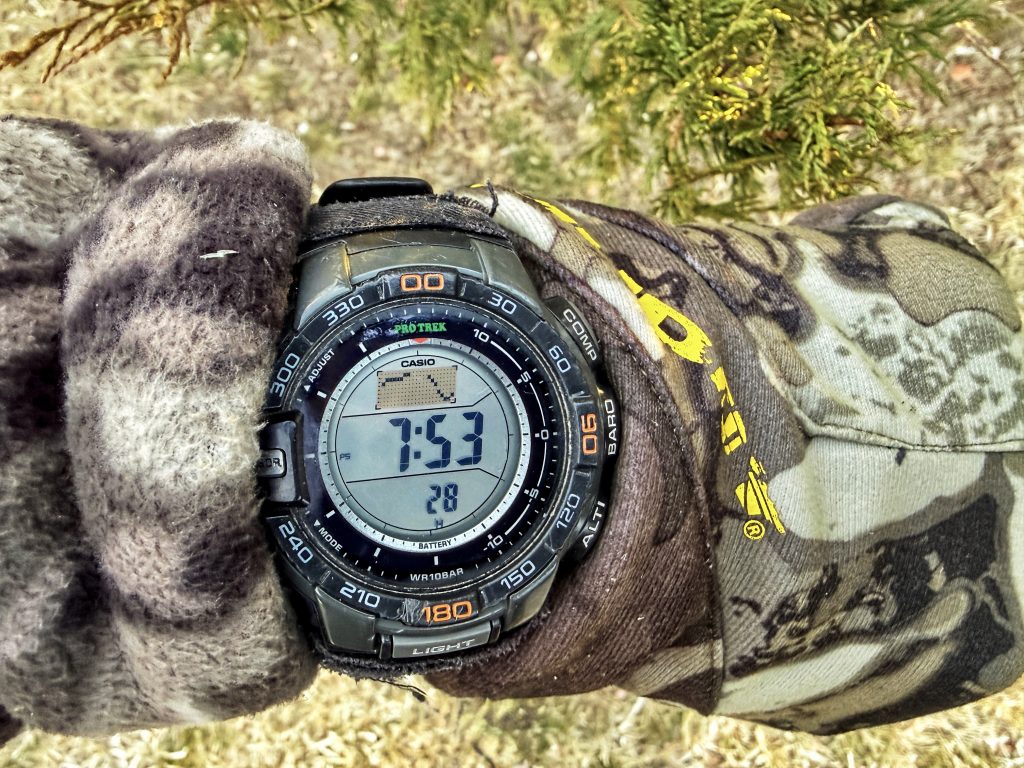
As the sun begins setting, communication often falls off for fear of luring predators to a roost site, so don’t be surprised as the woods go quiet. Late-afternoon and early evening hunts are risky for fear of bumping silent turkeys or, worse, making birds paranoid enough to quit using a traditional roost.
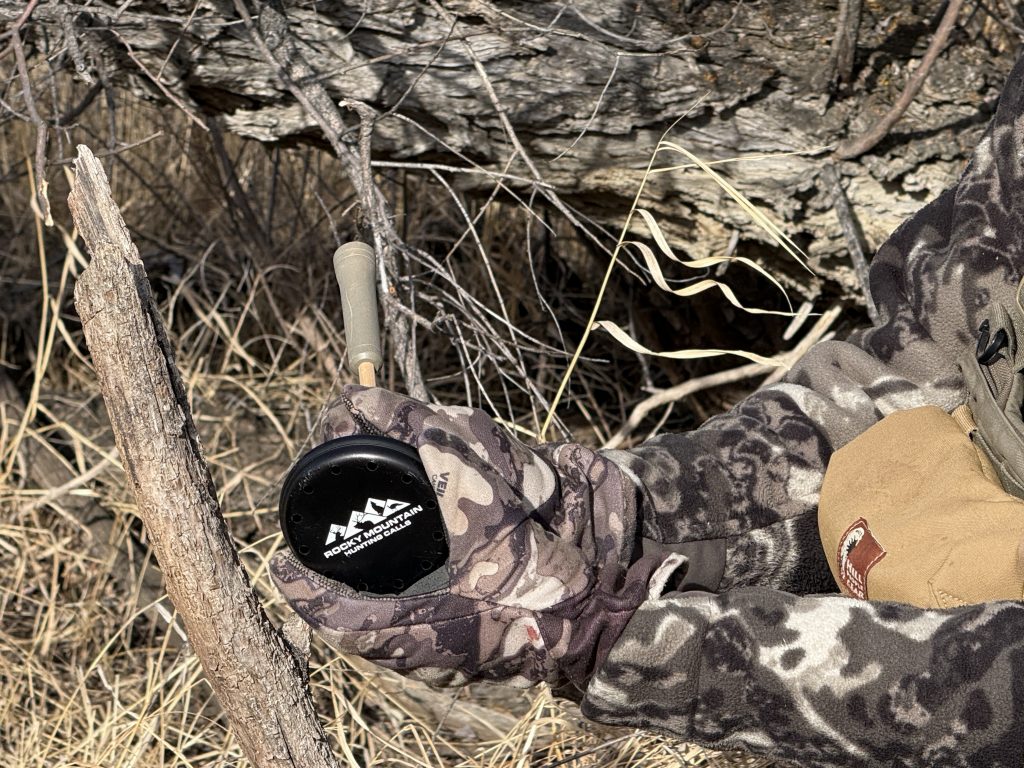
Tactic: Turkeys might use traditional roost sites night after night, giving you an opportunity to set up and softly call a gobbler to you in route to the roost. If birds don’t want to call, even hiding out near a roost might help you tag a tom wandering to a traditional roost.
If you hunt an area where birds habitually alter their roost sites, consider using the sunset period to locate a gobbler for the next morning’s hunt. At dusk, hike or drive through likely turkey habitat, and stop to use locator calls. Coyote howls, owl hoots, crow caws and even a slamming truck door can make a turkey gobble. After you hear a shout-out, move as close as you can to see a silhouetted roosted bird, or drop a marker on your hunting app with a best guess. The next morning, you will have all the information you need to follow turkeys through another day in their world.