Reap More than the Obvious Benefits from Fire
Fire, whether initiated intentionally or sparked naturally, impacts the landscape.
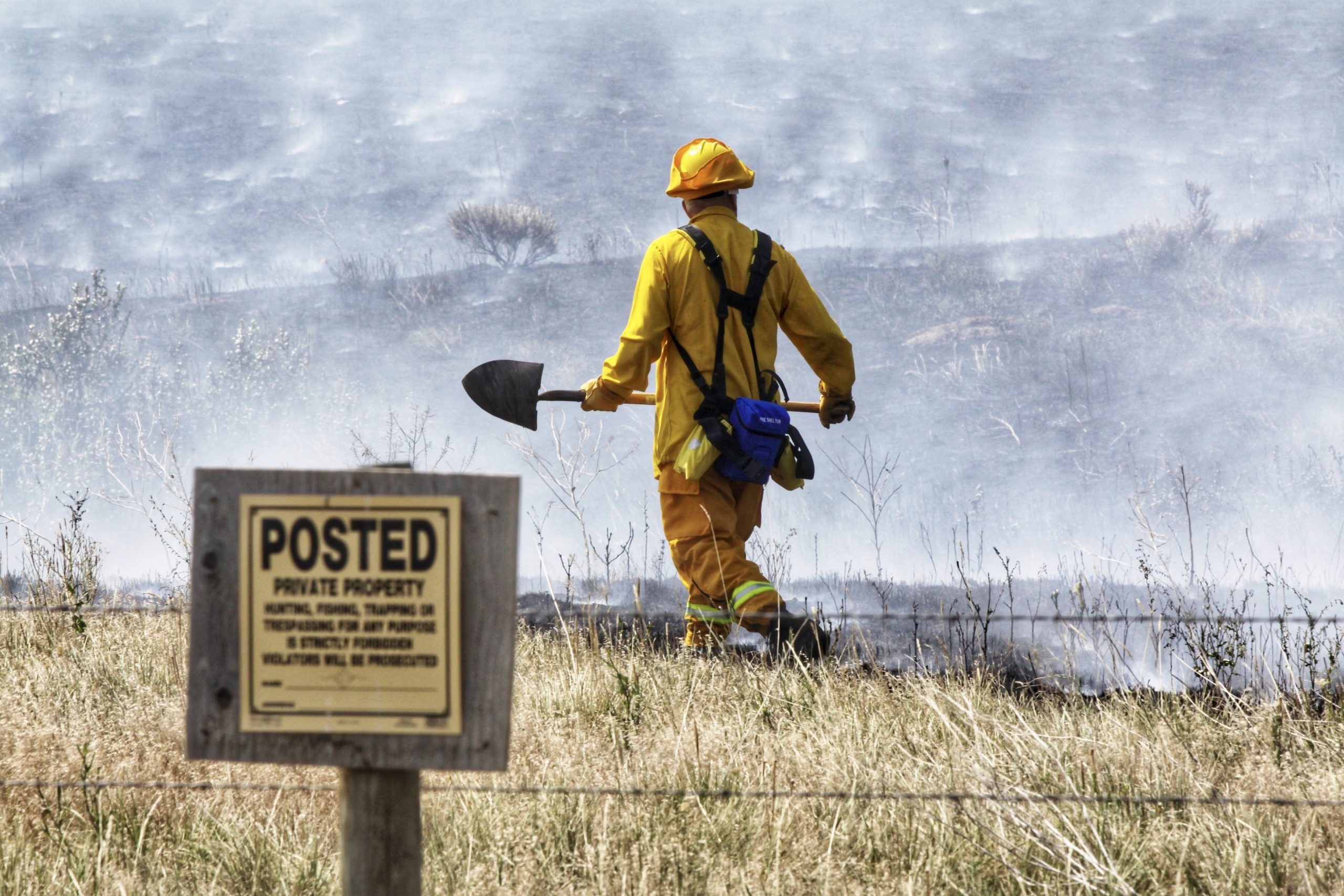
Controlled burns, also known as prescribed fire, are set responsibly to regenerate habitat and to clear excessive vegetation and fuels that can cause uncontrolled wildland fires. Accidental or natural ignition fires, such as those started by lightning, can often end in disaster, intensely burning overgrown areas littered with excessive natural fuels.
Controlled burns are always preferred as a habitat management tool. And fire can deliver surprise gifts. Larger fires can even provide benefit as the land regenerates over time.
The Small Stuff
“You’re from where?” the elderly gentleman asked as I waited for a take-out pizza order. After an introduction, he quickly shared a tale of finding a bonanza of morel mushrooms close to my home after a devastating forest fire the previous autumn.
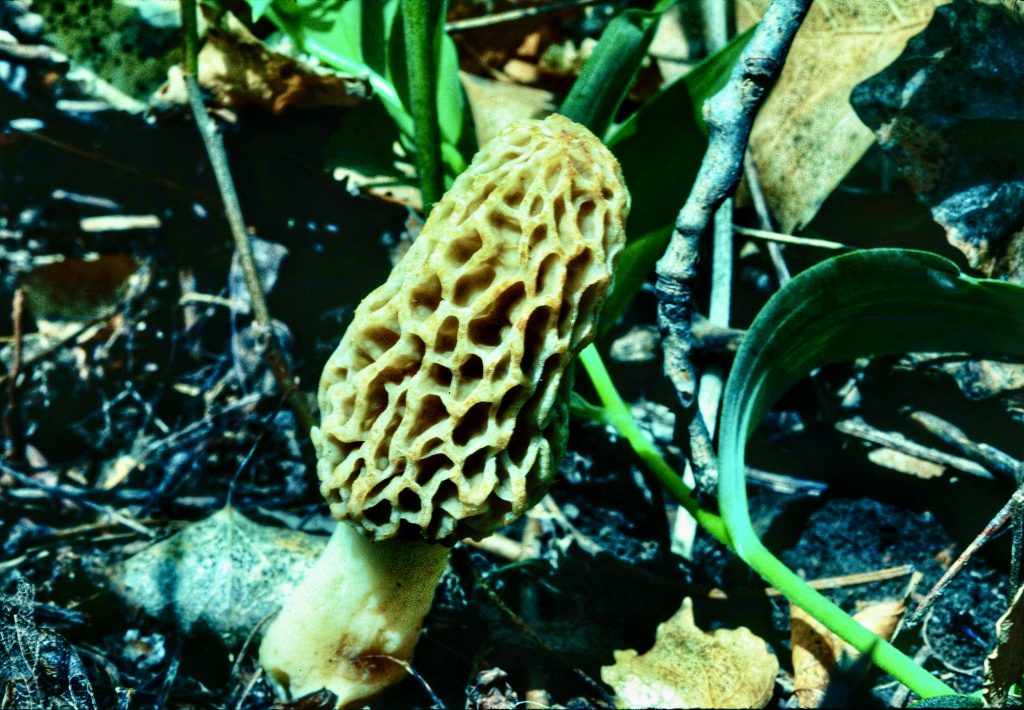
Several species of fire or “burn” morels grow plentifully in the aftermath of fires. Burns lead to nutrient-rich soils, nitrogen charged, with a landscape void of competing vegetation. Fire triggers the release of spores from the protected, underground portion of the mushroom to begin an artificial greenhouse payout.
The conifer forests of the West benefit especially well after wildland fires, although burn morels can also be found in the Midwest and East with some diligent searching. Regardless, anywhere you find morel mushrooms boosted with fire, you could be rewarded with clusters of these delectable delicacies.
The Big Stuff
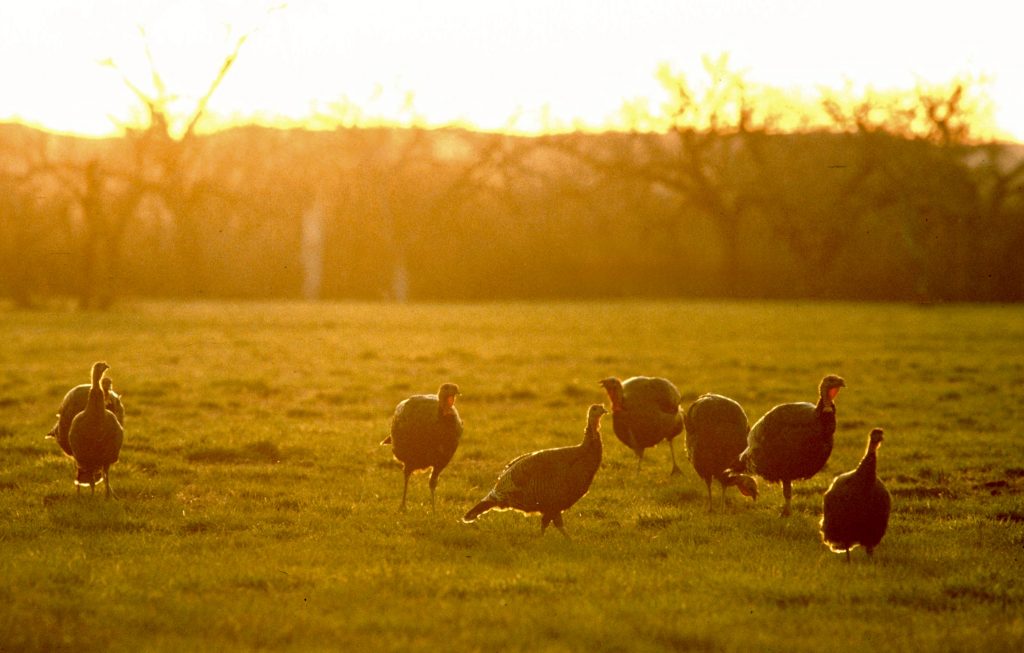
Deer and turkeys typically thrive in habitats defined as early succession. Disturbances, including fire, encourage a mosaic of rejuvenated shrubs, forbs, grasses and other browse species. New growth in this early succession stage provides quality nutrition to wildlife versus mature vegetation or vegetation shrouded under a dark canopy of old stand timber.
Although food plots offer a substitute for habitat in later succession stages, early succession environments boosted by prescribed burns improve the overall health of a deer herd, allowing it to easily nibble on more than a dozen food sources per day.
Deer with adequate fat reserves produce healthier fawns, enter winter with surplus fat to withstand weather extremes, and may grow larger antlers. With deer of proper genetics and age, fire – wildland or prescribed – could easily boost antler growth.
I saw it play out on a South Dakota property my family owned. Before a large forest fire devastated the region, deer exhibited garden variety racks. A few years after the ashes settled, big bucks began showing up, deer reminiscent of historic images of the area from the middle part of the 20th century. Better nutrition was the key variable.
Getting Crowded in Here
My Kansan buddy Greg uses prescribed fire annually for habitat renewal. It pays. White-tailed deer and wild turkeys crowd in from neighboring properties and the place has become a bird watcher’s paradise. Ongoing land management, including application of fire, has transformed an ordinary farm into a premium wildlife property.
Natural or prescribed burns have a knack for attracting attention in the news or via neighborhood gossip. After the smoke clears and a diverse regrowth of vegetation takes off, it also attracts wildlife attention. Deer, turkey, small game, rodents, predators, songbirds, insects and nearly every living creature appreciate the fresh growth of tender, nutritious and abundant plants found in young habitats.
Insects are some of the first to return and flourish. They attract birds and rodents of all sorts, followed quickly by predators and the rest of the wildlife hierarchy. Fire has offered rewards for millennia, whether it’s rejuvenating a landscape or simply heating a skillet full of morels and venison backstraps.