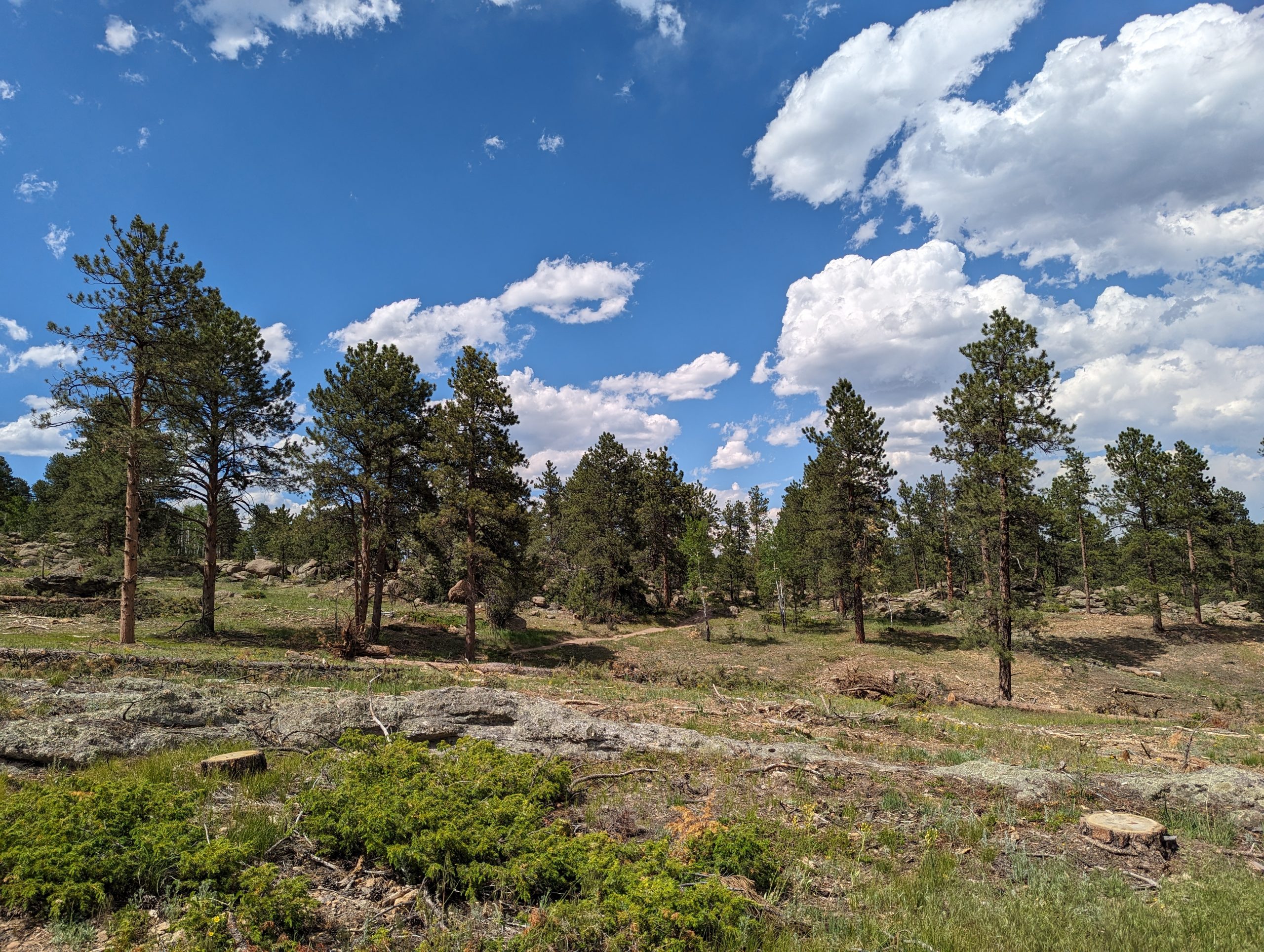
RMRI Hits Major Milestones
As the Rocky Mountain Restoration Initiative (RMRI) reaches the midpoint of its 10-year vision, the National Wild Turkey Federation and its partners are celebrating recent accomplishments. Through collaborative efforts, RMRI partners treated over 35,000 acres of forest across Colorado’s most critical landscapes in 2024, marking a significant stride in forest health, wildfire mitigation, water conservation and community protection.
Co-convened by the National Wild Turkey Federation and the USDA Forest Service, RMRI launched in 2019 with Colorado as its pilot landscape. Built on the principle of shared stewardship, the initiative aims to restore and safeguard the Rocky Mountain region through collective decision-making, investment and action.
The Rocky Mountain Restoration Initiative was founded on the notion that no single entity can protect our forests alone.
“Shared Stewardship is more than collaboration,” explained Patt Dorsey, NWTF director of conservation operations for the West. “Shared Stewardship is about sharing priorities, investments and decision making to achieve collective outcomes greater than the sum of what individual partners could achieve. It’s the path forward at a time when our forests face threats from wildfire, insects and disease, and combining our resources is necessary.”
RMRI partners are implementing at the landscape-scale in an attempt to match the pace and scale of forest restoration with the urgent forest threats.
“While most forest restoration in the West is driven by wildfire risks, the same projects can benefit wildlife directly or indirectly,” Dorsey said. “Many projects improve forage or other habitat components by design, and reducing the risk of severe wildfire prevents habitat loss."
In just five years, RMRI’s vision has come to life across three priority landscapes in Colorado — Southwest Colorado, Upper Arkansas and Upper South Platte — where more than 131,000 acres have been treated to date.
“Forest health impacts air, water, wildlife, habitat and many other areas of watershed health,” said Cindy Dozier, RMRI Leadership Team member. “Water is becoming a major issue in drought-stricken Colorado. RMRI has been a part of the watershed health solution and will continue to be. Those involved understand what Gifford Pinchot said long ago, ‘The relationship between forests and rivers is like father and son. No father, no son’.”
2024 Highlights by Landscape
Southwest Colorado
With over 27,000 acres treated in 2024, the Southwest landscape continues to lead the way. Notable accomplishments include:
- 25,063 acres of hazardous fuels reduction across public and private lands.
- Over 1,000 acres of wildfire hazard mitigation work within the home ignition zone, safeguarding more than 400 structures.
- 6,989 acres treated for hazardous fuels reduction and reduction of long-term wildfire events.
- Delivery of 300 loads of firewood to 11 tribal wood banks through the Wood for Life program — a 50% increase from last year.
- Communities of Vista de Oro and Deer Valley Estates updated their Community Wildfire Protection Plans, and over two dozen education and outreach events were hosted, reaching over 250 people within the landscape.
Since RMRI’s inception, the Southwest landscape has surpassed 110,000 cumulative acres of restoration across federal, state, tribal and private lands.
Upper South Platte
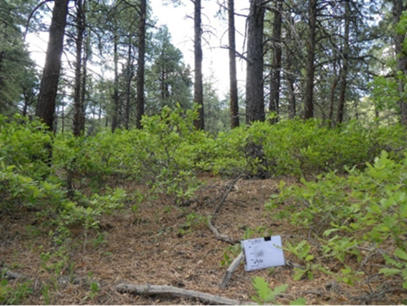
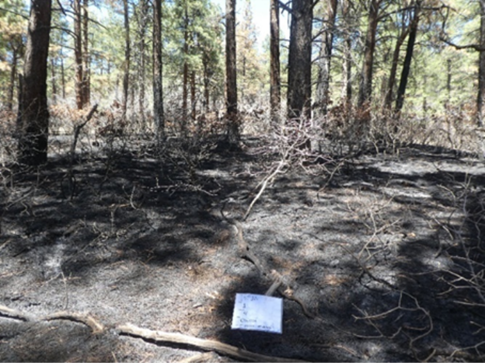
Home to a watershed that supplies drinking water to nearly 2 million people, the Upper South Platte landscape treated over 4,500 acres in 2024. Additional highlights include:
- The Forests to Faucets Wildfire Risk Assessment was published, helping prioritize treatments for water security.
- Partners hosted 39 events and brought together 152 participants, demonstrating strong momentum.
- Chipping programs and fuel reduction efforts ramped up, thanks to partnerships with local districts and fire protection agencies.
To date, the Upper South Platte landscape has treated nearly 9,000 cumulative acres, with already over 2,000 acres in the pipeline for 2025.
Upper Arkansas
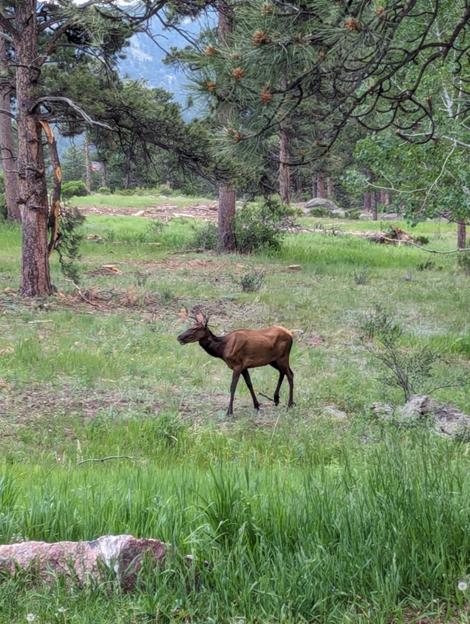
Covering Lake and Chaffee counties — home to Colorado’s most rafted river and highest peaks — the Upper Arkansas landscape treated over 3,300 acres this year, with over 14,000 acres planned for future implementation. Key achievements include:
- Prescribed burns, chipping programs and invasive weed management.
- Increased local capacity with new staff positions, fire certification expansions and nine new Firewise USA sites.
- Hosted the Connecting Colorado event, convening over 100 conservation leaders for two days of landscape-scale planning.
- Continued robust funding efforts, raising over $3 million in FY24.
As the Upper Arkansas Landscape gears up for a big year ahead, it has already surpassed 12,000 cumulative acres treated as of 2024.

Through innovative subcommittees focused on workforce capacity, social license/communications, biomass utilization and public trust, RMRI continues to break down traditional barriers to forest restoration. With over 40 partner organizations, the initiative exemplifies how shared decision-making and investment can result in tangible landscape change. Read more about the 2024 accomplishments here.
For more information about the Rocky Mountain Restoration Initiative and NWTF’s role visit the NWTF website. To stay updated, you can also subscribe to RMRI’s monthly newsletter using the sign-up option at the bottom of the page here.