Roots to Roost Celebrates One Year of Conservation Across the Midwest
From habitat restoration efforts on public wildlife management areas to private-land conservation, the NWTF's Roots to Roost Initiative is building partnerships and expanding habitat management impact across the Midwest.
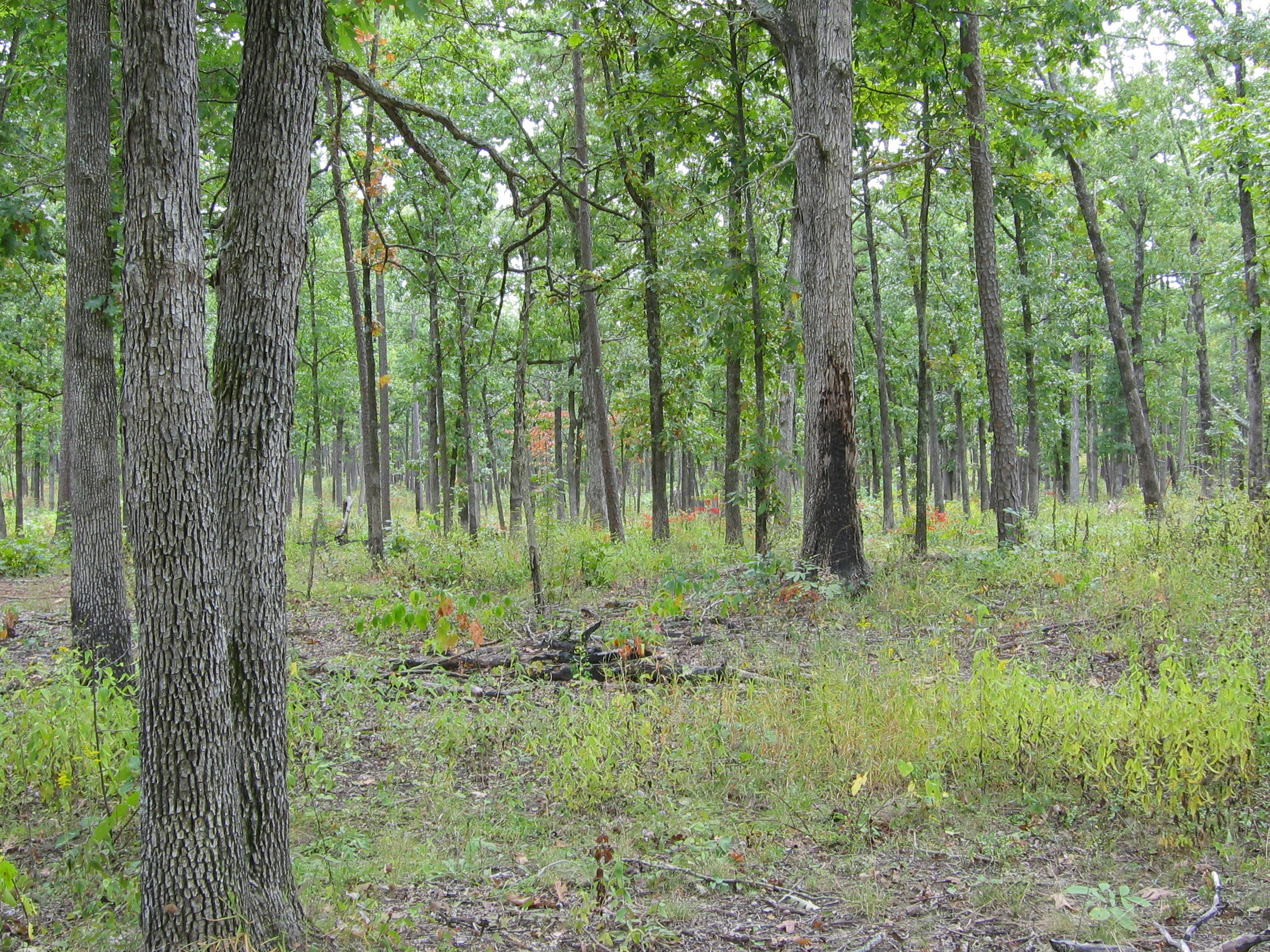
Throughout the Midwest, native grasslands, savannas and open woodlands are disappearing as changing land use, invasive species and decades of fire suppression continue to alter the landscape. With approximately 90% of the region privately owned, restoring these important habitats requires working across property lines and putting conservation resources directly into landowners' hands.
That is where the NWTF's Roots to Roost Initiative comes in.
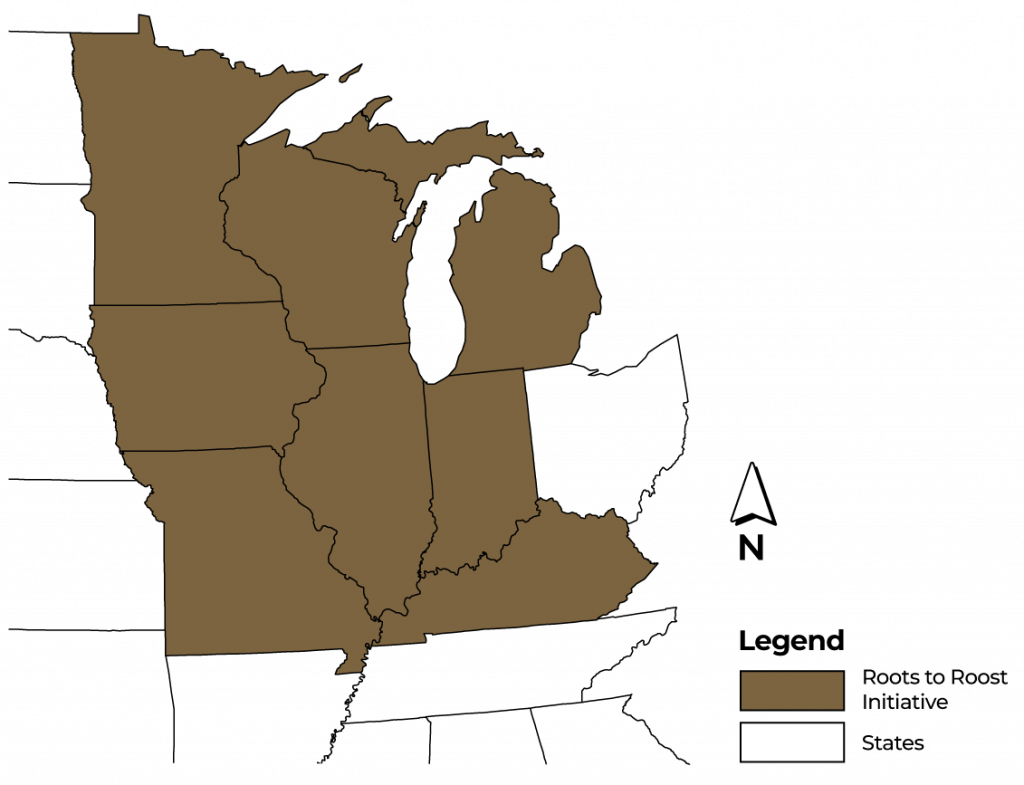
Launched in September 2025, the initiative focuses on restoring and maintaining wildlife habitat through active forest management, prescribed fire, private-land conservation and education. One year later, the partnerships and investments supporting that mission are making an impact across the Midwest.
"Our Roots to Roost conservation delivery team, through the support of our state chapters, has placed an increased emphasis on supporting programs and partnerships that will help us create high-quality nesting and brood-rearing habitat throughout the region on public and private lands," said Ryan Boyer, NWTF director of Conservation Operations for the Roots to Roost Initiative. "Support for private lands work included funding equipment purchases, support for prescribed burn associations and direct NWTF staff and private landowner engagement through state and federal agency agreements. The combination of these efforts allowed us to help deliver on some of the region’s most significant needs for wild turkeys on private lands throughout the hub."
Numbers to Date:
First-year total acres impacted across the current reporting region: 184,555 acres
Acres impacted through NWTF staff cooperative forester and wildlife biologist (private-land positions): 31,885
Cooperative NWTF forester and wildlife biologist positions in Missouri and Illinois: 5
The total includes acres impacted through the National Forestry Initiative, cooperatively funded foresters and wildlife biologists, seed and equipment access, and conservation work completed through established agreements on private lands.
The current report includes Ohio and portions of Missouri and Kentucky based on the initial region boundaries for the Roots to Roost region. Beginning in fiscal year 2027, the reporting framework will include all of Missouri and Kentucky while Ohio becomes part of the Forests and Flocks initiative.

Prescribed Fire and the Power of Prescribed Burn Associations
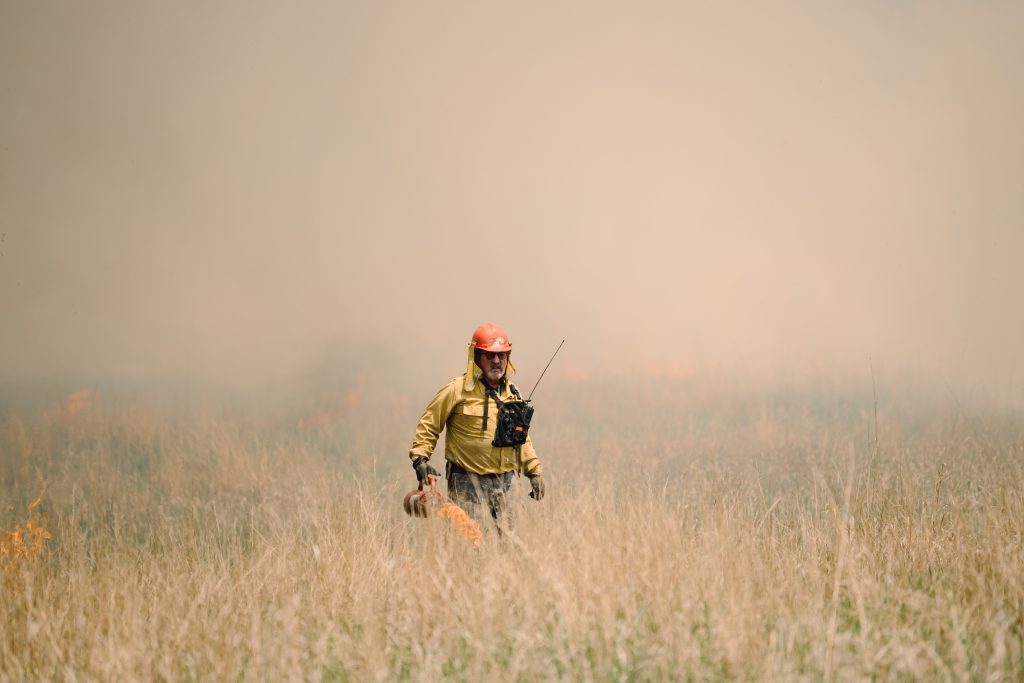
One of the initiative's major priorities is returning prescribed fire to the Midwestern landscape. Historically, periodic fire helped maintain the native grasslands, oak savannas and open woodlands that provide important nesting and brood-rearing habitat for wild turkeys.
In Missouri, NWTF support helped purchase 123 boxes of aerial ignition spheres, commonly called Dragon Eggs, for prescribed burning on Mark Twain National Forest. These spheres are released from helicopters to ignite carefully planned burns across large areas. In 2025, the Forest Service treated approximately 60,000 acres with prescribed fire, including at least 35,000 acres using aerial ignition.
While aerial ignition helps manage extensive public forests, prescribed burn associations, or PBAs, are making fire more accessible to private landowners.
These associations bring neighbors together to share equipment, training and manpower, allowing landowners to conduct burns they might otherwise lack the resources to complete. NWTF investments have helped expand that capacity across the region.
In southern Illinois, NWTF funding helped the Southern Illinois Prescribed Burn Association purchase equipment that allows members to conduct multiple burns in a day and loan equipment to trained landowners. The Illinois NWTF State Chapter has also supported the Great Rivers Prescribed Burn Association, helping expand access to prescribed fire across the state.
Together, these investments help put one of the region's most important habitat management tools into the hands of the people who can use it.
Private-Land Conservation: Working Beyond Property Lines
Turkeys do not recognize property boundaries, and effective conservation cannot stop at the property line.
A hen may nest in one landowner's woods, move her poults through a neighboring field and spend part of the year on nearby public land. That is why connecting conservation efforts across multiple properties is particularly important in the Midwest.
Of the 184,555 acres impacted during the initiative's first year, 31,885 were delivered through cooperative private-land positions in Missouri and Illinois.
Missouri has two cooperatively funded positions, while Illinois has three. These foresters and wildlife biologists work directly with private landowners to provide technical assistance, develop habitat management recommendations and connect them with conservation programs and resources.
Their work is supported by investments that make conservation practices more accessible, from native seed to equipment that can be shared among landowners.
In central Missouri, for example, NWTF support is helping the Callaway Soil and Water Conservation District refurbish a no-till drill that landowners can rent to establish native vegetation and improve wildlife habitat. In Illinois, the NWTF state chapter approved funding for a tree and shrub program offering native oaks and shrubs to NWTF members for planting on private land.
By pairing professional guidance with access to equipment and materials, Roots to Roost is expanding opportunities for landowners to take an active role in conservation.
Partnership Power: Public Lands and Public Access
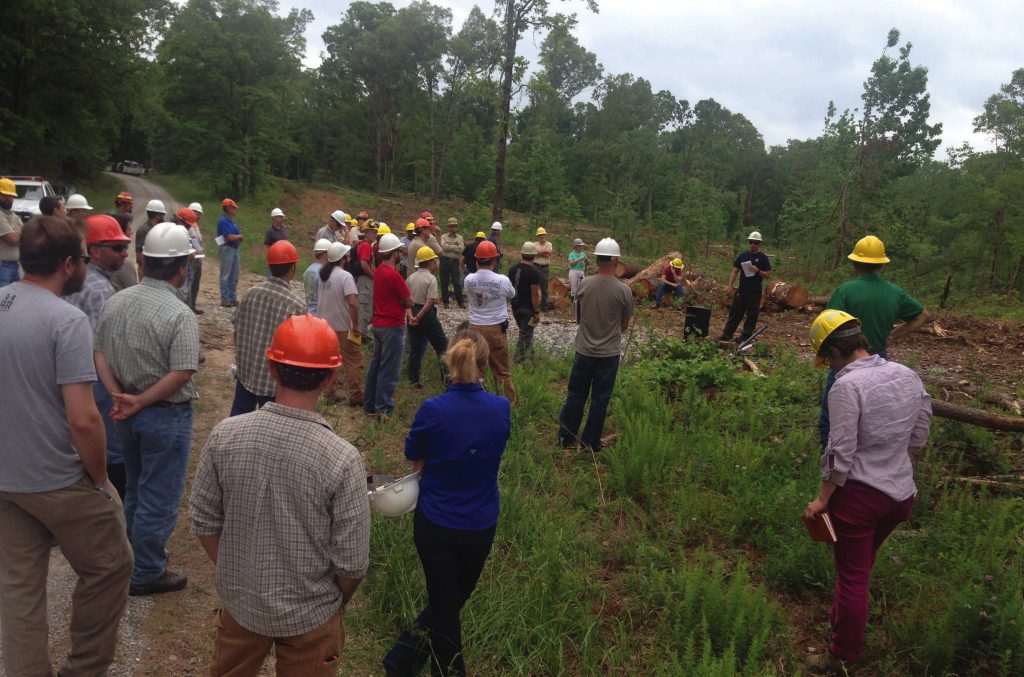
While private-land conservation is a defining focus of Roots to Roost, partnerships with state and federal agencies remain essential to improving wildlife habitat and expanding public access throughout the region.
The NWTF works closely with its state agency partners, the USDA Forest Service, the U.S. Fish and Wildlife Service and other conservation partners to improve habitat on public lands and create opportunities for hunters and outdoor enthusiasts.
Private and corporate partners are contributing to the initiative's progress as well.
The Bass Pro Shops and Cabela's Outdoor Fund's 2026 investment in the NWTF includes support for Roots to Roost projects in Indiana and Minnesota that improve wildlife habitat and expand public access, along with prescribed fire and oak habitat restoration in Missouri and Iowa. The fund also supports NWTF conservation initiatives in other regions.
These partnerships allow NWTF state chapters to combine local conservation investments with broader regional efforts, increasing the reach of habitat projects beyond individual properties and state boundaries.
Education, Outreach and Research
Conservation doesn't stop with habitat improvements. Across the Roots to Roost region, NWTF chapters are introducing the next generation to the outdoors through JAKES Days, mentored hunts and hands-on educational events. From Illinois' annual JAKES Days to Minnesota's mentored hunts, volunteers are helping pass down the region's strong hunting heritage. Educational webinars also provide landowners with knowledge about prescribed fire and other habitat management practices.
Research plays an equally important role. Ongoing studies in Iowa and Michigan are examining wild turkey survival, reproduction and habitat use, helping researchers better understand the challenges facing Midwestern populations. Together, education, outreach and research help connect the next generation of hunters and conservationists with the science guiding future habitat improvements.
What's Next?
As Roots to Roost enters its second year, expanding private-land conservation, prescribed fire, education and partnerships will remain central to the initiative.
Fiscal year 2027 will also bring a more consistent reporting framework as Missouri and Kentucky are fully incorporated into Roots to Roost acreage tracking, while Ohio transitions into the NWTF's Forests and Flocks region.
The NWTF will continue supporting cooperative foresters and wildlife biologists, expanding access to equipment and technical assistance, providing educational opportunities and working alongside state and federal agencies to improve habitat and public access.
For a region where so much of the landscape is privately owned, continued collaboration among landowners, conservation professionals and agency partners will be essential.
Roots to Roost's first year has demonstrated what those partnerships can accomplish. The next chapter is about building on that foundation and expanding conservation across the grasslands, forests, savannas and open woodlands that Midwestern wild turkeys depend on.