Safety First in the Turkey Woods
With the rise of social media, more people are posting their adventures in the spring woods than ever before, and unfortunately, we have seen examples of hunters letting the excitement of the moment override common sense. Let us say this loud and clear: no turkey harvest is ever worth a lack of safety in the woods.
Turkey hunting has always required hunters to think thoroughly about safety, and it should always be that way.
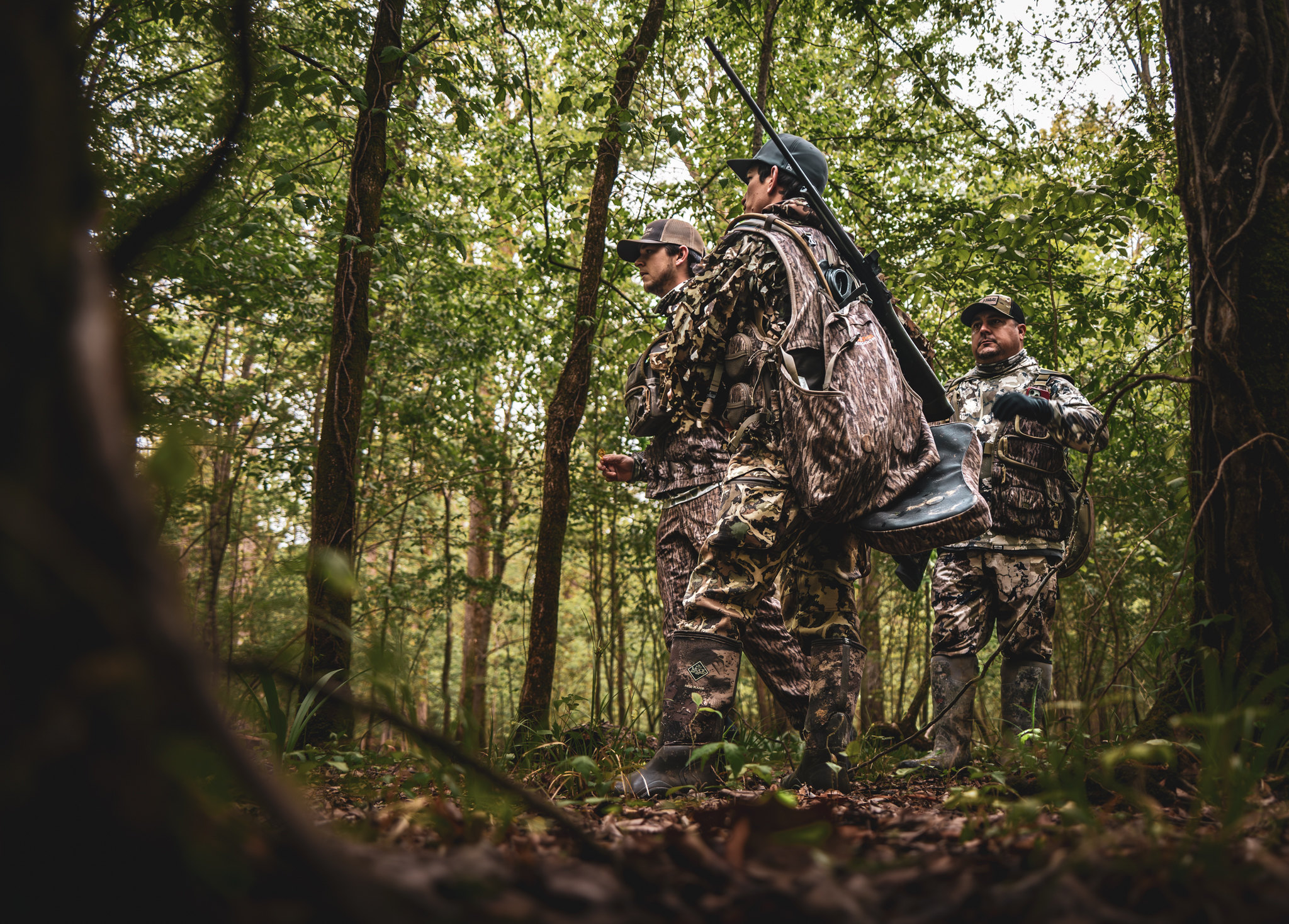
Unlike many other types of hunting, turkey hunters are often covered head to toe in camouflage, sitting against trees, calling and using decoys designed to convince a bird that everything in front of it looks natural.
That is exactly why turkey hunting safety has been such a major focus for the National Wild Turkey Federation for decades.
The NWTF’s Wild Turkey Hunting Safety Task Force was first formed in 1991 as turkey populations and hunter participation rapidly expanded across the country.
Since then, the task force has continued bringing together wildlife professionals, hunter education instructors, biologists, conservation leaders and law enforcement officers to address emerging safety concerns and improve turkey hunter education nationwide.
The most recent task force report examined everything from hyper-realistic decoys to advanced ammunition, mentoring and hunter behavior.
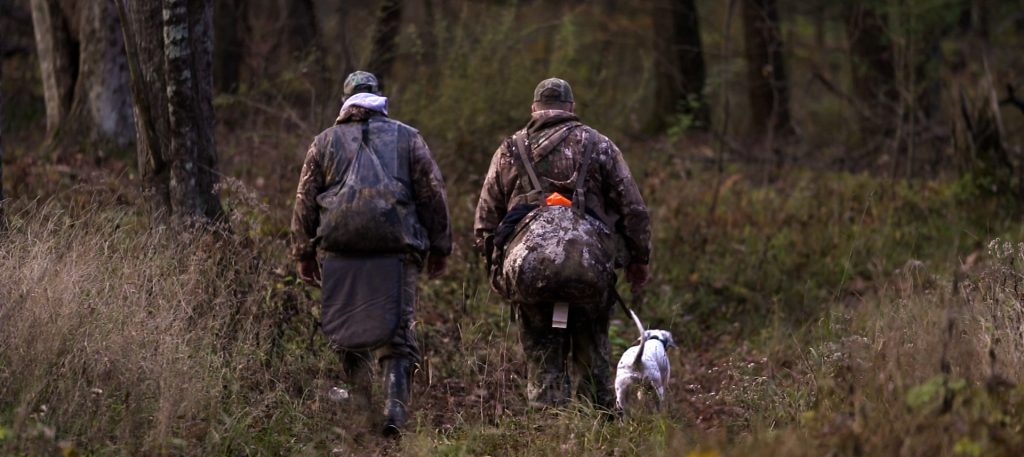
The common thread through the whole report was straightforward: a harvested turkey is never more important than making it home safely.
That starts with the fundamentals every turkey hunter should know, like positively identifying one’s target and knowing what is beyond it. But modern turkey hunting also presents new situations hunters should think carefully about.
The task force specifically recommends hunters never carry an uncovered decoy or fan where it is visible to others and encourages extra caution near roads, field edges and public access areas.
Hunters should call out clearly if another hunter approaches instead of trying to get their attention with turkey calls.
Hunters should also never assume they are alone, even on private land.
Many turkey hunting incidents occur on private property, sometimes involving members of the same hunting party.
The task force encourages hunters to make a plan before the hunt, avoid separating from partners when possible and always know where everyone in the group is positioned.
Advancements in equipment have also changed turkey hunting in recent years. Modern optics, choke systems and denser-than-lead ammunition have made turkey loads more effective at longer distances than ever before. The NWTF still advocates that 40 yards is the ideal maximum distance, but TSS does keep mortality rate high when distances are sometimes misjudged. Still, while those advancements can help hunters make cleaner shots, they also increase the importance of situational awareness and good judgment.
Hunters are encouraged to pattern their shotguns, understand the capabilities of their equipment and remember that tighter patterns and longer effective ranges do not replace responsible decision-making in the field. If you cannot properly identify your target, you cannot take a shot, plain and simple.
But turkey hunting safety and ethics do not stop when the hunt is over.
For many people who do not hunt, their opinion of hunting is shaped by what they see online, at a gas station during spring turkey season or while crossing paths with hunters on public land. Those small interactions matter more than many hunters realize.
That idea is at the center of Hunt for Good, an NWTF-supported campaign that encourages hunters to represent hunting, conservation and the outdoor community in a positive way. Ethical, responsible behavior helps protect the future of hunting and maintains public support for conservation and wildlife management.
The same principles are reflected in the NWTF’s Turkey Hunter’s Code of Conduct, which reminds hunters to respect landowners, other hunters and nonhunters, obey wildlife laws and behave in a way that brings no dishonor to the hunter, the hunted or the environment.
That responsibility also extends to social media.
The photos, videos and stories hunters share online often become someone else’s first impression of hunting. They also influence what new hunters believe is acceptable behavior in the woods. Experienced hunters help shape the culture surrounding hunting, whether they realize it or not.
The task force placed a strong emphasis on mentoring and noted that safe, ethical hunting habits are often learned by example. Mentors who demonstrate patience, safe firearm handling, respect for wildlife and good judgment are helping create safer hunters for the future.
Turkey hunting safety has always been bigger than one hunt or one hunter: It is about protecting fellow hunters, protecting the reputation of hunting and protecting a tradition we care deeply about.
Every decision in the turkey woods matters. Every interaction afterward does too.