Shaping the Future of the Great Plains
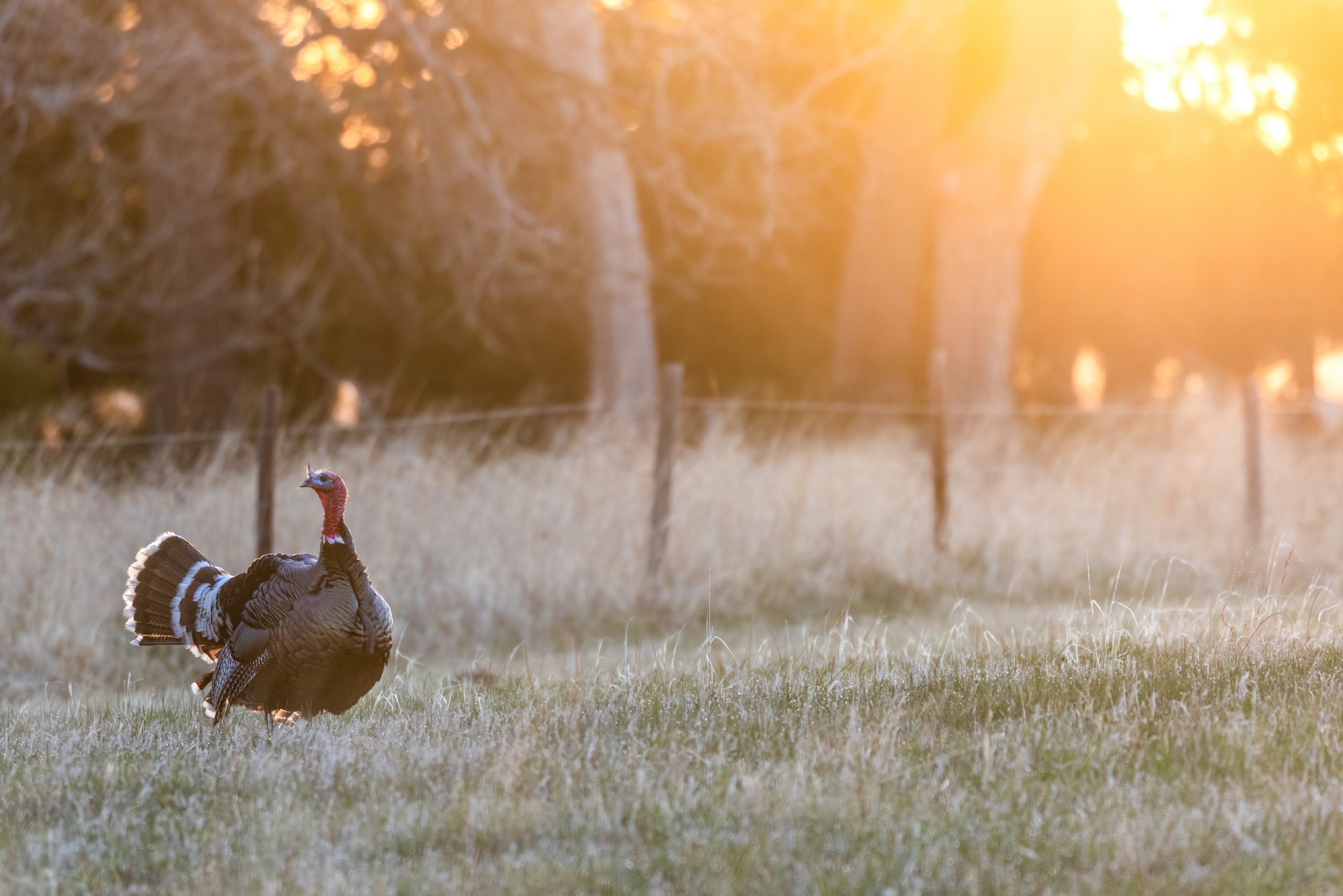
The Great Plains is a region defined by its vast prairies, winding rivers and the people and wildlife that depend on them. Today, this landscape faces pressing challenges — woody plant encroachment, prolonged drought, invasive species and growing demands for clean water. Through its state and federal partnerships, as well as its National Forestry Initiative and Waterways for Wildlife Initiative, the NWTF is creating momentum to restore this landscape and secure a healthier future for wild turkeys and countless other species.
Building on Past Success
Waterways for Wildlife builds on the success of NWTF’s Northern Plains Riparian Restoration Initiative, which began in 2007 and concluded in 2021. The initiative improved over 83,000 acres of riparian habitat, areas between land and water, across the Dakotas, Wyoming and Montana. That $9.8 million program united 94 partners and showed what was possible when diverse groups came together for a common cause. The NPRI would serve as the springboard for an even more ambitious endeavor for the NWTF.
Recognizing that water and riparian challenges extend far beyond the Dakotas, the NWTF created its Waterways for Wildlife Initiative in 2022, encompassing ten Great Plains states. The long-term goal: improve 75,000 acres of habitat along 1,500 miles of waterways by 2032.
“The need is definitely more than just a Northern Plains issue,” said Clayton Lenk, NWTF district biologist for Minnesota, Wisconsin and the Dakotas. “Water quality and quantity issues in riparian areas aren’t restricted to the Dakotas or Montana — they’re across the entire Great Plains. Expanding the initiative was a good step in the right direction to address those broader issues.”
The Importance of Riparian Areas
Stream flows across the Great Plains have dropped significantly in recent years due to increased demands, disrupted floodplains and expanding development that paves over critical natural areas. These pressures make rivers and streams more important and more vulnerable than ever.
“The Great Plains is a bit different because it’s kind of that transitional zone from your typical Eastern forest habitat to the more arid West,” Lenk said. “Water is very critical, especially for wildlife but also for people. 70 to 80% of wildlife species utilize those water resources at some point in their life cycle. So those water resources in the Great Plains are very critical for their survival.”
Annie Farrell, NWTF district biologist serving Texas, Oklahoma, Kansas and Nebraska, added: “These ribbons of life — the riparian areas of the Great Plains — only make up about 1.5% of the whole region, but they support over 70 to 80% of the wildlife, including wild turkeys, migratory birds, aquatic species and other game species like deer and quail.”
These riparian corridors — the green belts of trees and shrubs that line rivers and streams — not only sustain wildlife but also recharge aquifers, filter water and stabilize soils. As Farrell noted, they’re also essential for turkeys.
“In my area, roosting locations can be a severe limiting factor for wild turkeys,” she said. “These riparian areas usually host the really beautiful cottonwood galleries and big trees with large limbs that turkeys can hang out in at night.”
Challenges on the Ground
Across the region, one challenge stands out: invasive species.
“In Texas and Oklahoma, we have really struggled with invasive species,” Farrell said. “One single eastern red cedar tree can take upwards of 50 gallons of water per day out of a stream system or out of the groundwater. When you take them out, suddenly you have more water in the stream. And you’re also creating better habitat for wild turkeys.”
Zack Zimmerman, an NFI forester who works across Nebraska, sees the same problem.
“Invasive species are the main thing that we combat here with the NFI foresters,” he said. “You see a lot of Eastern red cedar, multiflora rose and others. They get rid of the habitat we have left, especially in those riparian areas that are often the only habitat around. It throws the whole ecosystem off balance.”
Conservation Through Partnerships
The NWTF is deeply invested in conserving habitat for wild turkeys and other wildlife while also safeguarding clean water for both wildlife and communities. This year alone, the organization and partners awarded $2.7 million to 13 conservation projects across seven states. None of this work or funding, however, would be possible without strong partnerships.
“I don’t think we could do our jobs without our partners,” Farrell said. “I’m one person in four states. I can’t do my job without the help of all of our partners. Through research, state and federal partners, other conservation NGOs and universities, we are able to make a landscape-level impact.”
And while large-scale projects rely on partnerships and science, NWTF members form the foundation. Every membership, every banquet and every dollar raised contributes to making work like this possible.
Looking Ahead
The next seven years carry an ambitious goal: improving 75,000 acres of habitat and restoring 1,500 miles of streams across the Great Plains by 2032. In its fourth year, the initiative and its partners are making significant progress toward the goal, enhancing 211 stream miles of waterways and impacting over 45,000 acres of adjacent habitat between completed and ongoing projects.
But the vision reaches far beyond numbers. At its core, this work is about strengthening entire ecosystems so future generations can enjoy healthy rivers, thriving wildlife and lasting opportunities to connect with the outdoors.
“Our main objective is to see these riparian habitats enhanced, moving into the future, not lost. We want to leave the landscape better than we found it,” Lenk said.
The challenges facing the Great Plains are vast, but so too are the opportunities. Through NWTF initiatives and the power of strong partnerships, meaningful change is taking root across one of North America’s most iconic landscapes. Every restored stream mile, every acre of invasive species removed, and every cottonwood stand conserved is a step toward a healthier, more resilient future.