Shotgun Chokes for Turkey Hunting: What Actually Matters
A turkey choke’s job is straightforward, control and tighten the pattern so more pellets land in the vital head and neck area of a gobbler. But the only way to know how well your setup performs is to pattern your shotgun on paper, no guesswork, no assumptions, just real data.
Understanding Chokes
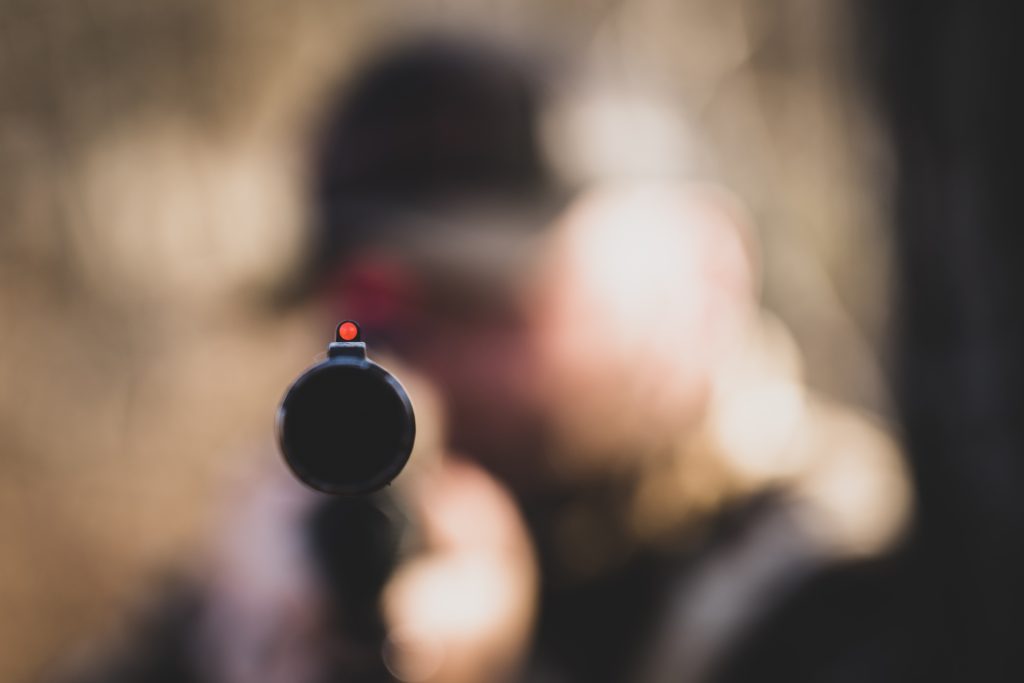
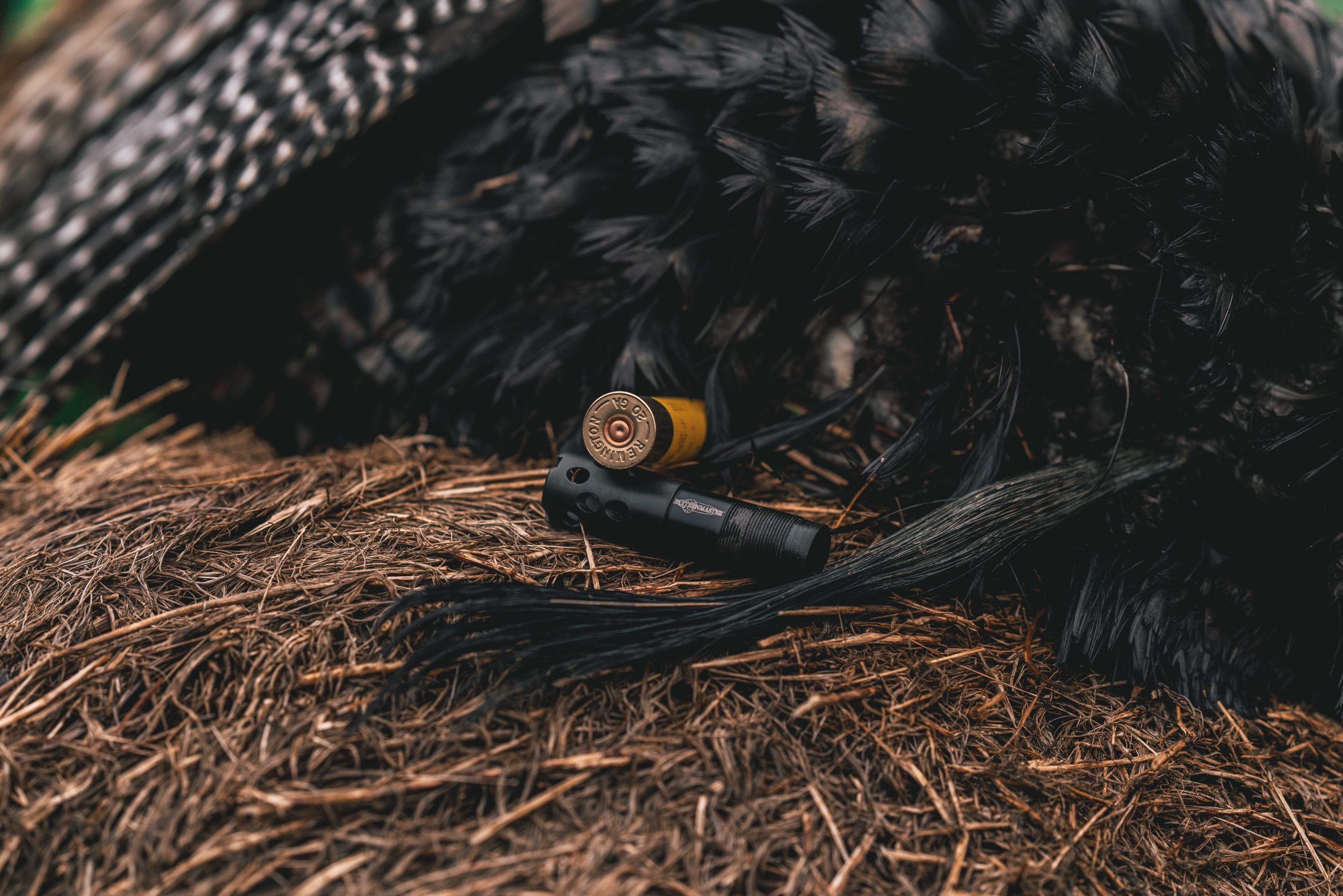
Most factory shotguns come with interchangeable choke tubes, typically ranging from improved cylinder to full. For turkey hunting, most hunters move beyond a standard full choke and choose a dedicated turkey choke, which typically has a constriction between .660 and .675 for a 12 gauge To put that into perspective, common choke constrictions generally fall like this cylinder which has little to no constriction, around .000 and throws the widest pattern. It is better suited for close-range shooting. The next 2 are improved cylinder, which is around .010, and modified, which is around .020. Both of these starts to tighten things up. They are ideal for small game and upland birds. Lastly, full, which is around .035, is where patterns get dense enough for longer shots and is often the baseline many hunters start with before going even tighter for turkeys.
That tighter constriction compresses the shot column as it exits the barrel, helping hold the pattern together longer. That means more pellets in the kill zone at longer distances.
To help it all make sense you must understand what constriction is and how it’s measured. Constriction itself is simply the difference between the bore diameter of your shotgun and the exit diameter of the choke tube, which is measured in thousandths of an inch. This is why you’ll see numbers like .665 or .670 stamped on turkey chokes.
Patterning Is the Real Key
Patterning your shotgun is the single most important step in building an ethical turkey setup. It’s also one of the most overlooked. Start by setting up a turkey target or paper plate at 20, 30 and 40 yards. Those distances represent most real-world turkey hunting shots. Fire from a steady rest and examine where the pellets land. What you’re looking for is consistent pellet density in a concentrated area. A good rule of thumb is having at least 100 pellets in a 10-inch circle at 40 yards, though many modern setups exceed that.
Patterning does two important things. First, it shows you how your shotgun shoots, allowing you to adjust your sights or optics if needed. Second, it reveals which combination of choke and ammunition your shotgun prefers. Sometimes a slightly more open choke will produce a better pattern with a specific load.
Ammo and Chokes Work Together
One mistake many hunters make is assuming a choke alone determines pattern performance. In reality, ammunition plays just as big a role. Modern turkey loads, especially those using heavier-than-lead materials like tungsten blends, pattern incredibly tight when paired with the right choke. But they can also react differently depending on the constriction.
The best approach is to test multiple loads and multiple chokes. Shoot them through your choke at the same distance and compare the patterns. The results might surprise you. A setup that patterns beautifully at 40 yards with one shell might fall apart with another.
Ethical Shot Distance Still Matters
With the performance of modern turkey loads and chokes, it’s easy to get caught up in the idea of 60- or even 70-yard turkey guns. While those shots might be possible under perfect conditions, they shouldn’t be the goal. Turkey hunting has always been about bringing a gobbler close, and who wants to give up that adrenaline rush? Even the best shotgun setup can’t account for a turkey taking a step at the wrong moment, a slight movement from the hunter, or brush deflecting pellets. The farther the shot, the greater those risks become.
For most hunters, 40 yards remains an effective maximum distance. At that range, a well-patterned shotgun delivers dense, lethal patterns while still giving a margin of error for the realities of hunting. If a gobbler hangs up beyond that, the better move is often patience or soft calling to close the distance for a perfect shot.
Real-World Performance in the Turkey Woods
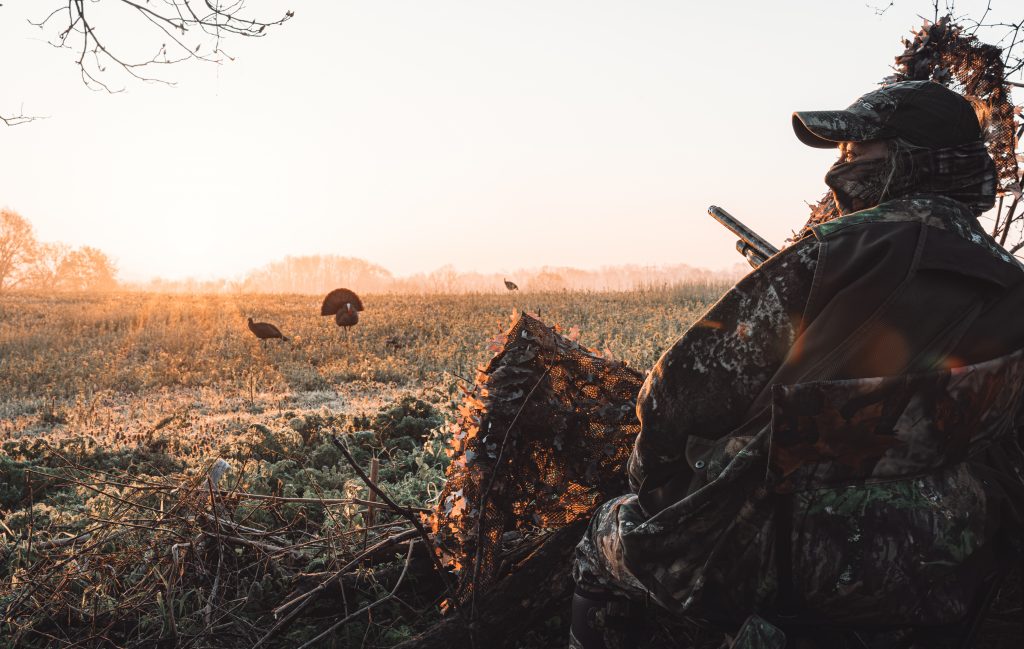
In the field, the best turkey choke is the one that gives you confidence in the moment of truth. Everything happens so fast in that moment when a longbeard steps into range and raises his head to look for the hen he expects to see. You don’t have time to wonder if your setup is capable of sealing the deal; you need confidence.
Confidence also comes from knowing exactly where your shotgun hits at 20, 30 and 40 yards. It comes from seeing the pellet density on paper and understanding what your equipment can do. It also comes from a personal maximum range you’re comfortable with. Do that, and when a spring gobbler finally commits and steps into range, you’ll know your setup is ready.
And that confidence makes all the difference.