Showing Up for Something Bigger at the Annual Cedar River Cleanup
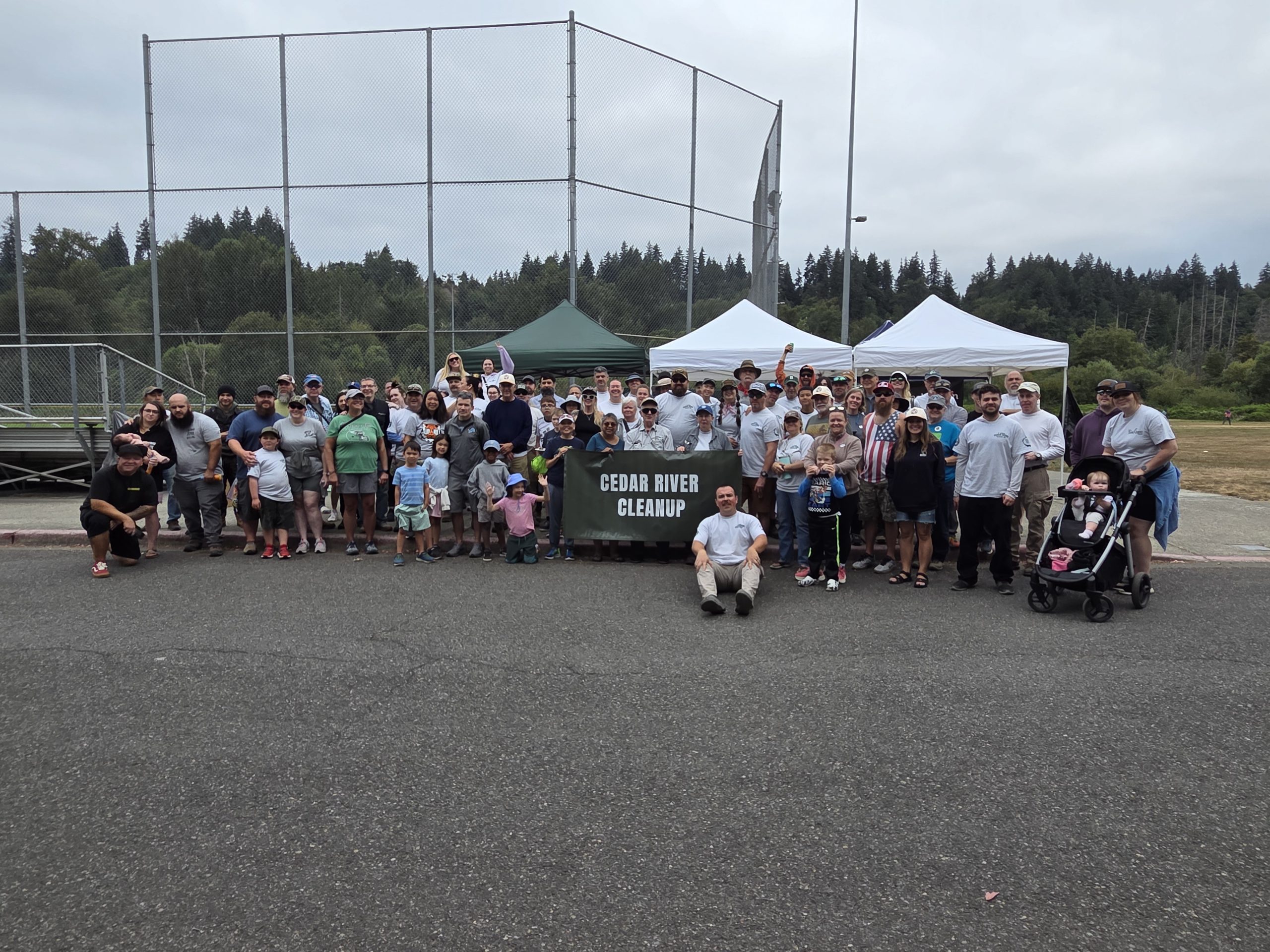
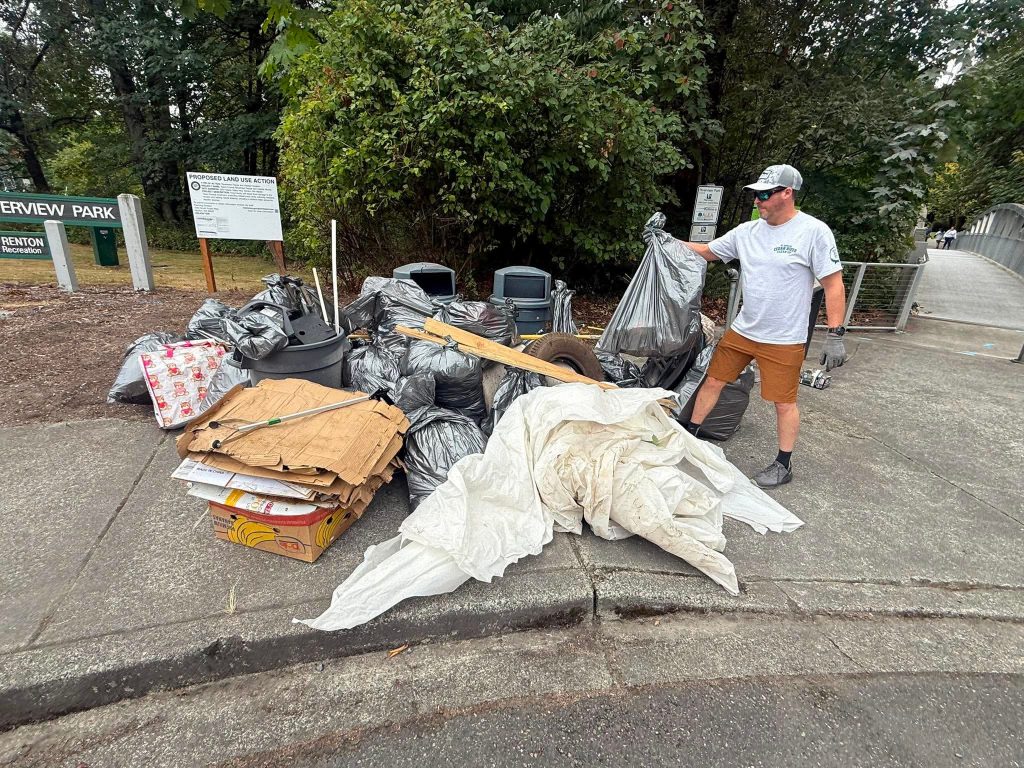
EDGEFIELD, S.C. — Conservation can start with something as simple as picking up a piece of trash. This year, 115 volunteers came together for the annual Cedar River Cleanup, removing enough trash and debris to fill two garbage trucks while covering more than 100 acres of riverfront and park access.
The annual event has become an important community stewardship project for the Washington NWTF State Chapter, bringing together volunteers, families, businesses and conservation organizations to care for the Cedar River and the wildlife and people that depend on it.
The Cedar River flows from the Seattle area into surrounding farmland, serving as an urban fishery and providing habitat and water for fish, wildlife and other species along its path. Keeping the river and surrounding habitat free of litter helps protect those resources while maintaining opportunities for people to fish, explore and enjoy the outdoors. It also helps protect the quality of the outdoor experiences people value. After all, few hunters want to settle in against a tree, waiting for a gobbler to appear, only to find trash scattered through the woods around them. Clean, healthy habitat is part of what makes time outdoors meaningful, whether someone is fishing a river, watching wildlife or pursuing a wild turkey.
The event continues to grow, with more volunteers participating each year and an increasing number of local businesses supporting the effort. This year's cleanup was hosted in partnership with Castaway Junk Hauling and Trout Unlimited, with additional support from local fly shops, a veterinary clinic, Pizza Maniacs and other community businesses.
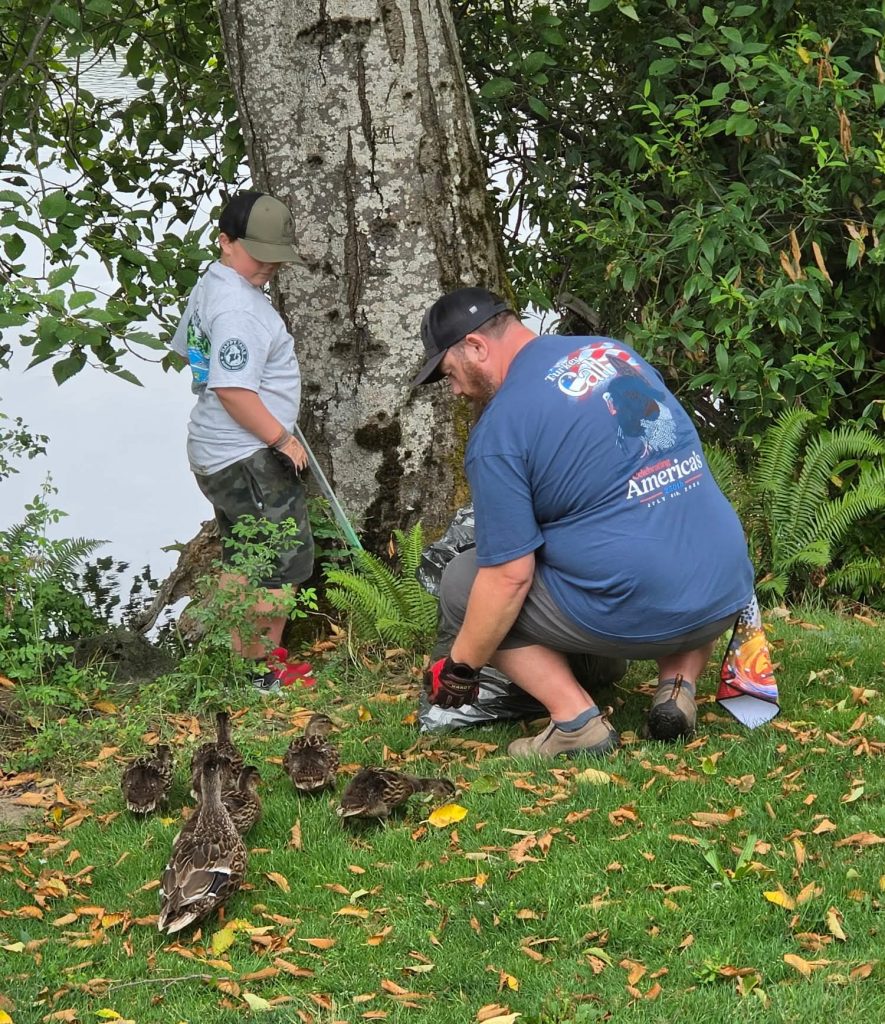
Families have also become an important part of the event. Michelle McDonald, NWTF Washington State outreach coordinator and organizer of the cleanup, said several families brought their children this year to teach them firsthand about the importance of caring for habitat and the consequences when people don't.
“Even though the wild turkey population on the west side of Washington is not the biggest, our chapter stays deeply committed to the Cedar River Cleanup because it represents something bigger than the hunt,” McDonald said. “This project allows us to give back to the land, the wildlife and the communities that support conservation year-round.”
The cleanup also demonstrates how community stewardship projects can introduce new people to conservation. While the NWTF's mission is rooted in wild turkey conservation and preserving hunting heritage, its habitat work benefits entire ecosystems and creates opportunities to connect with people who may not yet identify as hunters or conservationists.
A community cleanup can be an accessible first step. People can participate because they care about clean waterways, enjoy fishing or other outdoor activities, want to give back to their community or simply want to teach their children to take care of the places around them, and they may leave understanding that those values have a home within the NWTF, too.
Projects such as the Cedar River Cleanup are made possible by volunteers who turn conservation goals into action within their communities. Across the NWTF, volunteers organize habitat projects, build partnerships, support local events and give their time to improve the places wildlife and people depend on.
For the Cedar River volunteers, the impact of the cleanup extends beyond the two truckloads of debris removed. Children experienced conservation firsthand, families gave back to their community, and local organizations worked together toward a shared goal.
“If we don't start now and work together now, by the time our great grandkids come around, enjoying the outdoors to hunt and fish might not be here,” McDonald said.
For the NWTF and its partners, the Cedar River Cleanup is one way to ensure those opportunities remain for generations to come — one volunteer, one partnership and one piece of trash at a time.