Smoke Infusion
Smoked wild turkey brings out the flavor of the bird with the proper prep.

Smoking wild turkey might sound like a big, complicated process, but trust me, it’s not. Cooking wild game doesn’t have to be extravagant or overwhelming. In fact, with the right approach, it’s easy to bring out the best flavors of your hard-earned harvest. One of the best ways to smoke wild turkey is by using a pellet smoker. Why? Because it takes the guesswork out of temperature control, infuses the meat with rich, smoky flavor and keeps it juicy throughout the process. Plus, you don’t have to babysit it all day; just set your smoker, kick back and let it do the work.
Preparing the Wild Turkey for Smoking
The process of smoking a wild turkey starts long before it ever hits the smoker, beginning in the field when you start processing the bird. The first decision you’ll need to make is whether you want to keep just the breast meat or fully dress the bird for plucking.
Field to Table: Proper Handling and Storage
If you’re short on time or space, breasting out the turkey is the quickest method. Simply remove the breast meat from the bone, store it in a cooler with ice, and it’s ready for smoking prep when you get home. However, if you want to smoke a whole wild turkey, plucking is the way to go. Though it takes more effort, leaving the skin on helps retain moisture during the smoking process, keeping the meat from drying out and offers a flavorful, crispy exterior.
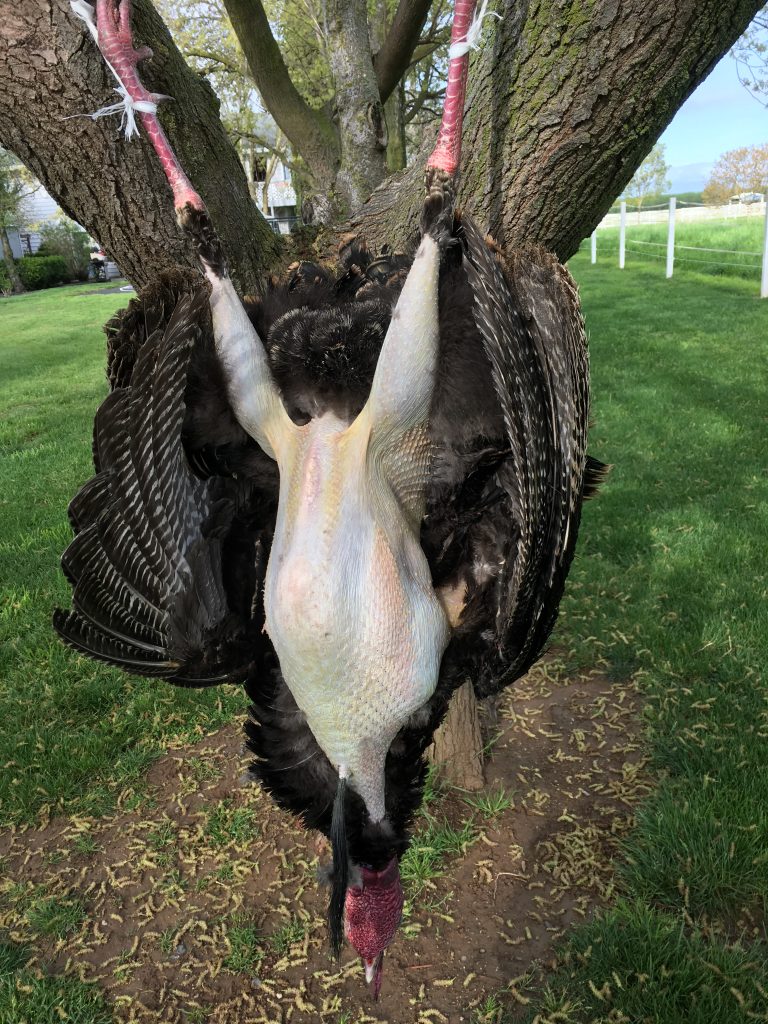
Once processed, it’s crucial to keep the meat cool. If you’re in the field for an extended period, placing the meat in a cooler with ice or cold packs prevents spoilage. When you get home, store the turkey in the refrigerator and use it within a couple of days or vacuum seal and freeze it for later use. If using a frozen bird, ensure you allow enough time to thaw it properly in the fridge, which typically takes about 24 hours for every 4-5 pounds of meat.
How to Smoke the Perfect Wild Turkey
The downside of working with such a lean meat is that it dries out. Keeping moisture locked in can be tricky, but that’s where brining comes in. Brining not only seasons the meat from the inside out, but it also helps retain moisture and improve texture. There are two common methods: wet brining and dry brining. While some hunters swear by a dry brine for venison or waterfowl like goose, I use the wet brine method for wild turkey, as it allows for maximum flavor infusion and moisture retention.
Wet Brine for Wild Turkey
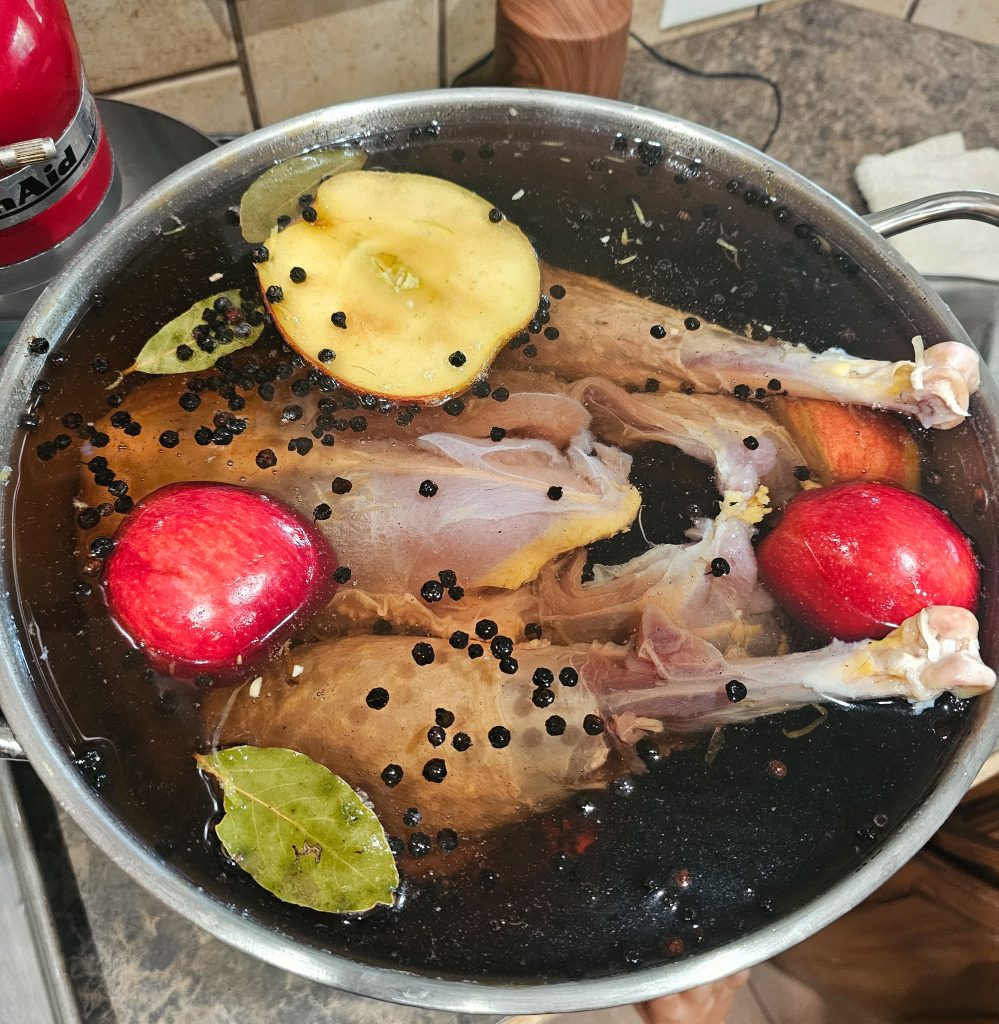
A wet brine is essentially a seasoned saltwater solution that helps tenderize and flavor the meat. The key is striking the right salt-to-water balance: too much salt can overpower the turkey, while too little won’t be effective. A solid starting ratio is 1 cup of salt per 1 gallon of water. For the brining container, you’ll need something large enough to submerge the entire turkey. A stockpot, water bath canner, or even a food-safe bucket works well. Avoid highly acidic ingredients like soda, which can break down the meat too much and affect salt absorption. Instead, stick with natural flavors like citrus, garlic and herbs.
Wild Turkey Wet Brine Recipe
Ingredients:
- 1 gallon of water
- 1 cup salt (kosher or sea salt)
- ½ cup brown or white sugar
- 3-4 bay leaves
- 4-5 garlic cloves, smashed
- 1 tablespoon black peppercorns
- Zest or peels from half a lemon or orange
- Optional: sweet apples, oranges or cranberries for added flavor
- Fresh herbs such as rosemary, sage, thyme, parsley or allspice
Method
- Some prefer to heat the water to dissolve the salt and sugar, but if you do, be sure to let it cool completely before adding the turkey, otherwise, you risk cooking the meat.
- If you don’t choose to heat, simply stir the brine until all ingredients dissolve. Don’t be afraid to get creative with the seasonings.
- Submerge the turkey in the brine and refrigerate for 12 to 24 hours. The longer it sits, the deeper the flavor.
- For best results, brine overnight and start the smoking process the next morning.
Prepping the Turkey for the Smoker
- Remove the turkey from the brine and rinse off any excess salt.
- Place it in a roasting pan and pat it dry with paper towels.
- Use your hands to carefully loosen the skin from the meat and tuck butter between the skin and meat (especially over the breast and thighs). Use unsalted butter to avoid making the turkey overly salty.
- Coat the entire turkey in your favorite seasoning blend, adding salt and pepper to taste.
- Optional: Stuff the cavity with butter, onions, and garlic cloves for extra flavor while smoking.
Smoking the Wild Turkey
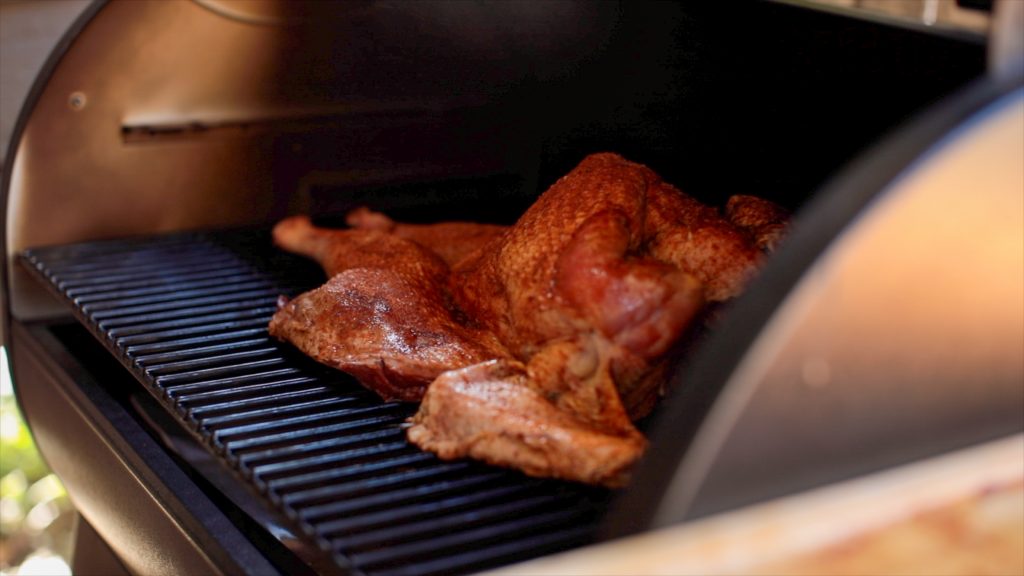
- Preheat your pellet smoker to 250°F and let it warm up for 15 minutes.
- Place the turkey on the grill breast-side up in the roasting pan.
- Smoke the turkey for 4-6 hours, or until the thickest part of the breast and thigh reaches an internal temperature of 165°F. This typically takes about 30 minutes per pound.
- For extra juiciness, baste the turkey with melted butter or apple juice every hour while it smokes.
Resting and Carving
- Once the turkey hits 165°F, remove it from the smoker and let it rest for 20-30 minutes before carving. (Tip: When checking the temperature, avoid touching the bone with your thermometer, it can give you an inaccurate reading.)
- Resting allows the juices to redistribute, ensuring every bite is moist and flavorful.
- Slice, serve and enjoy!
Temperature Tip: The toughest part of smoking a whole wild turkey is managing the different cook times between the breast and the legs/thighs. That is a benefit of using the pellet smoker, it is easier to control the temperature. I use meat probes to monitor each section separately, aiming for an internal temperature of 165°F for safe doneness. Be sure not to let the probe touch bone, as that can give an inaccurate reading. Keeping a close eye on temps helps prevent undercooking the dark meat or drying out the breast.
Smoking wild turkey might take some time, but the end result is worth every minute. I believe it is important to show the “after harvest.” The meat processing, cooking, the consumption, and hunting is how we feed our families. It is more than a pastime; it is a meal on a plate and a full belly. As a hunting mom, that is just as much a reward as the hunt itself.