Speed and Care Equal Great Table Fare
You hunt for a variety of reasons, including an inner urge that has yet to be defined other than being anciently instinctive. Set aside trophies and innate influences, and consider the nutritional value of the hunt. Venison and other wild game provide an organic and renewable staple of energy. For you and your family to enjoy nature’s bounty, take care of it from field to table.
First, be prepared to extricate the bounty from any environment imaginable. Have sharp knives, game bags and nitrile gloves at the ready. Look beyond that ,and prepare coolers and freezer space to hold meat for cooling.
Next, look ahead at the forecast. Heat is your major foe, but even subzero temperatures can raise havoc with meat care, as portions freeze before you can care for the protein abundance.
Speed helps you combat cold and heat alike, but especially in heated temperatures. In any situation where temperatures rise above 40 degrees, speed is essential for delectable flavor later. Above 40 degrees, bacteria grow rapidly as the temperature increases. According to data, it can double in growth every 20 minutes in overly warm environments.
Consequences include foodborne illnesses, spoilage bacteria, yeasts and mold that taints flavor or causes sickness. Do not waste time when you have game down in the field, particularly in warm temperatures.
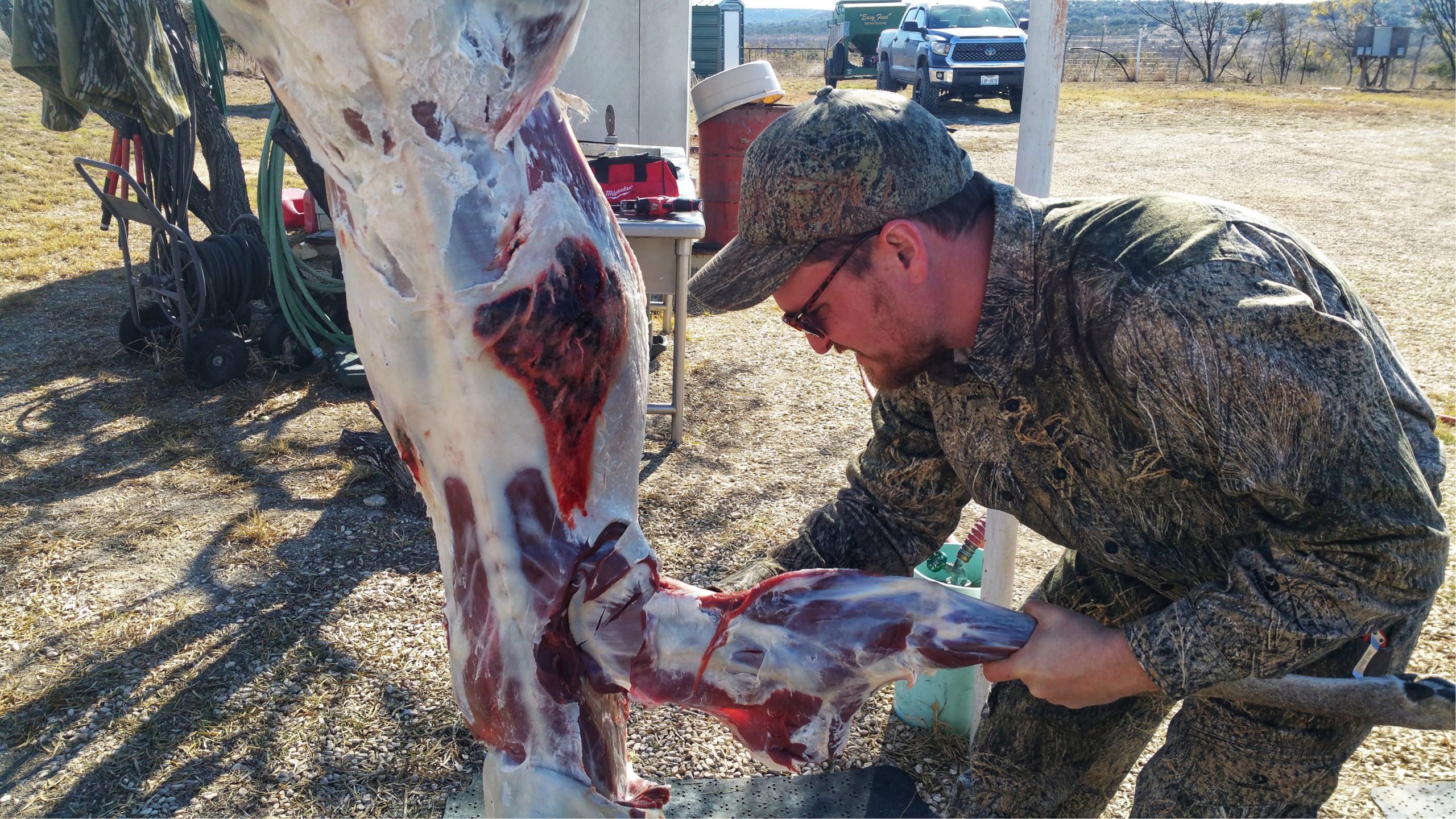
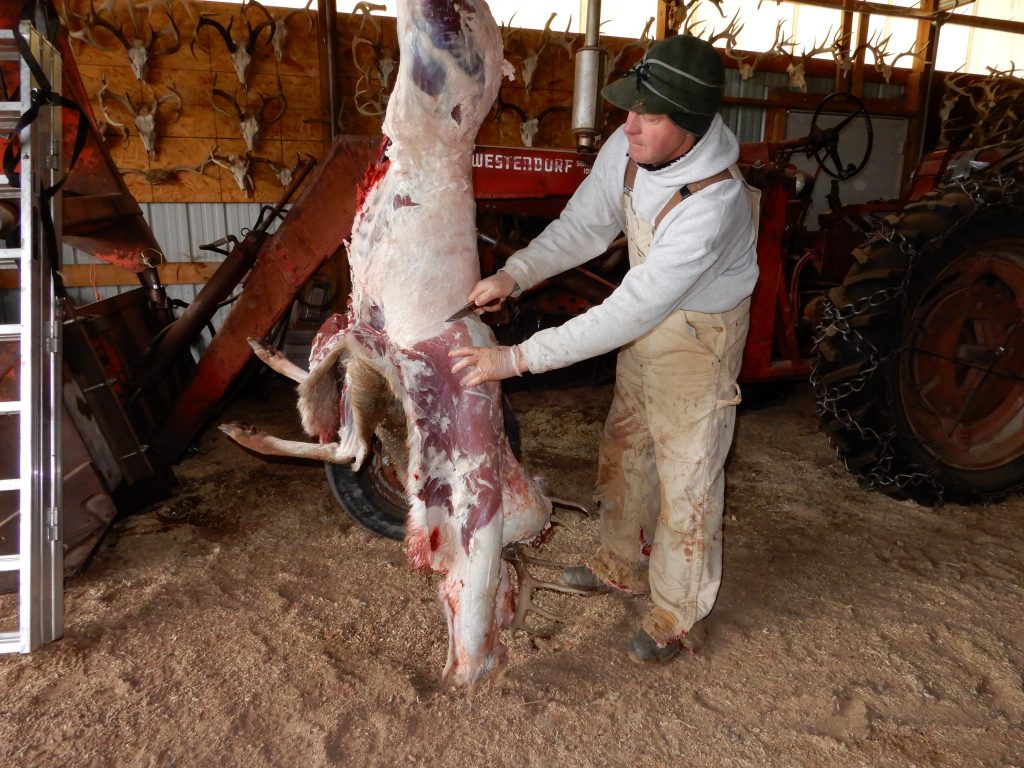
Prompt field dressing of vital organ removal eliminates a huge heat source and allows meat to cool faster. You may wish to leave the hide on to protect meat while dragging or transporting an animal, but in temperatures above 50 degrees, it pays to remove the hide soon after to accelerate the cooling of meat. Some hunts may require you to skin and debone. Game bags become crucial to protect meat from dirt and insects. The open weave of game bags allows air to chill meat as you transport it to your next cooling station.
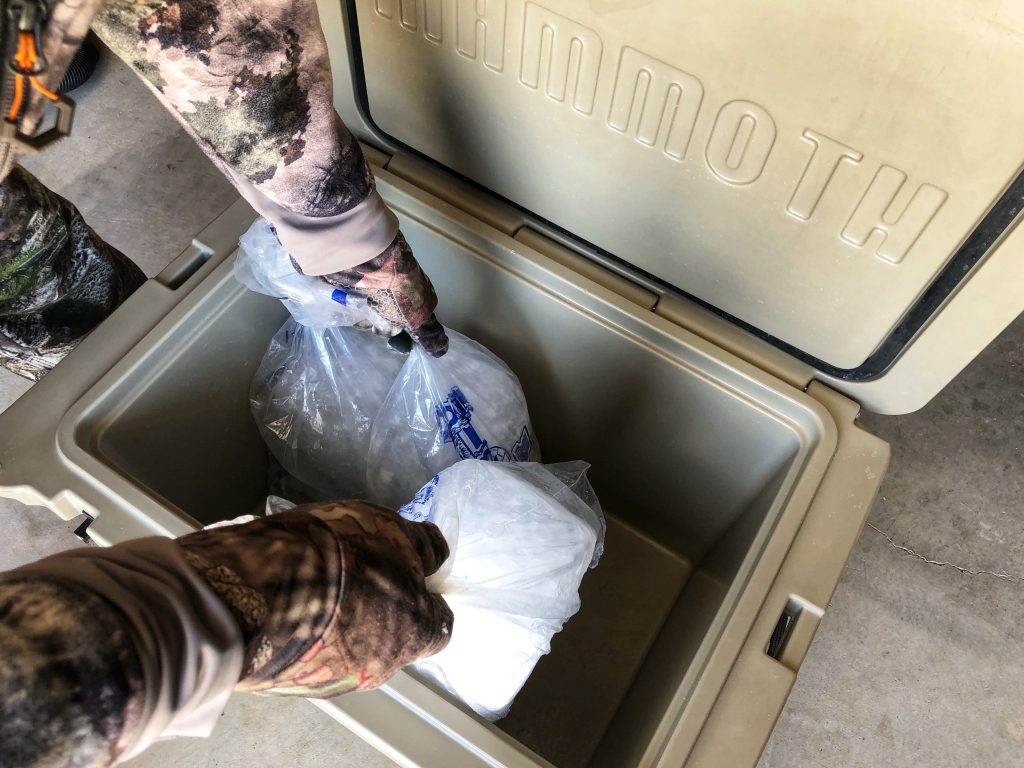
At home or hunting camp, make sure freezers or refrigerators are operational and clean. In cases where electricity is not an option, have coolers ready and stocked with ice. Blocks of ice or frozen milk jugs last longer in hot conditions over the use of bags full of cubed ice. Keep coolers in the shade, covered and unopened to preserve ice longer.
Say you have a 2-hour drive ahead and dealing with an entire carcass in hot weather. It would be better to break the animal down and put portions into an iced cooler, but you can fill the body cavity with ice in a pinch. Tie the cavity shut with rope, cover it to keep the sun off the carcass and do not speed while driving.
In closing, do not tie the animal to the roof or drive around with it exposed in the back of your truck to show your trophy to friends. Get your harvest to a cool receptacle and share your at the dinner table.