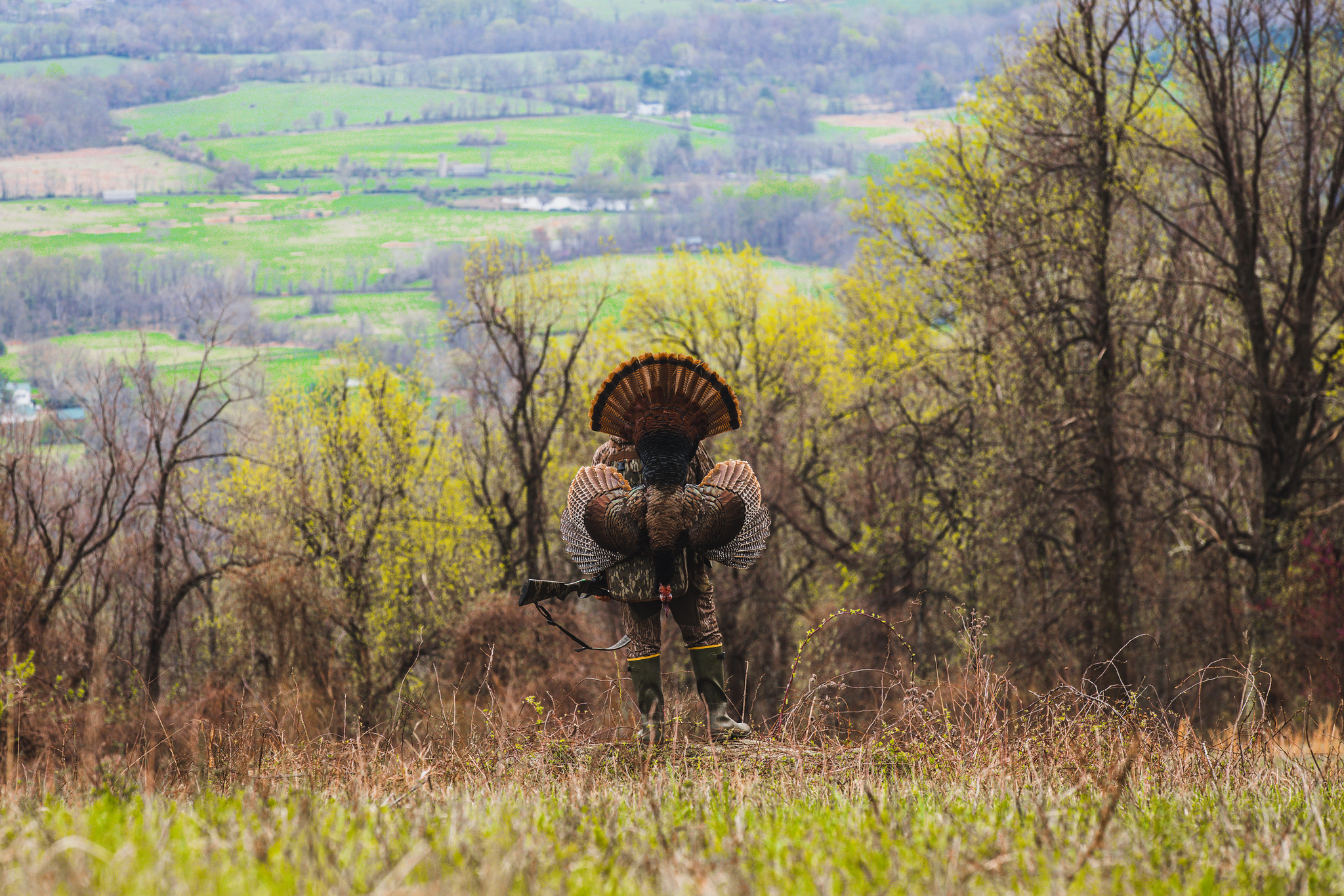
Spring Turkey Hunting in the Northeast
The Northeast is defined by rich forests, wetlands and vast agricultural fields that all change with the seasons, and each month brings a whole new wave of challenges for hunters chasing turkeys in the spring. Understanding how the landscape and the behavior of the iconic Eastern wild turkey change with the seasons is key to a successful hunt.
With such dynamic landscapes, lifelong hunters from the area will answer most hunting questions with a short phrase: “It depends.” So whether you’re preparing for your first season or you’ve been hunting for decades, be sure to surround yourself with people who you can share tips and tactics with and who you can learn from, as there is a lot to consider.
Know Your bird: Eastern Wild Turkey (Meleagris gallopavo silvestris)
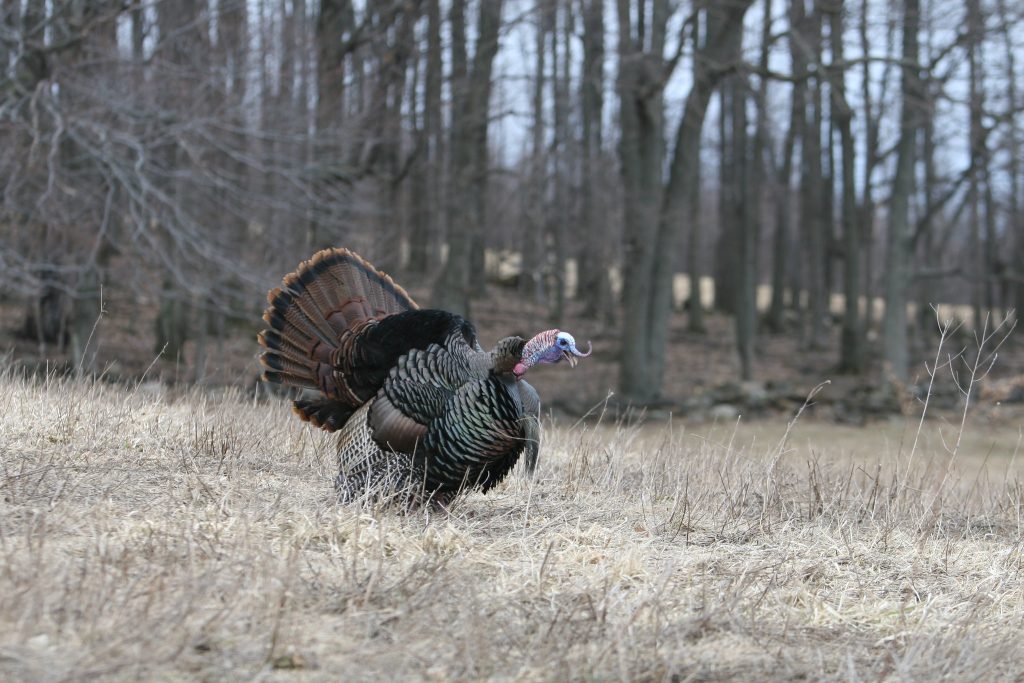
The most widespread subspecies in North America, Eastern wild turkeys are found across the entire Northeast. Known for their loud gobbles and long beards, they’re also among the most pressured and cautious birds.
Identification:
- Chestnut-brown tips on tail feathers
- Black-dominated wings with bold white bars
- Longest beards of any subspecies
- Adult males: 18–30 lbs | Females: 8–12 lbs
- Powerful gobble, but can go silent after fly-down
- Most abundant and commonly hunted subspecies
- Longest Beard: 22.5 inches (Texas)
- Longest Spurs: 2.5625 inches (North Carolina)
In the spring, the season is defined by reproduction dynamics, which means the time of day can be a strong indicator of hen and gobbler interactions. Right off the roost, gobblers may be “henned up” as they breed, but as the morning goes on, hens will go off on their own to lay an egg at their nesting site, leaving the gobbler lonely and more receptive to being bamboozled.
“Being in the woods during that time can offer some dynamite action, as the male birds are looking to connect with hens, and can be more eager to come in to calling,” said Carter Heath, NWTF New England regional director.
Know Your Terrain
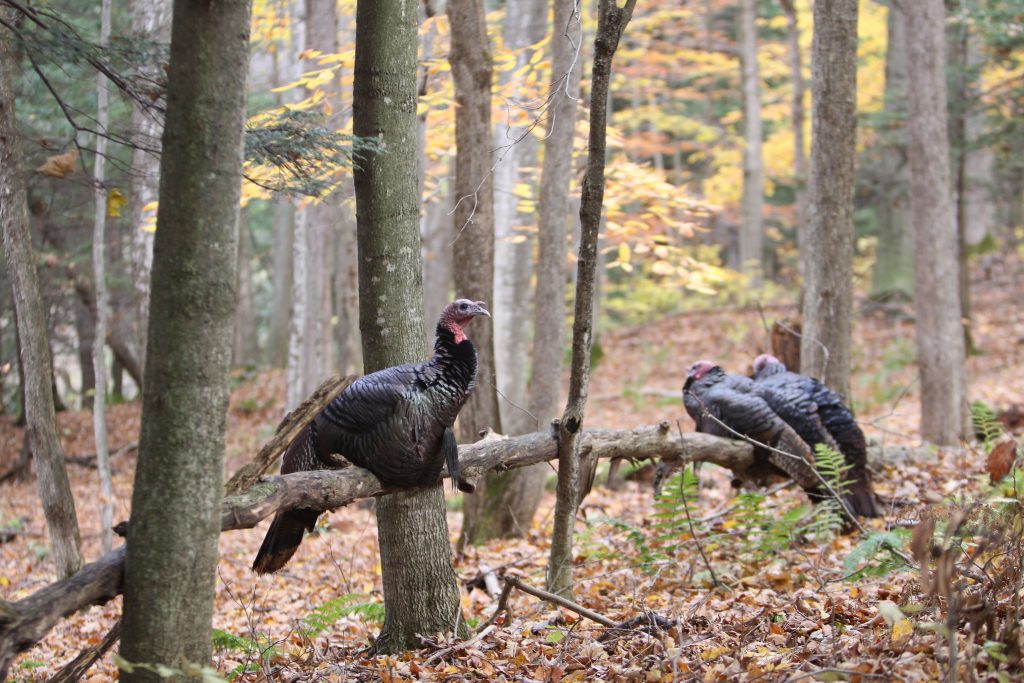
The Northeast is defined by a range of different terrain features, from hillsides of dense forests and farmlands to patchworks of woodlots and fields.
“Know the landscape you’ll be in, study the specific site on OnX, and know your terrain,” said Brett Ladeau, NWTF Grand National Calling Competition champion and NWTF Vermont State Chapter president. “That will help you...recognize and plan for any potential obstacles, and being able to read the land will help inform where the turkeys might be. Learn what turkey signs are, like scratching or dusting. The more you go hunting, the more you’ll learn, so keep trying.”
Turkeys often roost near terrain transitions, such as where hardwoods meet conifers or where ridges break into bottoms. These subtle edges are prime locations for striking up a gobbler.
The edges of agricultural fields or powerline clearings are always good places to find turkeys too, as toms want to be visible and in the open for hens to hear their gobble and see them strut. However, that means there is a better chance they will see you.
“I like hunting more open woods and finding things like rock walls or stocky trees, not to use as a blind, but to keep behind me, so a gobbler might think the hen is behind the rock wall and that’s why he doesn’t see it,” said Doug Little, NWTF director of conservation for the East. “Use the terrain in your set up.”
Hunters in the Northeast should also be aware of 'leaf out,’ or when trees fully regrow their leaves, occurs. During the second or third week of spring gobbler season for many states, the forests fill out rather rapidly, which may help with blending in, but it might change how turkey calls sound.
“Weather also plays a big role in how a hunt might turn out,” Little said. “For example, if it's a rainy day, birds become more predictable. Since they can’t use their keen hearing when they’re in the woods because everything is making noise, they'll come out into open fields.”
Other weather considerations like wind make for a difficult hunt because calls may not be heard. Colder mornings don’t typically impact the behavior of gobblers.
Roosting
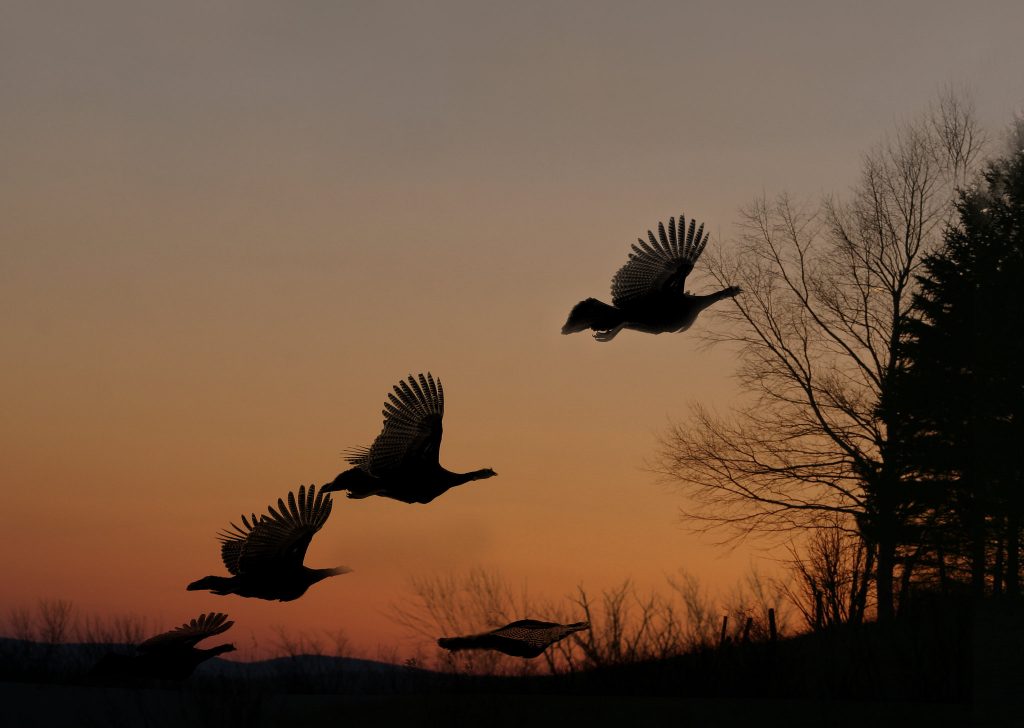
While some hunters will roost turkeys simply by listening for anything from a fly-up cackle to a gobble, others prefer more active roosting tactics, such as using an owl, coyote or crow call to get a response. Some hunters will even use hen calls at night to excite toms who think there will be a hen waiting for them the next morning.
“If I know where turkeys are roosted, I’ll get in well before daylight and set up as close to the roost site as I can, so when they fly down, they’re almost in range,” Ladeau said. “I'll then do some calling. Don't try to set up directly under their roosting tree because you will likely bump them on the way in or they’ll catch movement if you’re fidgety.”
Calling
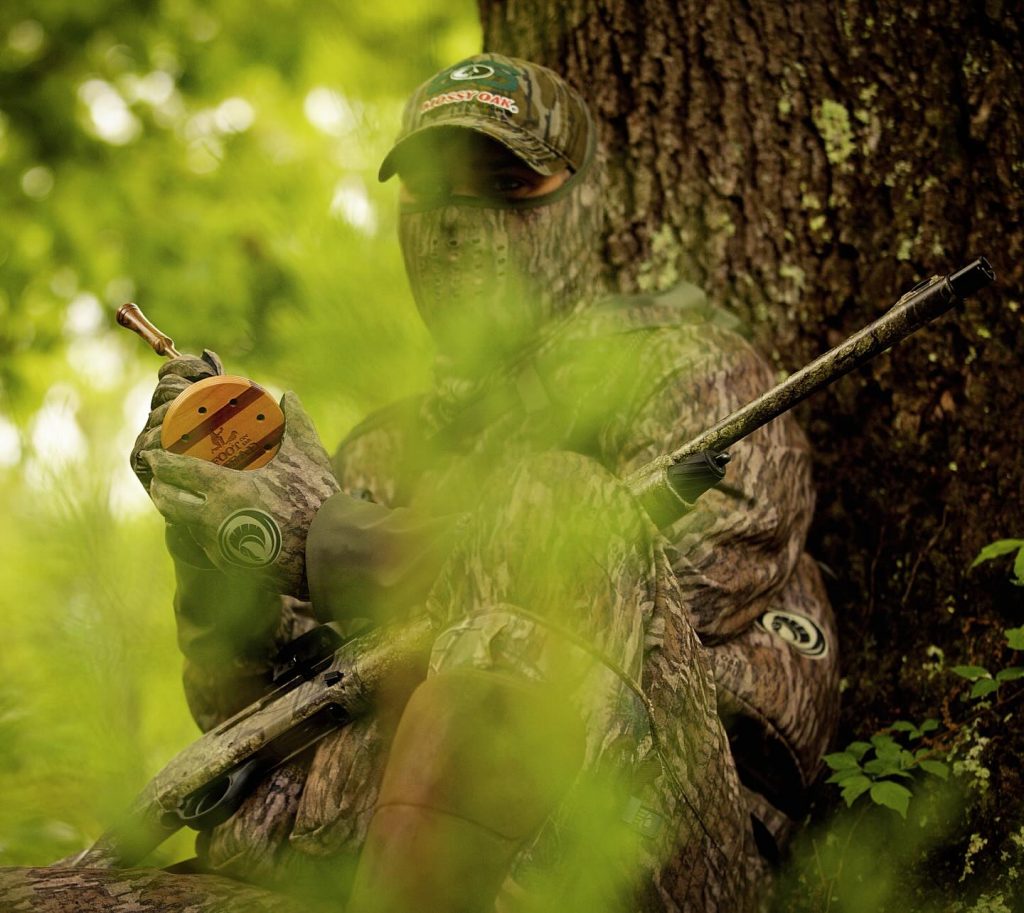
“Calling, to me, is the name of the game,” Ladeau said. “But it is important to remember that there is no perfect turkey call because every turkey will sound just a little different. When you’re just starting out, don’t be afraid to experiment with all the different calls — box, slate or mouth calls — until you find the right call for you.”
How aggressive hunters are with their calling is typically personal preference, with some calling frequently and loudly, while others call softly and wait for a response.
Ladeau suggests starting by calling softly and subtly. If one responds, mimic how they’re calling. If they’re calling aggressively, get aggressive, and if they’re more subtle, imitate that. When you hear a bird getting closer, sit still and maybe even stop calling all together.
When hunting gobblers in the spring, most hunters will be using basic hen calls like yelping, purring, clucks and cutting. Occasionally, it might make sense to use a jake or gobbler yelp to entice a territorial reaction. Don’t be afraid to do some scratching either.
Know When to Move and When to Stay
If you don’t have a bird roosted or haven’t heard any vocalizations, you may continue through the woods until you get a response. Be cautious.
“If it’s a quiet morning, I rely a lot on my previous scouting to move to an area where I've seen turkeys feeding or where I’ve found scratching on the oaks and beeches,” Ladeau said. “Then, I’ll start calling where I've seen turkeys in the past, but if there’s no turkeys answering me, I’ll go looking for turkeys. I know other hunters might sit and wait in areas they know where turkeys will be and call every 15 minutes or so.”
Gear
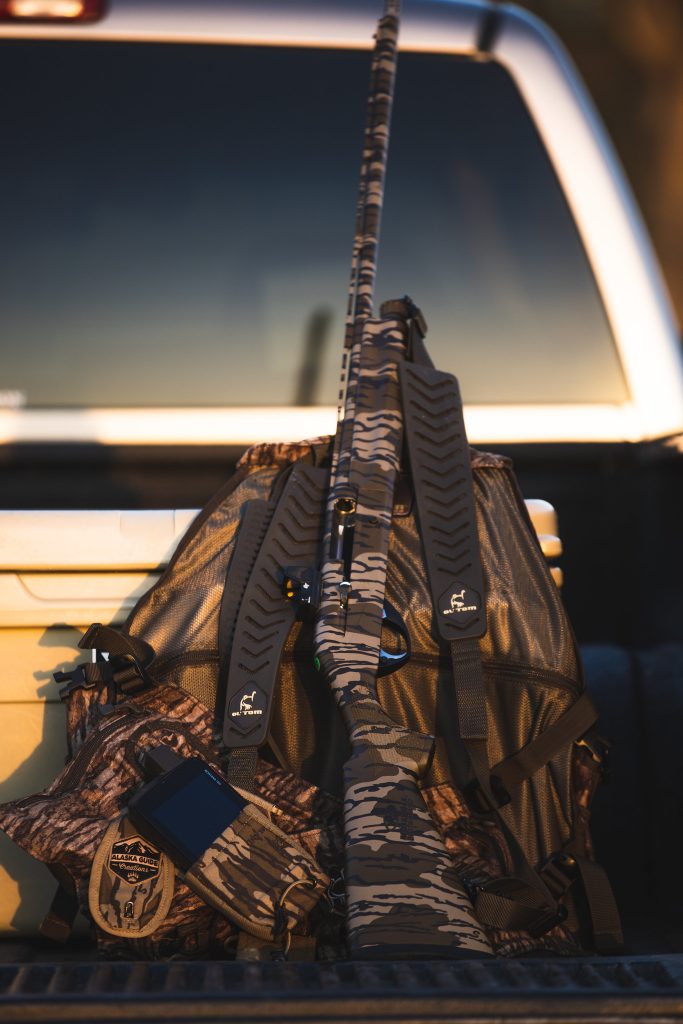
Hunters in the Northeast, as with turkey hunters across the country, will usually carry the essentials in their turkey vest: extra shotgun shells, calls, Thermacell, face mask, gloves, hunting tags, zip ties, rope Sharpie, seat cushion and more.
“Much like fishing, the gear that you tote into the Spring woods is entirely up to whatever fits, your style of hunting,” Heath said. “Some hunters prefer a more minimalist approach and only have a mouth call or two and a shotgun, while others have a fully decked out turkey vest with multiple calls, binoculars, extra gloves, call conditioners, toilet paper and other items for their own enjoyment. One thing to consider is that in the early mornings of spring, dew is usually present, so boots that will keep your feet comfortable and dry are a must. It will be easier to sit still and focus on the hunt if your feet are not wet and cold.”
In addition, with Lyme disease so prevalent in the Northeast, proper tick prevention is a must!
Whether you're a newcomer learning the language of the woods or a seasoned hunter with decades of dawns behind you, success in the Northeast comes down to adaptability, preparation and patience. No two hunts are ever the same, and that’s part of the fun. By understanding the unique behaviors of Eastern wild turkeys, reading the terrain and fine-tuning your tactics with each season, you’ll put yourself in position to fill some tags.