Stretching Funds to Meet the Need
The NWTF has turned $1 million into more than $30 million in five years to improve riparian habitats for wild turkeys and wildlife through the Waterways for Wildlife Initiative.
An NWTF focus on leveraging resources and solidifying partnerships to tackle important riparian conservation projects is yielding impressive financial results. Over the last five years, NWTF biologists and regional leaders have helped to convert nearly $1 million of federation investment funds into almost $33 million. Much of this success derives from the generous support of partner groups that are willing to contribute in a big way to NWTF’s Waterways for Wildlife Initiative, a landscape-scale campaign in the Great Plains stretching from the Dakotas to Texas.
“We have to find ways to stretch our limited funding, and our team has become really good at it,” said Jared McJunkin, NWTF’s director of conservation operations for the Central Region. “It is absolutely necessary for the important work we’re doing with the program. Improving waterways can be expensive.”
Waterways for Wildlife projects began in 2022 and will continue until 2032. The goals include revitalizing 1,500 miles of streamways and improving 75,000 acres of riparian habitat. Projects are scattered across a 10-state region, from Montana and North Dakota southward to New Mexico. Progress is being made. By the end of 2026, 279 miles of streamways and nearly 50,000 acres of riparian habitat will have been improved through the program.
Native grasslands are among the most endangered landscapes in America. Healthy streams and riparian areas are essential to their health. Waterways only constitute 1.5% of the Great Plains, but 70% of the region’s wildlife depend on them and their adjoining riparian areas. Sadly, hundreds of streamways on the Great Plains are suffering following decades of increased water demands from agriculture, dry weather patterns and widespread invasions of non-native plants and trees.
Building on Success
Waterways for Wildlife builds upon another NWTF program that was dedicated to protecting and improving the region’s waterways and wildlife. The federation’s 2007-2021 Northern Plains Riparian Restoration Initiative is a true conservation success story. More than 83,000 acres of riparian areas across the Dakotas, Wyoming and Montana were enhanced, setting a tremendous precedent.
“With the sunset of that program, we took the initiative of adding six more states,” said Clayton Lenk, NWTF’s biologist for North and South Dakota, plus Minnesota and Wisconsin. “We’ve had important, long-standing partners for 15 to 20 years. They’re coming to us (for more projects) because of the successes we had with the initial program.”
Now, with 20 years of experience in improving waterways, the NWTF’s conservation team has learned how to best balance value with solid, lasting results.
Waterway Health
David Nikonow is NWTF’s district biologist for Colorado, Montana and Wyoming. Nikonow explains that the eastern parts of all three states are naturally arid. Healthy waterways have become increasingly rare, he noted, but that’s changing. His region leads in the number of Waterways for Wildlife projects, with 40 on the books.
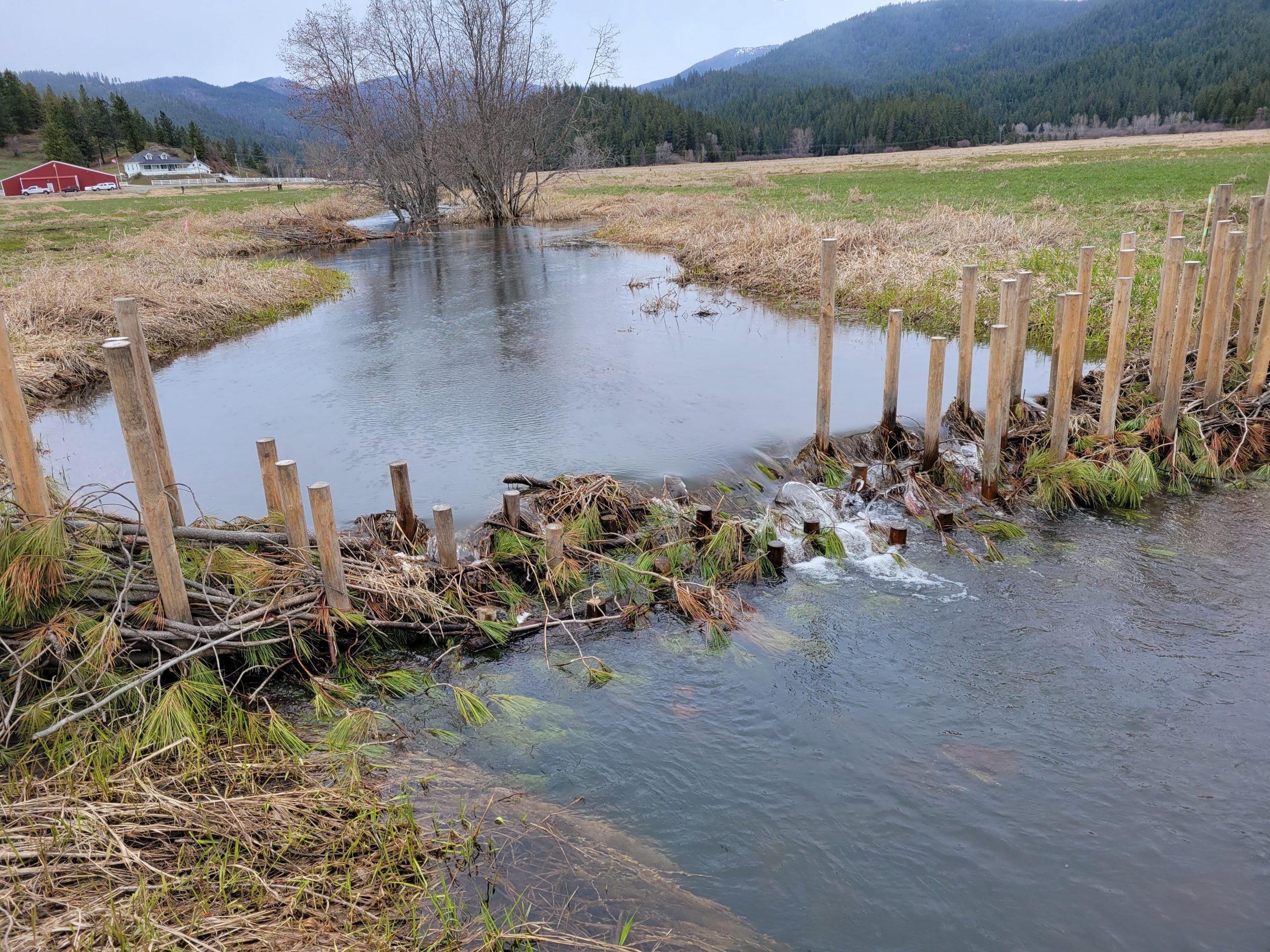
“Probably our most common project, in my three states, has been building beaver dam analogs,” Nikonow said. These are faux dams, usually consisting of solid, vertical posts interwoven with natural materials, like limbs, mud and rocks. “They’re a low-tech restoration that we know can produce some pretty big results,” he said.
Investment Funds
In New Mexico, NWTF District Biologist Chuck Carpenter is confident an upcoming project with the U.S. Bureau of Land Management to remove 3,000 acres of invasive saltcedar will benefit a long stretch of the Pecos River. Carpenter said a single saltcedar tree uses up to 200 gallons of water a day and releases chemicals into the soil that keep native plants, like cottonwood trees, from growing.
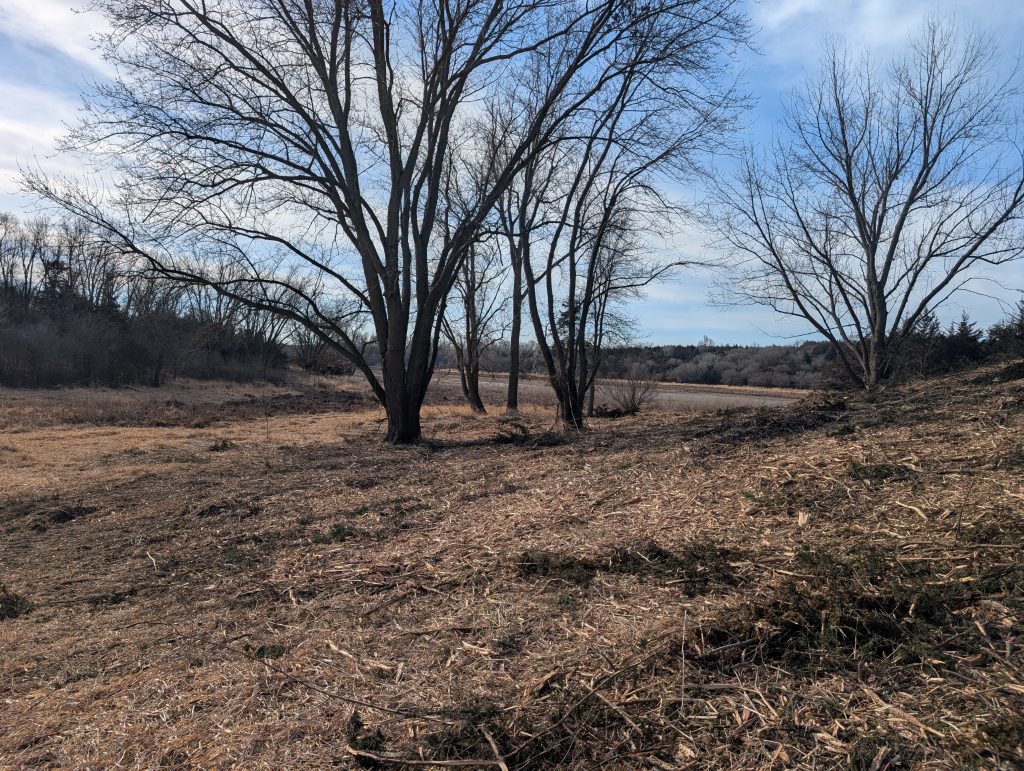
The eastern red cedar is a native tree, but its removal has been part of several projects. Like saltcedars, eastern red cedars crowd out more useful native plants and consume a lot of water. Historically, the occasional wildfire kept these cedars from reaching problematic sizes and densities. Jungles of towering cedars found along streamways, though, can fuel fires that burn high and hot, fierce enough to kill the mature cottonwood trees wild turkeys need for roosting.
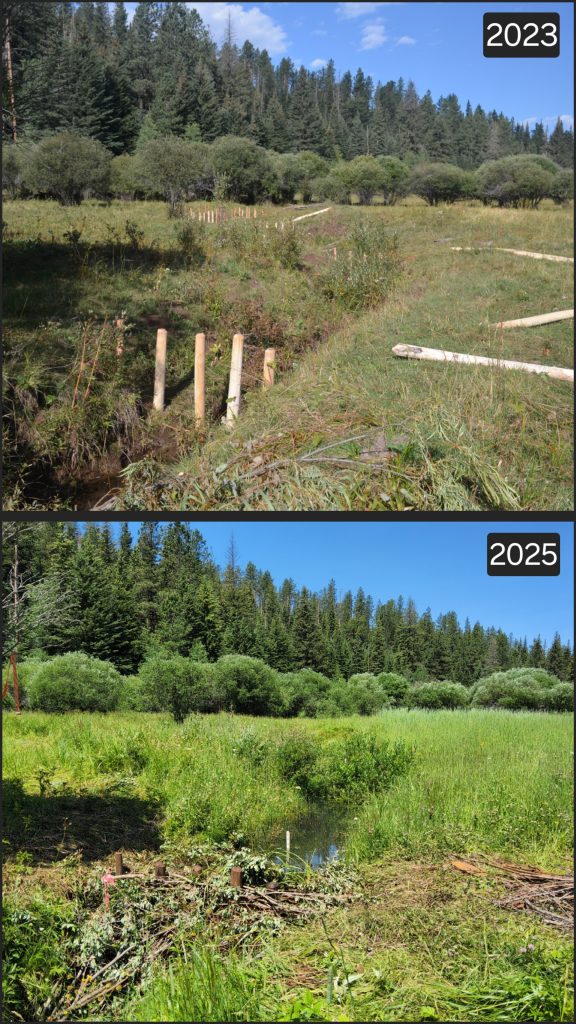
Cottonwoods are often planted following the removal of the invasives, with the aim of creating vital roosting trees for future generations of wild turkeys.
Fencing areas from livestock is another practice. This safeguards growing, young trees from being eaten and it protects stream banks from getting trampled, which can cause erosion.
Project successes are sometimes evident in just a few days. Streams that had rare or intermittent flow begin to carry water again when invasives are removed. Wildlife, including wild turkeys, are quick to repopulate the improved habitats along the streamways.
Projects Lining Up
McJunkin said the growing pool of project applicants ranges from private landowners to federal agencies such as the Bureau of Land Management and the USDA Forest Service. Major conservation groups, like Ducks Unlimited and Trout Unlimited, have become partners.
Projects that increase wild turkey populations and benefit other species of wildlife, including fish, are desired. Selected projects, hopefully, also benefit area farmers and ranchers, and provide better water quality for all citizens.
Project selection is an annual process (see sidebar), with countless hours to discuss projects and evaluate their potential to improve waterways and riparian conservation. Annie Farrell, district biologist for Nebraska, Kansas, Texas and Oklahoma, is part of this review effort and she explained that the staff members assess “how their expertise can help a project and, of course, what projects can get the highest matching amounts.”
“High match rates speak volumes about our partners, their dedication and the projects they are developing,” McJunkin noted. “We evaluate what represents a worthwhile investment for our NWTF membership, especially those who support us at local banquets and other important fundraising activities. Our members and sponsors are vital participants in conservation initiatives like Waterways for Wildlife.”
You Can Help
Interested in donating to projects that improve water quality and quantity for wildlife and enhance our watersheds and riparian habitats for wild turkeys? Contact the NWTF Development Department at development@nwtf.net for more information.