Sustainable, All Natural and Exciting
As store-bought meat prices rise, nature’s grocery store still provides nutritional meals.
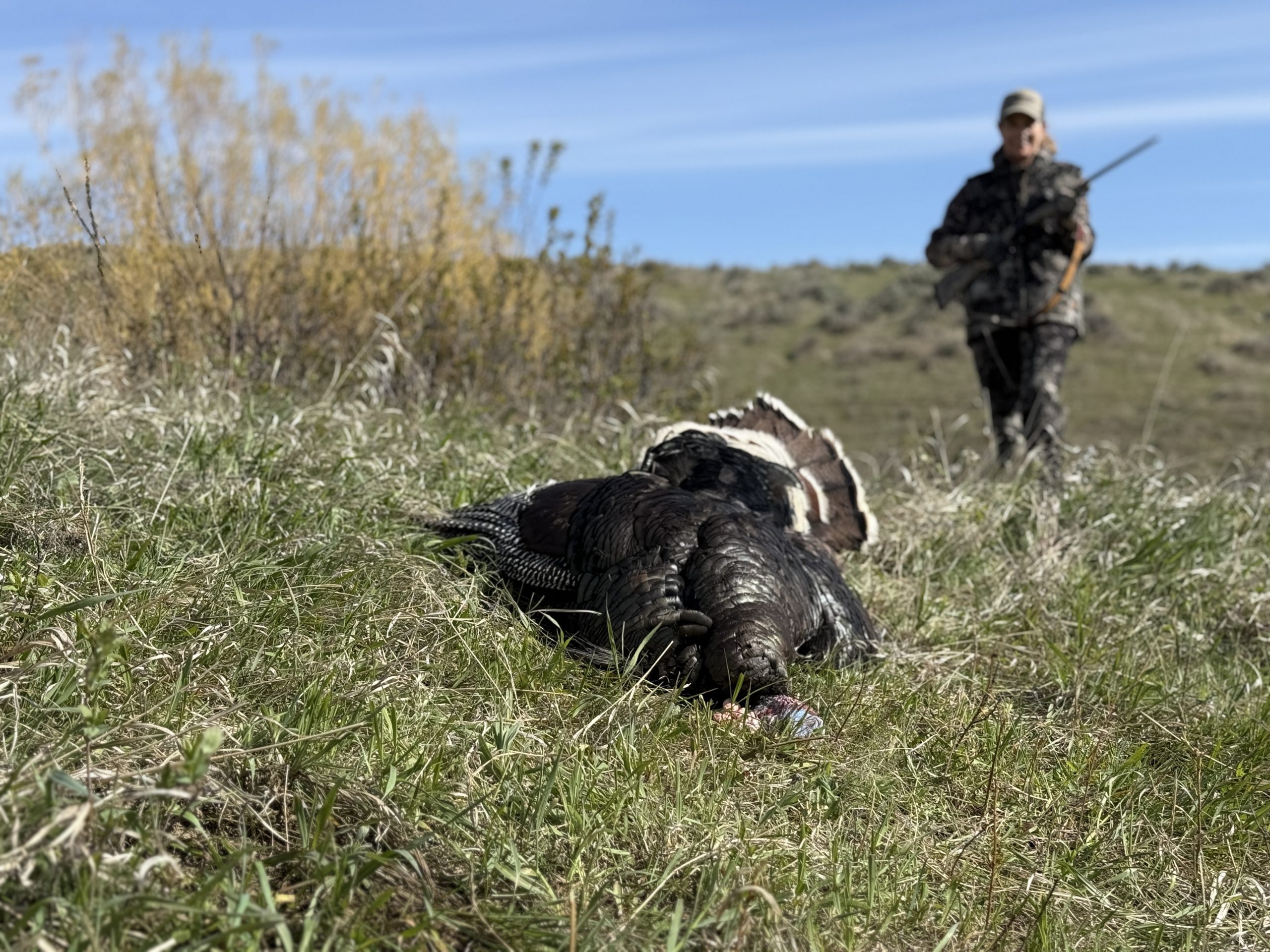
Recruiting new hunters should be every veteran hunter’s goal. You do not have to enlist an army of new hunters during your lifespan (but if it inspires you …); nevertheless, whenever you see an opportunity to ignite a hunting interest in a potential recruit, fire away. One aspect of hunting that helps in arousing interest in new hunters, instinctive passion aside, is the natural quality of the wild game acquired.
You’ve read the headlines and seen the marketing at your local grocery store or farmer’s market. All-natural, sustainable, organic, chemical-free, free range and other adjectives describe food free of a processed creation. Younger Americans and health-driven older individuals, appreciate food options with fewer additives and a natural-world foundation. When the longest beard, largest rack and hunting camp memories are not a driving force for some new hunters today, you can sell them on the results of success: organic table fare.
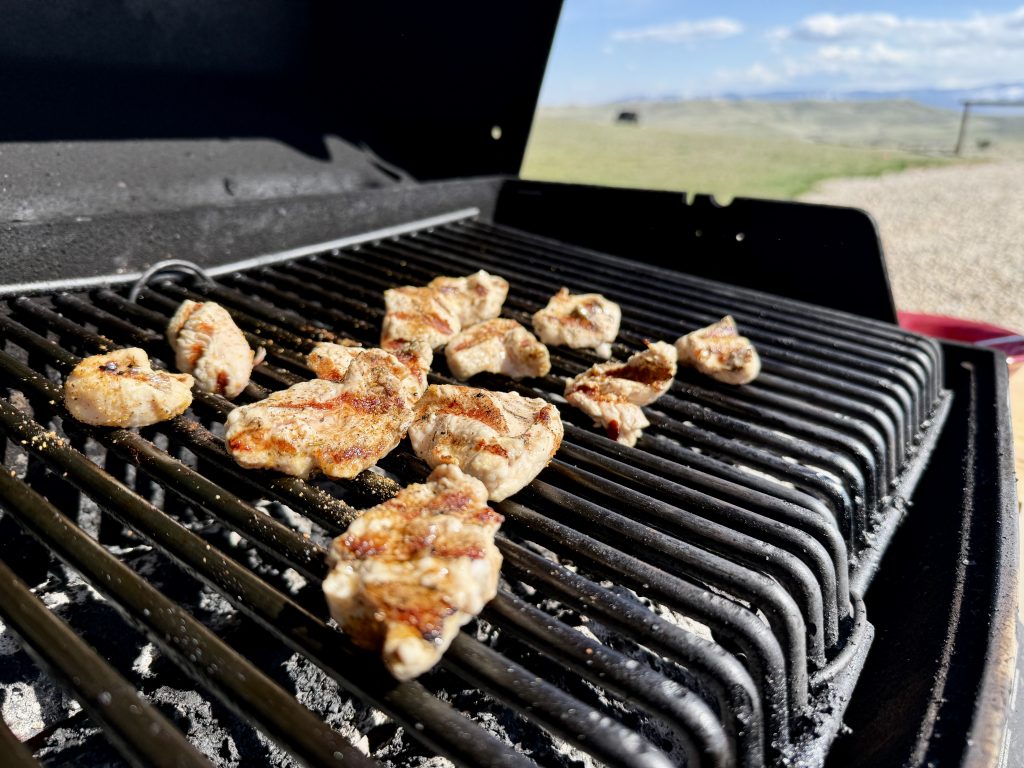
We all appreciate the hard work of our agricultural production community to feed the masses. Nevertheless, the possibility of adding an all-organic option to the protein category sits well with many generations. Start off with that selling point first if you happen into a possible new hunting recruit. When you get that individual into the field, the rest will come naturally. Few can clearly describe the instinctive drive to hunt. That element of hunting arises on its own from the adrenalineinduced nature of hunting. But the appeal to provide more organic stock to the pantry could be the initial lure for a newcomer.
Is It Really Safe and Organic?
In this modern world of chemical farming and livestock supplements to increase growth, wild game does stand out as a wholesome alternative. Even so, a few chemicals do find their way into the natural world as noted in an NWTF online article from March 2025. PFAS, the acronym for per- and polyfluoroalkyl substances, could even illicit a “Do Not Eat” advisory on rare occasions. According to the Environmental Protection Agency, these chemicals, more than 12,000 variations, do not deteriorate, thus the reason they are nicknamed “forever chemicals.”
They exist in water, soil, air and thus food sources. Maine, Michigan, New Hampshire and Wisconsin have had regions with these advisories on deer venison with one exception for wild turkeys in a small area in Maine. State agencies test wild turkeys for PFAS, finding nothing alarming, and the Federal Drug Administration tests food products and does not consider them to be a danger aside from the areas noted.
Most other dangers from wild turkeys can be alleviated by simply not eating a turkey acting oddly before shooting it and examining it after the shot. Always wear protective gloves while field dressing and if it appears emaciated, disheveled or overall unhealthy, do not eat it. Report it to your state wildlife agency. While cooking, heat it thoroughly to 165 degrees to kill any possible bacteria and confirm with a meat thermometer.
With that advisory aside, enjoy the benefits of wild game, especially wild turkeys.
How Wild Fare Fares Against Farm Produced
Wild turkeys lead a cagey lifestyle, always trying to survive. Farm-raised turkeys lead a more lackadaisical lifestyle, always trying to make room at the dining table for more meals. A more active lifestyle and on the hunt for their next natural meal separates much of the nutritional differences between how wild and farm-raised turkeys differ. Here are a few comparisons with the wild turkey information coming from the U.S. Department of Agriculture and the farm-raised information coming from a comparison of several online turkey recipe websites.
Considering a serving size of between 3-3.5 ounces, you can expect to consume approximately 109 calories from the wild turkey as opposed to 160 calories from a skinless slice of commercially raised white meat. The fat content differs from 1.1 grams on the wild slice to 7 grams on the Butterball. Add another 2 grams of saturated fat on the barn bird. Protein is almost the same at approximately 25 grams. Cholesterol in milligrams is 48 in wild compared to 82 on a domestic bird per slice. Sodium is fairly equal at 67 milligrams each. In brief, fat is higher, cholesterol more and a higher number of calories arrives from a storebought bird. You also receive important iron, calcium, magnesium, phosphorous, potassium, zinc and other trace minerals and vitamins from either option.
And since most hunters pursue deer, the benefits also abound for a diet aided by venison. The popular cooking magazine “A Taste of Home,” illustrates the differences between 3 ounces of venison and beef. Like wild turkey versus the grocery store version, 3 ounces of venison only has 135 calories compared to beef at 165 calories. Fat for the two servings is 3 grams for venison and 6 grams for beef. When you compare lean beef to venison for cholesterol, it’s nearly 80 grams for each but cholesterol increases if you do not purchase lean beef. Protein again is slightly higher in venison at 26 grams for venison compared to 24 grams for beef. A real shocker is when you see that a serving of venison can provide you with 50% of your daily iron requirement. Additional research shows it’s loaded with a variety of vitamin B including B2 and B3 to aid in metabolism regulation. Venison also provides a needed boost of B6 and B12 noted to reduce heart attacks and stroke.
Hunting Healthy
So, whether you add a wild turkey or a whitetail to your freezer, a healthy meal lies ahead that includes a more favorable subset of nutritional benefits. In addition to an organic main course, your hunting license and taxes from hunting gear fund conservation efforts. You also receive the benefit of added exercise acquired during the hunt. So, sell hunting to others whenever possible. It’s good eats for a continued hunting future.