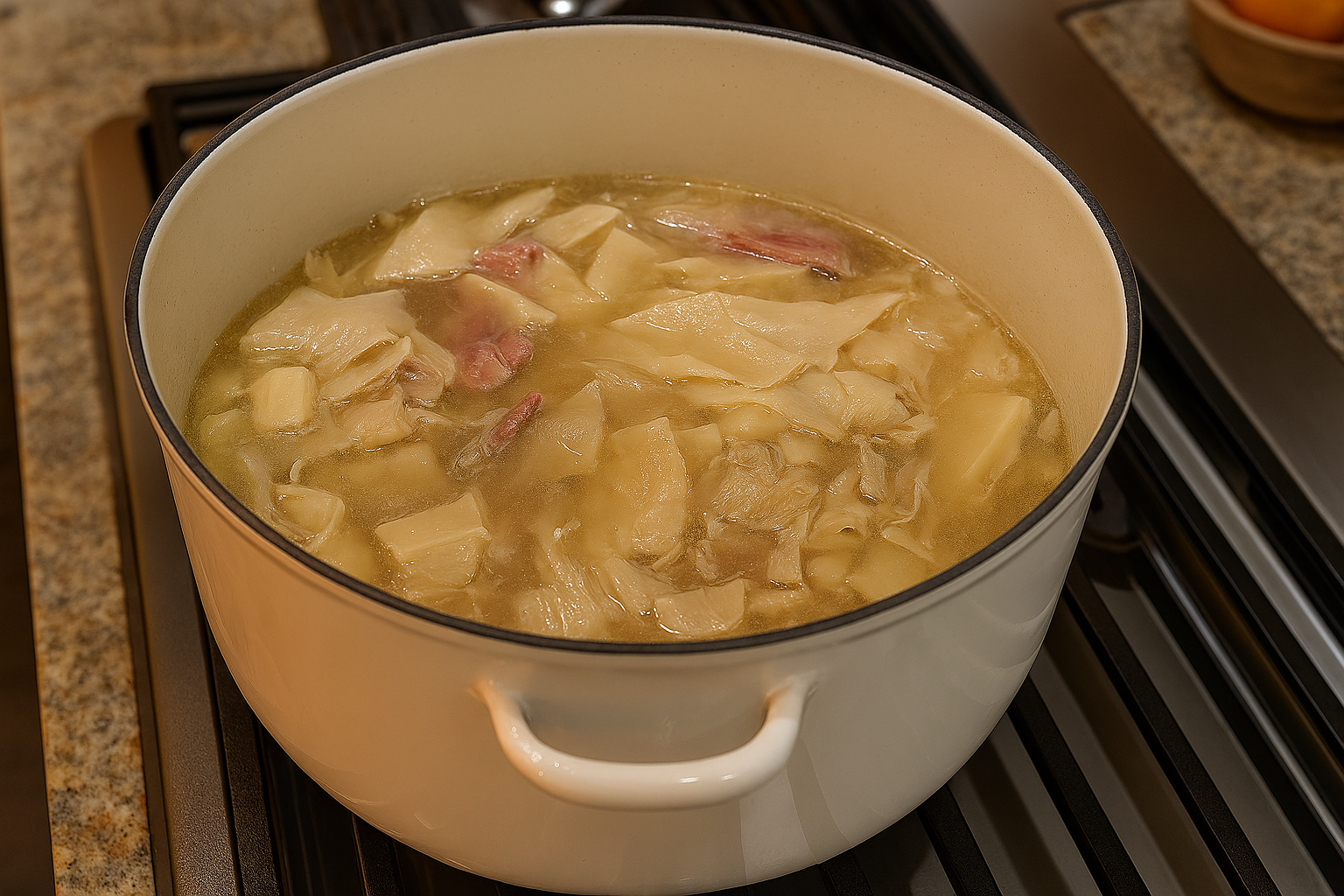
Swamp Cabbage
Swamp Cabbage is a great side dish when enjoying wild-game-inspired meals.
For a number of years, I have traveled to Levy County, Florida, to chase wild turkeys in one of the more northern zones where the Osceola subspecies inhabits. On my visits there, the landowner, Skipper, has often talked about whipping up a dish for our group that he simply calls “swamp cabbage.”
While time hadn’t previously permitted it, and the name itself didn’t sound particularly appealing, this year we made sure we got a chance to try it.
Now, Skipper never told me about the roots of this dish, but upon doing some of my own research I found out some neat information.
Swamp cabbage is a dish made from the heart of the sabal palm, which is the state tree of Florida. The use of sabal palm as an ingredient goes all the way back to the indigenous tribes of the state and was later adopted by early European settlers who relied on local ingredients to provide sustenance.
As the heart of the palm requires the tree to be chopped down, Skipper said they don’t prepare the dish all that often, outside of the spring and the more winter months, when they make it with “swamp mullet and mullet roe.”
Though the dish prepared by Skipper was stewed heart of palm with bacon, providing a wonderful side dish for our venison steaks and baked potatoes, he mentioned that other places use the palm to make a variety of other dishes including salads, coleslaws and more.
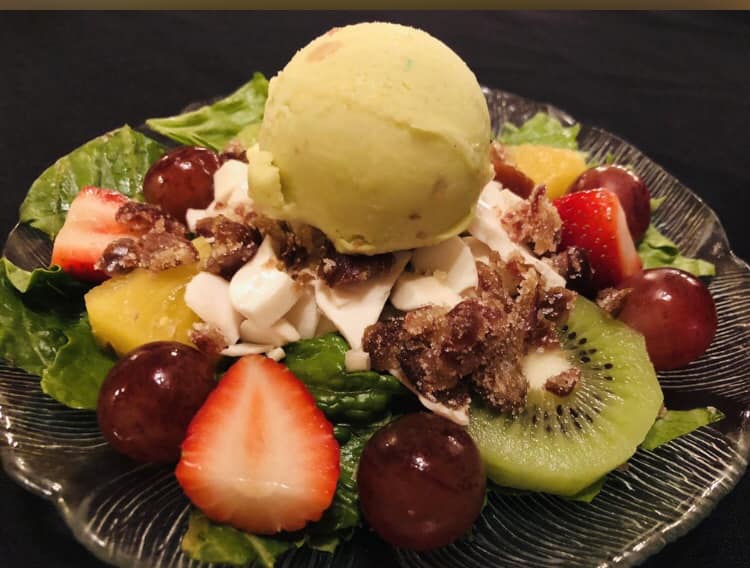
Skipper also mentioned that a local restaurant in nearby Cedar Key was known for their heart of palm salad, which featured lettuce, dates, peaches, pineapple (or other seasonal fruit) and a lime sherbet “dressing” with peanut butter mixed in.
The following recipe is based on the hefty portions that were prepared by Skipper while at our Osceola turkey camp. What was cooked up filled the better part of a very large stock pot.
Note: To make this on a smaller scale and not have to down a sabal palm, you could easily use two 14-ounce cans of heart of palm and also reduce the bacon amount to just 2-3 strips.
Ingredients
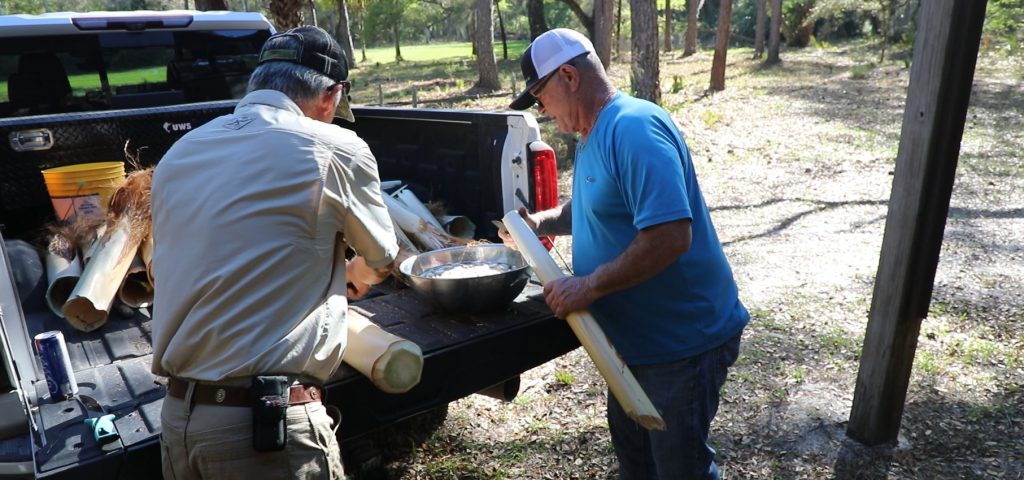
- 4 hearts of sabal palm trees cut or broken into smaller pieces
- 1 pound of bacon
- Salt, pepper and sugar to taste
Instructions
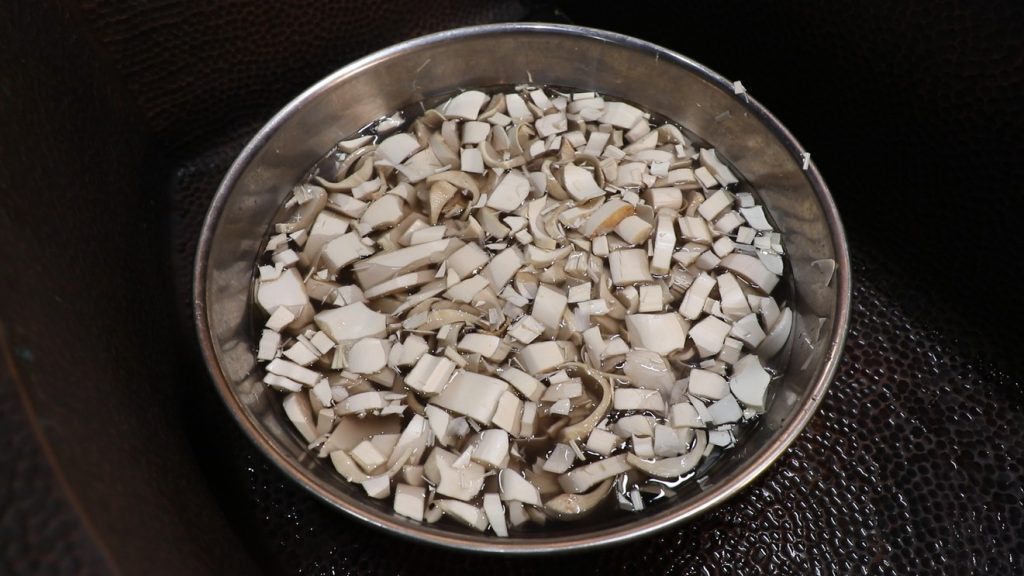
- Peel and cut hearts into small into small pieces, noting to remove pieces that are still fibrous as they will bring a bitterness to the dish.
- Soak heart of palm pieces in water.
- While palm is soaking, cut up 1 lb of bacon into smaller chunks and begin to brown.
- Add palm pieces, 3-4 cups of water and turn down the heat to allow dish to simmer.
- Season to taste and serve hot.
Enjoy!