When They Won’t Gobble: Silent Tactics for Pressured Spring Gobblers
There’s a point in every spring season when the woods go quiet. The first week may have been electric. Birds hammered from the roost, strutted through every opening, and seemed willing to run to the first yelp they heard. Then the pressure builds. Trucks stack up at every access point. Owl calls, crow calls and box calls ring out before daylight. Hens get bred and mature gobblers get educated.
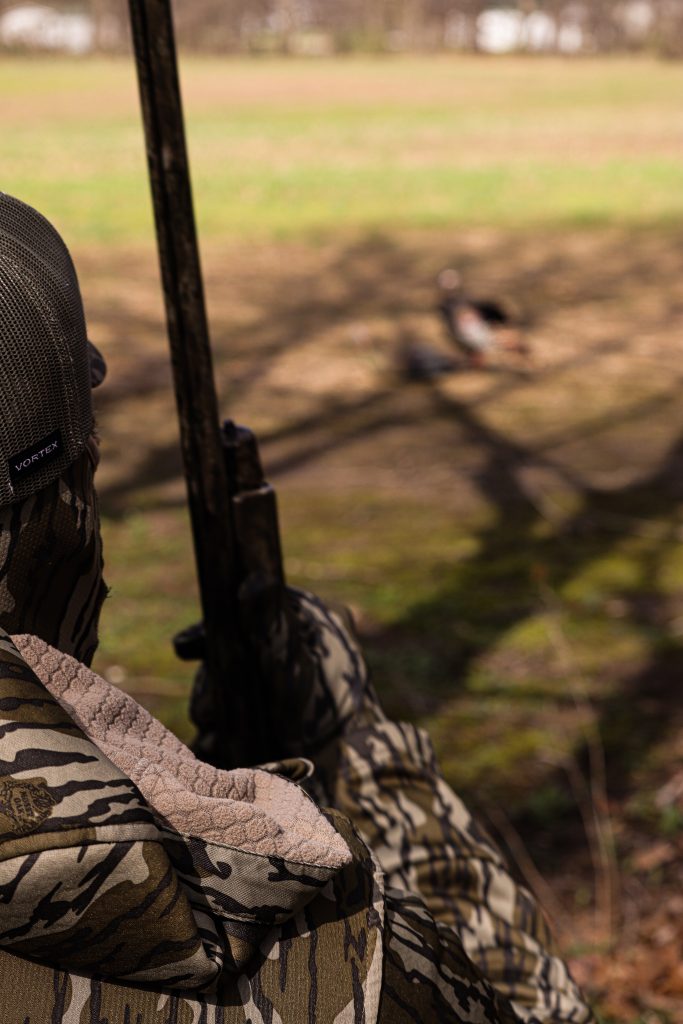
Suddenly, those same birds that were vocal and reckless turn cautious and silent. A lot of hunters respond by calling more, moving more and trying to force the action. In my experience, that usually makes pressured gobblers even harder to kill. When they won’t gobble, the answer often isn’t more noise, it’s smarter tactics built around patience, positioning and restraint.
Understand Why They’ve Gone Silent
Silent gobblers aren’t always gone. They’re often still doing exactly what turkeys do: moving, feeding, checking hens and traveling predictable routes. They’ve just learned that every loud hen in the woods seems to be sitting beside a tree with a shotgun.
Older toms especially adapt quickly. They may gobble once on the limb and then hit the ground without another sound. They may circle downwind in silence. They may approach slowly, using terrain and cover to stay hidden until they can see the “hen.” This means you can’t hunt them the same way you hunt an eager two-year-old in the season opener.
Win the Setup Before You Make a Call
When birds get pressured, set up matters more than your calling skill. Instead of relying on a gobble to pinpoint a bird, start focusing on sign and movement patterns. Fresh tracks in muddy roads, droppings along field edges, scratching in hardwoods, dusting bowls and strut marks all tell a story. Turkeys are creatures of habit, especially when pressured. They often use the same travel corridors, logging roads, creek crossings, ridge spines and openings.
If you know where a gobbler wants to be, you don’t need him to announce himself. Set up where he naturally travels, not where it’s convenient for you to sit. That might mean slipping into a narrow timber funnel, a shaded field corner or the downwind side of a ridge where birds like to ease through midmorning. Great positioning turns a silent bird into a killable bird.
Call Less Than You Want To
Most hunters overcall pressured birds. A gobbler that’s heard aggressive cutting and nonstop yelping for two weeks often associates that sound with danger. Minimal calling is usually more effective. Soft tree yelps, light clucks, subtle purrs or a single plain yelp sequence can be enough. Then do the hard part: put the call down.
Let the bird hunt for you. Silence creates curiosity. If he heard a hen and now can’t locate her, he may drift your way to investigate. Constant calling lets him track your exact position and gives him less reason to move. Some days I’ll make three or four small calling sequences in an entire hour. That restraint kills more pressured gobblers than fancy calling ever will.
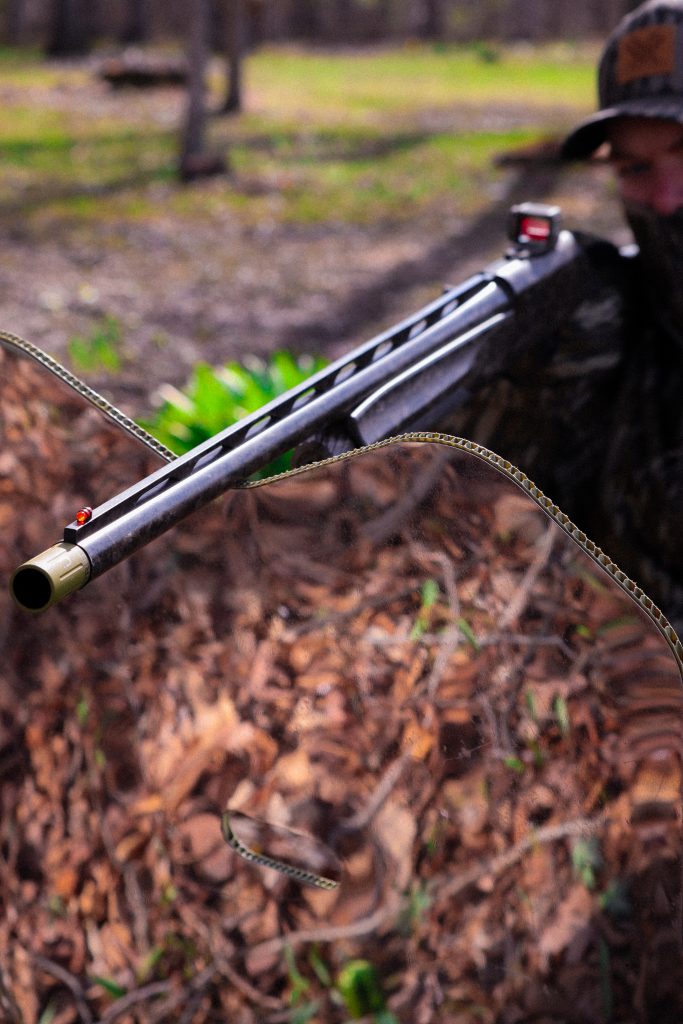
Use Time to Your Advantage
Patience is deadly in spring woods. Many hunters leave by 9 or 10 a.m. after the early gobbling dies. That’s often when pressured birds become vulnerable. Hens go to nest. Human traffic fades. Gobblers that spent dawn following hens start cruising alone and quietly. If I know birds are using an area, I’m often happier sitting from midmorning into noon than chasing distant gobbles at daylight.
Stay alert. Silent birds have a habit of appearing without warning. One minute the woods are empty. The next minute a red head is inside 40 yards. If you’re fidgeting, scrolling your phone or packing up too early, you’ll miss those chances.
Let Terrain Work for You
Pressured gobblers love to use terrain to their advantage. They’ll crest ridges slowly, hug creek bottoms, skirt field edges, and use brush lines as cover. Use that same terrain against them. Set up where the bird must expose himself before he can see your position. A bench below a ridge top, a logging road bend, a gap in a fence row or the inside corner of a field can all force a tom to step into range before he can see the hen. Avoid wide-open setups where a gobbler can stand at 80 yards, scan the area, and leave. Make him commit.
Trust What You Can’t Hear
One of the biggest mistakes hunters make is assuming silence means failure. A gobbler doesn’t have to gobble to be huntable. Many of the best birds killed each spring never make a sound on the ground. They slip in quietly, cautious but curious, looking for one mistake. Your job is to be there first, call sparingly, stay longer, and trust the setup. When they won’t gobble, don’t panic. Slow down. Think like an old tom that’s survived every loud hunter in the county. Because sometimes the quietest mornings end with the loudest flop.