Taking Leftovers: Hunting the Toughest Pressured Turkeys
When the relatively easy gobblers are gone after the opener, hunters can face difficult prospects. Here’s how to fill those tough tags.
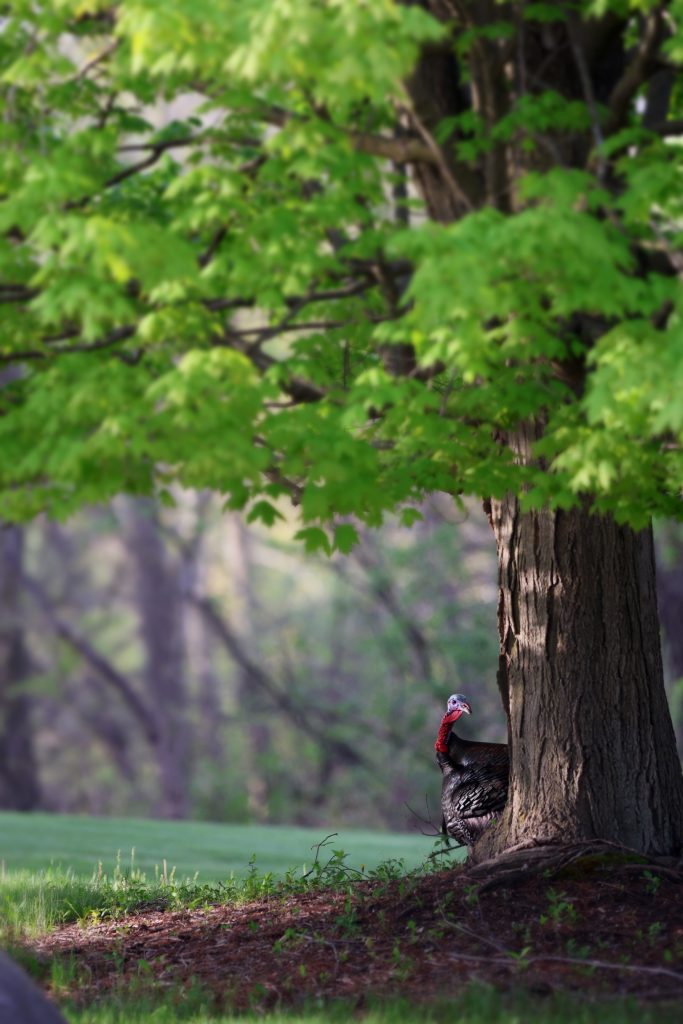
Great turkey hunting invites often begin like this: “Man, I have access to this place that’s never been hunted … .”
Sounds great. And if you receive an invite like that, take full advantage. But those don’t roll around every season. In fact, most turkey hunters have to share ground with other folks, whether it’s at a lease, on public land or even permission ground. And because of that, we often hunt leftovers — turkeys that weren’t killed during the opening-week onslaught and have likely been negatively influenced by other people.
That makes hunting tougher, but it’s not impossible. In fact, by fine-tuning your mindset and tactics, you can sometimes enjoy great success with those leftover gobblers. Let’s examine a few ways to fill a tag when faced with some common scenarios.
Altered States
Every turkey hunter has dueled a gobbler that’s been bumped, spooked, missed or otherwise boogered to the point that it changes its habits and location somewhat. Heck, most folks encounter several of these tough, experienced turkeys each season, especially if they hunt public land.
The conventional playbook for pressured public turkeys is to get as far as possible from roads and other access sites, ostensibly removing other hunters from the equation and letting you hunt birds that have seen less pressure. That’s good advice, but with modern mapping apps, lots of public-land hunters seem to explore farther nowadays, complicating matters.
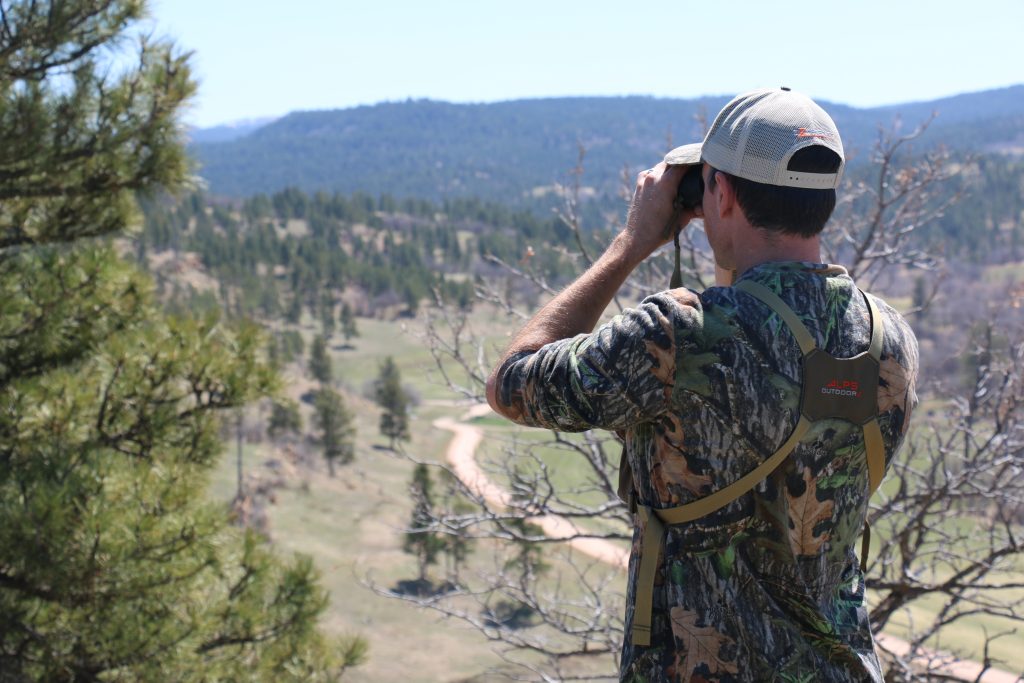
Try this: Gain an intimate knowledge of your hunting area, and keep daily tabs on the patterns of gobblers. Knowing where birds roost, strut, travel and loaf will put you farther ahead than blindly hiking to the property line. Use that knowledge to formulate common-sense setups. Also, try to hunt when competition might be lighter, like late in the morning, during afternoons or, if possible, weekdays.
In addition, avoid making assumptions about leftover birds. Hard-hunted turkeys are still turkeys, and they strut, breed, feed, loaf and communicate like any other turkey. You can call to them like other birds, but keep in mind that good soft calling is often more realistic and effective, especially in the likely scenario that pressured birds have probably heard a glut of loud yelping and cutting.
In my experience, pressured public-land turkeys answer calling and gobble fairly well at times, but they generally do not finish well. That is, it often takes something extra — a perfect setup, more patience, ultra-realistic soft calling or a nifty move — to put them in range. Otherwise, they might approach but stop short. Think as you hunt, and emphasize woodsmanship to put yourself in position.
Messing It Up Yourself
Often, hunters create pressured turkeys via their own mistakes, whether it’s carelessly flushing a bird on a logging road, pushing too close to a roost or yelping one in and then whiffing. Those spooked birds might act somewhat differently for a while, but because you know their history, you can adapt. Veteran hunters change their approach and present something new to gobblers they’ve pressured, hoping to avoid repeating that turkey’s previous experience.
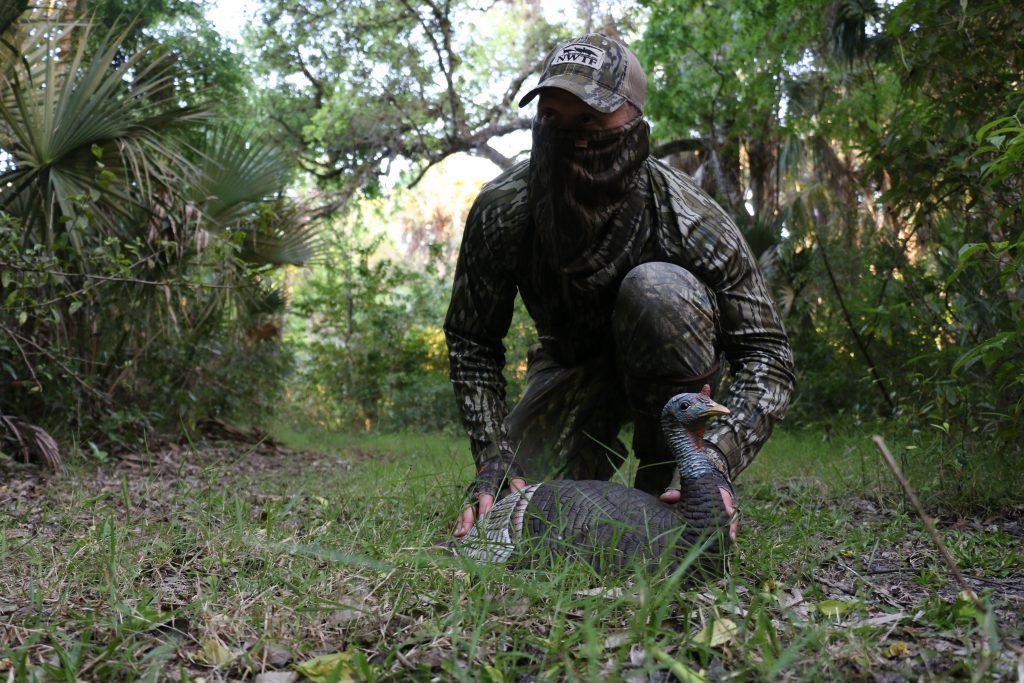
Let’s say you call a gobbler onto a pretty oak flat but miss him. Give that bird a day or two to calm down, and keep an open mind as you try him again. Sometimes, as mentioned, spooked birds might relocate somewhat and avoid areas they frequented previously. But sometimes, they don’t. Watch and listen carefully to determine the habits of a spooked turkey, and hunt accordingly.
After you have good scouting intel, approach the turkey from a fresh direction, and choose a different type of setup. Switch your calls to give the turkey a different sound. The gobbler might still be receptive, but odds are he won’t want to revisit the spot and scenario where he got spooked. If you stay abreast of his habits and don’t give him déjà vu, you have a good chance of tagging him.
The Mythical Unkillable Old Gobbler
Sometimes, a pressured turkey gets the reputation of being unkillable. Often, it’s a bird that gobbles on the roost every day from the same general area but then disappears after fly-down, or a henned-up turkey that might answer calling consistently but never leave his girls.
Those turkeys are tough, but you can kill them. It just takes some work. Years ago in Florida, friend Pat Reeve and I tried to work a swamp Osceola surrounded by hens. The turkey would gobble now and then but never got serious about committing. After we struck out for the umpteenth time, I said something like, “That turkey cannot be killed.” Reeve scoffed. “Sure you can kill him,” he said. “You just need to figure out where he likes to go and how he likes to get there.”
Sage advice, for sure. And I’ve put it to use on many tough birds since. If conventional setup and calling methods fail with a problem turkey, I fall back and try to learn as much about the bird as possible — his roosting habits, where I’ve seen or heard him at various times of day, and likely travel routes to and from roosting, feeding, strutting and loafing spots. Then, I try to piece together a plan.
When I have good roosting intel, my first move is to attempt to slip as close as possible to that site in the dark well before flydown. Then, I simply wait until birds awaken, determine the turkey’s location and then see where he goes when he pitches down. If I’ve guessed correctly, he might land 25 steps away. If not, I at least try to track his movement away from the roost and use it to slip closer the next day or perhaps set up in his travel path. Sometimes, it might take a few days to really nail down a turkey’s habits.
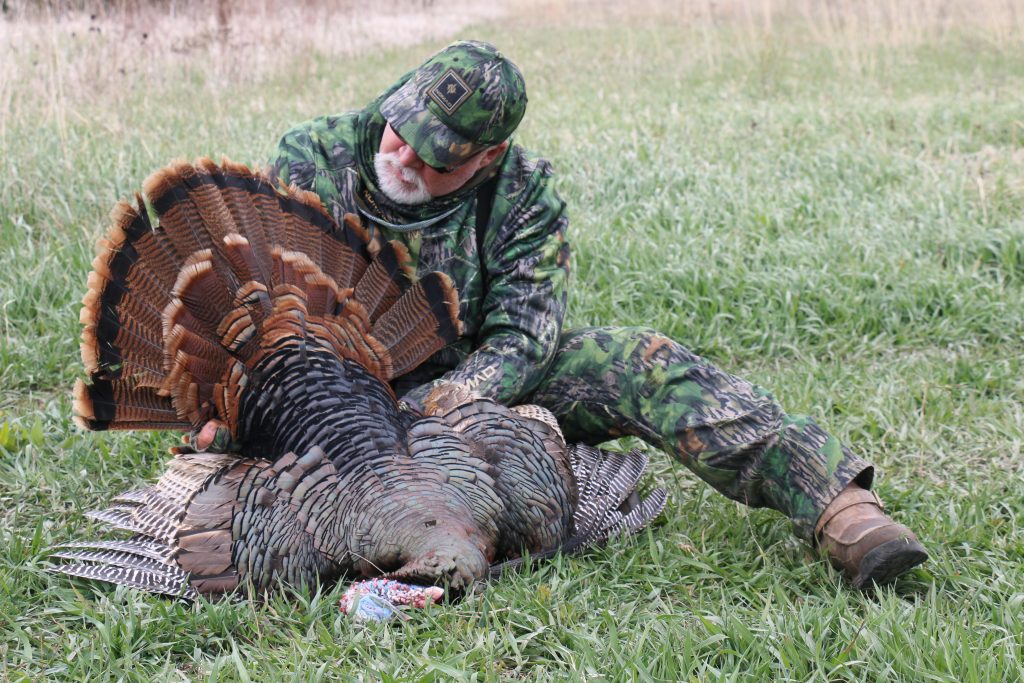
If roost hunting fails, I’ll refer to other scouting info, find likely setup spots and camp out there for a bit. Good areas might include points or oak flats early in the morning, timbered ridges at midmorning, or shaded, cool loafing spots at midday. Often, these sits involve as much observation as hunting. I’ll call softly and sparingly throughout the sit but pay special attention for any signs of turkey activity. This isn’t exciting hunting, but it can be very productive, especially when trying to figure out a tough old bird.
Conclusion
Fresh turkeys on exclusive properties can make you feel great. Tough leftover gobblers, on the other hand, might hurt your feelings. But being able to consistently kill the latter is really the mark of a good turkey hunter. Better, when you wrap your hand around the legs of a frustrating pressured bird, you’ll have a feeling of accomplishment like nothing else.