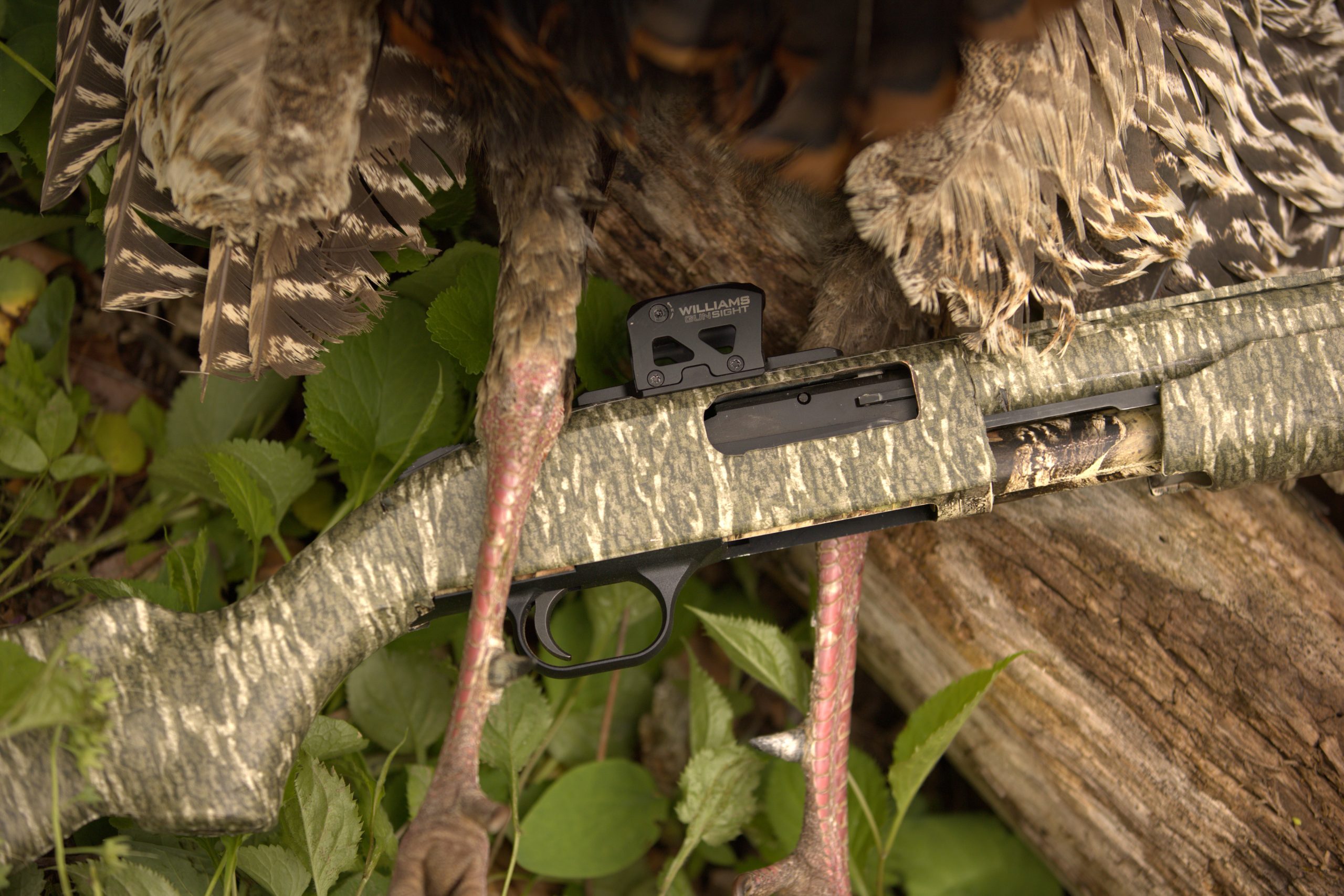
The Evolution of the Turkey Gun
Long before red dots, tungsten loads and purpose-built turkey guns filled the spring woods, turkey hunters relied on something far simpler and far less forgiving.
The story of the turkey gun is a journey that starts with the appetites of a growing population of settlers and is then shaped by innovation and a relentless pursuit of ethical, effective harvests.
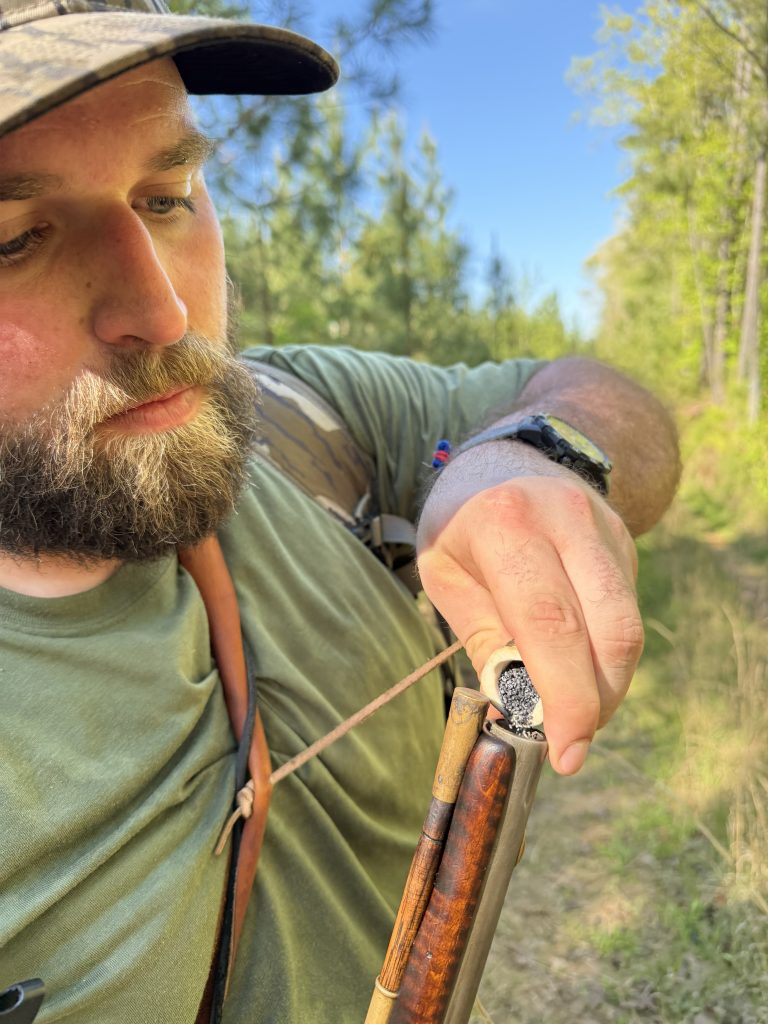
The Frontier Era: Smoke, Sparks and Close Encounters
The first turkey hunters using firearms carried flintlock smoothbores that demanded patience, skill and proximity. These early firearms, common from the 1600s through the early 1800s, used a flint striking steel to ignite black powder, sending a cloud of smoke and shot toward the target. There were both rifles and fowling pieces, the latter of which used lead pellets to hunt birds and small game.
These guns produced inconsistent patterns and had heavy recoil, and accuracy and range were limited.
“Despite the limitations of firearms at the time, their introduction certainly provided settlers in the New World an advantage to the handmade bows they were accustomed to,” said Brent Rogers, wild turkey historian. “And, a fun fact, that gunpowder was even used by those pioneering front-stuffer hunters to season meat and stew, given the saltpeter content.”
Success with a smoothbore depended not on equipment, but on the hunter’s ability to call, stalk and get within 20 to 30 yards of a wary gobbler. That reality hasn’t entirely changed.
Even today, hunters who take to the spring woods with flintlocks embrace that same challenge and a reminder that at its core, turkey hunting has always been about the interaction between hunter and bird, not just the tool in hand.
The Rise of Modern Shotguns
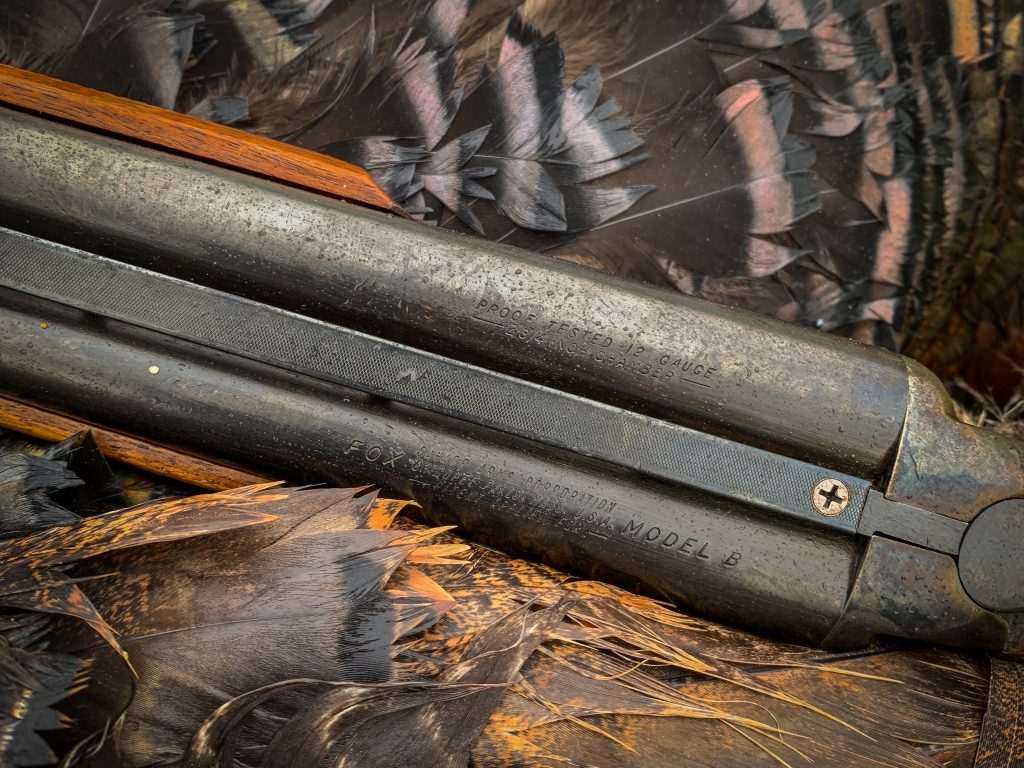
“The introduction of rifled barrels in guns like the Pennsylvania Long Rifle improved accuracy for hunters by the 1750s,” Rogers said. “And while notable hunters like Henry Davis and Archibald Rutledge used more modern centerfire rifles like the .22 Hornet well into the mid-1900s, they also favored Parker or Greener shotguns using paper shotshells.”
Rifles were commonly used for turkey hunting before modern regulations were established. Today, however, most states prohibit the use of rifles for turkey hunting, though a few still allow them under specific regulations.
This transition from muzzleloaders to breech-loading shotguns in the 19th and early 20th centuries marked the first major leap forward. With the introduction of reliable shells and smokeless powder, hunters gained consistency and improved performance.
By the mid-20th century, the “turkey gun” began to take shape with pump and semi-auto options, tighter chokes for denser patterns and heavier payloads designed to increase lethality.
Magnum loads in the 1950s and 3-inch shells gave hunters more power and range than ever before. The Mossberg 835, launched in 1988, was the first dedicated turkey gun, and it introduced the 3 ½-inch chamber.
Even the exterior finish was altered to give hunters an advantage.
“In 1992, Remington introduced Special Purpose models like the 870 and 11-87 with Mossy Oak Bottomland and Greenleaf patterns,” Rogers said. “These were the first of the gobbler guns tailored to turkeys inside and out and are now highly collectible."
Rogers was touched when, earlier this year, he was gifted one from 1994 in Mossy Oak Original Break-Up, left to him by a dear friend who passed away.
But for decades, the formula stayed relatively simple: bigger shot, heavier loads and the hope of putting enough pellets on target.
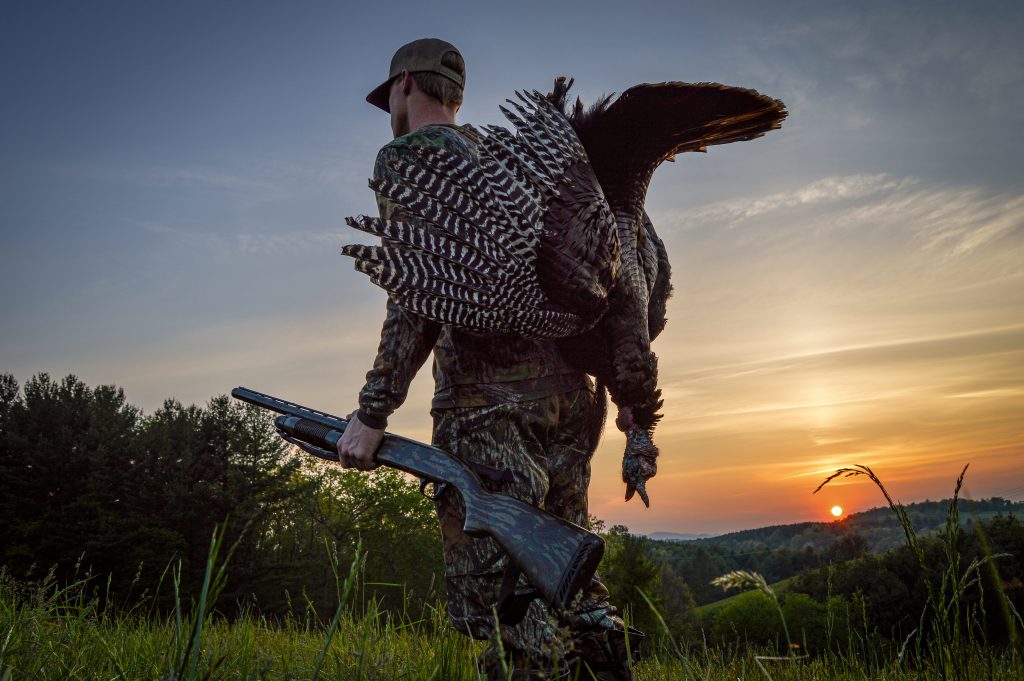
The Modern Turkey Gun: Built for Precision
Today’s turkey guns are purpose-built tools designed specifically for one job: delivering dense, lethal patterns to a gobbler’s head and neck.
Modern turkey shotguns often feature:
- Shorter barrels (18 to 24 inches) for maneuverability in tight cover
- Optics-ready receivers for red dots and low-power scopes
- Specialized turkey chokes engineered for ultra-tight patterns
- Camo finishes for concealment in spring woods
- Recoil-reducing systems for improved shooting comfort
Popular platforms include pump guns like the Remington 870 Express Turkey and Mossberg 500 Turkey, as well as semi-autos like the Benelli Super Black Eagle 3 Turkey and Winchester SX4 NWTF Cantilever Turkey.
These firearms are no longer general-purpose shotguns, but are finely tuned systems built around tight patterns and controlled shot placement designed for precision, not just power.
The TSS Era: A New Standard
Then came Tungsten Super Shot (TSS).
TSS started mainstreaming in 2018, when Federal Ammunition introduced Heavyweight TSS turkey loads. TSS represents one of the most significant advancements in turkey hunting history. With a density far greater than traditional lead, TSS allows hunters to use smaller shot sizes with far more pellets, while still maintaining lethal energy at distance.
The result is denser patterns and increased effective range. Perhaps most notably, TSS has rewritten the rules on what qualifies as a “turkey gun.” Lightweight 20-gauges and even .410 shotguns are capable of cleanly harvesting gobblers at distances that once required heavy 12-gauge magnums.
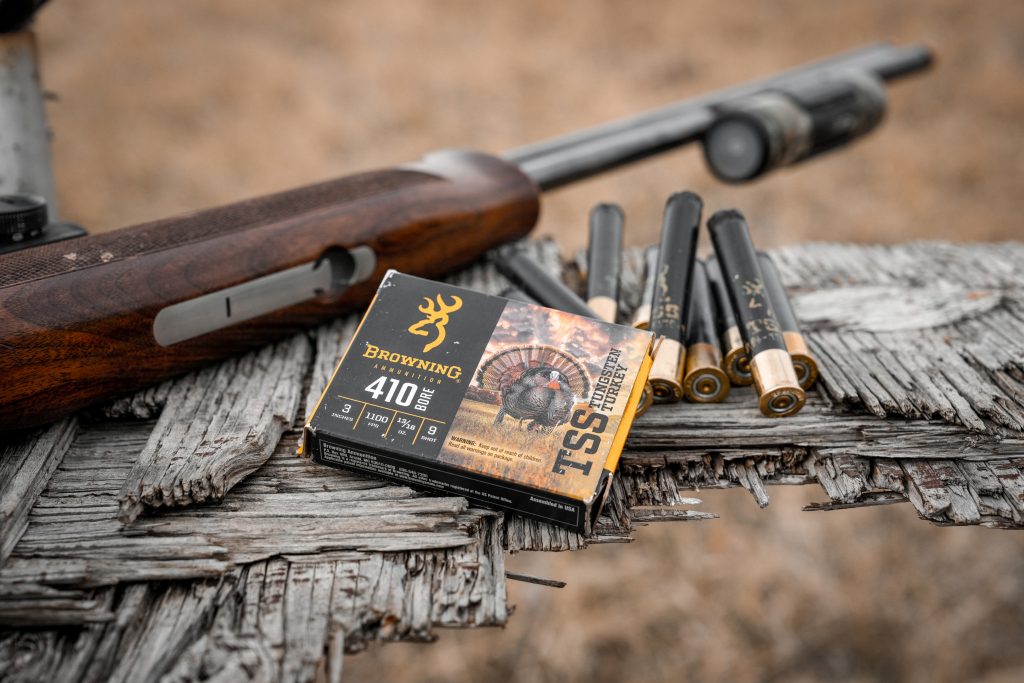
The evolution of the turkey gun hasn’t just been about extending range; it’s been about improving ethical harvests. Better patterns, better ammunition and better equipment all contribute to cleaner kills and more responsible hunting.
At the same time, the essence of turkey hunting remains unchanged.
A hunter carrying a flintlock must still call a bird into 30 yards. A hunter carrying a modern TSS-loaded shotgun still has to outsmart one of the sharpest-eyed animals in North America. Technology may extend capability, but it doesn’t replace skill.
From sparks in a flintlock pan to precision-engineered loads, the evolution of the turkey gun reflects a broader truth about conservation and hunting: the life-changing power of the outdoors are evident when chasing gobblers, regardless of what hunting implement one is using.
Organizations like the NWTF have played a critical role in ensuring that as turkey hunting equipment continues to evolve, the tradition itself remains a safe, ethical and sustainable outdoor pursuit. From flintlocks and paper shotshells to classic lead-load shotguns of the 1980s and today’s finely tuned turkey guns shooting TSS, there is no single “best” turkey gun. Success in the spring woods has always depended more on the hunter behind the firearm — practicing safe hunting, knowing their equipment and following state regulations.
At the end of the day, the story of the turkey gun is about more than advancements in technology. It’s about preserving the hunting tradition, the resource and the experiences that continue drawing hunters into the woods each spring.