The Evolution of Wild Turkey Research in the Southeast
The Southeast is often regarded as the cradle of turkey hunting. It is the region that gave birth to the culture we have today. But in the early-to-mid 20th century, during a time when populations were imperiled and just seeing a bird was something to behold, researchers and biologists were creating a conservation story just as compelling through wild turkey research, and that story continues today.
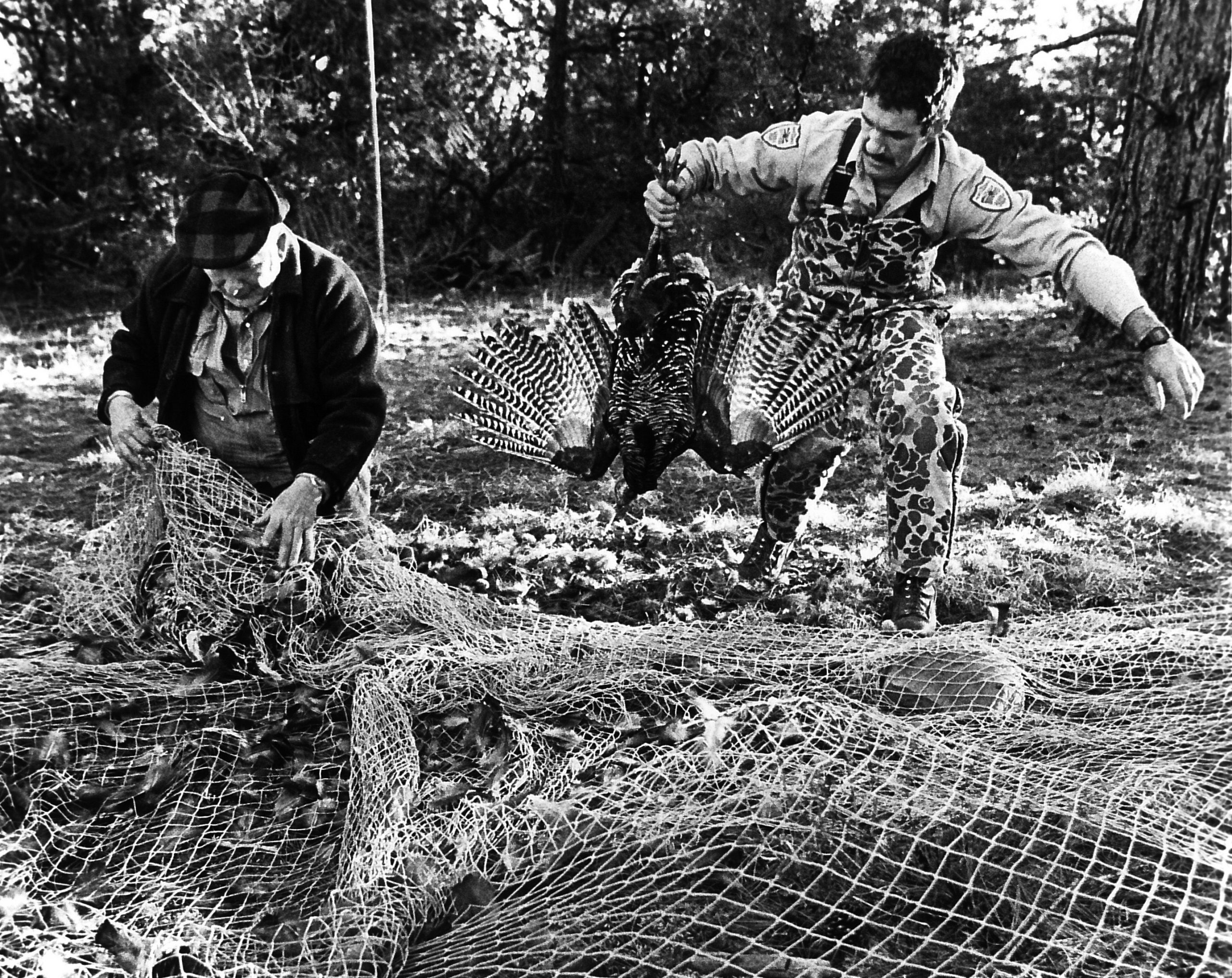
Unregulated harvest and land clearing had reduced Southeastern turkeys to scattered remnant populations by the early 20th century, making conservation, basic natural history and restoration urgent. Trap-and-transfer efforts across the country later proved immensely successful, while radio telemetry, habitat studies and prescribed fire research were beginning to help biologists better understand wild turkeys on the landscape.
Studying the bird in the Southeast yielded canonical projects in wild turkey ecology: Lovett Williams advanced the understanding of reproductive biology. Daniel Speake's Alabama telemetry work advanced nesting, predation, survival and prescribed fire understanding. George Hurst led the Mississippi Cooperative Wild Turkey Research Project.
That research tradition continues today, but the questions have changed.
For instance, what limits reproduction? How does habitat influence nesting and brood survival? How does hunting affect behavior and survival? How can managers accurately estimate abundance? What management actions actually improve population trajectories?
While the restoration of the wild turkey is a success, the questions today become more nuanced.
In 2022, the NWTF developed a heightened wild turkey research strategy and since then has helped fund 41 wild turkey research efforts. And just as many of the foundational studies originated in the Southeast, many of today's wild turkey research projects are also being conducted across the region.
For instance, researchers at Tennessee Tech University are using GPS transmitters, nest monitoring and brood monitoring to examine how hens select nesting and brood-rearing habitat and which habitat characteristics are associated with reproductive success.
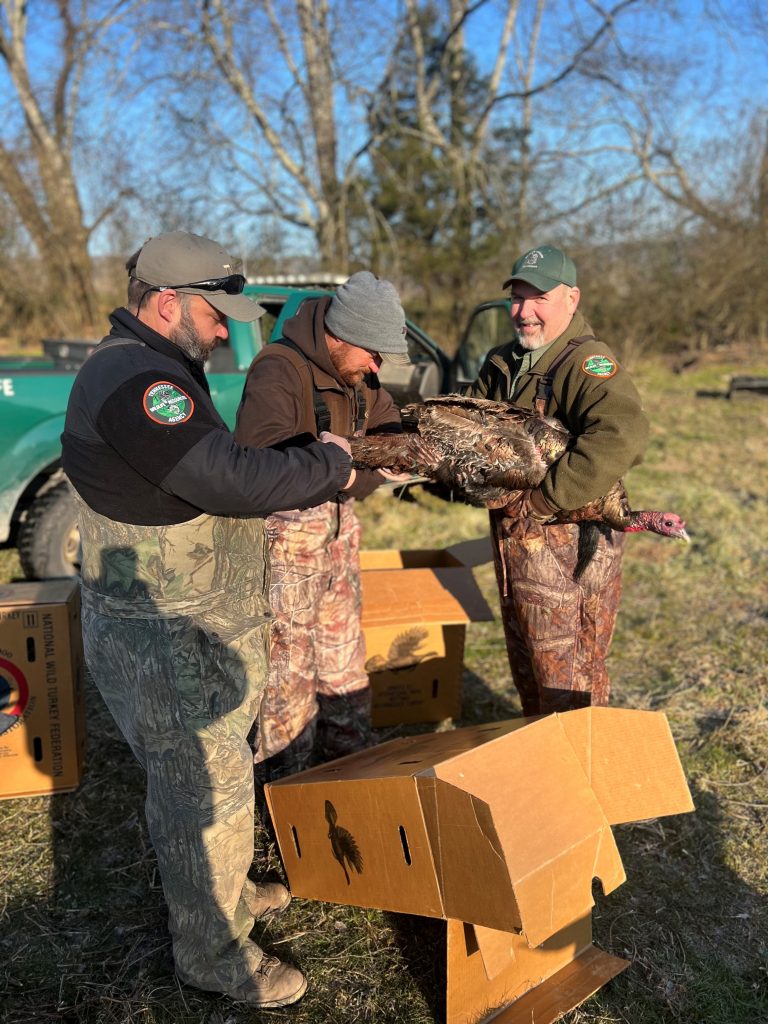
In Florida, Marcus Lashley, Ph.D., at the University of Florida, and his team are examining how vegetation characteristics and environmental conditions affect poult growth and survival.
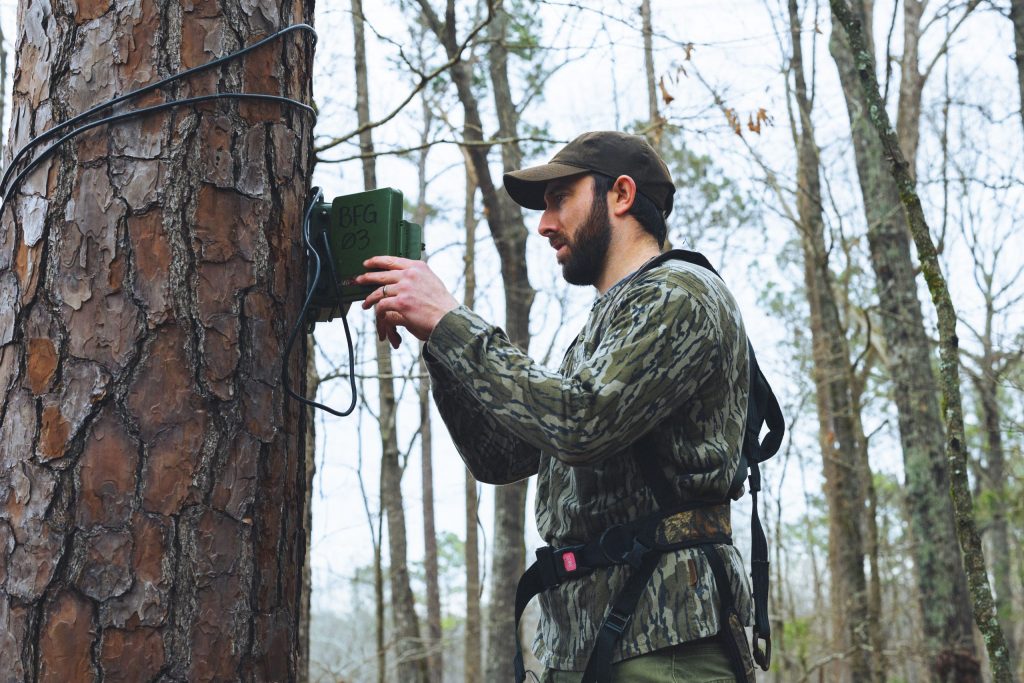
And while research questions have evolved over the decades, so too has the technology used to study turkeys. Researchers at the University of Georgia, in partnership with Louisiana State University, have used automated recording units across the Southeast to study gobbling activity. A new NWTF-funded project led is taking that work a step further by placing miniature audio recorders directly on gobblers alongside GPS transmitters. The goal is to understand how hunting affects individual gobbling behavior and ultimately improve estimates of male turkey abundance. Patrick Wightman, Ph.D., NWTF national director of wild turkey research, is a primary collaborator on the project.
The goal is no longer simply to understand wild turkey restoration, but to determine why populations respond differently to habitat, hunting, disease, management and other factors. While individual projects are vital to this effort, building long-term capacity is just as important.
The NWTF is also investing in the people and institutions that will answer those questions for generations to come. The Southeast is the epicenter of the NWTF’s wild turkey endowed professorship program. In 2024, the NWTF announced the NWTF Endowed Chair at the University of Georgia, which recently surpassed $1 million, and at its Convention and Sport Show earlier this year, the NWTF announced the new NWTF Distinguished Chair at Mississippi State University. These positions are part of the NWTF's 10-year strategy to establish a national network of university-based professorships and programs dedicated to coordinated, long-term wild turkey research.
From the foundational work of early researchers to today's GPS transmitters, genetic analysis, acoustic monitoring and landscape-scale habitat research, the questions have become more sophisticated, but the mission remains much the same: understand the wild turkey well enough to make better decisions that ensure future generations hear the gobble.