No Hand of Man
The July 4 opening of the Theodore Roosevelt Presidential Library shines a light on hunter-conservation and the power of the outdoors.
Under the star-lit night in camp within Yosemite’s Mariposa Grove, President Theodore Roosevelt looked up into the massive sequoias and wanted to ensure future generations could witness the same beauty.
He later said in an address at the Sacramento Capitol, “Lying out at night under those giant sequoias was like lying in a temple built by no hand of man, a temple grander than any human architect could by any possibility build.”
Indeed, the 26th president recognized a greater designer of our natural resources, and he went on to champion wildlife conservation, hunting and the outdoor lifestyle that built the foundation for many conservation organizations that exist today. In honor of that history, the Theodore Roosevelt Presidential Library opened July 4 near Medora, North Dakota, during America’s 250th anniversary celebration.
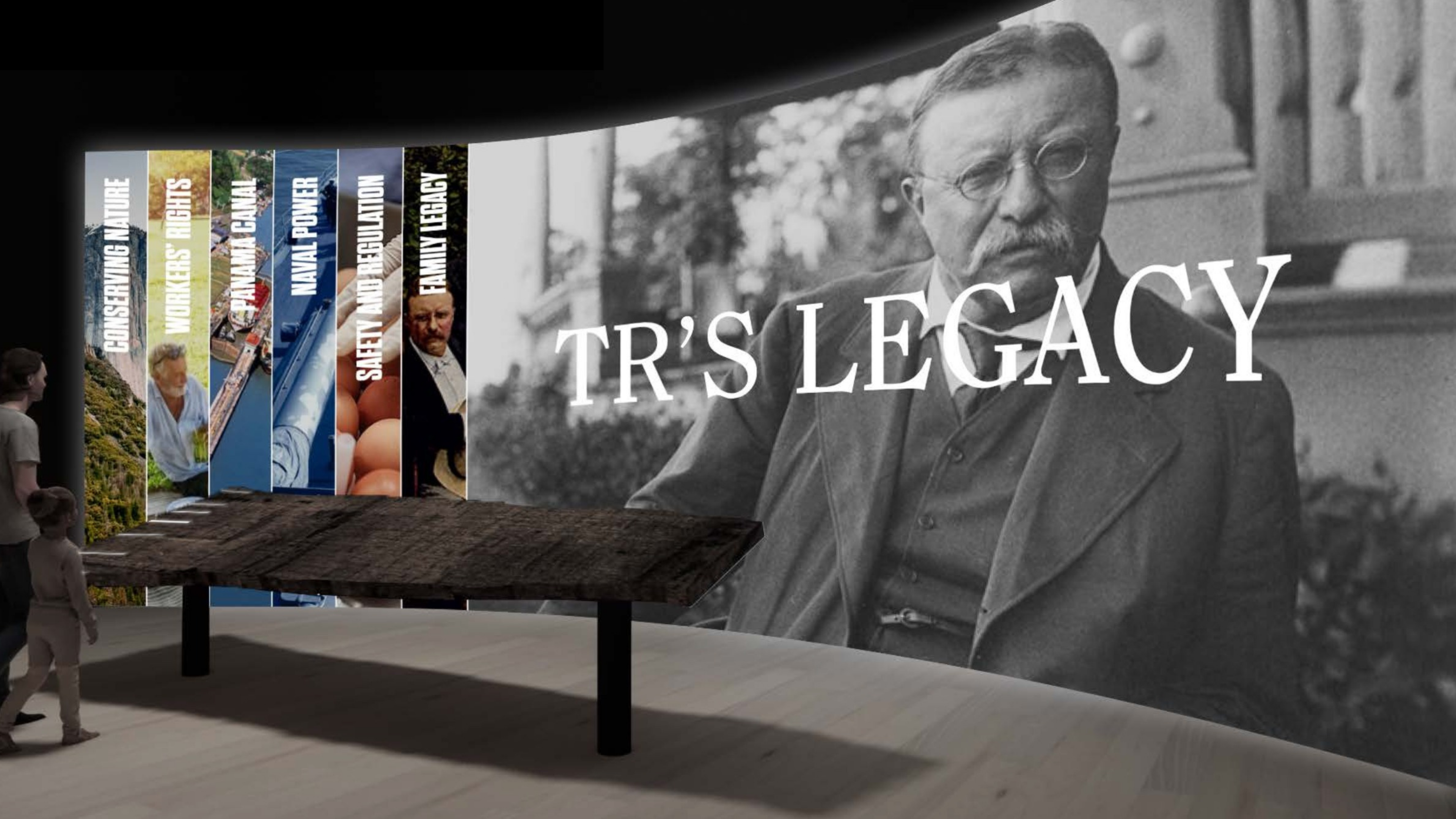
The $450 million publicly and privately funded, 95,000-square-foot library captures the history of the former president, dubbed the Father of Conservation, who made it his mission to expand public lands and the conservation landscape.
He added 150-plus national forests, 50-plus federal bird reserves and more national parks and monuments. He helped place or increase more than 230 million acres under federal protection and worked with Gifford Pinchot, the first chief of the USDA Forest Service, to emphasize the wise use of natural resources and actively manage forests for future generations.
"The conservation of natural resources is the fundamental problem,” he once said. “Unless we solve that problem, it will avail us little to solve all others."
Teddy and the Wild Turkey
Roosevelt pursued America’s greatest game bird to some extent, according to the presidential library records, but it was only a small part of his hunting life. Records indicate his most famous turkey hunt took place during his presidency at Pine Knot, Virginia, in the fall of 1906. He spent three days in an “obsessive” quest to bag his first wild turkey, and neighbors even tried to prank him by releasing domestic birds near his wooded hunting grounds – reminiscent of the 1902 hunt when he refused to shoot a captive bear, earning him the nickname “Teddy” bear. T.R. discovered the trick and declined to shoot the tame turkeys; ultimately, he did shoot a wild bird in November of 1906 during the hunt.
He also recounted a hunt involving his brother, Elliott, in Texas, detailing in “Hunting Trips of a Ranchman” that birds were shot off their roosts at night and greyhounds used in pursuit of the wild turkeys. Roosevelt himself did not engage in such methods, deeming them unsportsmanlike even during that time, but he recorded them as part of the lore of turkey hunting on the frontier.
Based on presidential library details, Roosevelt took note of dwindling wild turkey populations during his presidency as unregulated hunting and habitat loss took hold. NWTF records show that populations nearly dropped to 200,000 wild turkeys in the 1920s, a far cry from today’s estimated 6 million birds on the landscape. He pushed for game laws, hunting seasons and enforcement to curb the overhunting of turkeys and other wildlife, convening the first Governors’ conference on conservation in 1908 and supported legislation like the Lacey Act (1900) that cracked down on illegal commercial hunting.
He argued that “in a civilized and cultivated country, wild animals only continue to exist at all when preserved by sportsmen.” He famously declared the wild turkey “in every way the king of American game birds,” high praise from a veteran hunter who had pursued all forms of game animals.
Capturing the History of Conservation
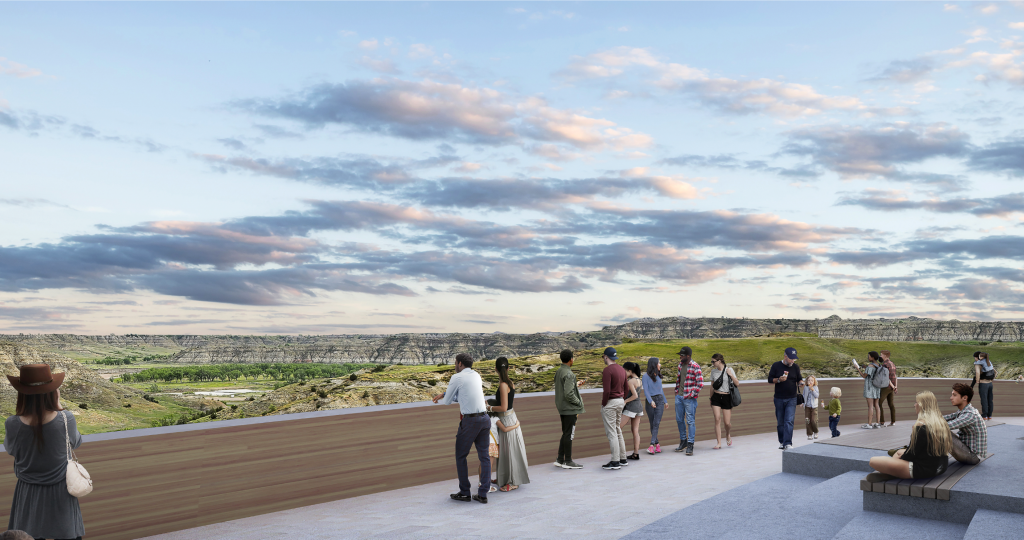
Located at the doorstep of the Badlands in the Theordore Roosevelt National Park (the only national park named after a person), the T.R. Presidential Library uses immersive storytelling, artifacts, interactive displays and new technology to trace Roosevelt’s journey, tragic though it may be, to become a historic figure. Roosevelt first came to the North Dakota territory from New York in the 1880s, seeking solitude after the deaths of his mother and first wife on the same day in 1884.
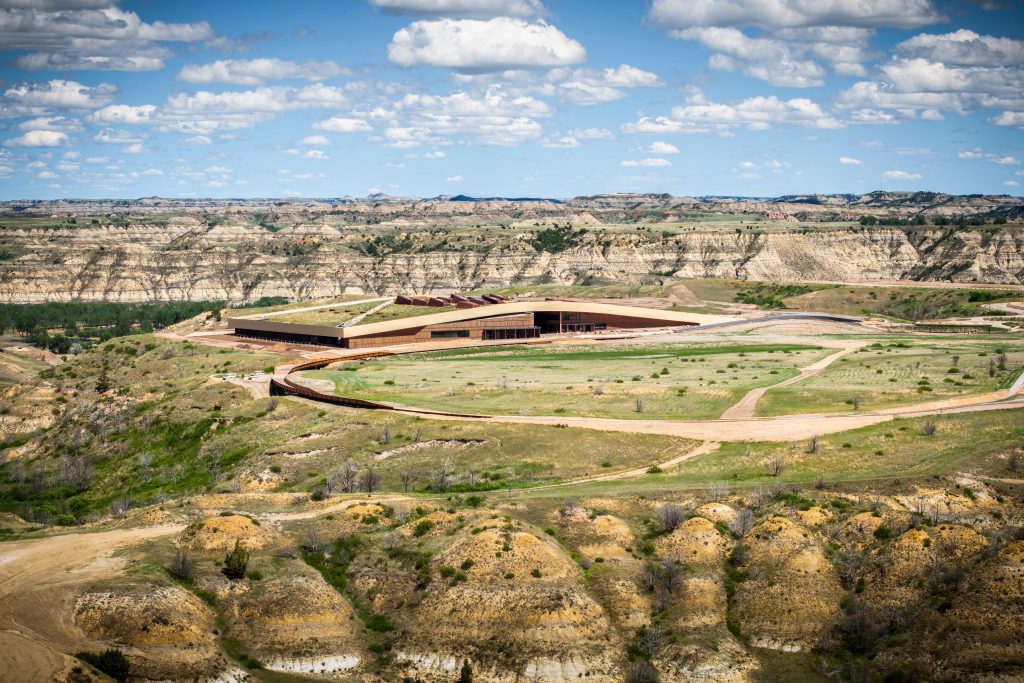
Set on 93 acres looking across to the Little Missouri River down into a draw where Roosevelt hunted buffalo, the library features natural material, including a 26-foot-tall rammed-earth lobby wall and a walkable green roof displaying 200,000 plant plugs representing 86 species. AI-supported displays bring to life Roosevelt’s speeches, writings and core beliefs, setting the stage for conservation and hunting as we know it today.
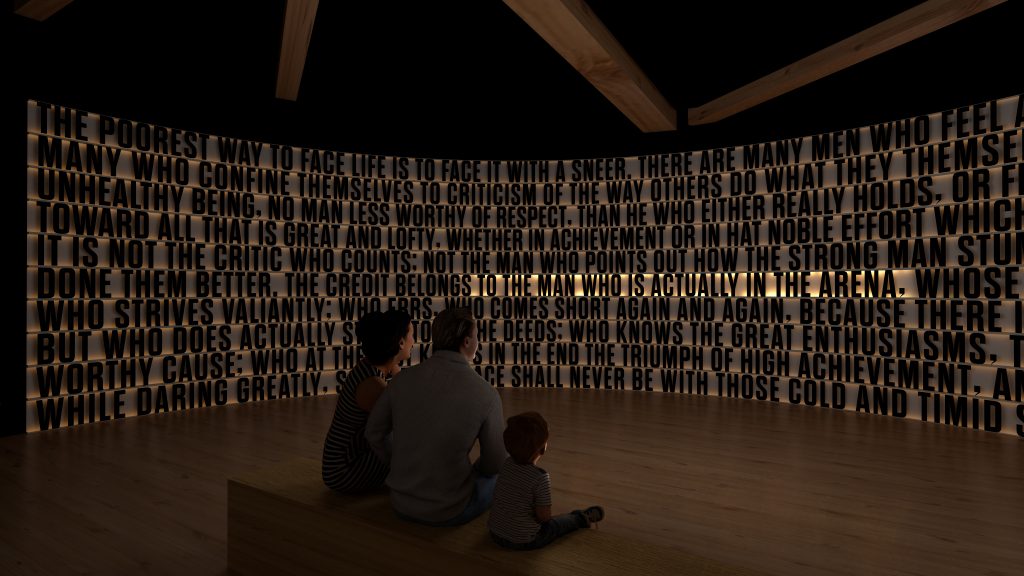
As the NWTF continues to build upon and establish key landscape-scale conservation initiatives throughout the nation, we are reminded of T.R.’s vital words surrounding on-the-ground work and the importance of volunteerism and the dedication of the NWTF flock that strives to unite a nation through the life-changing power of the outdoors.
“The credit belongs to the man who is actually in the arena, whose face is marred by dust and sweat and blood …”
For more information on the Theodore Roosevelt Presidential Library, go to www.trlibrary.com.