To Act or Not to Act – That Is the Question
“Why don’t we just let nature take its course?”
How often do you hear that question? The topic of discussion matters little. You may hear someone talking about federally designated wilderness areas, predator-prey relationships, anthropogenic (human-involved changes to the environment) water sources, back-forty land management, or silvicultural treatments across broad landscapes.
It is a legitimate question. Human intervention is not always effective and sometimes generates unintended results. Everyone has heard about prescribed fire that burnt out of control, damaging important habitats and infrastructure. Wouldn’t it be better to simply let nature lead the process? Didn’t that work in the past?
Our vision of the past may be influenced by written descriptions from early explorers that described our area of interest. We assume that when those explorers arrived, the area was in a pristine state that supported abundant, diverse wildlife. Who wouldn’t want that, especially if nature could lead us there without our intervention?
Since “discovery” by explorers a couple of centuries ago, we’ve seen enormous anthropogenic changes to the North American landscape. Water was diverted for humans and crops, high-volume roadways were constructed that transport goods and people at all times of the day, the most productive habitats where wildlife once lived were developed for homes and food production, and that is just the beginning! To state the obvious, things sure ain’t the way they used to be.
Certain landscapes, within national parks or wilderness areas, are managed to use natural processes to achieve natural outcomes. When vegetative communities approximate their natural potential, this may be a realistic approach. But when vegetative communities are substantially influenced by historical changes, including invasive species, and limited by substantive development, this approach may be irrational. Think of the differences that may be expected in the Arctic National Wildlife Refuge (a large area with limited human influence) when compared with the Florida Everglades (a large area with many invasive plant and animal species).
Notably, when the explorers wrote down their observations, humans had already influenced that landscape. Archaeological investigations and information shared by contemporary Indigenous peoples indicate that the earlier natives living here often actively managed the lands where they lived. In places we considered uninhabitable, thousands of natives lived and fed themselves through hunting, gathering and agriculture. Natives would at times set fires, knowing they would favor specific vegetative communities and wildlife. To assume that what early explorers recorded is necessarily the natural pristine apex community is overly simplistic and often erroneous.
Human interventions are designed to create future conditions that are socially preferable. Maybe that is a visually pleasing landscape, or perhaps specific wildlife in abundance. To affect the desired outcomes, we must use tools based on sound knowledge of ecological processes and realistic expectations. Prescribed fire and timber harvest prescriptions are among these common tools. Allowing change to occur without our influence is possible, but we might not like the outcome.
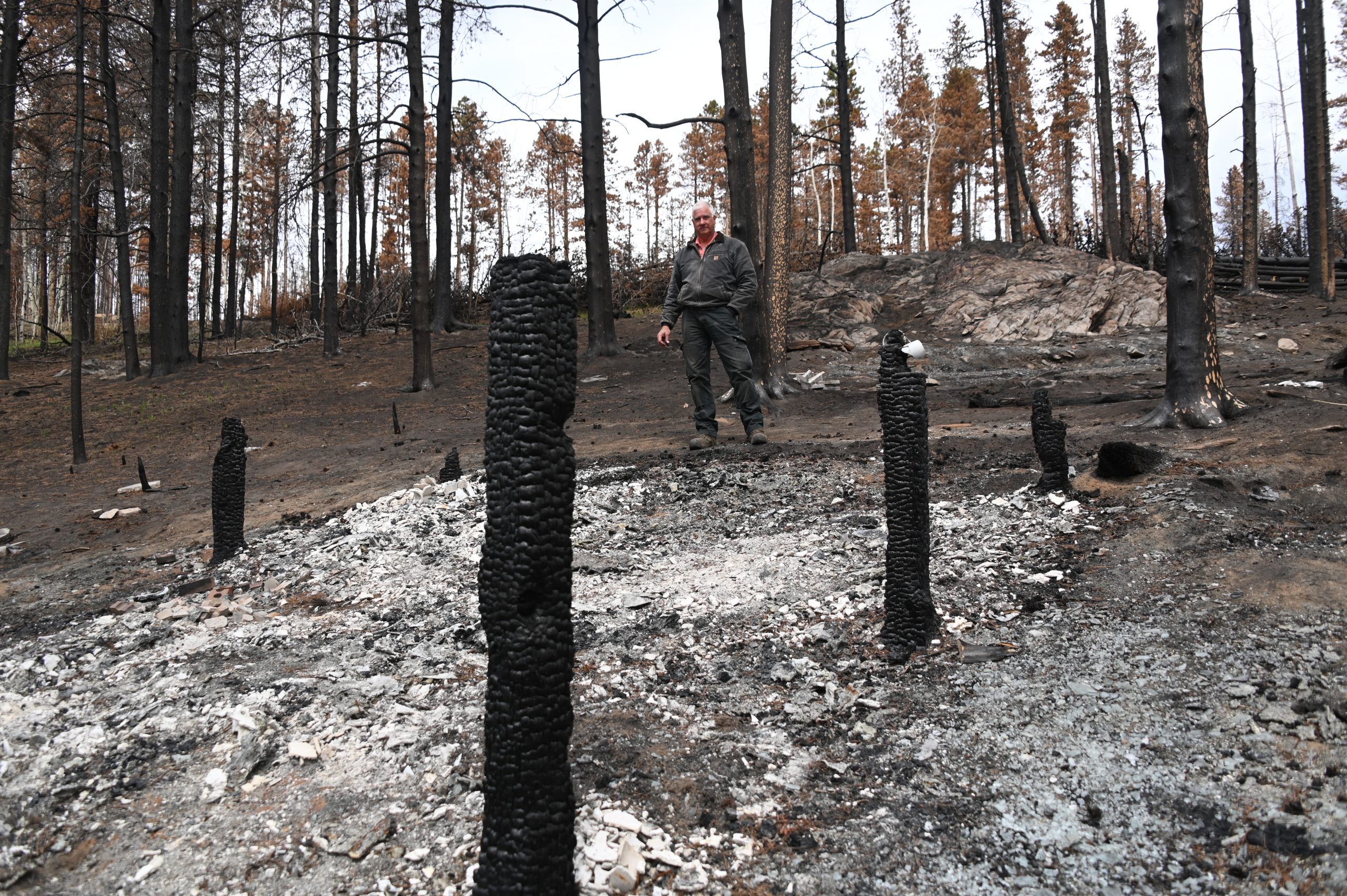
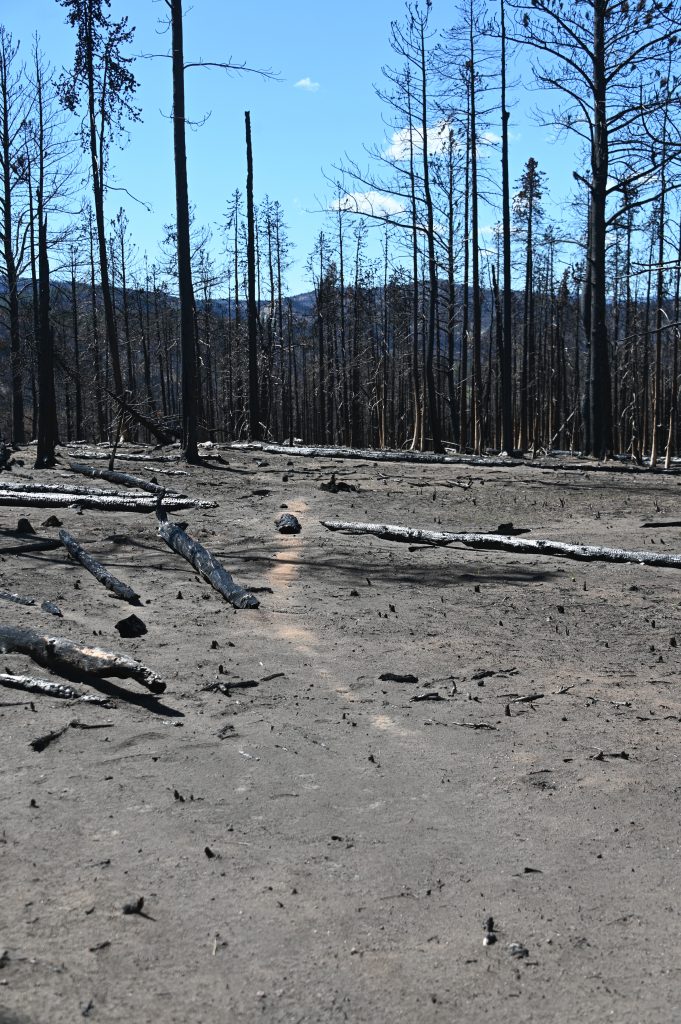
For decades, fire suppression seemed like a good strategy until we learned that dense, young forests did not foster abundant wildlife, and they increased tree disease transmission and wildfire severity. As an Arizona ecologist once observed, prescribed fire is always better than a wildfire because we can choose the conditions under which the fire begins.
Certain wildlife is disturbance-dependent. Western turkeys avoid dense timber, in simplest terms, because they need areas where sunlight reaches the ground to encourage herbaceous production and invertebrates during brood-rearing season, and soft mast during the fall. Prescribed fire and timber thinning can provide the type of habitat that generates abundant wildlife. And when habitat is productive, prey species often support more hunting opportunities and are less influenced by predators.
Our investment in scientific research helps us understand effects from vegetative treatments and how to best implement them. A collaborative project between the USDA Forest Service and the NWTF is ongoing in Montana that uses our scientific knowledge to benefit turkeys and other wildlife. Many forests, including ponderosa pine common throughout the West, evolved with frequent, low-intensity fires. Maintaining a resilient forest allows nature to take the course it did historically, not through wildfire, but by allowing fire to operate within the range of conditions with which forests evolved.
If we manage in this fashion, nature can take its course with a little help from us, and we gain abundant wildlife that adds value to our lives.