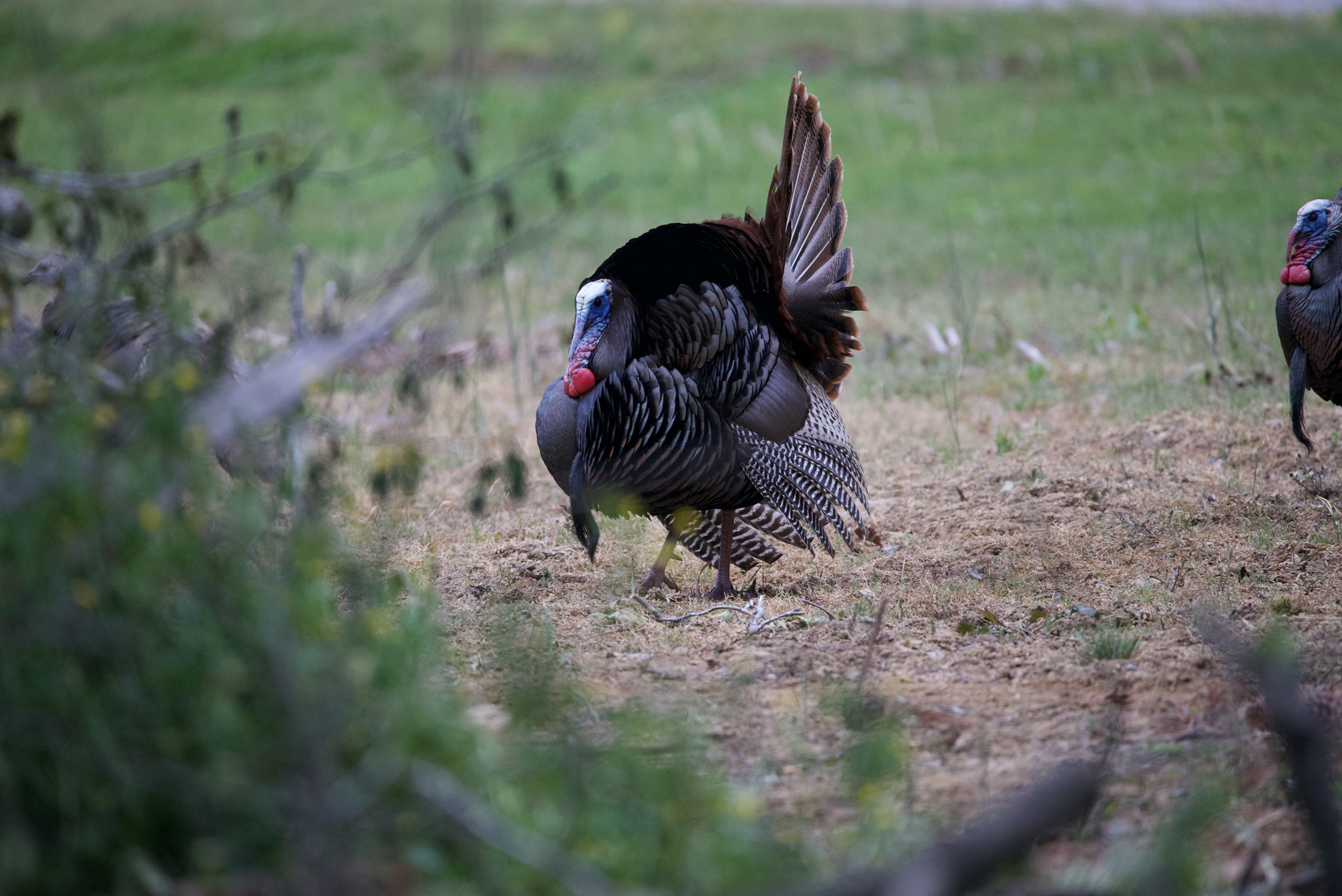
Tracking Turkeys in Minnesota with Innovative Technology
EDGEFIELD, S.C. — The NWTF is helping fund a new and innovative wild turkey study conducted by the University of North Texas in collaboration with the Minnesota Department of Natural Resources and Three Rivers Park District in east central Minnesota, representing 27,000 acres of a mixture of natural and urbanized landscapes.
The idea for this cross-state collaboration came from critically thinking about why turkey populations are seemingly doing very well in some areas of Minnesota and are struggling in other regions like southern Texas. By investigating the knowledge gaps involving wild turkey population density, abundance and resource utilization in both urban and agricultural landscapes in Minnesota, researchers will have the means to provide a baseline understanding of how regionally stable and healthy wild turkey populations are in that region.
“In some of the urban and northern portions of Minnesota, turkey populations are booming and as a result, they're considered a nuisance species in some of those areas,” said Andrew Gregory, principal investigator and associate professor at the University of Texas. “Here in Texas, populations are declining and we're looking to move birds in to boost our turkey populations on the landscape. We want to look at what's driving the population differences and ask why these birds do well in only some of these areas. Our goal of the study is to identify what the true populations are in Minnesota.”
If researchers find healthy wild turkey populations in Minnesota, then collaborators will look at the possibility of translocating birds to bottomlands in the southeast, where populations are in decline. Investigators will also be leveraging existing funding to investigate disease ecology of wild turkey across this landscape.
To estimate regional population size, researchers plan to use unmanned aerial vehicle (UAV) surveys with infrared thermal imaging that can conduct roost and poult surveys with the corresponding date and time. This thermal imaging will help with detecting poults hidden under dense herbaceous cover.
The research team is also planning to trap and tag female wild turkeys within the Three Rivers Park District with Apple AirTags to measure home range utilization, nest placement, poult recruitment and adult survival. Using AirTags offers a low-cost alternative to using VHF transmitter units, which will allow the lab to mark and track 120 birds per year for two years at an affordable cost.
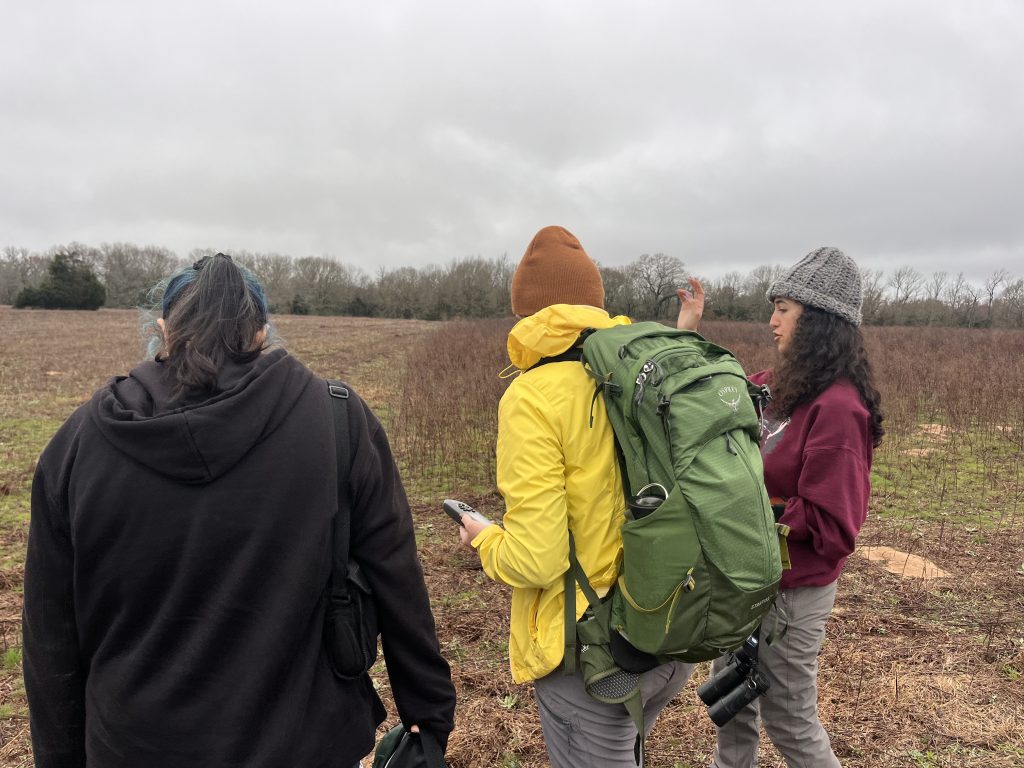
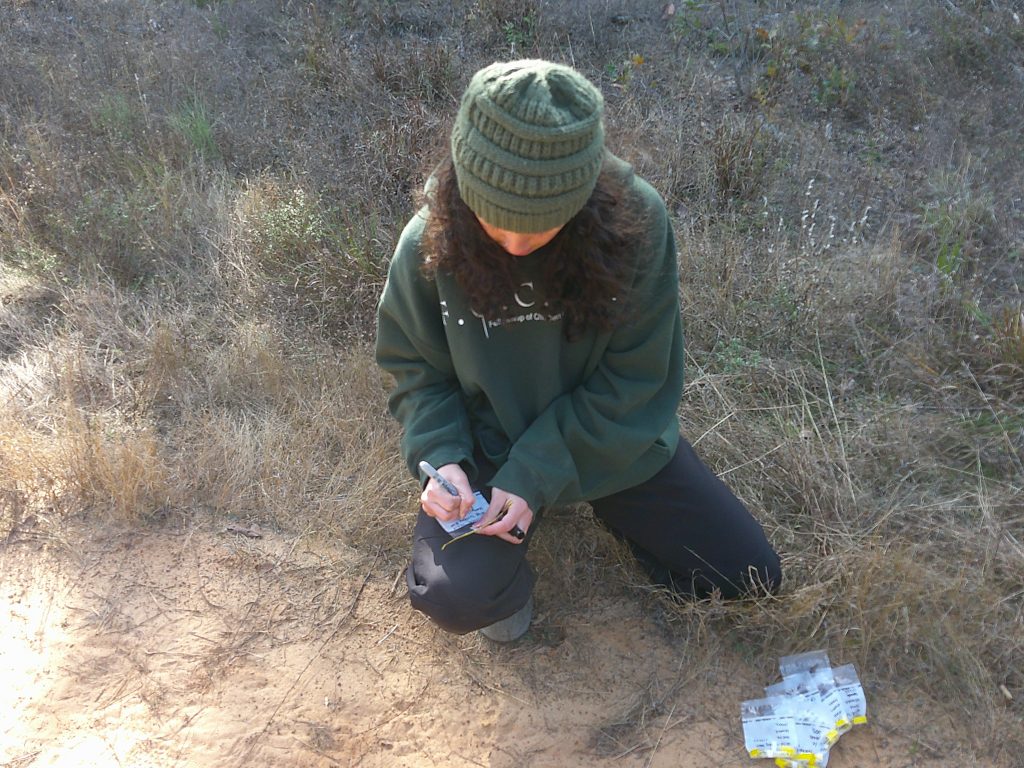
Most of the parks within the Three Rivers Park District are closed off to recreational turkey hunting, which means that the AirTags shouldn’t interfere with hunting activities unless the birds migrate to other areas.
“The AirTag does not identify itself as being on a turkey, just that an AirTag is within range of their phone,” Gregory said. “Only if the AirTag is following someone for more than 10 minutes will it show up on an iPhone. In addition, a person would already have to be within shooting distance —20 to 30 meters — of the bird for it to register. A person could not use the AirTag registration on their iPhone to home in on the bird from miles away.”
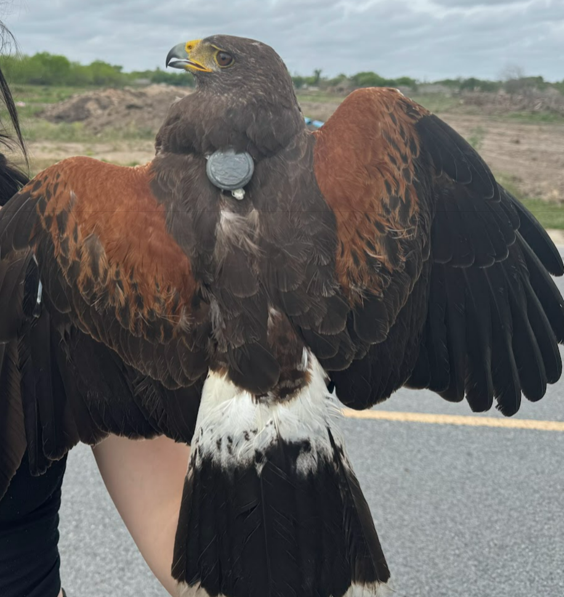
A team at the University of North Texas recently piloted a successful study using AirTags to track and measure the home range, survival and dispersal of Harris’s Hawks across urban landscapes in South Texas. Now, they’re utilizing similar methods on wild turkey.
The AirTags will be registered to lab iPads and individual technician’s iPhones and hen locations will be manually collected using the FindMy app at least three times a week.
The research team will also be looking at the genetic diversity of wild turkey with this study, which will allow biologists to assess how diseases, parasites and viruses such as Avian Influenza, Avian Malaria, and West Nile Virus spread and potentially impact wild turkey populations.
“It's super exciting that the NWTF is supporting and helping us with this project, and we're really looking forward to partnering with them,” Gregory said. “I'm also going to be looking to hire some local support in Minnesota if anyone is interested in working with us. We're also going to be looking for property owners that we can work with to do some sampling on their property and for volunteers to help us trap and track and monitor turkeys. We like to have people involved in this process, because the more people we have involved, the more information they have, the more informed they are.”
The NWTF invested funds into the above project along with eight other wild turkey research projects across the United States, totaling $503,618, for the organization's 2025 research investment. Since 2022, the NWTF and its partners have combined to put more than $22 million toward wild turkey research.
Thanks to support from dedicated volunteers and partners — such as the Bass Pro Shops and Cabela’s Outdoor Fund and NWTF state chapters — the NWTF’s RFP Program is an aggressive, annual effort to fund critical wild turkey research projects nationwide.
About the National Wild Turkey Federation
Since 1973, the National Wild Turkey Federation has invested over half a billion dollars into wildlife conservation and has positively impacted over 24 million acres of critical wildlife habitat. The NWTF has also invested over $10 million into wild turkey research to guide the management of the wild turkey population and to ensure sustainable populations into perpetuity. The organization continues to deliver its mission by working across boundaries on a landscape scale through its Four Shared Values: clean and abundant water, healthy forests and wildlife habitat, resilient communities and robust recreational opportunities. With the help of its dedicated members, partners and staff, the NWTF continues its work to provide Healthy Habitats and Healthy Harvests for future generations.