Turkey Hunting in the Midwest
The Midwest is often considered the sweet spot for turkey hunting — a region where agricultural fields meet rolling woodlands, oak savannas and open grasslands. It’s home to the Eastern wild turkey.
With a diverse mix of terrain, generally healthy turkey populations and a blend of public and private lands, the Midwest offers hunters some great hunting, as long as one considers the nuances of regional turkey behavior, land use and seasonal patterns.
Know Your Bird: Eastern Wild Turkey (Meleagris gallopavo silvestris)
The most widespread subspecies in North America, Eastern turkeys are found across the entire Southeast. Known for their loud gobbles and long beards, they’re also among the most pressured and cautious birds.
Identification:
- Chestnut-brown tips on tail feathers
- Black-dominated wings with bold white bars
- Longest beards of any subspecies
- Adult males: 18–30 lbs | Females: 8–12 lbs
- Powerful gobble, but can go silent after fly-down
- Most abundant and commonly hunted subspecies
- Longest Beard: 22.5 inches (Texas)
- Longest Spurs: 2.5625 inches (North Carolina)
Understanding the Landscape
The Midwest isn’t one-size-fits-all. Terrain in the Midwest varies, including wooded draws and river bottoms, oak ridges, savannas, ag fields and prairie grasslands.
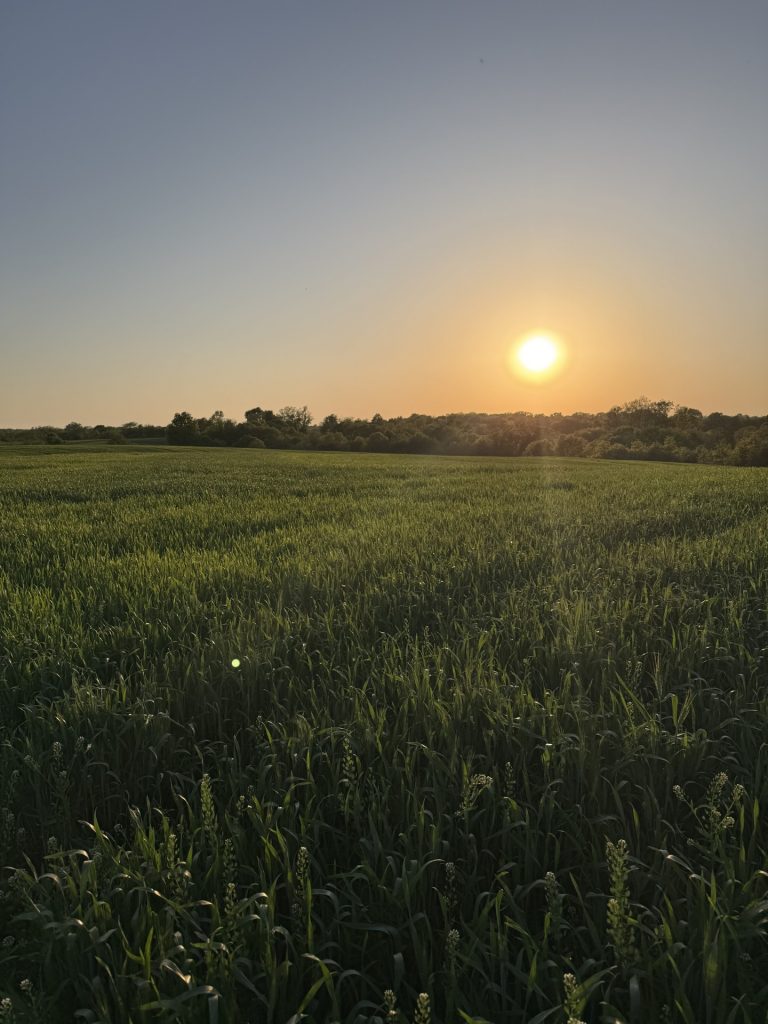
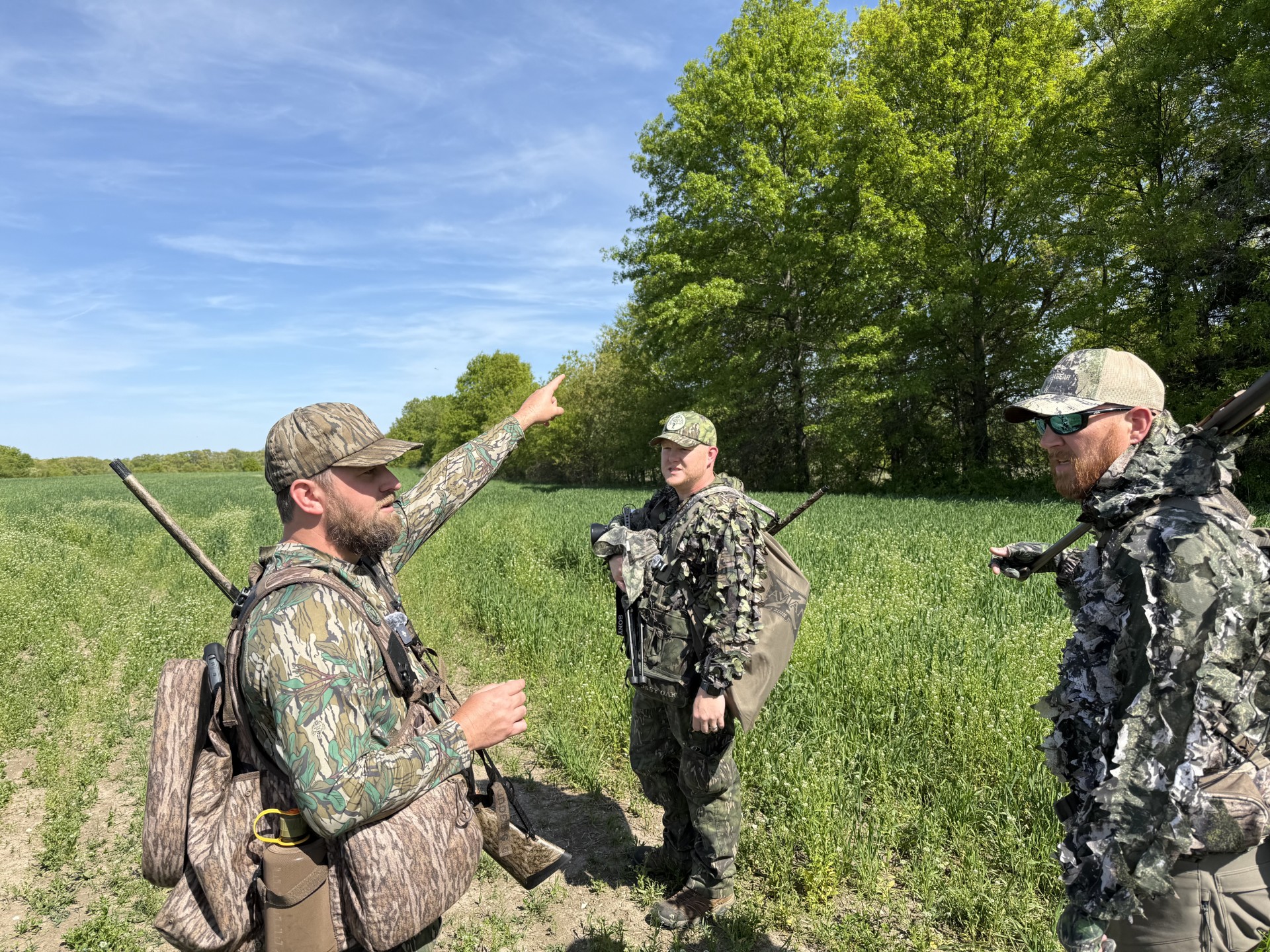
“Northern Missouri you’re hunting cropland, a lot of ag,” said James Harrison of Harrison Custom Calls. “Toward the south you’re getting into [one of] the oldest mountain chains in the country which would be the Ozark Mountains… so you’re really hunting two totally opposite styles.”
Regional Challenges for Hunters
Unlike some areas of the country where habitat and landownership is more continuous, Midwestern landscapes are often fragmented, both by terrain and ownership, and birds may concentrate parcels of private ground or along waterways that are difficult to access. Add to that the unpredictability of spring weather, where a late snow, heavy rain or sudden heatwave can quickly alter turkey behavior, and hunters must constantly adapt.
Challenges include:
- Patchy habitat: birds often concentrate in woodlots or along waterways.
- Private land dominance: Much of the land is privately owned, making access a top concern.
- Changing weather: Spring blizzards, rain or heatwaves can shift turkey activity quickly.
- Birds "hang up" in open fields: Wide-open ag land makes cautious toms reluctant to cross open spaces.
Harrison emphasized that one of the biggest mistakes hunters make in open ag fields is arriving too late.
“Getting in early is the key,” he said. “I try to go in super early, way before daylight, because that gray hour of the morning… birds can catch you going through the field so easy.”
Pattern the Birds with Boots and Binos
Preseason glass fields from a distance to identify strutting zones and travel corridors. In addition, look for dusting spots, tracks, droppings and feathers along field edges and trails.
Harrison reinforces the importance of scouting.
“The more you scout… the more knowledge you know, so it makes your hunt a lot more successful… and you’ve got to scout throughout the whole season because things are changing.”
He noted grass height, farm work and shifting foliage all affect how birds use the landscape week to week.
Set Up Along Transitions
Turkeys often roost in woods and move into fields to strut.
Set up along field edges or hedgerows, areas that provide cover but a good line of sight too.
In big timber of the Midwest, Harrison prefers patience
“A lot of times we’ll wait until the birds are actually on the ground and then we’ll move in… because the biggest problem there is you’re spooking them off the roost or they’re hearing you come in.”
Use Decoys to Your Advantage
Decoys work well in the Midwest, especially early season. Consider these tactics:
- Try a jake/hen combo in open areas to draw in jealous toms.
- If hunting pressured land, tone it down — one feeding hen may be all you need.
Harrison adjusts his decoy strategy as the season goes: “Usually if I’m timber hunting I’ll take a lone hen with me and probably 85% of the time I will never set it out,” he said.
Adapt to Ag Schedules
Be aware of planting and tilling schedules.
“As the season goes… did the farmer go in the week before and disc up the fields,” Harrison said. “Did we get a lot of rain and it’s muddy? The turkeys may avoid that area… Early season they may spray fields, and that area’s no good to hunt for a week.”
Harrison suggests being cognizant of ag schedules within areas you plan to hunt to better understand how it can affect bird behavior.
Calling
Harrison notes that calling strategy needs to adapt as the season progresses.
“Early season… I’ll get a little more aggressive on the calling… as the season wears and they’ve been hunted a bunch… I turn my calling back down a little bit, and I do a lot more soft calling and plain yelps, he said.
Harrison emphasized keeping it realistic, even scratching in the leaves or using a turkey wing for fly-down sounds. Use realistic yelps and clucks, but be ready to go quiet if birds hang up. A wing slap or soft purring on a pot call can seal the deal on call-shy gobblers.
As Harrison puts it: “I try to put as much turkey in the hunt as possible because it’s more realistic and the birds respond to it better.”
For Harrison, the essence of Midwest turkey hunting can be found in the deep timber of the Ozarks: “My passion… is a true timber bird, one that just lives in the woods… when they come in gobbling, they rattle your chest.”
He recalls a hunt with his sons chasing a hard-gobbling “ridge runner” for nearly four hours before finally bringing him in: “It was all hands on deck to get that old guy.”