Turkey Hunting in the West
The American West is a place like no other. Vast open spaces stretch from sagebrush steppe to timbered mountains, offering some of the best hunting opportunities anywhere in the world. Public lands dominate the region, with nearly three-quarters of western lands in public ownership and millions of acres accessible to hunters. This abundance of land and habitat makes the West unique, but it also means hunters must put in extra work to be prepared for safe and successful hunts.
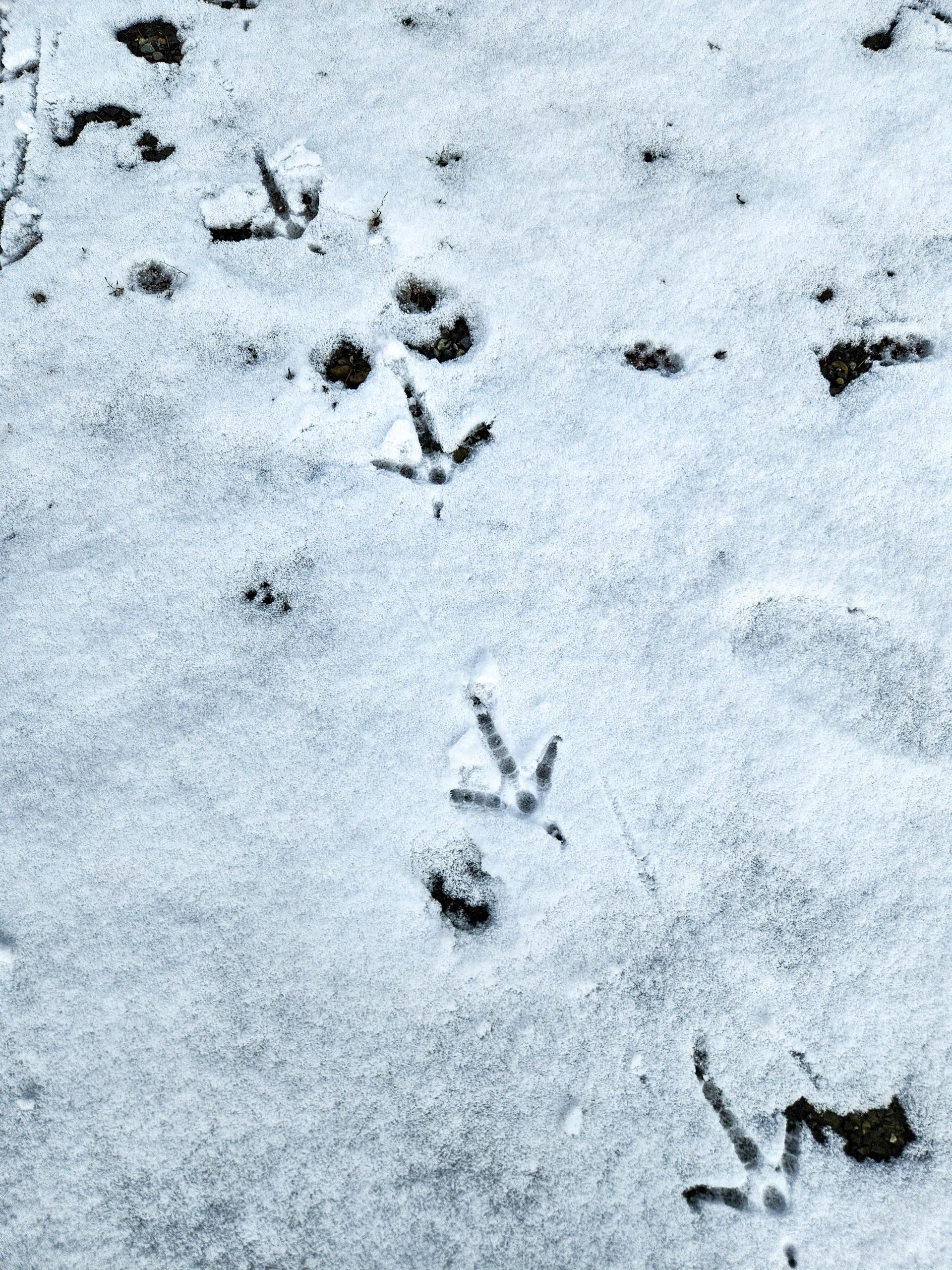
Across these diverse landscapes, Merriam’s and Rio Grande wild turkeys dominate the region, with some populations of Easterns. While they share many of the same behaviors as their Eastern cousins, there are some subtle differences, such as gobbling sounds and activity. Yet, at their core, turkeys in the West are still turkeys, and hunters must adapt more to the terrain and conditions than to the birds themselves.
For those planning to chase gobblers in the West, preparation is key. Here are some considerations that can help you find success.
Quality Clothing and Gear Matters
If you’ve hunted the East or Midwest, you may already know that weather can be unpredictable. In the West, that unpredictability is amplified. A day that starts with a warm sunrise can quickly turn to icy wind, sleet or even heavy snow if you’re in higher elevations. Even at lower elevations, afternoon thunderstorms can roll in unexpectedly.
That’s why layers are essential. A good base layer wicks sweat and moisture away during long hikes. A mid-layer insulates and helps hold body heat on cold mornings or in shaded canyons. And a durable, waterproof outer shell protects against wind and sudden rain or snow. Having the ability to add or shed layers throughout the day ensures you stay comfortable and safe no matter what the weather throws at you.
Footwear is equally critical. Western hunts often mean hiking miles over rough, rocky ground. A quality pair of boots with solid ankle support and comfortable, moisture-wicking socks can make the difference between staying in the field or cutting a hunt short due to blisters or sore feet.
“Gear is not just about comfort in the West; it can literally save your life,” said Chuck Carpenter, NWTF district biologist in Utah, Idaho, Arizona and New Mexico. “Especially Boots. Hunters should pay attention to snow levels in their area since heavy snow years can keep roads muddy or snowed in during the early season. Many areas may be inaccessible until later, when melt-off improves access. Sometimes waiting until the later part of the season not only makes travel easier but also opens up habitat that wasn’t available earlier.”
In addition, don’t overlook your pack. Out West, you’re often carrying your gear all day, sometimes up thousands of vertical feet. A sturdy, well-designed pack that distributes weight evenly and has space to haul out your harvested bird is worth the investment. Many hunters also carry water filtration systems in their packs, since streams and springs are often the only reliable water sources in remote country. These small considerations can add up to big differences in your hunt.
Understanding the Terrain and Fitness
One of the greatest advantages of hunting the West is the sheer amount of public land. National forests, BLM tracts and state lands provide endless opportunities. But with that opportunity comes a challenge: the country is vast, and turkeys can be widely dispersed.
Success often starts long before the season with e-scouting. Mapping apps and digital aerial imagery can reveal likely turkey habitat — timbered ridges, meadows near water, or brushy creek bottoms. Once you’ve narrowed down potential spots, boots-on-the-ground scouting is the next step. Spending time glassing open areas with binoculars or a spotting scope can help you locate flocks before the season and better understand their patterns.
On public lands, you’ll also encounter other hunters. It’s important to keep this in mind when calling, setting up or taking shots. Another hunter may be working the same bird, so always identify your target and beyond, and respect others’ space in the field. Being courteous and safe not only helps you but ensures a positive experience for all who share the woods.
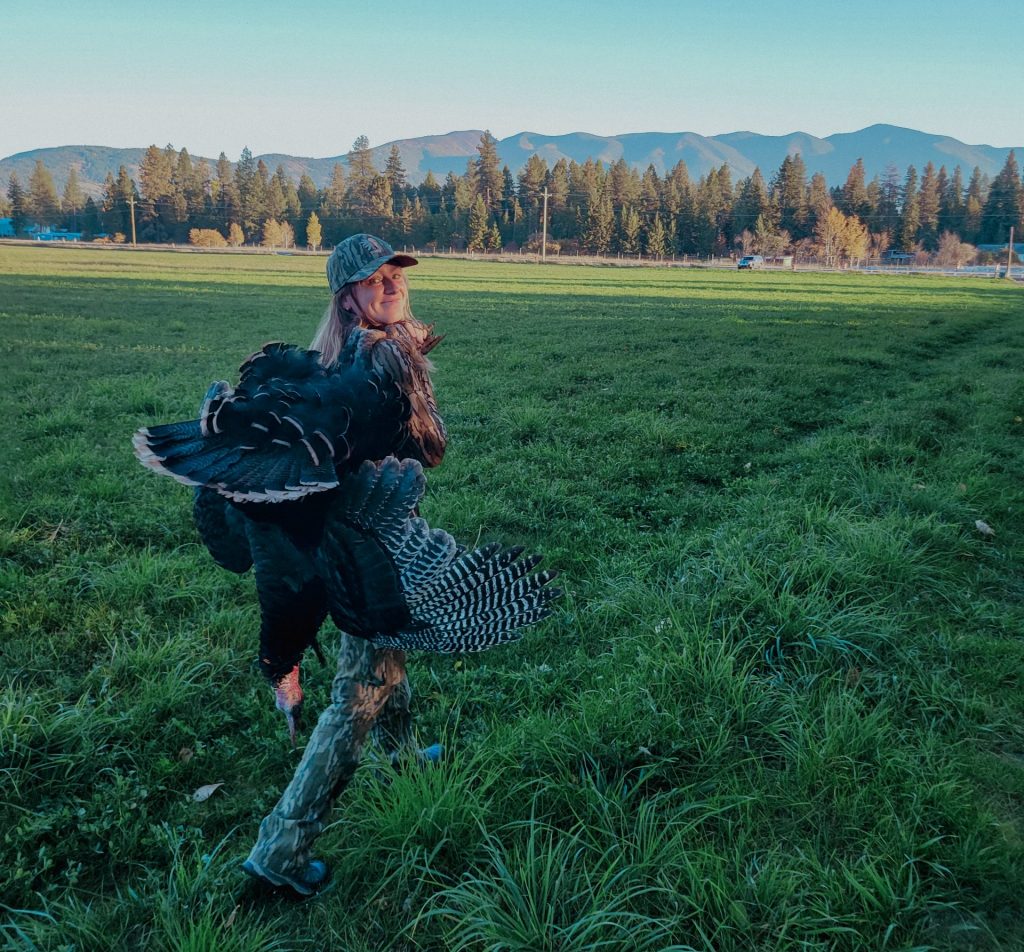
In addition to understanding the terrain, hunters must also recognize the level of fitness required to be successful in the West. Fitness plays a huge role in western turkey hunting. Unlike hunting from a blind or slipping along small woodlots, many western hunts require covering miles of rugged ground. Turkeys often follow the snow line as it recedes up the mountains in spring, feeding on fresh green forage. That means birds may be found at higher elevations later in the season — sometimes in steep, unforgiving terrain. Hunters must be prepared physically to reach them.
Being in shape helps avoid dangerous situations. The mountains demand respect, and fatigue can lead to poor decision-making. Remember that a successful harvest adds more weight to your pack, making the hike back out even more strenuous. Know your limits, stay hydrated and hunt with a buddy when possible.
Calling Strategies in the West
Calling turkeys in the West requires creativity and persistence. Many hunters use locator calls to trigger shock gobbles and pinpoint a bird’s location. Owl hoots, crow calls and coyote howls are common tools, but in the open expanses of the West, wind and terrain can swallow sound. Sometimes the birds simply don’t respond to those traditional calls.
That doesn’t mean they’re not there. Switching up sounds can make a difference. Some hunters have had success with duck calls or other loud, sharp noises that cut through the wind. The key is being adaptable. If one tactic isn’t working, don’t be afraid to try something different.
“Coyote howls are my preferred locator call — but only in the evenings,” said David Nikonow, NWTF district biologist in Montana, Wyoming and Colorado. “But I do not recommend using a coyote call in the mornings.”
Once you’ve located a gobbler, the basics still apply. Patience, realistic calling, and proper setup are just as important in the mountains as they are in the hardwoods of the East. But keep in mind that in open country, sound travels differently, and birds may cover long distances more quickly — or hang up on terrain features like ridges and canyons. Understanding how sound and sight lines work in the country you’re hunting will help you call more effectively.
“Determine if a decoy is worth it,” Nikonow said. “Sometimes, if terrain or vegetation alone can conceal you and make a gobbler come looking, you might not have to fuss with a decoy. Inversely, if the terrain is open, a gobbler might resist coming into an area if he hears a hen but can't see one that should be obvious.”
Respect the Challenge and the Reward
Hunting turkeys in the West isn’t easy. Birds can be spread out, the country is vast. and the conditions are demanding. But that’s also what makes the hunt rewarding. The views from a mountain ridge at sunrise, the echo of a gobble across a canyon or the challenge of matching wits with a Merriam’s in wild country are experiences unique to this region.
Preparation is what turns those challenges into success. From investing in the right gear, to studying maps and landscapes to staying physically fit, each step ensures you’re ready for whatever the West throws at you.
“With every hunting experience there is something to take away and learn from,” said Krista Modlin, NWTF district biologist for California, Oregon, Washington and Nevada. “Even those unsuccessful hunts can leave you with more knowledge than before and be applied to future hunting excursions. With the vast array of habitats to hunt in, there is no shortage of learning opportunities and the unique experiences you can gain hunting in the West.”