Turkey Science Across the U.S.
I recently returned from the 13th National Wild Turkey Symposium where university faculty, graduate and undergraduate students, state agency biologists, and a suite of other wild turkey conservation-focused folks got together for a week to discuss the future of wild turkey conservation.
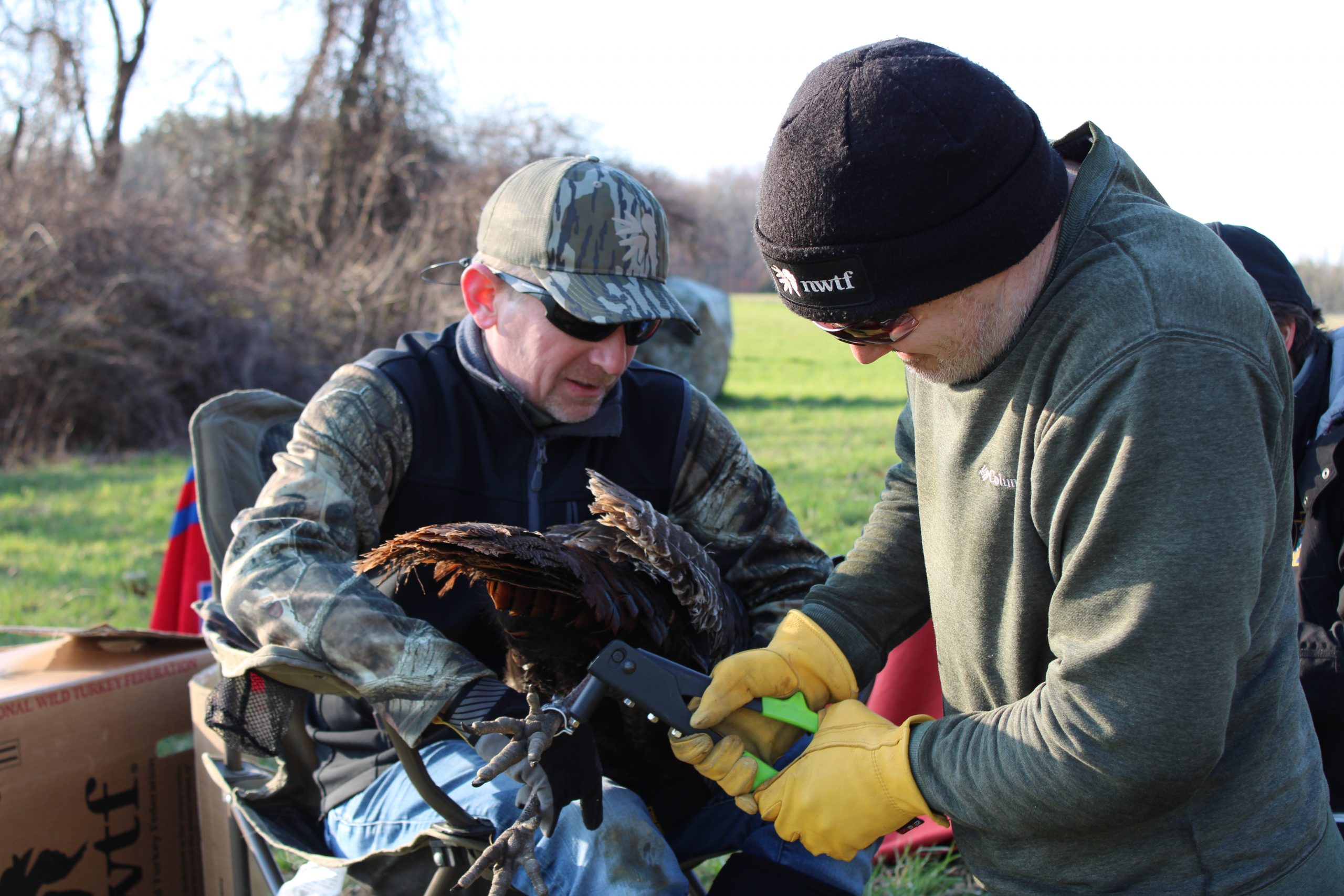
We heard a lot about ongoing and upcoming wild turkey research. You can find much more information on page 14, as well as podcasts, videos, and other links to the event’s presentations.
I was fortunate to have been asked to give one of the plenary talks at the Symposium, along with Eric Kurzejeski (University of Missouri) and Jason Hardin (Texas Parks and Wildlife Department). Given the knowledge and skill of those two scientists, I’d wager my part was out of necessity of needing someone to fill space as opposed to some specific piece of knowledge or utility I have to give to the turkey community. Regardless, the point of my plenary talk on the future of wild turkey science was that we need to avoid the cognitive bias of being confident that we know a lot about wild turkeys when, in reality, we often don’t know as much as we think we do.
Given the fact that we have known unknowns (things we know we don’t know), I commented that any scientist or wild turkey enthusiast must have 10,000 wild turkeys in their hands or spend 10,000 hours thinking about nothing but wild turkeys before they begin to even understand the birds. When I looked out on the audience at the number of students in the room, I realized there were many just starting their 10,000 wild turkey science trek, and that my responsibility as one who has certainly cleared the 10,000 threshold was to encourage them to focus their passion for wild turkey conservation intensely for the next several decades. They are the future of wild turkey conservation and will be in my shoes in 30 years.
One of the broader points I attempted to make in my plenary speech was how does wild turkey science move forward in the current era? Social media has provided a platform with varying utilities, where it can facilitate excellent scientific conversations as well as create absolute non-scientifically based noise that inflames but does little to conserve and manage wild turkeys. Social license, or the ability of our community to trust us to take risks and make decisions supporting the long-term sustainability of wild turkeys for recreational activities, necessitates that information transfer between scientists and the public is accurate. I challenged the audience to ensure that they are honest and true to the bird when discussing wild turkey science, as on-the-ground wild turkey conservation is not affected by whether or not a social media post gets likes or not.
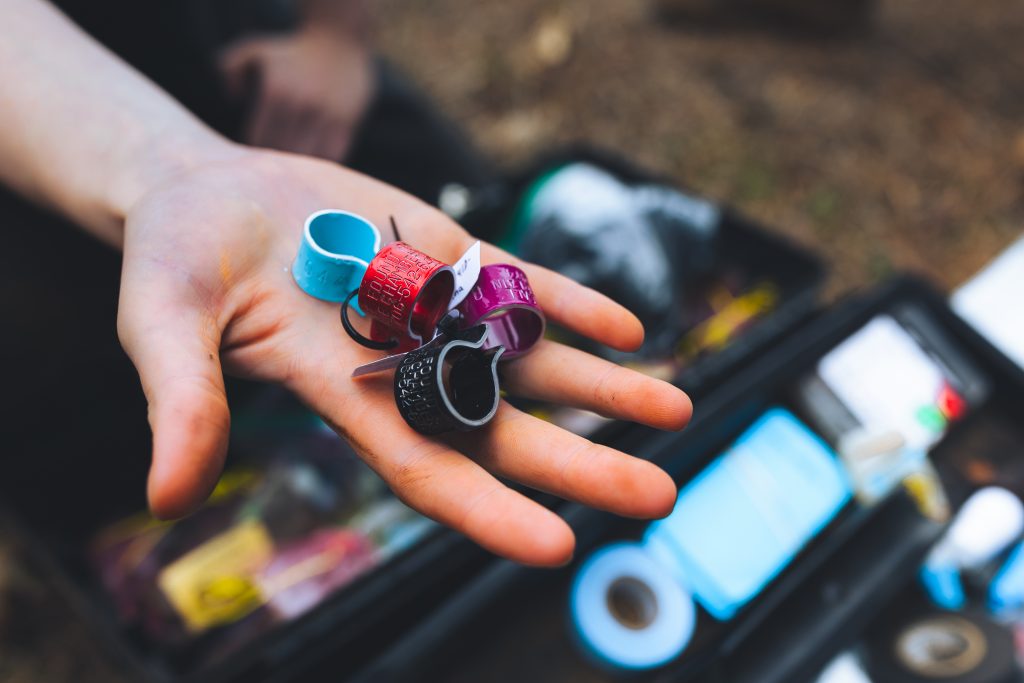
Outside of my talk at the National Wild Turkey Symposium, the diversity of topics discussed was broad and will be extremely interesting to all wild turkey enthusiasts! Science presentations and posters ranged from studies on reproductive ecology, nest predation, female survival, genetics, disease ecology, and included some nice multi-state collaborative work between various universities and state wildlife agencies.
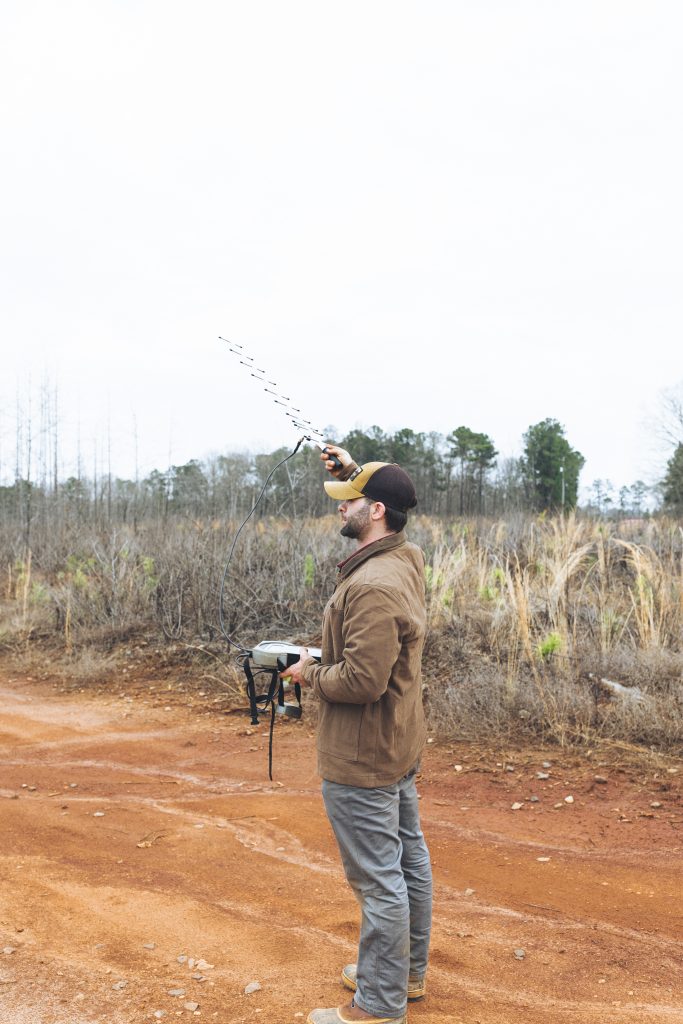
Finally, as many of you have probably noted, the National Wild Turkey Federation has hired a new national director of wild turkey research, Dr. Patrick Wightman. As such, it seems fitting for him to take over writing BioSpeaking and be responsible for providing the NWTF membership with updated information on active research across the country. Thus, as this will likely be my last BioSpeaking article, I hope everyone has enjoyed the science updates from work I have had the opportunity to initiate and direct at the local, regional and national level, and I encourage everyone to continue to support wild turkey conservation.