Say Cheese! TWRA Trail Cameras Photograph Wildlife using Healthy Habitat
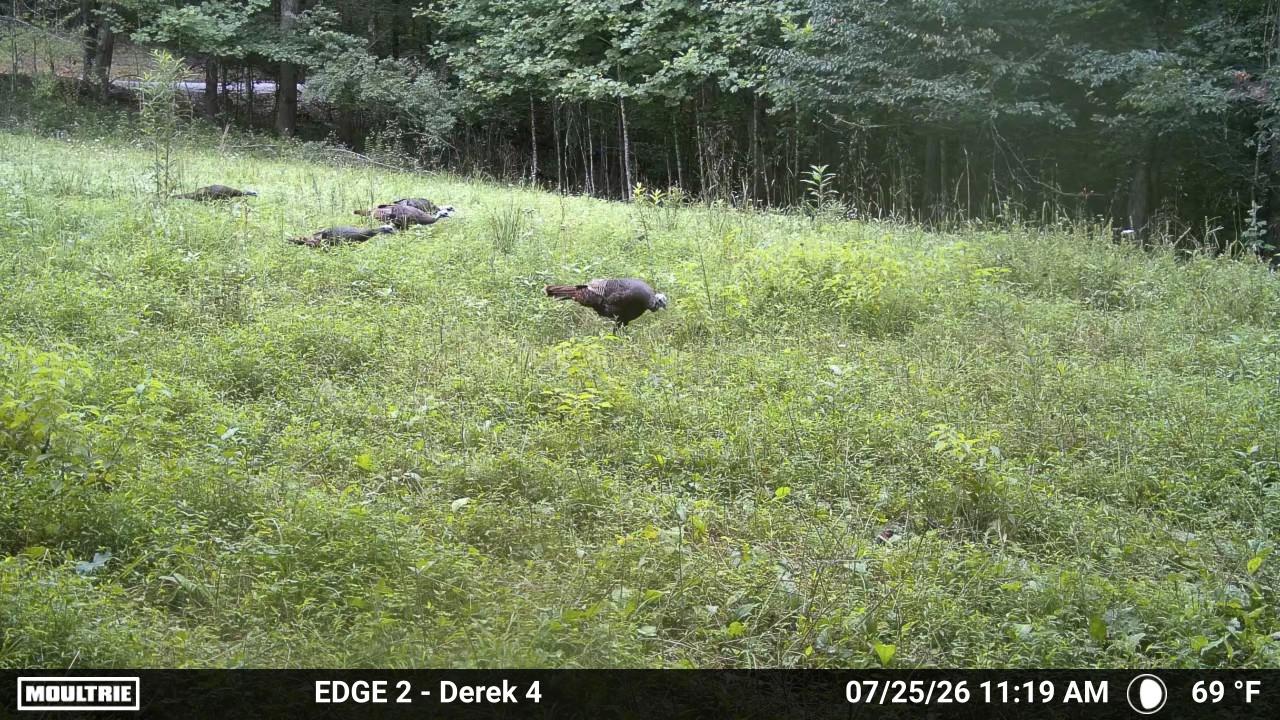
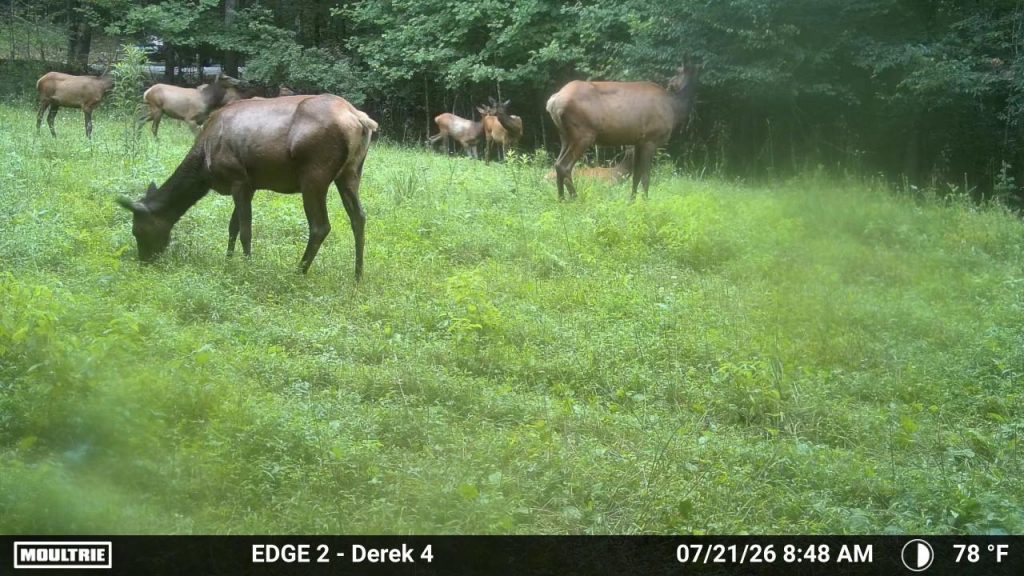
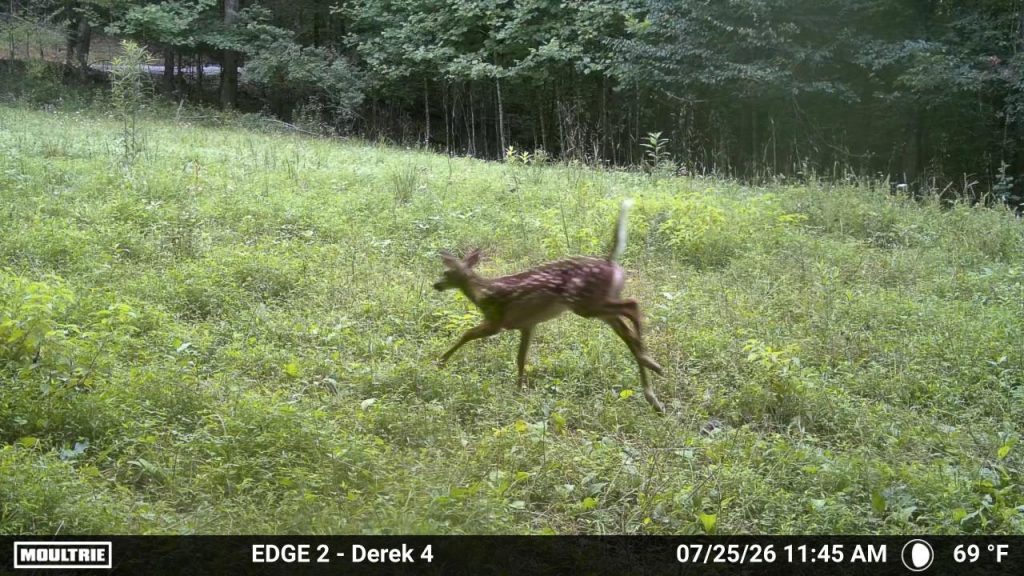
After several seasons of hard work on a habitat enhancement project within the North Cumberland Wildlife Management Area, trail cameras are now capturing pictures of deer, elk and wild turkeys reaping the benefits of a healthy habitat.
A few summers ago, the Tennessee Wildlife Resources Agency and the NWTF partnered on a habitat enhancement project to boost nesting and brood-rearing habitat for wild turkeys. The work included removing invasive species that were overtaking the Otey Mills Wildlife Refuge, an 800-acre section within the WMA. To do this, TWRA used helicopters and drones to apply a selective herbicide on invasives, which was then followed by a prescribed fire that would stimulate the native species in the soil seed bank.
After the first phase of work was completed, TWRA and NWTF installed trail cameras in the neighboring area to track the progress of the site.
“The conservation work that we do for the wild turkey benefits a multitude of species,” said Derek Alkire, NWTF director of conservation operations for the southeast. “These photos provide verification of how different wildlife species use the same space to meet their daily needs. We are proud to partner with TWRA to assist in their management efforts at a scale that can benefit not only exact project locations, but the entire landscape.”
Now, partners are moving into the next phase of enhancing the habitat and expanding the impacted acreage. In August, TWRA managers will begin creating three distinct forest conditions directly adjacent to each other: a 35-acre oak savanna, a 35-acre oak woodland and a 21-acre thinned forest stand. All three stands will be maintained, post treatment, with rotational prescribed fire.
This project will create more habitat for wild turkeys and other wildlife species that have been seen using the WMA, as well as creating diversity within the landscape. Having these three habitat types directly adjacent to each other will provide quality areas for hens to nest, feed and rear their young.
This project will also serve as a demonstration area for wildlife managers to observe the differences in the habitat types and understand how each is unique, and the individual benefits they provide to different wildlife species.
“Our hope for the upcoming project is that it not only provides quality habitat for wild turkeys and other species but can serve as a learning tool to promote landowner education and decision making on private properties,” said Keith Thomas, TWRA wildlife manager II. “We are grateful for the support the NWTF has given us in the past and look forward to the many opportunities the future may bring. These partnerships are critical to the future of wildlife management, and as new information arises, wildlife managers and biologists are constantly evolving their approach to provide the best management strategies they can.”