Unlocking the Power of Citizen Science
Helping people deepen their affinity for the natural world, citizen science, often referred to as community science, has emerged as a powerful tool for expanding the reach of conservation and management efforts for wildlife.
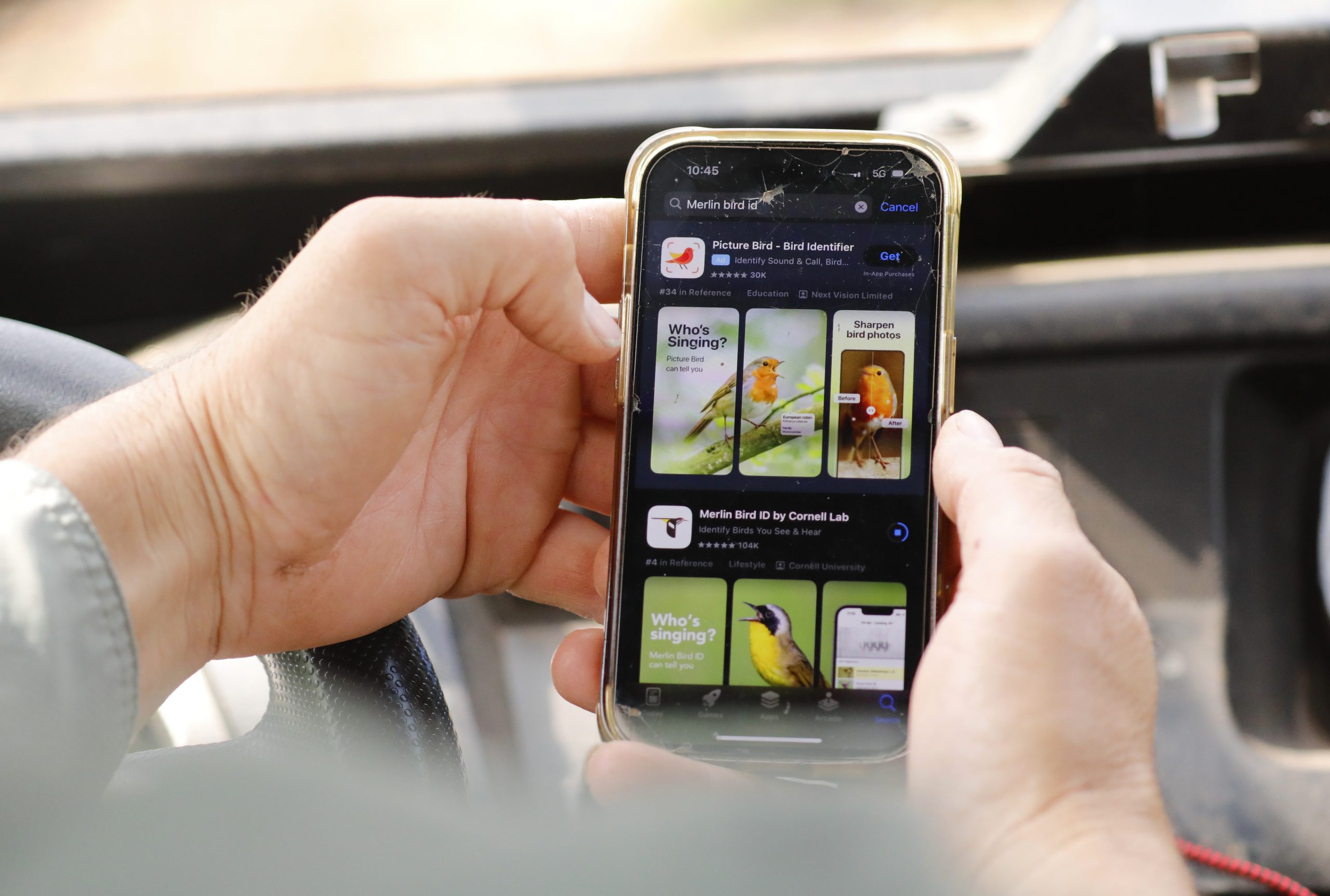
The development of nature-based mobile applications – such as iNaturalist, eBird and Merlin Bird ID – along with smartphone cameras and widespread Internet access have enabled non-scientists around the world to increase the scientific value and impact of their photographs on a scale never before imagined.
Dedicated volunteers from across the country participate every year with citizen science – coordinating volunteer-led trainings for new citizen scientists, building community-driven research projects for different species and areas, and refining online datasets involved in scientific studies. With the advent of citizen science apps opening the doors for anyone to contribute to data collection, coordinated events called BioBlitzes have emerged where groups of citizen scientists identify as many species as possible in an area in a specific time frame.
This invaluable data has been reflected in an abundance of peer-reviewed literature documenting behavior patterns, species interactions, and even unknown or rediscovered species. For the wildlife profession, capacity is no longer a major issue with the increasing ranks of citizen scientists ensuring exploration and data collection at an unfeasible scale for any one professional.
iNaturalist
With a project for everyone, iNaturalist is one of the most popular citizen science apps. Participants capture and upload their photographs – or a sound recording or other sign of an observation – of any species taxa (group of any rank, such as a species, family, or class) including plants, animals and fungi. The uploader can identify their species (with additional assistance from a trained species recommendation algorithm), and their observation is verified by identifiers on the app. An observation must be confirmed by another iNaturalist user in order to be considered research-grade – facilitating a collaborative network connecting citizen scientists with researchers, professionals and experts in different fields.
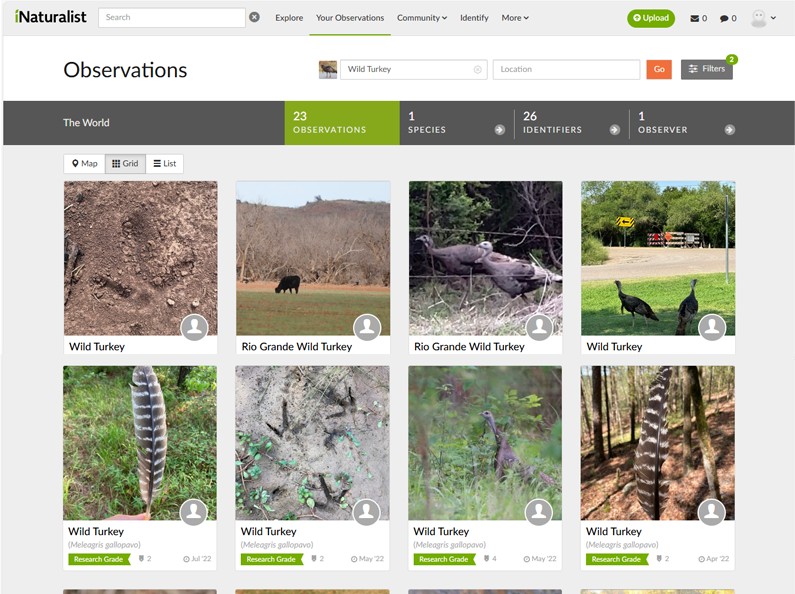
In a recent news update published by iNaturalist, over 4 million people worldwide have contributed nearly 300 million observations to the platform since it was founded in 2008 – a testament to the growing popularity of citizen science. Parallel to this exponential growth in the number of projects and participants has been the advancement of analytical software and statistical programming used to analyze comprehensive datasets from citizen science projects.
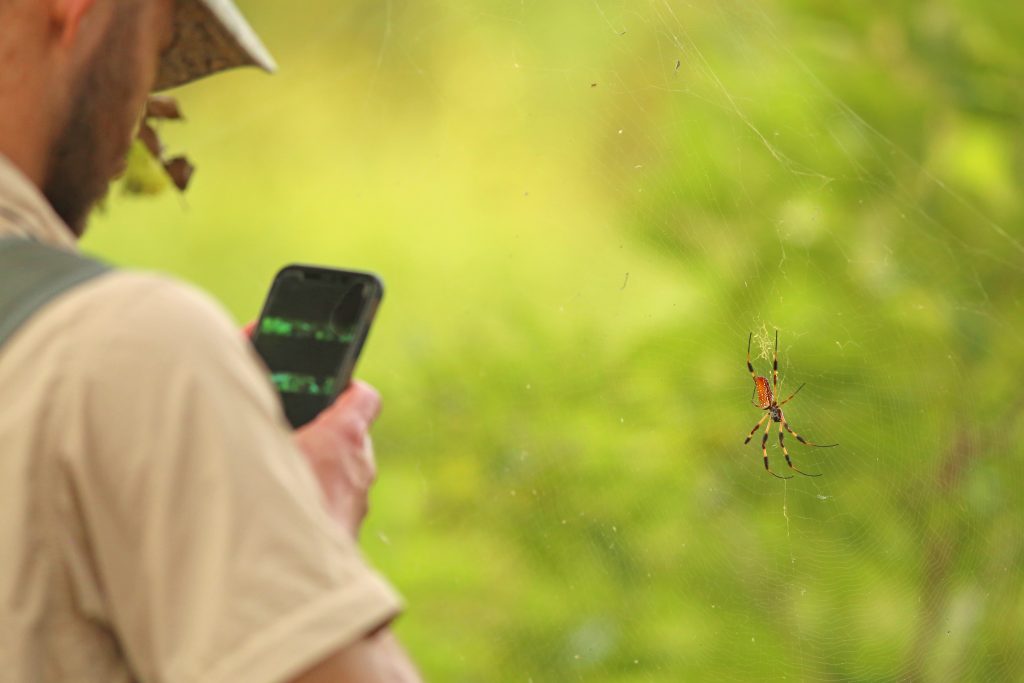
Given that iNaturalist incorporates diverse taxa, the data collected has been applied in multiple scientific areas. Scientifically verified iNaturalist data is used for helping track species ranges and expansions, detect invasive species and record biodiversity.
eBird and Merlin ID
Managed by the Cornell Lab of Ornithology, eBird represents one of the largest datasets of biodiversity data in the world. eBird allows users to keep a record or life list of their bird encounters, and the platform serves as a great complimentary resource for a traditional field guide. For those looking to hone their skills at identifying bird calls, Cornell’s Merlin Bird ID app serves both new and experienced birders alike. By submitting location data along with your observations, other birders can learn more about species in their area.
The eBird dataset is a summation of the North American Breeding Bird Survey, the Christmas Bird Count data (managed by the National Audubon Society), and scientifically verified iNaturalist observations. Working together to integrate datasets, researchers are creating new ways that citizen science-collected data will help in answering research questions at time and spatial scales never before possible.
Citizen Science Data Contributes to Wild Turkey Research
Research supported by the 2024 NWTF national RFP (Request for Proposals) program is underway to use community-collected data to improve monitoring of wild turkey populations. Researchers at the University of North Texas led by Andrew Gregory, Ph.D., assistant professor of Wildlife Spatial Ecology and Conservation, plan to combine longterm citizen data from the North American Breeding Bird Survey or BBS with a range-wide genetic analysis to better estimate current trajectories and future population changes for wild turkey groups across the landscape.
Initiated in 1965 with a test run and then officially in 1966, BBS consists of a roadside survey along standardized routes to ensure consistency and reliability. At specific points, trained volunteers identify and record birds by sight and sound. This data, collected throughout the North American continent by a dedicated cohort of volunteers, is analyzed by biometricians to deliver population trends over time for specific bird species.
“The plan for the project is to compare our molecular DNA results with count data such as Breeding Bird Survey to use state-space models to look at population trends – which turkey groups are stable versus those in decline and what differences might be influencing those trends on a genetic level,” Gregory said.
State agencies implement a variety of survey approaches to develop indices of wild turkey abundance. However, differences in methodology and implementation can make comparisons across states challenging. Developing a standardized, systematic survey framework could complement existing efforts by providing a consistent baseline for population assessment and facilitating regional and national comparisons.
“Many states already use BBS data for their turkey surveying,” Gregory said. “Although it’s not turkey-specific, one major advantage of BBS data is the consistency at which it is collected every year. Over time, it can be very useful for identifying trends.”
Looking to the Future
Engaging citizen scientists, researchers recognize the significant contributions being made and the need for connecting the public with data-driven wildlife conservation and management. Smartphones and technology have become a resourceful tool for outdoor learning and expanding ideas. The potential conservation outcomes paired with the benefits of promoting local ownership in wildlife resources are a force for supporting future efforts for species such as the wild turkey.
Whether you’re a novice or an experienced naturalist, you can join the citizen science movement by contributing your observations – all of which will likely enhance your appreciation for the nation’s wild places and wild animals.