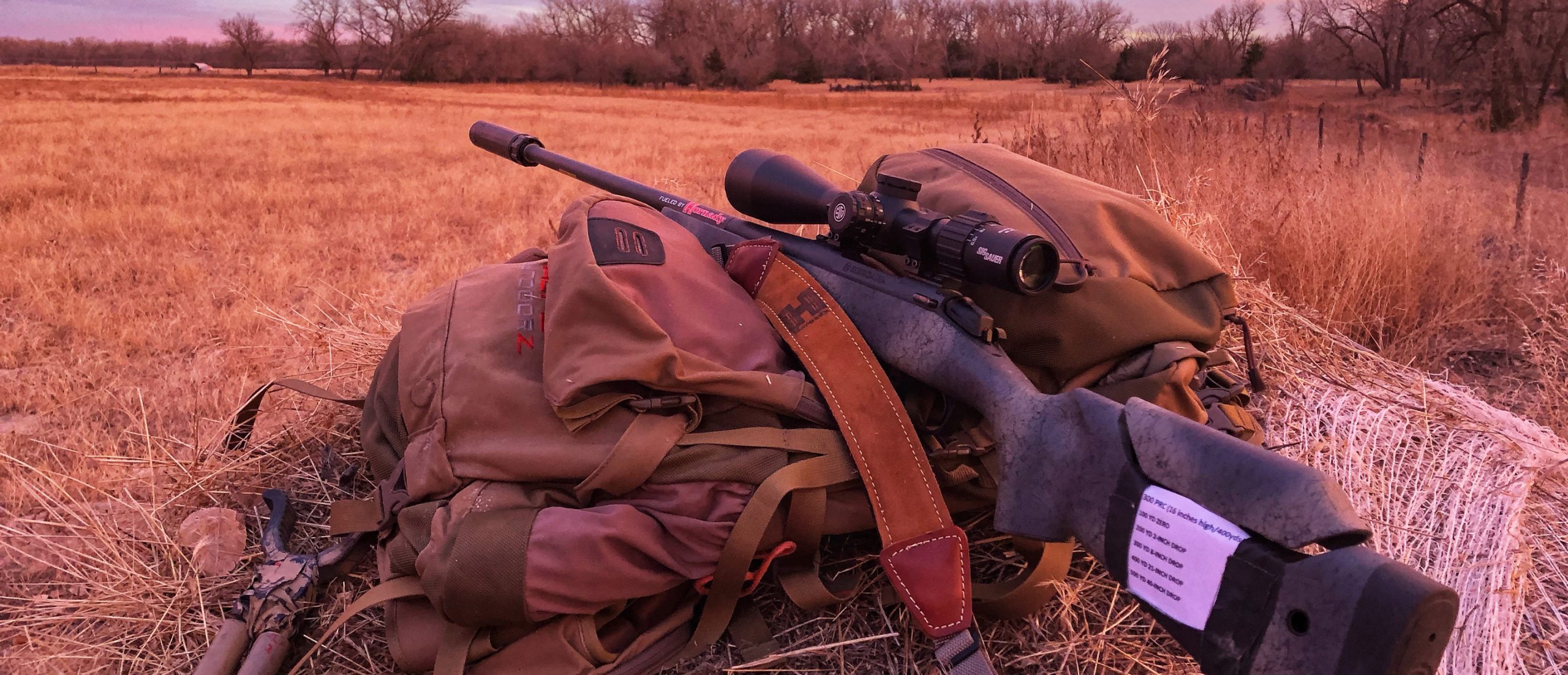
Use Your Riflescope Correctly
Variable power riflescopes account for the overwhelming majority of optics sold and for good reason; they offer undeniable variability for a variety of hunts and hunting scenarios. Even so, are you using the power settings on your riflescope correctly during the hunt with basic operation?
The following hunting settings set the stage for a quick classroom of getting the most from your expensive optic.
Close-Quarters Hunting
This circumstance finds you in dense cover with shots limited to 100 yards and likely 50 yards, or less. A deer could step out from behind any clump of brush or run past you pushed by other hunters. Before a split-second opportunity startles you, dial back your riflescope magnification power. Most variable riflescopes have a low-power setting of three or four. Set it there.
Next, consider parallax. This is the phenomenon of the reticle moving in relation to the target as your eye moves across the viewing end of the riflescope. It is caused by the target and reticle being in different focal planes. Check the side focus and set it for the distance you plan on shooting. Now, look through the riflescope to ensure your field of view is sharp at the target. The distance markings on a riflescope are not exact but get you awfully close. If the hunting backdrop changes, adjust your power and focus setting accordingly.
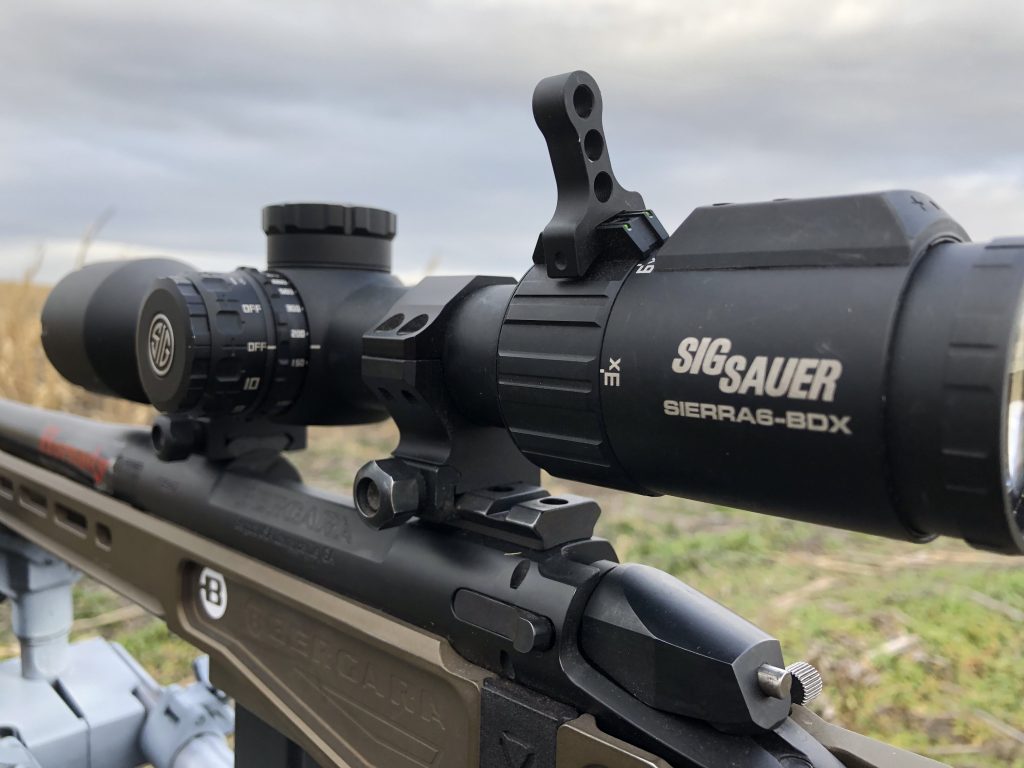
Field-of-View Hunting
This setup revolves around a hunt where shots could range from 200 yards. An example is hunting from a permanent blind and overlooking a food plot or agricultural field. Begin by identifying all areas of where you think a deer might appear. Now range them and find an average distance. Instead of increasing the power on your riflescope to account for the longest shot, average the power as well.
A good range, depending on the high-power setting of your riflescope, is to set the riflescope at six or possibly eight power. This range gives you moderate magnification, but ample field of view to track a moving target. If the deer is feeding or stopped, you always have time to dial up more power to increase confidence. Again, use the side focus adjustment to make the target clear and sharp.
Long-Range-View Hunting
Finally, you may encounter a long-range shot. If the only shot option available is for a long-range opportunity, plan for it. Range the distance, refer to your ballistic information and track wind changes to account for drift. Have your riflescope dialed up and pointed at the direction of the target. That scenario rarely occurs though, and if it does, it requires you to do all the above. Long shots, beyond 300 yards, require preparation.
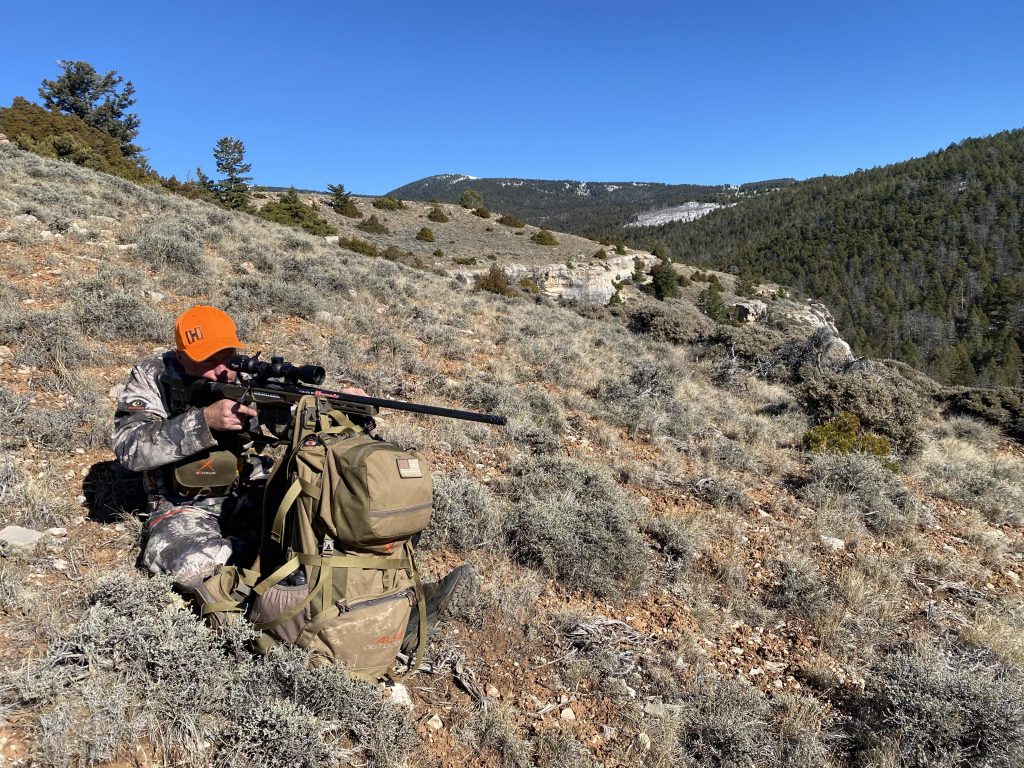
The more common situation is the second scenario with the possibility for a long shot surfacing. Start out by mapping all possible close shots and set up just like you would in the second scenario. If the distances increase some you may want to set your riflescope at 10 power. Again, make sure you have enough field of view at the suspected distance to follow game for a shot in a hurry.
After you plan for the highest probability shot, do your planning for that long shot. You should have ample time to turn the power to 18 or beyond as you calculate all the other factors required to hit the bull’s eye.