Volunteer-Driven Conservation Grows Habitat in Southeastern Idaho
Each spring, when I make the drive into southeastern Idaho for the annual tree planting workday, I’m reminded that conservation isn’t just about projects on a map or numbers in a report — it’s about people. People who show up early, get their hands dirty and give their time not for recognition, but because they care deeply about the land, wildlife and the future of their community.
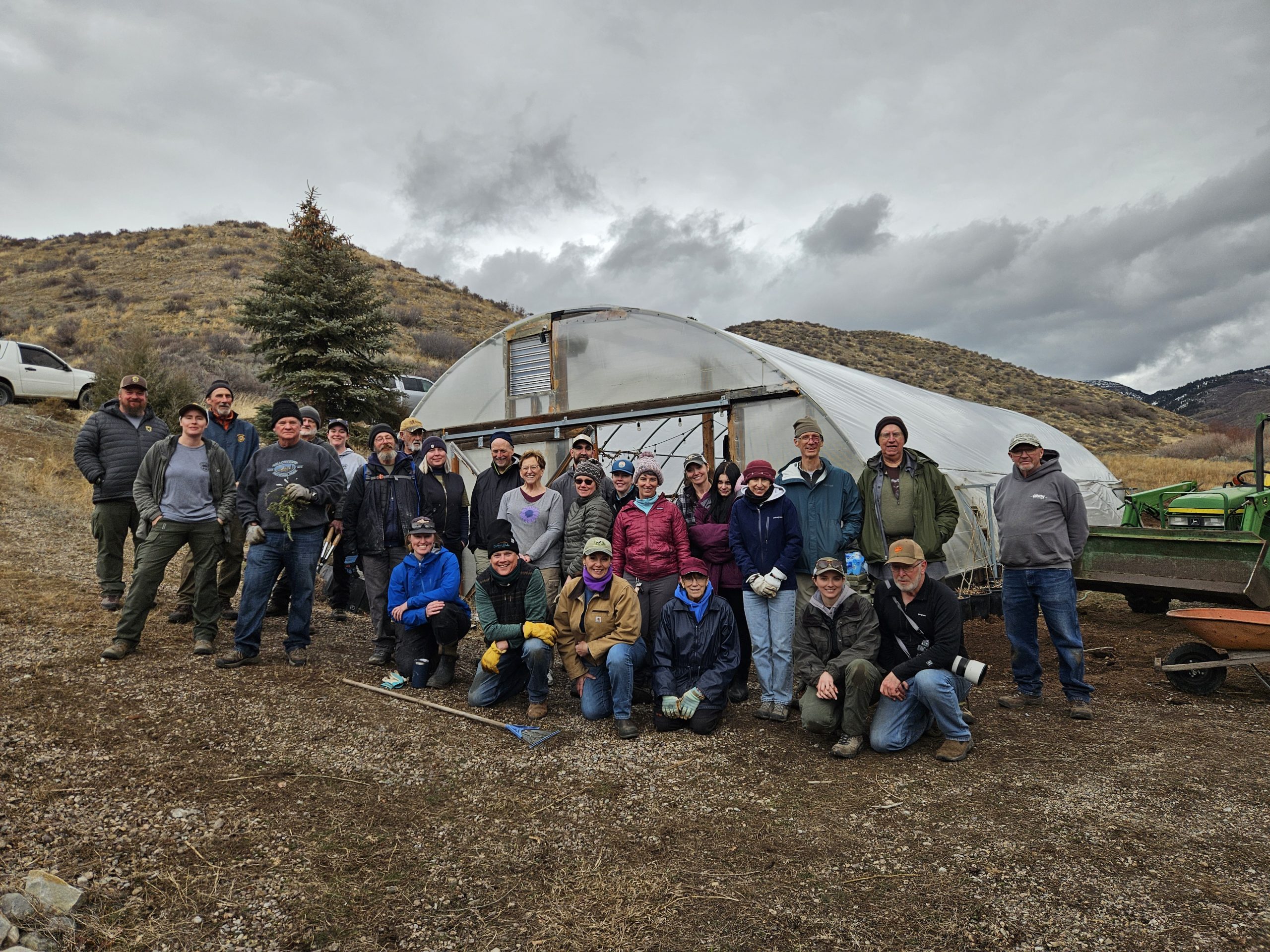
This year’s workday was no exception. With the weather on our side, volunteers from the National Wild Turkey Federation, High Desert Master Naturalists, Sagebrush Steppe Land Trust and staff from Idaho Fish and Game came together with a shared purpose: growing habitat from the ground up.
Throughout the day, volunteers worked side by side propagating locally sourced cottonwoods, Rocky Mountain maple, elderberry and chokecherry that will eventually be planted across southeastern Idaho to restore and enhance wildlife habitat. These aren’t just trees; they’re the foundation for healthier landscapes that support wild turkeys, wintering areas for big game and habitat for countless other species.
At the heart of this effort is Joe Foster, president of the Idaho NWTF State Chapter, whose dedication extends far beyond a single workday. Foster, along with a committed team of volunteers, oversees a greenhouse and tree yard that supplies Idaho Fish and Game conservation projects throughout the region. It’s a labor-intensive operation, powered almost entirely by volunteer effort, and one that plays a critical role in sustaining habitat work on public lands.
In just a few hours, volunteers propagated more than 1,000 trees and shrubs that will continue growing in Foster’s greenhouse and tree yard, where they’ll be acclimated to southeastern Idaho’s climate and soils before being transplanted later in the year. It’s patient, hands-on work, and it’s something that simply wouldn’t happen without volunteers willing to invest their time season after season.
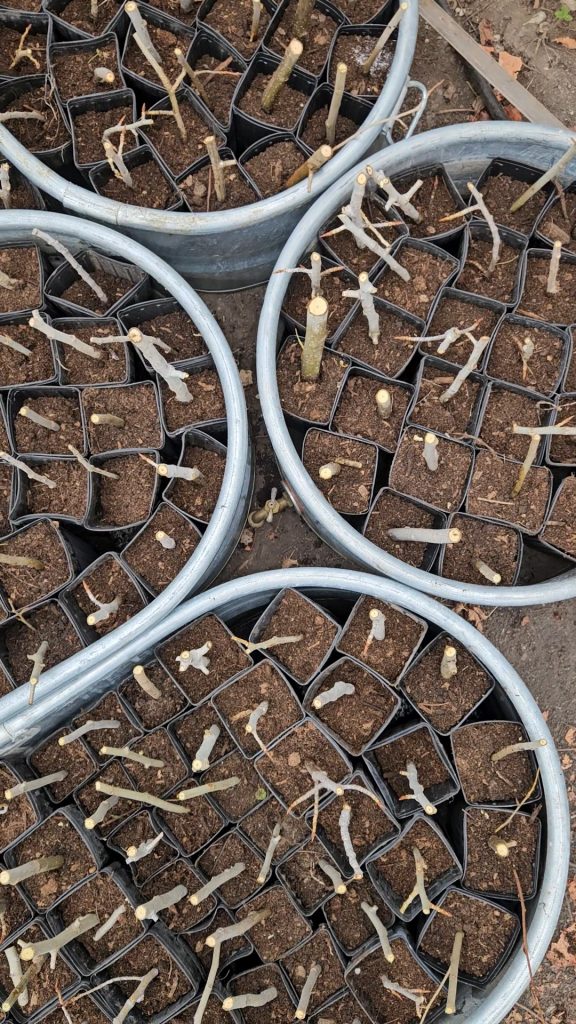
“Local sourced trees grow better at restoration projects compared to trees genetically adapted to locations hundreds or thousands of miles away,” said Jason Beck, Idaho Fish and Game regional wildlife habitat biologist. “Unfortunately, getting local sourced trees can be very expensive, and often they are not available at all. It has taken years of hard work to develop something like this. Our first attempt to grow a hundred trees didn't do very well, but we continued to try. This project and a couple others in the region will produce over 2,000 trees, and our volunteers are very valuable to our program.”
Once the trees are ready, volunteers will again return to the field alongside Idaho Fish and Game staff to plant them on public lands throughout the region. Trees and shrubs are critical components of wild turkey habitat, providing food, nesting areas, cover and shelter. In southeastern Idaho’s arid climate, where limited rainfall makes natural regeneration difficult, this hands-on approach is essential to creating quality habitat where it otherwise might not exist.
To further improve success, transplanted trees are placed in specially designed water boxes — self-watering systems that retain moisture and help young trees survive in harsh conditions. Since the partnership began, the NWTF, Idaho Fish and Game and conservation partners have planted more than 10,000 trees and shrubs across southeastern Idaho. Thanks to innovations like water boxes, one-year survival rates have climbed from roughly 20% to more than 80%.
With more work to come, these habitat improvements are growing because volunteers continue to show up, year after year, believing that small actions add up to meaningful change to ensure wildlife and outdoor traditions have a future.