Lake Wenatchee Habitat Project Continues to Bear Fruit
This summer, the National Wild Turkey Federation and its partners completed another successful phase of habitat restoration in the Lake Wenatchee area of the Okanogan-Wenatchee National Forest, improving 18.2 acres of forest habitat through a $21,500 NWTF Habitat Enhancement Grant administered by the Washington Department of Fish and Wildlife. Funded entirely through revenue from Washington turkey tag sales, the project demonstrates how hunters directly invest in conserving and improving wildlife habitat across the state.
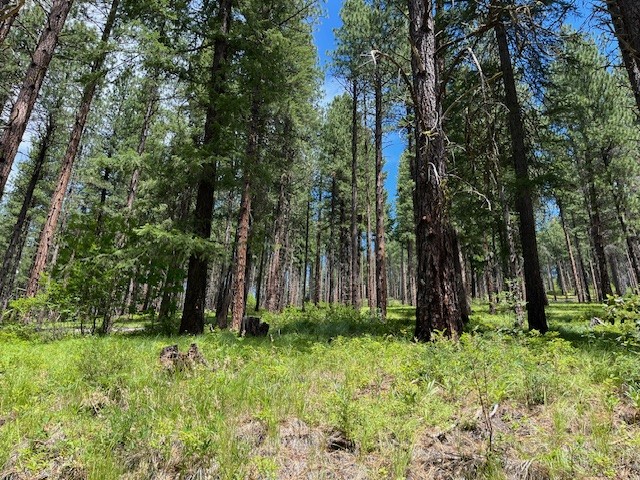
The work is taking place in a landscape known for producing one of America's most iconic crops. The communities surrounding Lake Wenatchee are part of Washington's celebrated apple country — a state that grows roughly 60% to 65% of the nation's apples and is home to the region often recognized as the "Apple Capital of the World."
But beyond the orchards, another harvest is taking shape.
The completed work builds on restoration efforts launched in 2025, when partners began enhancing habitat in the Wenatchee National Forest to improve conditions for wild turkeys and countless other wildlife species.
The latest phase focused on improving understory conditions by hand thinning dense vegetation that can limit native plant growth and wildlife use. While 18 acres may seem modest on a map, strategically restoring these pockets of habitat across two treatment areas creates important openings where grasses, wildflowers and shrubs can thrive.
These improvements benefit wild turkeys by increasing the availability of insects and native vegetation that poults rely on during their first critical weeks of life. The restored areas also provide valuable forage and habitat for deer, elk, pollinators and a variety of songbirds while helping create a healthier, more resilient forest. Every completed phase strengthens the surrounding landscape, creating a network of quality habitat that wildlife can use throughout the year.
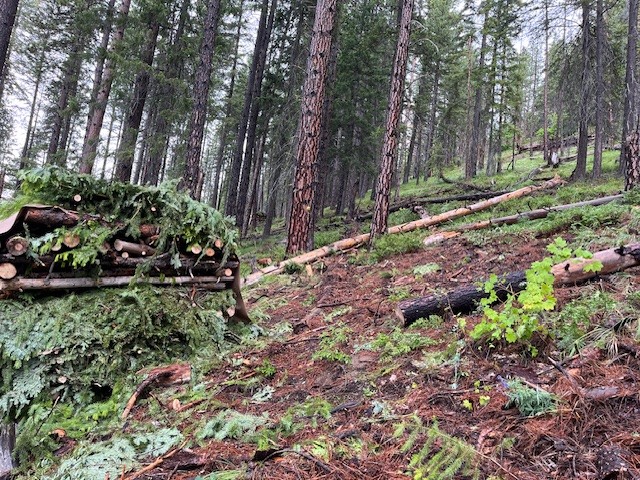
"Projects like Lake Wenatchee demonstrate how targeted investments can produce meaningful, long-term conservation results," said Krista Modlin, NWTF district biologist for California, Oregon, Washington and Nevada. "The NWTF's investment helped accomplish the full 18.2-acre treatment, continuing momentum established during last year's restoration work. By working alongside land managers and conservation partners, the NWTF ensures funding is directed where it can make the greatest impact on wildlife habitat."
As forests across the West face increasing pressure from wildfire, drought and invasive vegetation, proactive habitat management has become more important than ever. Treatments like these help restore more natural forest conditions, encourage native plant communities and improve overall ecosystem resilience.
The Lake Wenatchee project is another example of the NWTF's commitment to delivering on-the-ground conservation across the country. While visitors may know the region for its world-famous apple orchards, conservation partners are ensuring the surrounding forests remain just as productive, supporting healthy wildlife populations, cleaner watersheds and resilient public lands for generations to come.