Waterways for Wildlife Brings New Life to West Rifle Creek
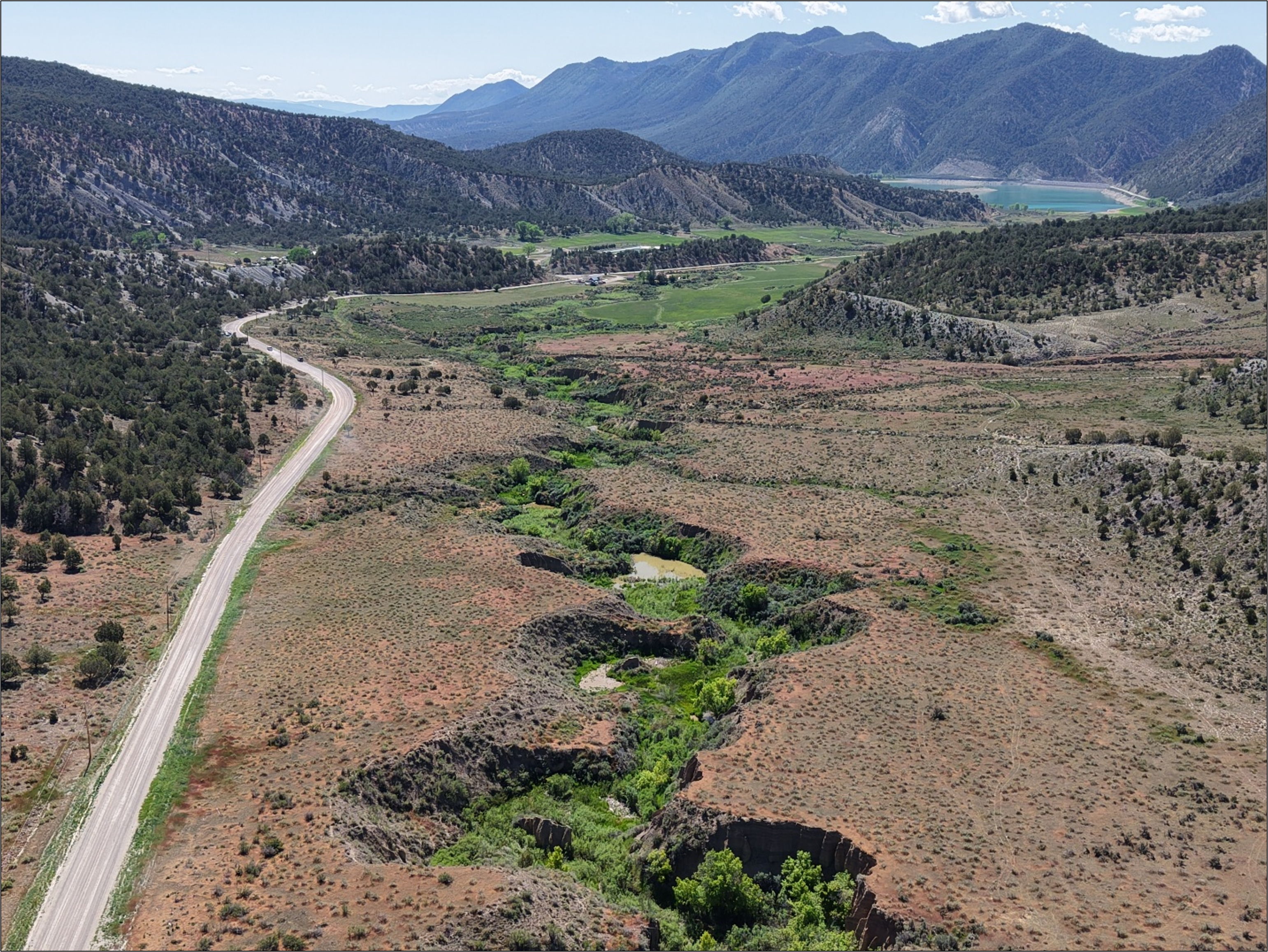
Along West Rifle Creek in western Colorado, water once rushed through a narrow, deeply carved channel, racing downstream before it had a chance to nourish the surrounding landscape. The stream had become disconnected from its floodplain, leaving wetlands drier, vegetation thinner and wildlife with fewer of the resources they depend on. Today, that story is beginning to change, not through heavy engineering, but by taking a cue from one of nature's greatest habitat builders.
Through the NWTF's Waterways for Wildlife Initiative, partners have completed the first phase of an ambitious restoration effort at the West Rifle Creek State Wildlife Area, helping the creek behave more like it once did. By slowing water, reconnecting it with the surrounding floodplain and restoring natural processes, the project is creating healthier habitat for wild turkeys while improving the entire watershed for countless other species.
This spring, restoration crews installed 39 low-tech restoration structures, including beaver dam analogs and woody brush structures, along nearly a mile of stream. Built from untreated wooden posts and locally sourced branches, these structures aren't designed to control the creek. Instead, they gently encourage water to slow and spread out, soaking back into the surrounding soils, much like natural beaver dams have done for centuries.
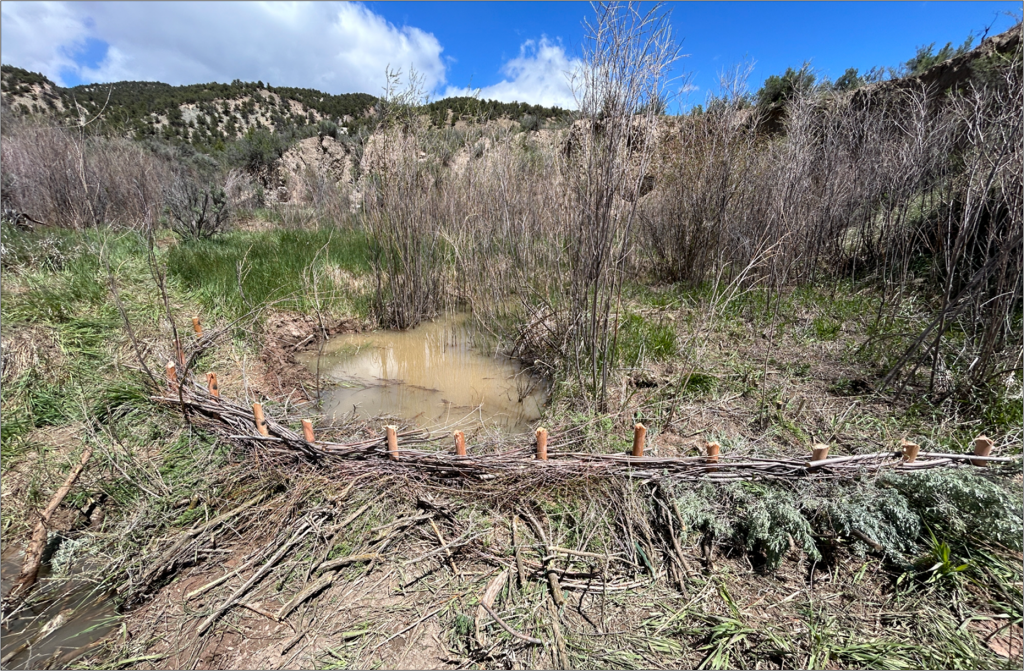
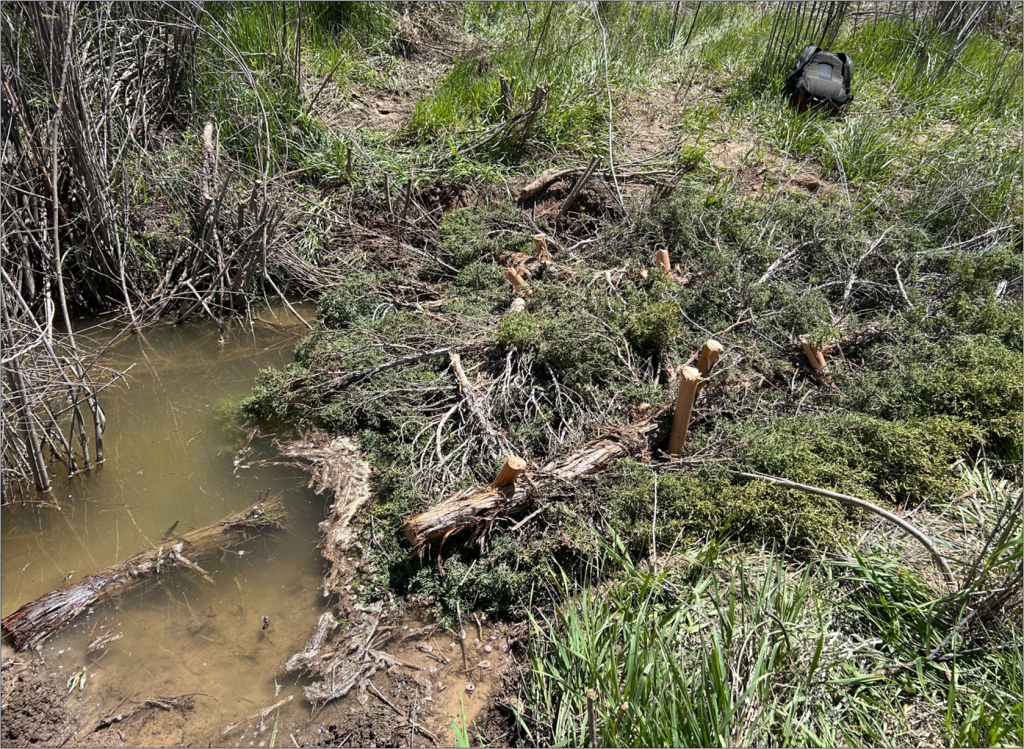
As water slows, it deposits sediment, supports new vegetation and creates the moist, diverse habitats that make riparian areas some of the most productive places on the landscape. Over time, these restored conditions can even encourage beavers to return and continue the work on their own, allowing nature to take the lead in maintaining a healthier creek system.
While birds may spend much of their time in adjacent woodlands and uplands, riparian corridors provide everything from dependable water and insect-rich brood habitat to protective nesting cover and shaded travel routes between larger habitat patches. The project is expected to improve nesting, brood-rearing, foraging and loafing habitat for wild turkeys while also benefiting mule deer, northern leopard frogs, beavers and a wide variety of other wildlife that rely on healthy creek systems.
"Riparian restoration is labor intensive and expensive work, but it's well worth the effort. These areas are relatively rare on the landscape but have big contributions to wildlife habitat despite being small in size."
The benefits don't stop with wildlife. Healthy wetlands act like natural sponges, capturing runoff during wet periods and slowly releasing water back into the system during dry months. They filter sediment, improve water quality, and help build resilience against drought and increasingly unpredictable weather. In the arid West, every drop of water held on the landscape can make a difference for wildlife, recreation and nearby communities alike.
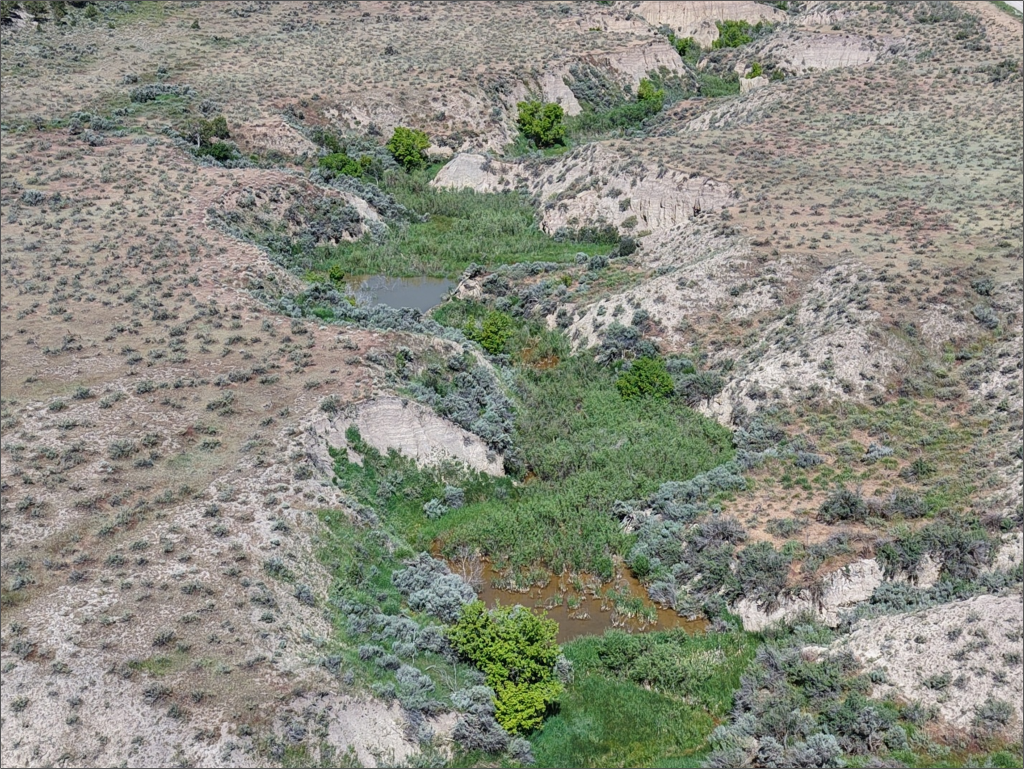
That is exactly why projects like West Rifle Creek are central to the NWTF's Waterways for Wildlife Initiative. Conserving wild turkeys means looking beyond the birds themselves and investing in the healthy watersheds that sustain the forests, meadows and riparian habitats they depend upon. By restoring the natural movement of water across the landscape, the initiative is creating lasting conservation outcomes that benefit game species and nongame wildlife alike.
Although the first phase of restoration is complete, the work is only beginning. Led by Colorado Open Lands, the project united Colorado Parks and Wildlife, Ducks Unlimited, the Mule Deer Foundation and the NWTF around a common goal of restoring natural processes to West Rifle Creek. As the partnership continues through 2028, long-term monitoring using drone imagery, photo points and beaver activity surveys will track the creek's recovery, documenting how slowing water today creates healthier wetlands, stronger wildlife habitat and a more resilient landscape for years to come.