Weather Effects
Dr. Tom breaks down how weather impacts gobbling.
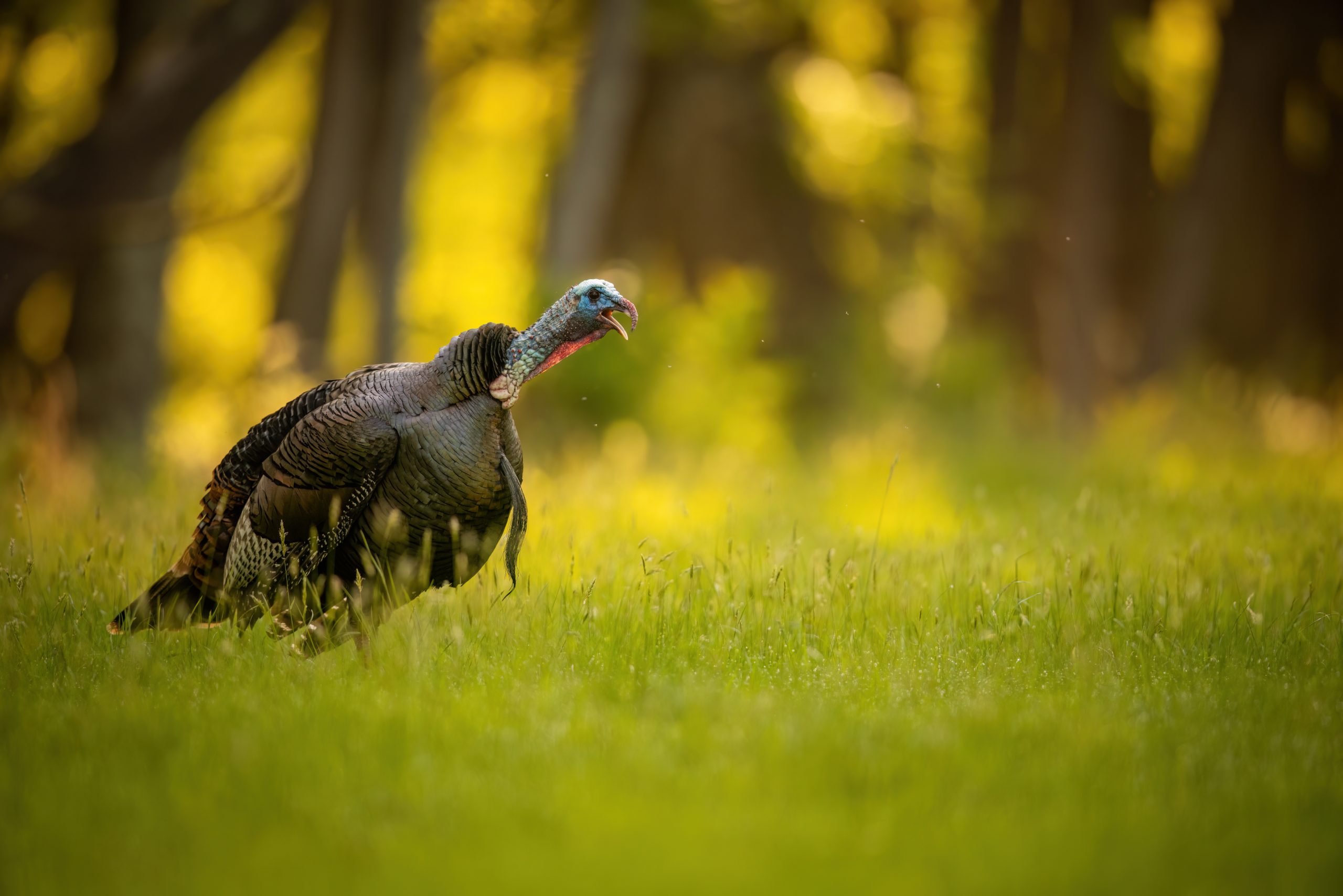
I hunt a place in Mississippi that has a good turkey population. Every so often I go and don’t hear any gobbling. As a hunter, I wonder if the turkeys have moved beyond my hearing or if weather conditions have tamped down gobbling activity. What do you think? Do some weather conditions discourage or encourage gobbling? — Michael W. Ulmer, via email
Thanks for your question and your membership in NWTF! I frequently hear questions about gobbling intensity and weather. Ask any group of avid spring gobbler hunters what they think and you’ll hear a variety of theories, often centering around cool conditions, low humidity, no wind and no rain.
My hunting observations are similar. Still, we must wonder if we theorize that those conditions affect gobbling activity simply because we are more comfortable on nice days. We are more at ease in the woods when it is not too windy, too cold or too hot, and not raining. Turkeys may be more at ease and active in those conditions, too — or are they?
Gobbling activity impacts spring hunter satisfaction. Everyone loves hearing gobblers sound off. Of course, gobbling is also an essential part of successful breeding activity among wild turkeys.
Biologists traditionally used roadside gobbling counts, listening posts and other methods to monitor gobbling frequency and intensity, with the aim of properly timing spring hunting seasons. These techniques of collecting gobbling data have shortcomings. Usually, such counts are conducted in good weather conditions to give observers an optimal chance to hear gobbling toms. Unfortunately, this approach does not provide an ideal opportunity to determine the possible effects of weather on gobbling activity.
Knowing that hunter satisfaction often depends on hearing gobblers, state wildlife agency biologists and university wildlife researchers examined factors that might encourage or curtail wild turkey gobbling. Among these factors are when hens nest and lay eggs, the turkey population and age structure, predator risks, traffic and farming equipment noise, hunting pressure and the rate of spring gobbler harvest as a season progresses. Weather conditions appear to influence gobbling, but figuring out its significance and which conditions might be important, presented researchers with unique challenges.
Let’s take a look.
Researchers from the University of Georgia, Louisiana State University, and the Georgia and South Carolina wildlife agencies used autonomous recording units (ARUs) to collect data on gobbling activity from several study areas. The ARUs are listening devices designed to collect data on noises at frequencies that are close to those produced by gobbling toms. From 2014 to 2018, the devices listened in on toms gobbling between March 1 and May 31. Study areas were in Georgia, Louisiana and South Carolina and consisted of large, huntable wildlife management areas, plus one Department of Energy facility that saw limited hunting,
Researchers eliminated noises other than gobbling during the analysis phase. Daily gobbling data was compared to daily data covering rainfall, wind speed, air temperature, humidity and barometric pressure. The statistical analysis was complex enough to make you dizzy, but researchers derived some valid conclusions.
While there may have been unknown variables, researchers concluded that weather plays a role in gobbling activity. Rain had the greatest impact, reducing the frequency of gobbling. Rain may affect wild turkey behavior because it makes their vision and hearing less reliable. Similarly, as wind velocity increased, gobbling decreased, also likely due to diminished hearing and vision.
A rising barometer means improving weather. The studies showed that gobblers are more prone to sound off when barometric pressure is rising from one day to the next. Higher air temperatures, though, appear to reduce gobbling, yet there was still some gobbling on hot mornings. Gobbling was less frequent when wind speeds were high, compared to calm or low-wind days. Researchers concluded that rain, higher winds and higher temperatures negatively affect gobbling, but increasing barometric pressure stimulated activity.
Previous studies gave us some precise ranges. For example, gobbling activity was highest when air temperatures were between 60 and 69 degrees Fahrenheit, wind speeds were less than 12 miles per hour and the barometric pressure was 29.9-30.2.
Most of us with a few years of spring hunting experience have noticed that blue bird days are the best. Then again, I have had dead quiet days that appeared to be perfect from the weather point of view. That said, there is never a bad day to hunt. I’ve called up gobblers in pouring rain or heavy snow, on hot mornings and windy days. Those mornings were certainly not the best and some may have been better spent sleeping in or having a good breakfast. Public land hunters might find rainy days ideal, offering a chance to have the woods to yourself. Picking a good spot and calling quietly on silent mornings has produced late morning gobblers for me.
So, to your question: lack of gobbling can result from a range of things, such as “henned-up” toms, hunting pressure and, yes, weather conditions. The research continues. Perhaps a future biologist will complete this puzzle and provide us with great advice.
Send your wild turkey questions, photos and videos to turkeycall@nwtf.net for Dr. Tom to answer.