What Hunters Need to Know Before Chasing Longbeards in Hawaii
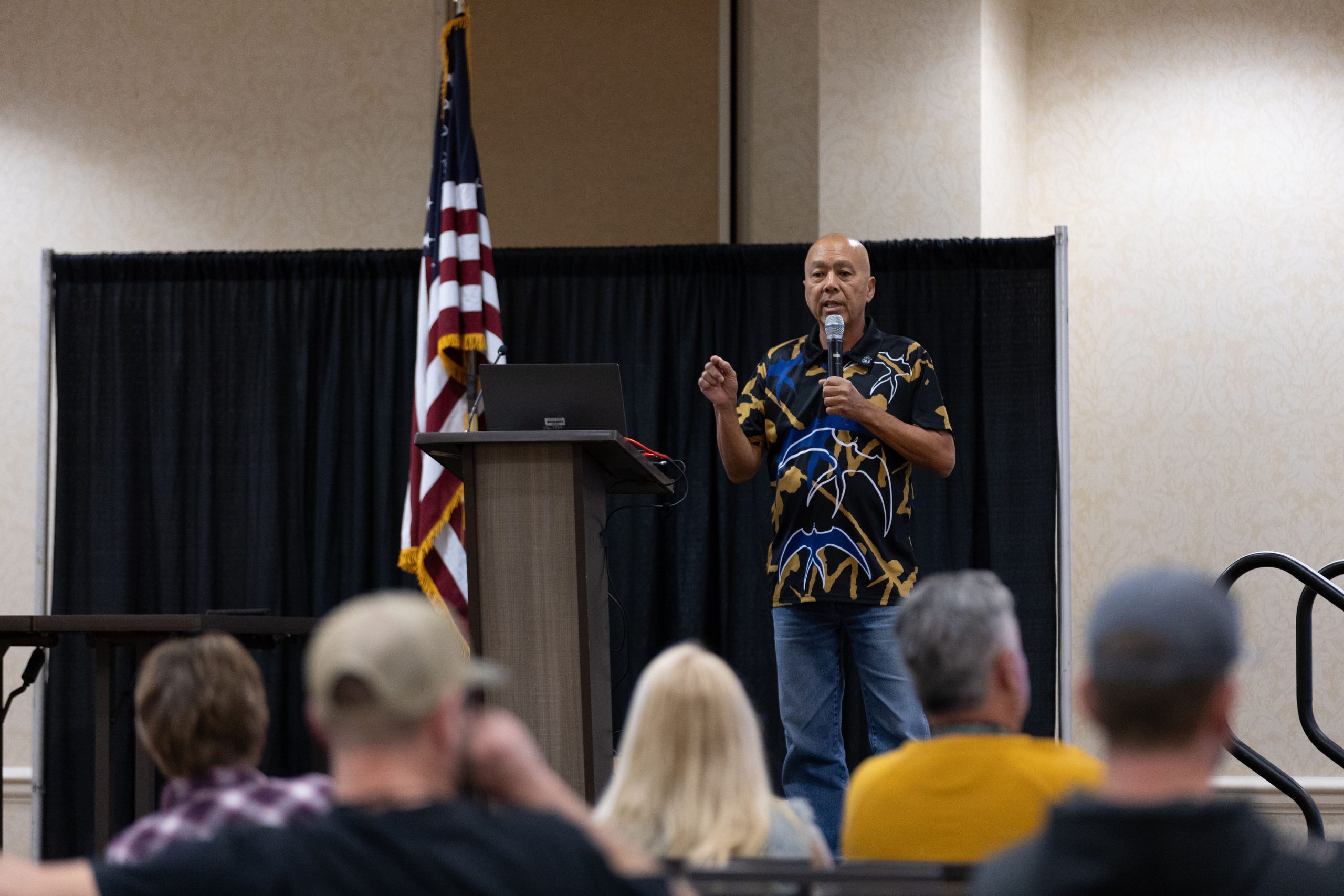
For turkey hunters looking to experience something truly different, Hawaii offers a unique opportunity that blends rugged terrain, expansive public land and Rio Grande turkeys thriving in unexpected places. But make no mistake, hunting turkeys in the Aloha State is nothing like chasing gobblers back home. At the 2026 NWTF Convention and Sport Show, NWTF Hawaii State Chapter President Jon Sabati gave an insightful presentation to attendees, and if you are planning a spring or fall hunt in Hawaii, here’s what you need to know before stepping into the field.
Seasons, Regulations and Safety Considerations
Hawaii’s fall turkey season typically runs from the first week of November through the last week of January on weekends and holidays, overlapping with pheasant and other upland bird seasons. Because of that overlap, blaze orange is required while hunting turkeys, a regulation that often surprises visiting hunters. Bird hunters and bird dogs are common in shared hunting areas. Staying visible is critical for safety.
Another regulation hunters must follow is Hawaii’s check-in/check-out system for public hunting areas. The state requires hunters to log their hunt access, and the OuterSpatial app is a valuable tool for navigating this process. The app helps identify public hunting areas, access boundaries and ensures you’re compliant with state requirements before and after each hunt.
Vast Public Land and the Work That Comes With It
Hawaii offers large tracts of public hunting land, but success doesn’t come easy. Hunters should be prepared to cover a lot of ground, often on foot, and hike long distances to locate birds. Elevation changes, steep slopes and rocky terrain are common, and turkeys may be spread out across vast landscapes.
Hunting at higher elevations can be productive, especially where birds use open terrain and forest edges. However, the terrain demands respect. The land is expansive, isolated and physically challenging. Hunting alone is strongly discouraged. A partner not only improves safety but also increases your chances of locating birds in unfamiliar country.
Camping is not allowed in public hunting areas, so plan accordingly and be prepared for long days in the field.
Access, Vehicles and Remote Terrain
Some of Hawaii’s popular turkey hunting opportunities exist near Mauna Kea, where elevation, weather and terrain can change rapidly. A four-wheel-drive vehicle is essential for accessing these areas safely. Roads can be rough, steep and muddy, and conditions can deteriorate quickly with changing weather.
Private Land Hunting Options
Hunters interested in pursuing turkeys on private land should know that Hawaii requires you to hunt with a licensed guide who has permission to access the property. Guided hunts can be productive and help eliminate many logistical challenges, but they also add to the overall cost of the trip.
Weather, Wildlife and Other Hazards
Hawaii’s weather can shift quickly, especially at elevation. Hunters should be prepared for rain, wind, cold temperatures and intense sun, sometimes all in the same day. Proper layering and hydration are essential.
There are also a few critters to be mindful of:
- Insects, including scorpions and ground bees
- Ticks, which generally don’t carry Lyme disease but still require attention. It is important to treat your vest, boots and gear before traveling to avoid introducing pests to the islands.
- Feral pigs and feral dogs can also be unpredictable in some areas.
Situational awareness and caution go a long way in keeping a hunt safe and enjoyable.
Plan for the Cost
Finally, hunters should be aware that Hawaii has a high cost of living, and that extends to fuel, food, lodging, transportation and guided hunts. Budgeting ahead of time is essential to avoid surprises once you arrive.
Hunting turkeys in Hawaii is an adventure that rewards preparation, physical effort and respect for the land. With expansive public opportunities, challenging terrain and turkeys in a truly unique setting, it’s a hunt many NWTF members will never forget.
If you plan it right, Hawaii can offer one of the most memorable turkey hunts you’ll ever experience.