Why Hunters Miss
One guide noted a 65% miss rate during the 2025 season. Here’s how to improve those numbers.
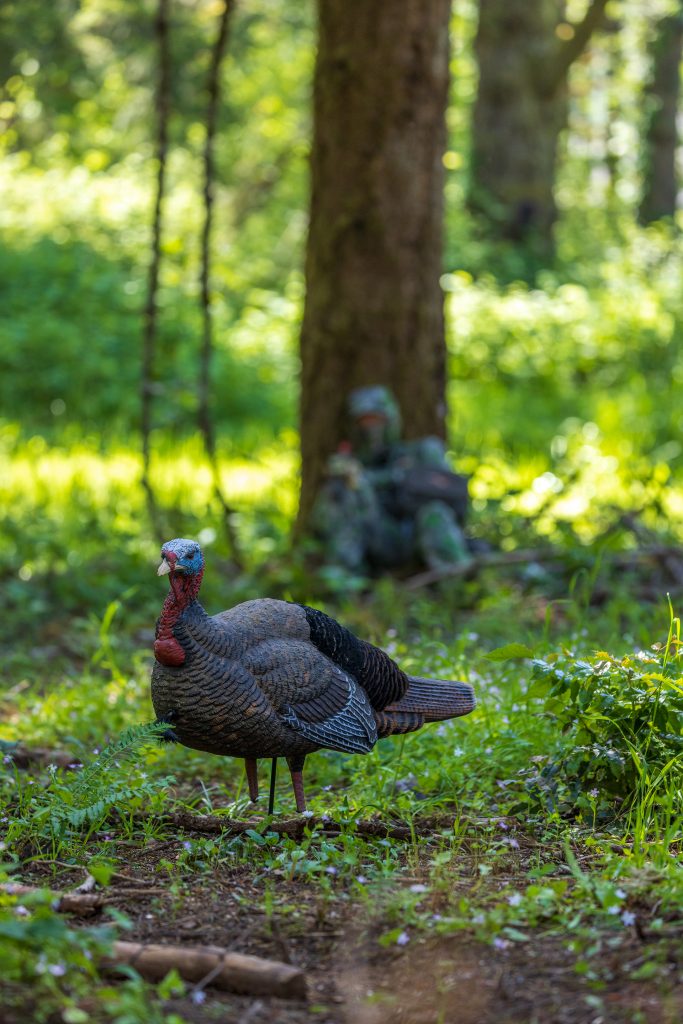
“That’s No. 42,” came a text from my guide buddy, Jody Smith, on the final day of spring turkey season. “Didn’t think they’d beat last year’s number of misses, but they did, by four!” With 64 tags to fill, that’s a 65% miss rate.
When you’re a full-time hunting guide, every missed shot by a client costs you time and money.
“The crazy thing is, I’m seeing more misses now than I did 25 years ago, and with today’s gear, it should be just the opposite,” Smith emphasized in a recent conversation.
Smith isn’t the first guide I’ve heard voice such concern. And I’m surprised with the number of turkey hunters I hear from who miss seemingly slam-dunk shots. They’re not always new hunters, either, some have experience. So, why are so many hunters missing turkeys?
Smith sits in ground blinds with a lot of his clients.
“The most common reason for a miss is not staying in the gun,” he confirms. “I know before the trigger is pulled when a hunter is going to miss because they lift their head instead of staying on the target, eyes focused down the barrel. These misses are high, often three feet over a tom’s head at 25 yards.”
“Flinching at the shot is also common,” Smith says. “Many hunters are over-gunned with short-barreled, straight-framed shotguns and super magnum loads with extra full chokes, and those setups pack a serious punch. If you’re not comfortable shooting on the range and are worried about recoil during a hunt, downsize your gun and/or loads.”
“Women are consistently good shots,” Smith smiles. “They shoot smaller gauge shotguns with lighter payloads, stay focused when a tom comes in, and rarely battle the adrenaline rush.
Some youth get pretty amped-up, but when I notice this, I can usually calm them down before they shoot. They listen.”
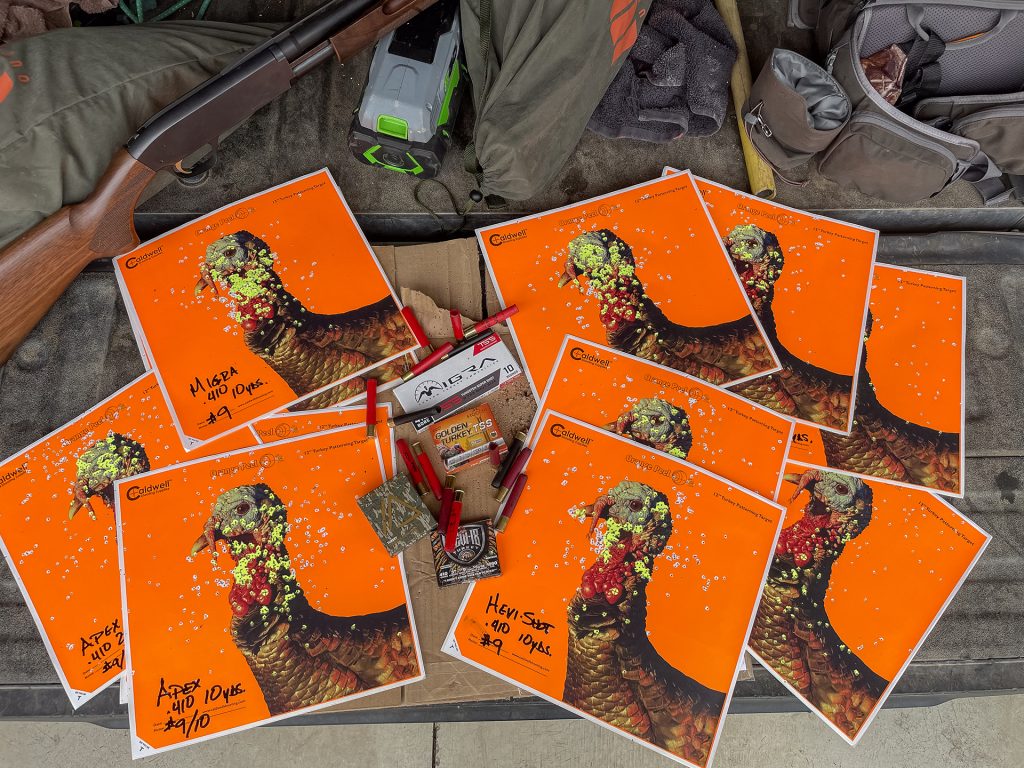
Once you decide on a turkey hunting setup, pattern it at 10, 20, 30 and 40 yards. Know exactly how it hits and practice shooting with it. If you find yourself coming up out of the gun or flinching at the shot, consider downsizing your loads or mounting a red-dot sight. Taking a shot at a turkey, or any game, should be second nature. All you should focus on is the animal’s behavior and when to pull the trigger. If worried about recoil and payload performance, something has to change.
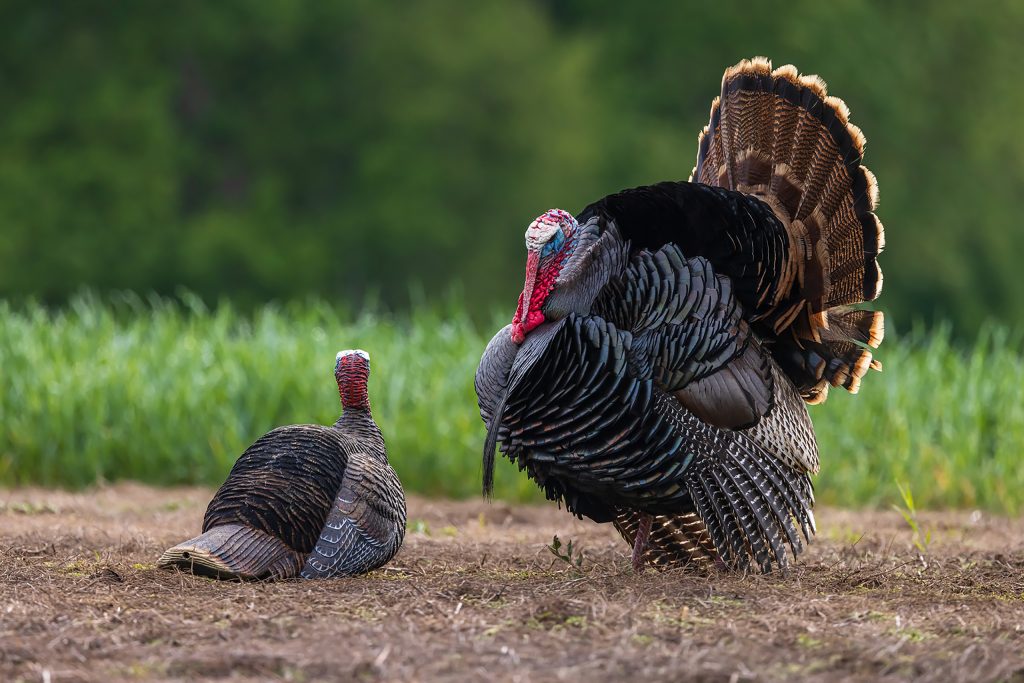
“Hunters who show up with red-dot sights on their shotgun rarely miss,” points out Smith.
“The dot forces you to stay in the gun, focus, and place each shot with pinpoint accuracy.”
Today’s magnum loads and setups encourage hunters to take longer shots, too, and this can be the cause of increased misses. The joy and reward of turkey hunting is bringing a tom in close. Big payloads deliver more pellets with more energy, thus a more efficient killing power at 20 or 30 yards. I can just about promise that magnum loads weren’t designed to encourage taking 60- and 70-yard shots I often hear turkey hunters talk about, rather to deliver more lethality at traditional distances.
“I see misses with sub-gauges, too,” Smith said. “But for the wrong reasons. Patient hunters who know their loads, shoot well and let toms work in close, consistently fill tags, but folks who want to shoot a turkey at 50 yards with a 28 gauge or .410, often miss. They’re using these smaller shotguns with fewer pellets for the wrong reason.”
I agree. In my mind, the smaller the setup, the closer you want to bring in a tom, and the better of a shot you must be.
“And don’t get me started on the number of hunters who show up in camp having never fired a new turkey shotgun, or a new load,” Smith shakes his head. “A hunt is not the place to test gear. Have it dialed-in and know exactly how it’s going to perform.”
In other words, put in the range time and don’t leave things to chance. Once you find a gun, choke, load and sight you like and have confidence in, stick with it.
Using tripod shooting sticks will further increase shot accuracy. Better yet is one with a saddle and pivoting head that allows the gun to be moved slightly on an approaching tom, if needed. It virtually eliminates movement and noise.
Before you commence calling, take a range reading on various objects where a tom might come to. Knowing potential shot distances, and how your gun patterns at each, will greatly increase shot accuracy. The less you leave to chance, the more accurate your shot will be, period.
For signed copies of Scott Haugen’s popular book, Western Turkey Hunting: Strategies For All Levels visit scotthaugen.com.