Wild Turkey Legs 101
Hopefully you had a great spring, filled a wild turkey tag or two and have some leg/ thigh meat to use this summer and into the fall. Most people focus on the breast meat, and the thighs and legs often get overlooked.
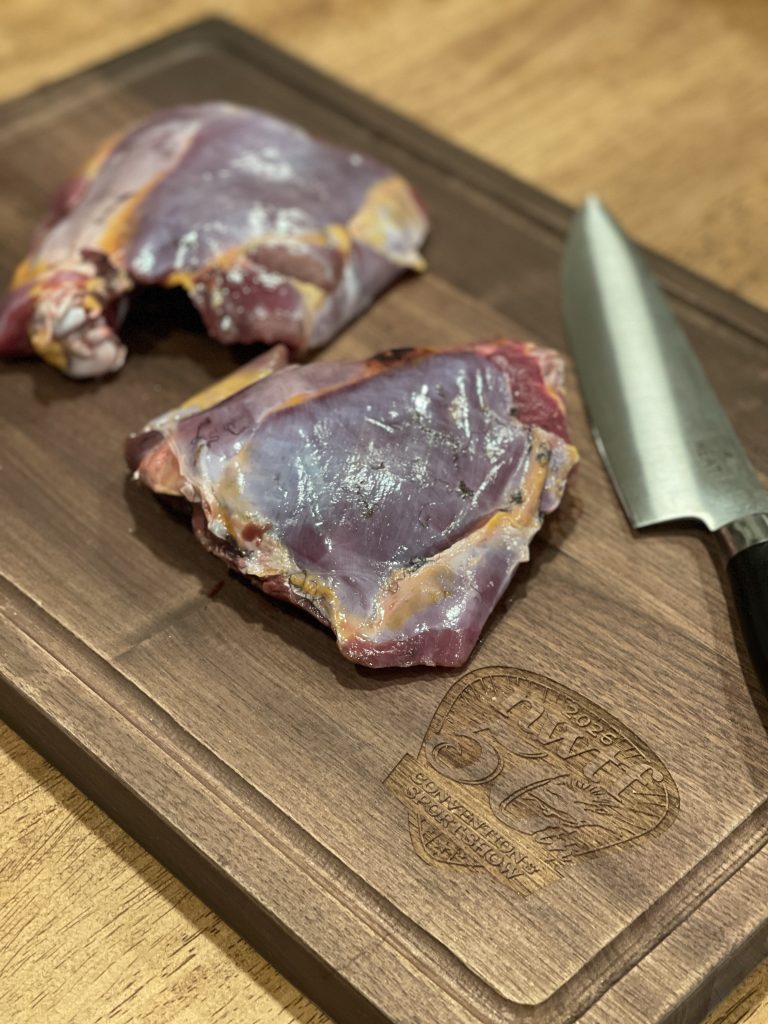
It’s understandable, wild turkeys move constantly, which means those muscles work harder. The result? A tougher cut loaded with tendons that many hunters simply don’t want to deal with. Trust me, passing on that meat is a mistake. With the right cooking methods, wild turkey legs and thighs become incredibly tender and versatile. I actually prefer these cuts for slow cooked dishes because they bring a deep flavor you just don’t get from the breast.
Here are my top tips and tricks for using these underrated pieces into some of the best meals you’ll pull from your freezer all year.
First things first, don’t let them intimidate you. Yes, turkey legs and thighs can be tough, but all they really need is time. Low and slow cooking turns them into tender, fall-apart meat that you can use in dozens of recipes. Though, we have to get them off the bird first. When breaking down the leg quarter of the bird, use the joints for ease of processing. Start by cutting through the skin at the base of the hip, popping the hip joint and cutting the tendon; this will separate the whole leg quarter from the carcass, then separate the thigh from the drumstick at the knee joint. The final step is removing the foot from the drumstick, again using the joint that connects the two leaving you with two cuts from one leg quarter and the feet with spurs ready for show.
Let your Crock-Pot do the work. You don’t need a fancy setup. Put the legs and thighs in the Crock-Pot in the morning and let them cook all day. By dinner, you’ll have meat that’s tender and shreddable, a pot full of flavorful broth and a house that smells incredible. This is the easiest hands-off method and perfect if you want to use the whole bird throughout the season.
If you’re feeling a little fancy, try braising. This method is a little more hands on, but the reward is next level. Browning the meat first and cooking it slowly in a small amount of liquid, creates a thick, concentrated stock with meat that is moist with a deep flavor that falls off the bone. Braising takes more time, but the payoff is incredible. On the flip side, a pressure cooker/instant pot will cut your cooking time down to almost a quarter of the time, giving you a quicker cook, though sacrificing the deep flavor for convenience.
Overall, the ultimate goal is to maintain a moist and tender meat. Methods such as slow cooking, brazing or pressure cooking will give you that result. If you’re looking for an added flavor, smoking the thighs will do, though, a brine is necessary. Smoking wild turkey legs is not my preferred method, because it is difficult to maintain the moisture and integrity of the meat.
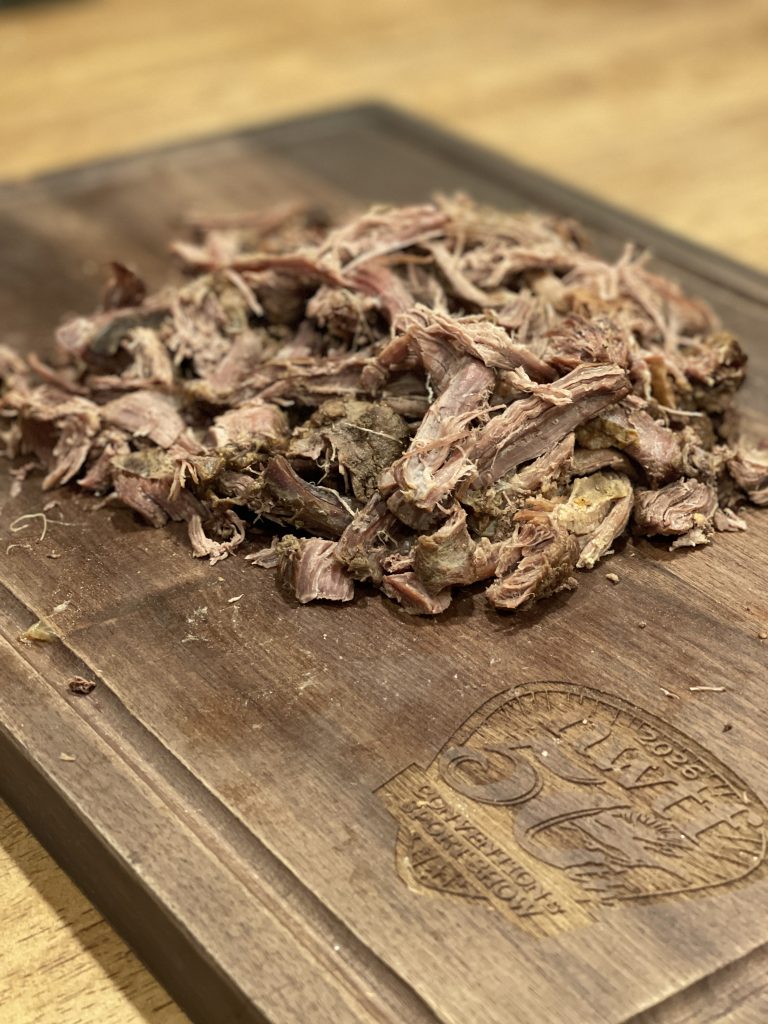
Remove the tendons with ease. No matter which method you choose, long cooking times soften the tendons in the legs allowing them to pull away cleanly once the meat breaks down – so tender, it’s as if they never took a step in their life. Once it’s cooked and shredded, turkey leg and thigh meat become a staple in the freezer. The meat can be used in soups and stews, tacos, sandwiches, pot pies, casseroles and pasta dishes.
At the end of a nice spring day, it’s an extra step during the butcher process, but it’s well worth it to hold onto these cuts. Turkey legs and thighs might look intimidating, but with patience and the right cooking methods, they become some of the most flavorful meat a hunter can harvest. Don’t overlook this next season. Slow-cook or braise them, pull those tendons out and enjoy rich, tender wild turkey all year long. You’ll thank yourself come soup season.
How to Braise Wild Game
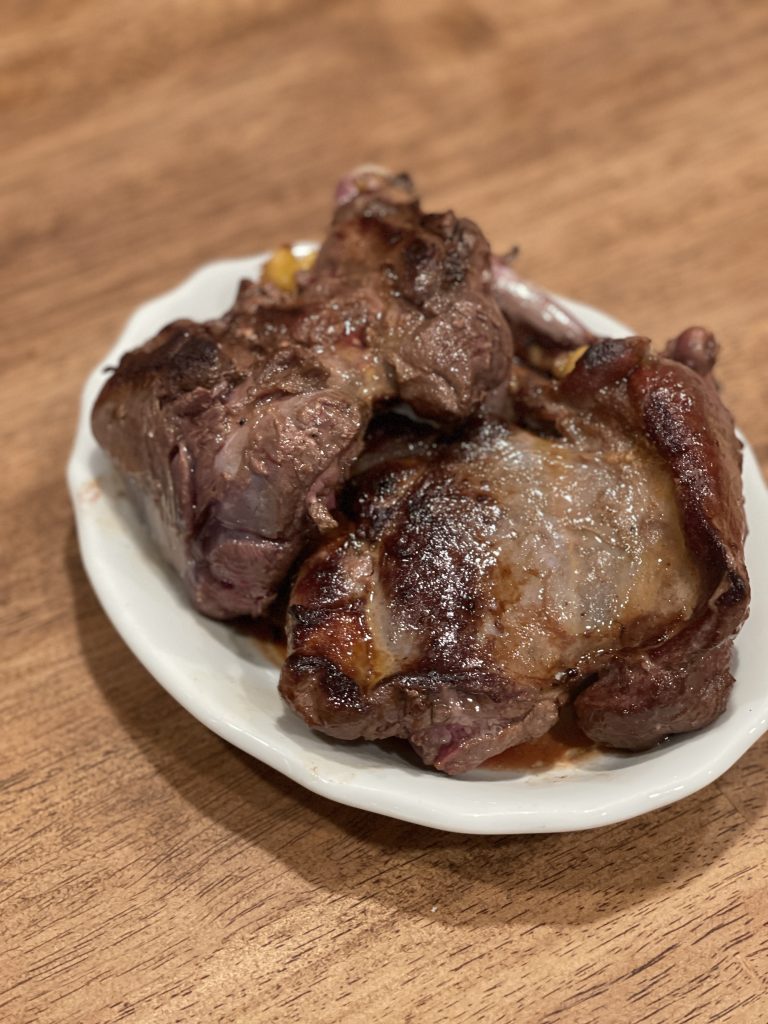
Braising takes time, as it is a method that is best explained by using a high heat to brown your meat to create a rich deep flavor profile and then lowering the heat to slow cook and break down the harsh tissues in the meat. The steps for a proper braise are as follows:
- Preheat oven to 350º F.
- Pat the meat dry and season generously with salt on both sides.
- In a preheated, heavy-bottomed pan or pot, sear until well browned on both sides.
- Remove the meat and sauté onions until translucent, scraping up the browned bits from the bottom, add smashed garlic and cook until fragrant.
- Deglaze with a splash of blonde stock (chicken stock works well).
- Return the meat to the pot and add stock until it’s about 3/4 submerged and bring to a boil, cover with a lid, and move to oven.
- Cook for 2 to 4 hours, checking occasionally to make sure there’s still enough liquid (add more as needed).
- When the meat pulls easily from the bone, remove and let cool before shredding.
How to Slow Cook Wild Game
If braising isn’t in your wheelhouse, let’s break down slow-cooking in a Crock-Pot. This method is going to allow you to prepare your entire meal while also cooking your game meat. Let’s use my White Turkey Chili for example.
Ingredients
- 2 wild turkey thighs/legs
- 3-4 cans great northern beans, drained Blonde/chicken stock
- 1 small can green chiles
- 1 medium onion, chopped
- Garlic powder
- Cumin
- Oregano
- A pinch of cayenne
- Salt to taste
- 6 ounces cream cheese
- 4 ounces shredded pepper jack cheese
Instructions
- Debone thighs, do not discard bones. If using legs, leave the bone in, add a few slits to the meat and make sure that the leg fits in your Crock-Pot; otherwise, you may need to trim the bone (a small hacksaw works).
- Salt and pepper thighs and brown in a hot cast-iron skillet.
- While the turkey is browning, fill Crock- Pot with remaining ingredients except for pepper jack cheese, season to taste.
- Once meat has browned on both sides, add to Crock-Pot and submerge in liquid. Brown thigh bones and add to pot for less waste and more flavor.
- Set Crock-Pot to medium-high heat and cook with lid on for 4-6 hours.
- Once meat is tender, shred and return to pot along with pepper jack cheese, then lower temp to medium-low heat and simmer for an hour until you’re ready to serve. If you like thicker chili, add 1/3 cup of cream of anything soup mix after you shred the meat!
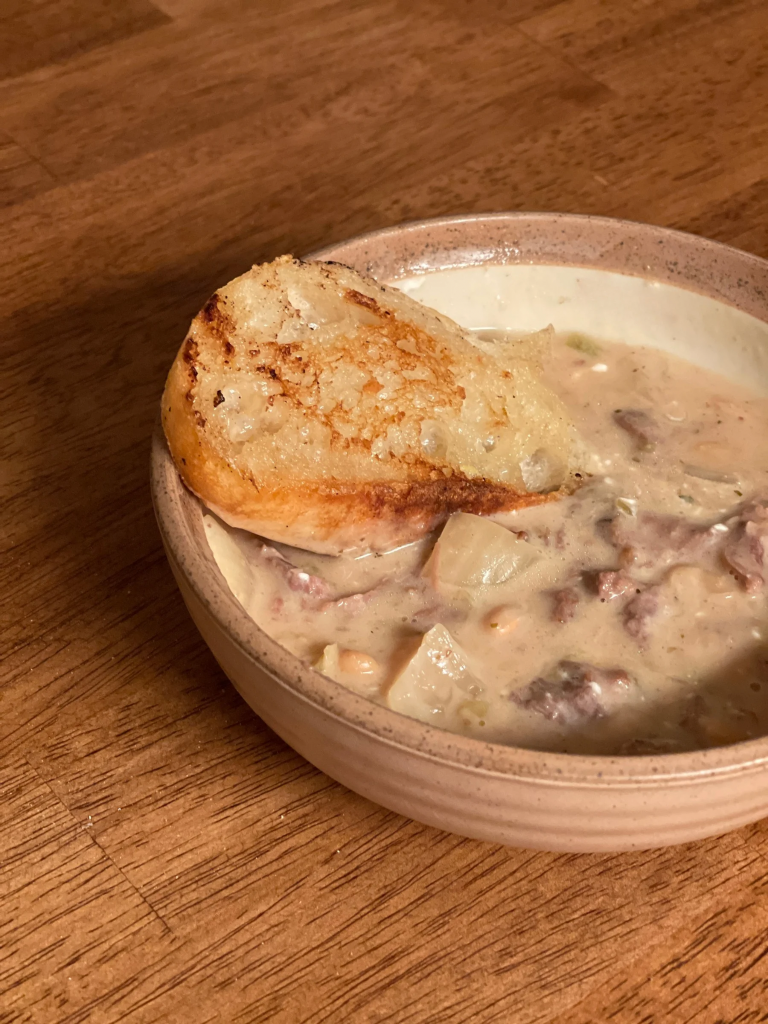
- Top with extra pepper jack and a dollop of cream cheese, serve with a slice of sourdough toast and enjoy!