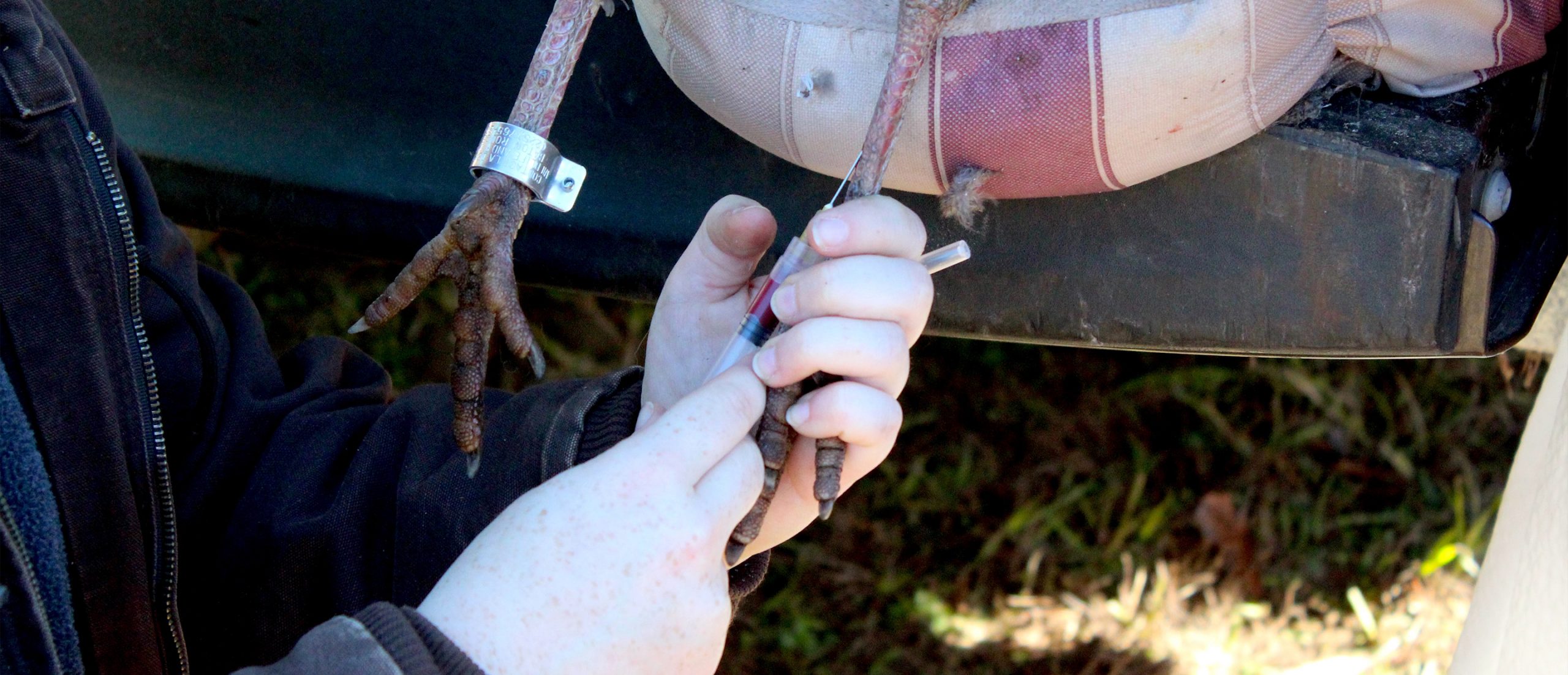
Wild Turkey Research Across the NWTF’s Roots to Roost Region
From Missouri’s restoration efforts to modern GPS research across the Midwest, decades of research have helped wild turkey managers understand what wild turkeys need in an ever-changing landscape.
The Midwest has never made life particularly simple for wild turkeys. From the heavily wooded Ozarks to the agricultural heartland and the snow-covered forests of northern Minnesota, the region presents a unique mix of quality habitats and challenges alike.
Prior to restoration efforts, researchers were trying to answer a fundamental question: Could wild turkeys re-establish populations across these landscapes?
After an immensely successful restoration that spanned decades, the question has shifted. With birds restored in their historic range and beyond, researchers are increasingly focused on reproduction, recruitment and understanding how changing habitat conditions influence wild turkeys. The science that guided the restoration and management of the wild turkey in the Midwest is the backbone of what researchers are building on today.
Missouri played an important role in establishing the region’s research foundation. John B. Lewis helped lead early trap-and-transfer efforts, while Larry Vangilder, PH.D., and Eric Kurzejeski later developed one of the country’s most comprehensive studies of wild turkey population ecology. Their landmark research in northern Missouri, synthesized in 1995, established important benchmarks for reproduction, survival and population dynamics that researchers continue to reference today.
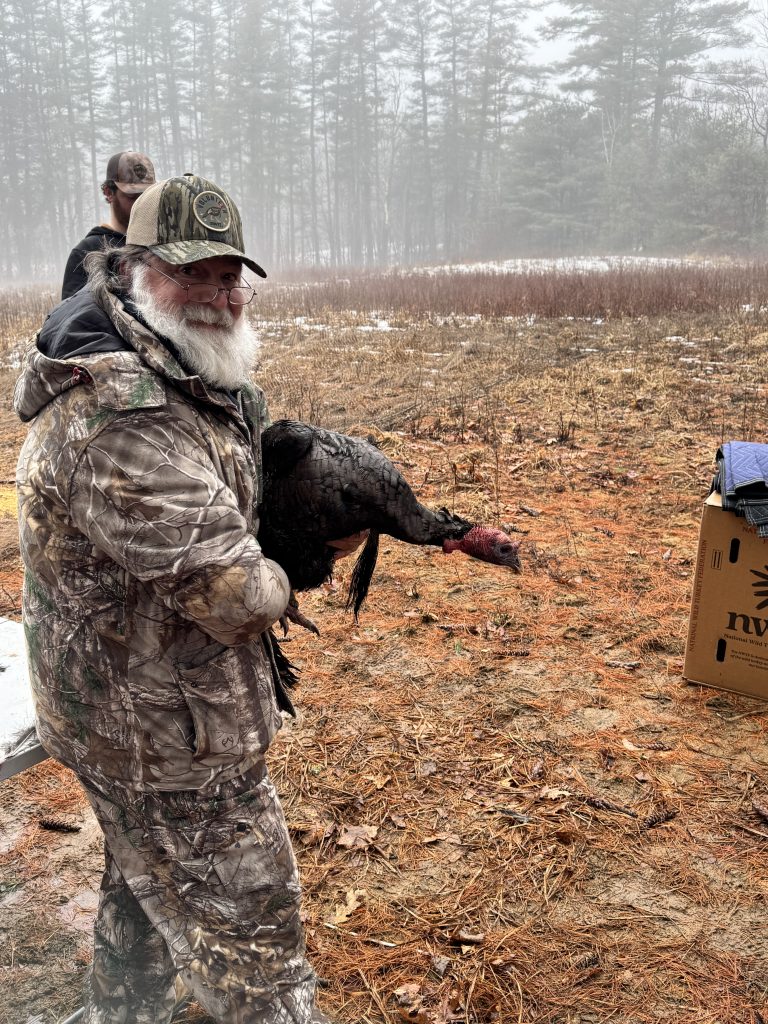
Farther north, foundational research by William Porter, Ph.D., in southeastern Minnesota during the late 1970s and early 1980s examined home ranges, reproduction and winter survival. His work helped challenge the assumption that cold weather alone determined how far north wild turkeys could thrive. Later research demonstrated that birds in agricultural landscapes could maintain winter energy reserves by feeding on waste corn, while those in heavily forested areas struggled to maintain their body condition.
These studies helped establish a research tradition that has evolved alongside the region’s turkey populations. Early questions about restoration, winter survival and range expansion have given way to more complicated concerns about declining productivity, habitat changes and the survival of young birds.
Today, researchers are approaching those questions with technology that earlier generations of biologists could only have imagined.
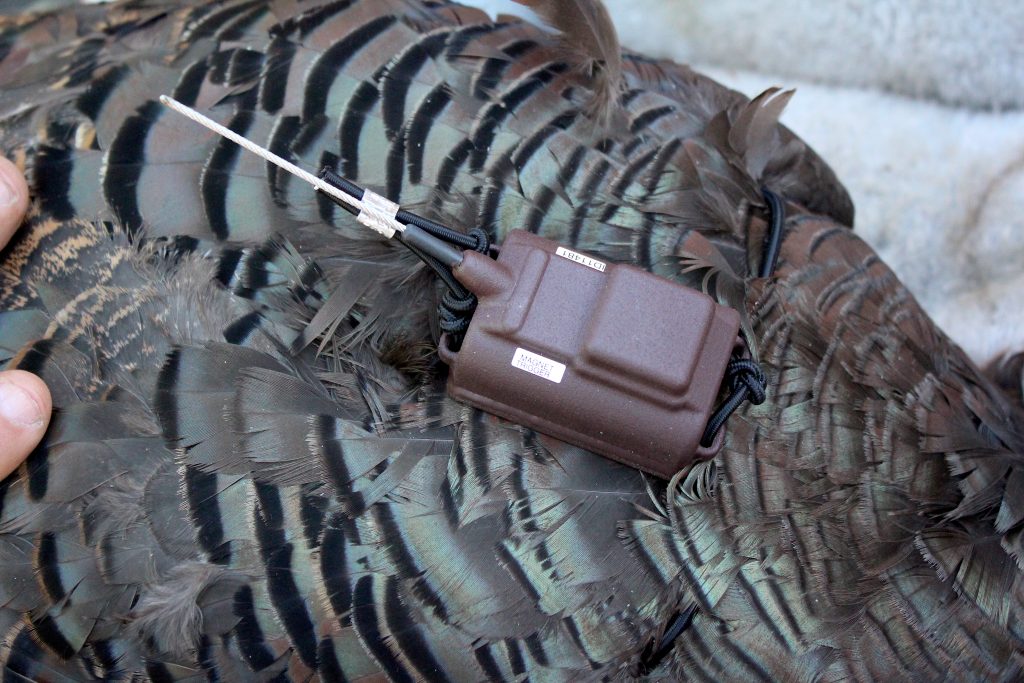
In Iowa, the NWTF is helping fund a 10-year research effort, which is using GPS transmitters to study hen survival, nesting, movement, disease and habitat selection. Though national research grants and the Iowa super fund, researchers are also using genetic analysis of DNA collected from predated eggs and carcasses to identify mammalian species associated with predation events, providing new insight into how predation and habitat conditions may influence reproduction.
Wisconsin researchers are combining GPS transmitters with the state’s extensive Snapshot Wisconsin trail-camera network to better understand recruitment, brood survival and population trends. Meanwhile, Michigan launched its first large-scale, long-term population study in 2026, with plans to equip at least 120 hens with GPS transmitters to examine survival, reproduction and habitat use. Both of these projects are supported nationally by the NWTF and by each state's respective Super Fund.
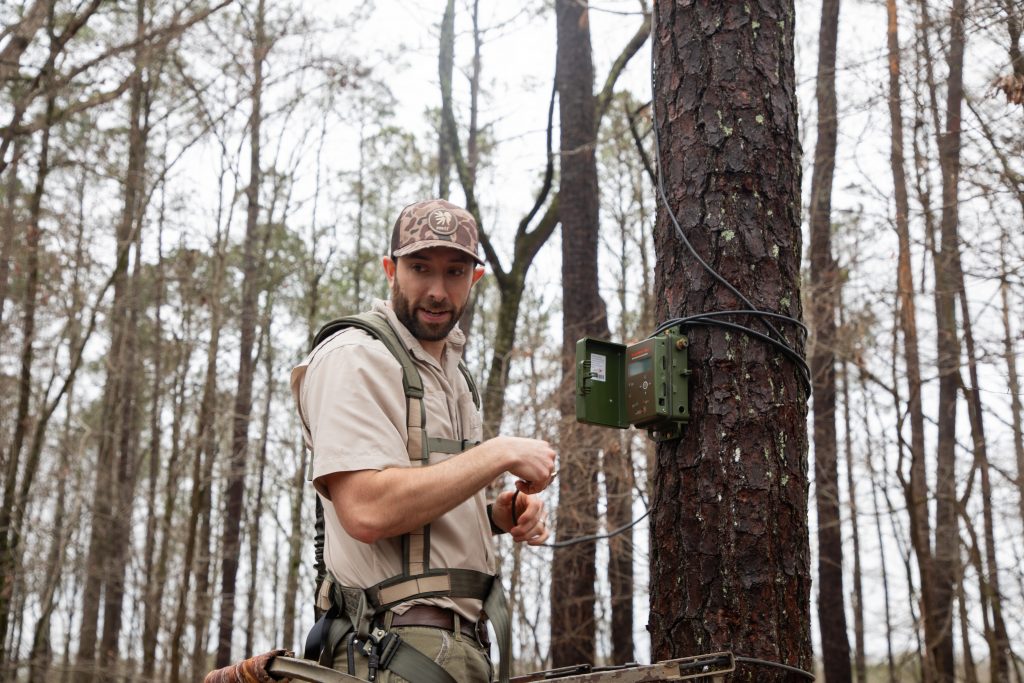
Even the Midwest’s long tradition of listening for gobbles is evolving. Researchers conducted human gobbling-count routes in Minnesota during the 1970s, while Indiana plans to test autonomous recording units that can collect information about gobbling activity on public lands.
Although the tools have changed, today’s research is building on many of the same questions asked decades ago. Collaborative efforts, including the Midwest Deer and Turkey Working Group, have also helped agencies examine population and harvest trends across state lines rather than treating each state’s birds in isolation.
Looking ahead, researchers are working to better understand survival between early brood development and a bird’s first breeding season, along with how habitat restoration can improve those odds.
That is where research and the NWTF's Roots to Roost Initiative come together.
Across a Midwest dominated by privately owned land, restoring grasslands, savannas and open woodlands requires understanding how turkeys use entire landscapes. Research can help refine prescribed fire, forest management and other restoration efforts to fine-tune the nesting and brood-rearing conditions needed to support future populations.
The Midwest’s wild turkey story began with researchers working to bring birds back and understand where they could survive. Today, the challenge is understanding what will help those populations thrive in landscapes that continue to change.
Through the Roots to Roost Initiative and dedicated partners at state agencies and universities, conservationists are translating research into conservation work that helps ensure wild turkeys thrive on the landscape for future generations.