Will an El Niño Year Impact Wild Turkeys and Deer?
El Niño, a natural weather phenomenon that occurs every few years, has begun and is expected to continue through 2027. Here’s what you need to know.
El Niño is the warm phase of the southern Pacific Ocean weather oscillation, during which trade winds weaken and ocean currents become warmer. This shift changes how air, heat and moisture move across the global atmosphere, which shifts normal weather patterns across the United States, increasing the likelihood of drought in some regions and flooding in others. It is important to keep in mind that, like many things in the natural world, there is a range of variability for El Niño years, so regional and global impacts can differ.
“The northern region of the United States can expect warmer and drier winters, which can mean less harsh winter conditions,” said Patrick Wightman, NWTF national director of wild turkey research and science. “The southern United States will see the opposite pattern. Conditions are often wetter, cooler and stormier.”
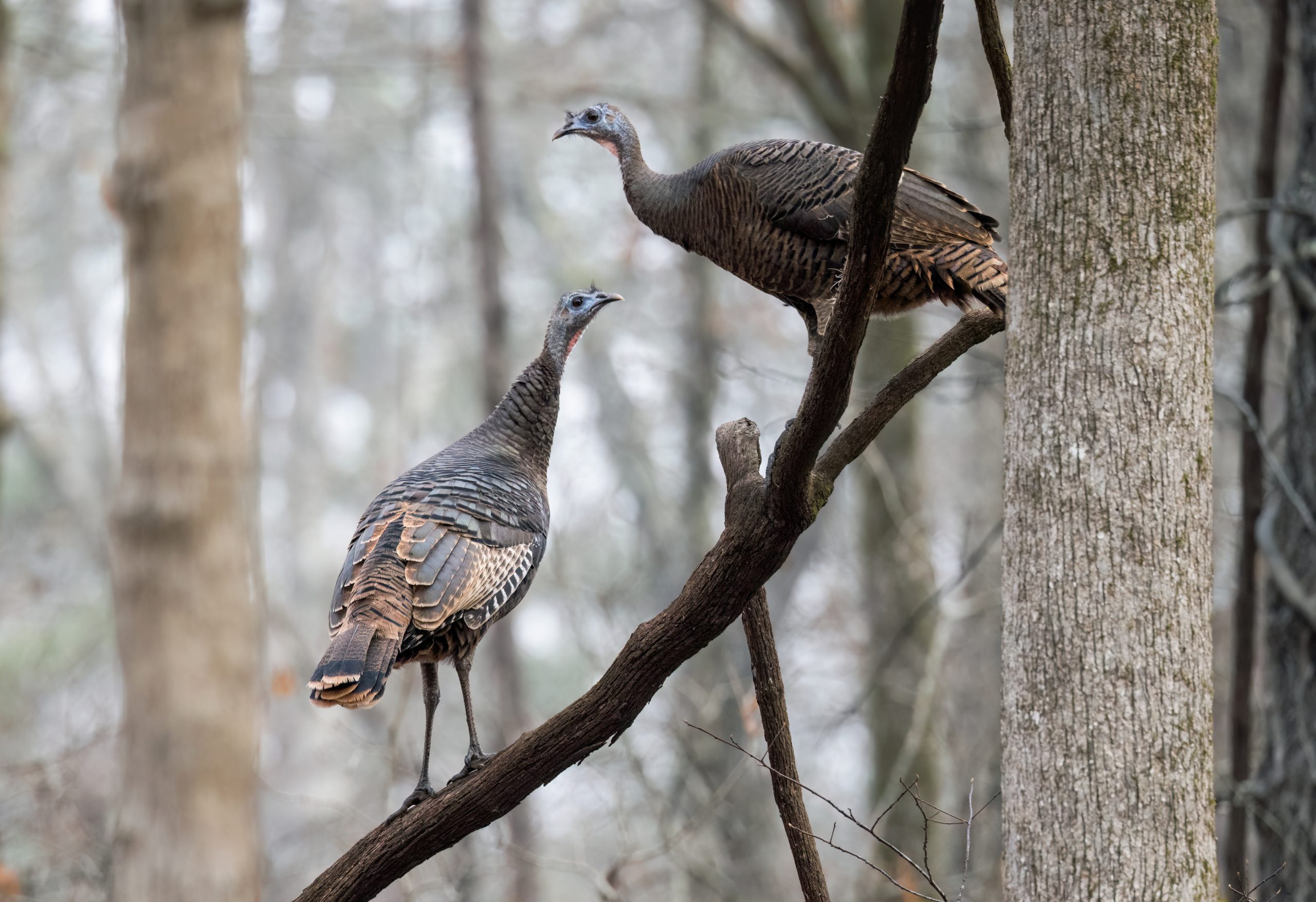
Therefore, the effects of an El Niño during different wild turkey life stages will vary depending on the region of the country.
In northern states, warmer and drier winters could potentially mean increased overwinter survival and improved fitness going into the spring breeding season. But the downside to that is reduced winter precipitation could create a drier spring and summer, decreasing vegetation growth and lowering insect production, both of which are critical for poult survival.
Winter survival is generally not as big of a concern in the South, regardless of the weather. However, a cool and wet winter, coupled with a poor mast crop year, could have negative effects on wild turkey fitness leading up to the spring breeding season.
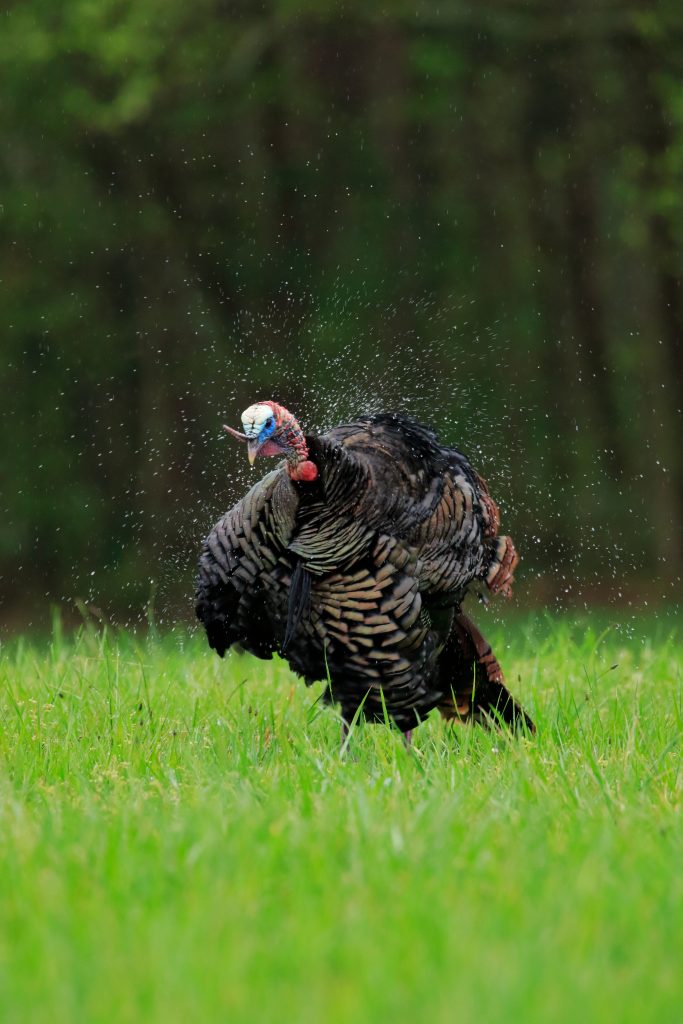
A wet winter can lead to better spring green-up and cover, which can increase insect production and improve brood-rearing conditions, but if El Niño weather patterns continue into the spring, soils may become oversaturated or abnormal spring flooding may occur. That could negatively affect nesting hens because their nests could get flooded, wet conditions can make nesting hens more detectable to predators that use scent cues, and cold, wet days may threaten young poults who need to thermoregulate.
While the scientists can’t predict the exact effects of an El Niño year, wild turkey biologists plan to keep a close eye on how wild turkey populations fluctuate on the landscape. The health of a population is often measured using a poult-per-hen ratio in late summer, which indicates reproductive success for that year. In most states, this information is collected annually, so ratios from an El Niño year could be compared to years without El Niño conditions.
Other field-intensive studies may use indices of abundance, while others may use actual estimates of overwinter survival and reproductive success, if GPS-marked birds are being monitored. However, since the latter requires more time, funds and field effort, they are less common.
“Whether an El Niño year helps or hurts wild turkey populations will really come down to timing, intensity and local habitat conditions,” Wightman said. “While good habitat does not make birds immune to drought or flooding, it can help buffer some of the effects. Having a mix of usable habitat types across the landscape can give turkeys more options when conditions are not ideal.”
El Niño can also have positive and negative effects on white-tailed deer populations. Whitetails are a highly adaptable species, and while an El Niño can cause extreme temperature and precipitation shifts, white-tailed deer adapt surprisingly well.
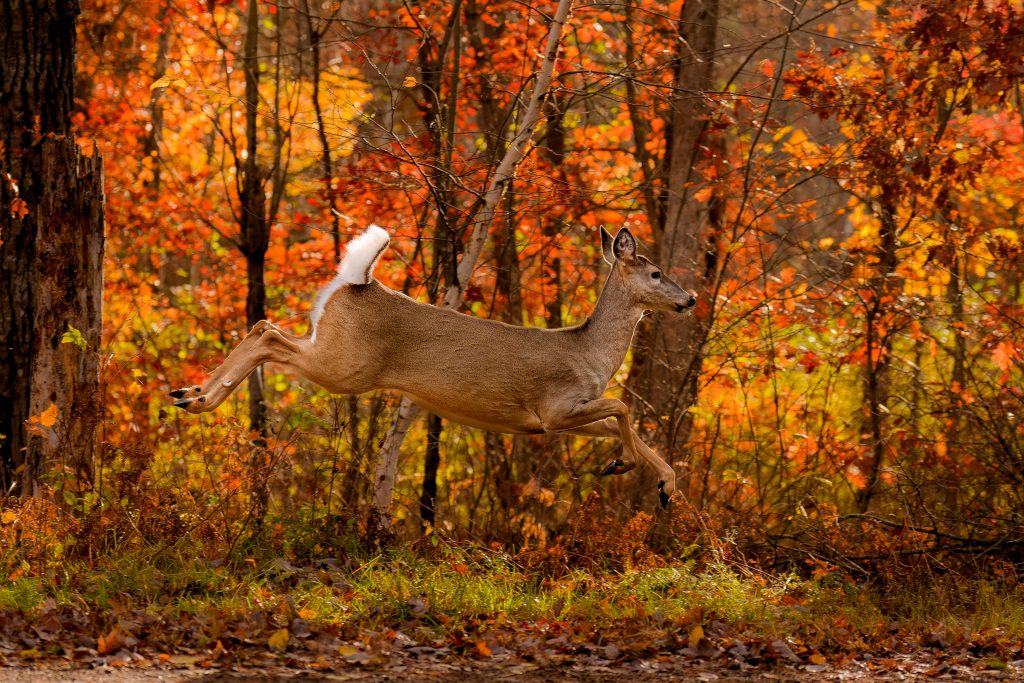
“Most times, when deer are faced with abrupt changes in their habitat due to weather, such as flooding and temperature fluctuations, they adapt surprisingly well,” said Gino D’Angelo, associate professor and deer ecology and management professional at the University of Georgia. “For example, several studies in Florida tracked deer before, during and after hurricanes and found that very few deer died due to hurricanes.”
Like the wild turkey, milder winters and less snow cover in the north could improve fawn survival. But depending on how dry the season is, plant growth and forage may be limited, which can lead to decreased milk production by female deer for fawns, less fat reserves in all deer and even poorer antler growth in males. Hotter, drier conditions may also increase tick survival and intrusion into more northern areas.
In more southern latitudes, the increased rainfall and potential flooding may improve vegetation growth and provide abundant forage for deer, but the peripheral effects of increased water on the landscape could mean more biting insects.
“If conditions align for certain gnat species to reproduce and survive, gnat-transmitted epizootic hemorrhagic disease outbreaks are probable and may result in significant deer die-offs,” D’Angelo said.
So, what can hunters and conservationists expect? It will depend on the severity of the weather patterns that occur. The main thing to prepare for after an El Nino year is variability, which is not automatically good or bad for turkeys and white-tailed deer. Wildlife responses to severe weather will depend on region, timing, and if weather patterns created useful habitat conditions or pushed things too far toward drought, flooding or prolonged cool, wet conditions.