50 Years, Countless Stories: Women Who Shaped Our Turkey Hunting Legacy
For the past 50 years, turkey conservation and hunting have stood as one of North America’s greatest wildlife success stories.
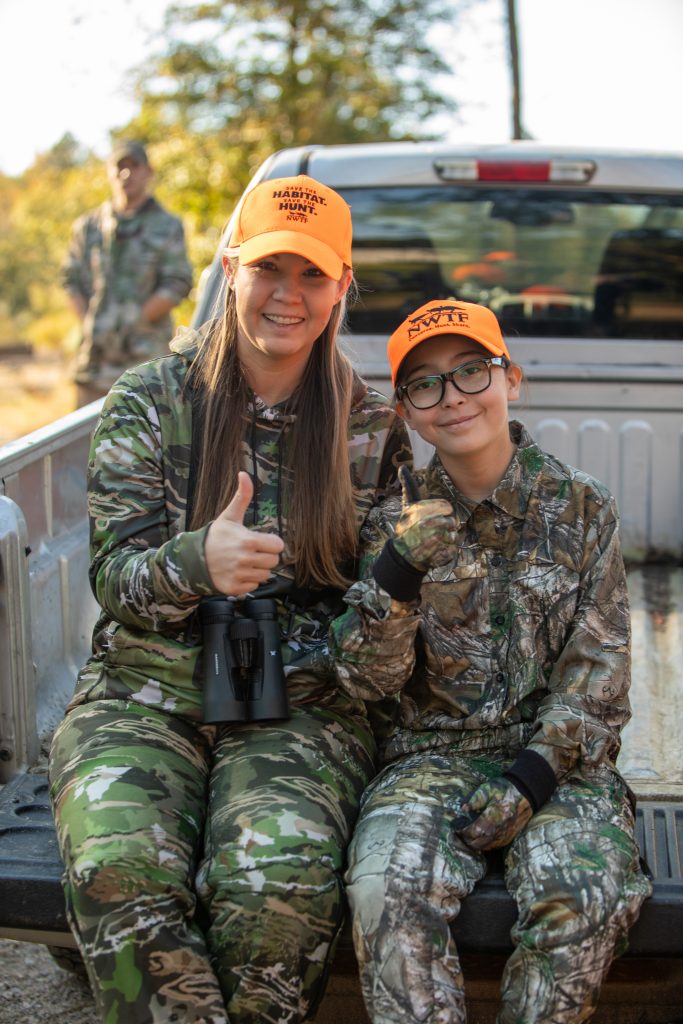
While the narrative has often centered on male-dominated traditions, women have quietly and powerfully helped shape the legacy of turkey hunting along the way. Their impact isn’t defined by “firsts,” but by consistency, leadership, and an unwavering commitment to the resource. Through mentorship, conservation advocacy, education and storytelling, women have helped rebuild wild turkey populations and carry hunting heritage forward, leaving an imprint that continues to shape the future of the sport.
The Early Days: Showing Up Where Few Women Were
In the early years of modern turkey restoration, women were often present long before they were visible. They volunteered at banquets, supported habitat projects, taught hunter education, mentored youth, and worked behind the scenes in conservation organizations and state agencies. Entry into these spaces wasn’t always easy, but the women who showed up didn’t do so to make statements, they came to do the work. Women have continued to prove that conservation isn’t about who gets the credit, but who shows up year after year, focused on the birds and the land they depend on.
Voices That Educated and Inspired
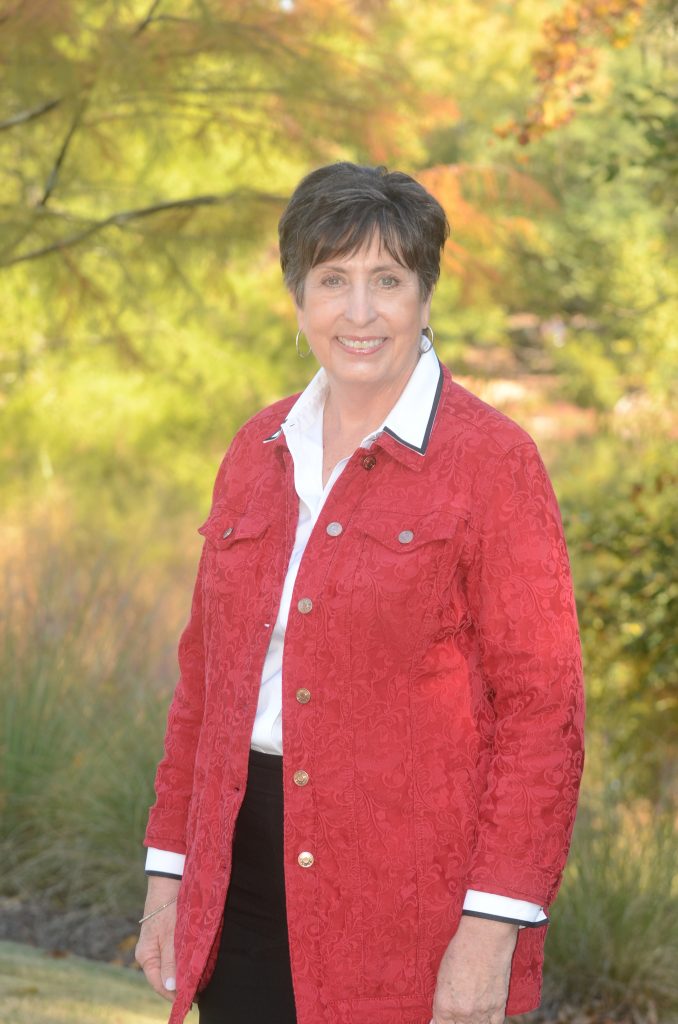
As turkey hunting evolved, women stepped into influential roles as educators, biologists, callers, and conservation leaders. Becky Humphries, the first female CEO of the National Wild Turkey Federation, exemplifies this impact. With a career rooted in state agency and nonprofit conservation work, Humphries helped elevate education, outreach and R3 initiatives, while reinforcing a science-first approach to turkey management. Her leadership emphasized that the future of hunting depends on stewardship, ethics and inclusion.
Advocacy has also played a critical role. Before joining NWTF staff, Carol Frampton was already a formidable voice for conservation law and policy. Her work behind the scenes helped shape legislation that protects wildlife and ensures hunters remain part of the conservation solution. These women, along with countless educators and writers, translated complex conservation science into stories and lessons that reached families, youth and new hunters, reminding us that responsible hunting starts long before a season opens.
Passing the Legacy Forward
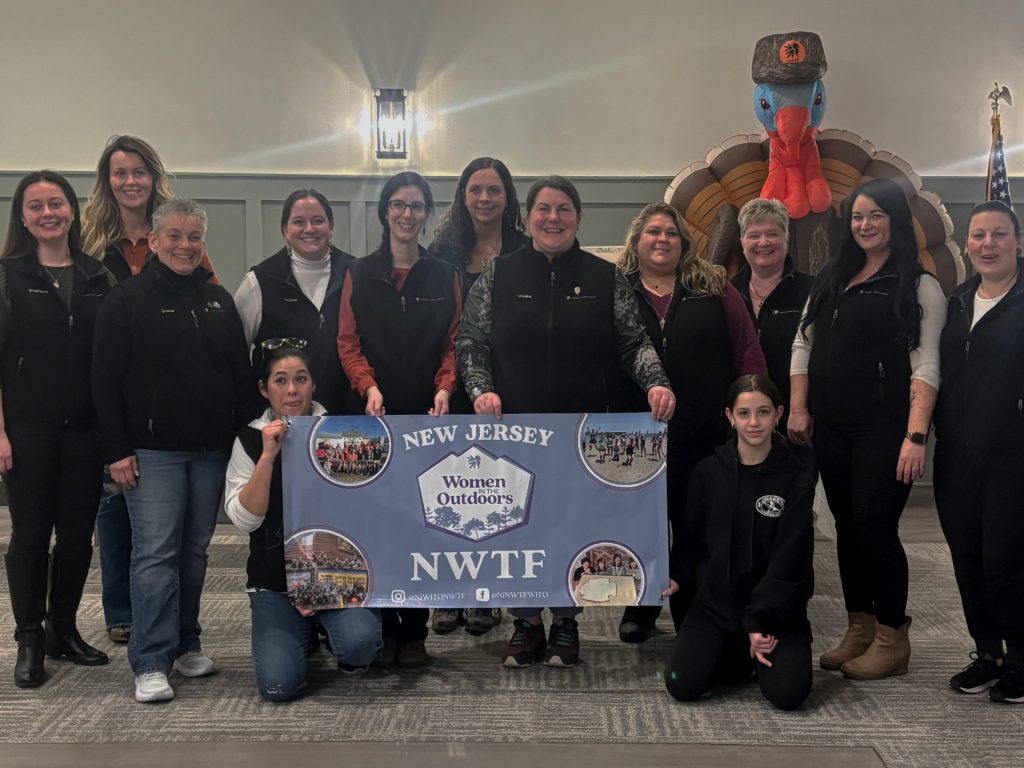
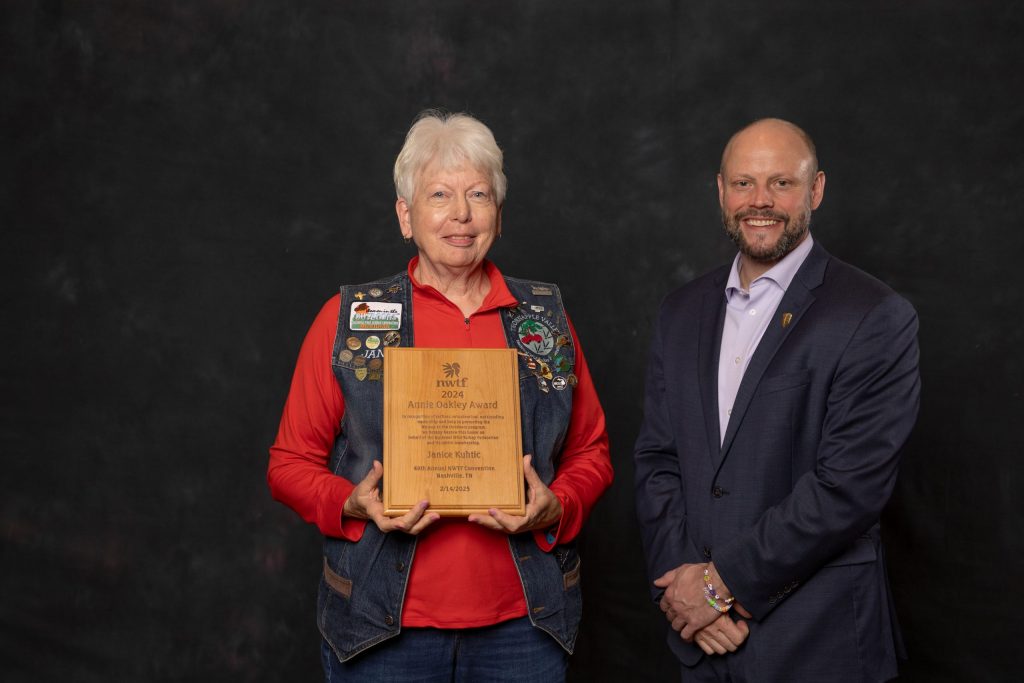
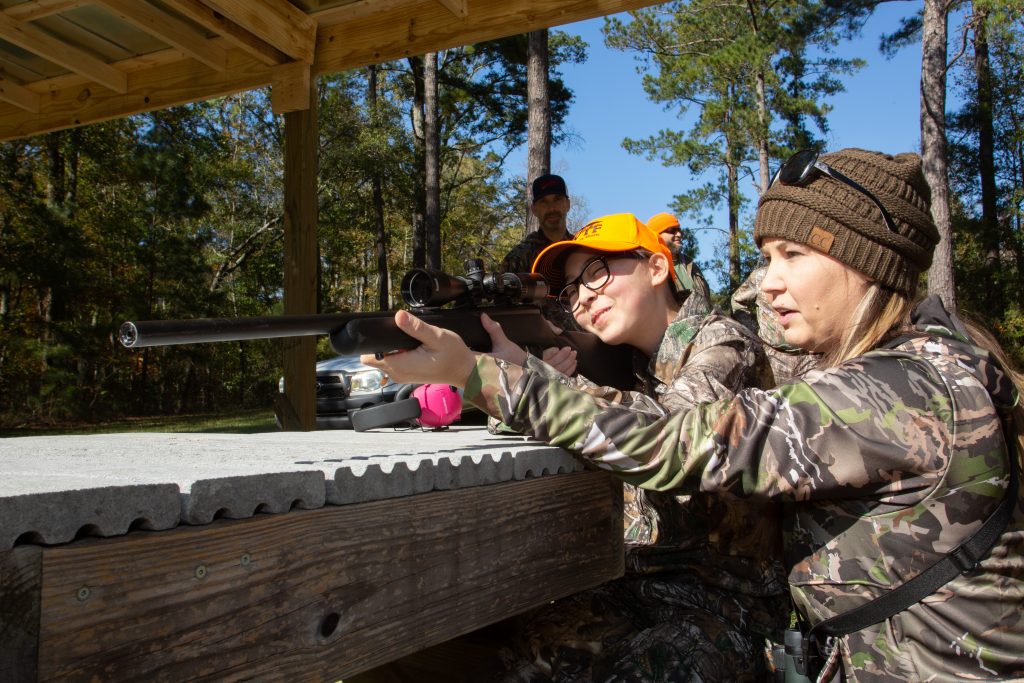
Today, women continue to lead from the front. Jan Kuhtic, a pioneer in the Women in the Outdoors (WITO) programming space and recipient of the Annie Oakley Award, has helped redefine how women are welcomed, educated and retained in hunting. In New Jersey, Cristina McGannon- Jones has energized WITO programming through mentored hunts and chapter growth, creating opportunities that turn first-time experiences into lifelong connections to the outdoors. In South Carolina, Billie McCarter’s leadership as WITO chairwoman has opened doors through hunts, workshops and outreach events that build confidence and community.
As turkey conservation looks toward the next 50 years, that truth was on full display at last year’s NWTF Convention Women’s Brunch, where women from across the country gathered to be celebrate, share stories, and laugh, learn and connect. Through Women in the Outdoors (WITO) events, ranging from mentored hunts and shooting clinics to conservation projects and community gatherings, women are not just participating; they are building pathways for others to follow.
The women stepping into the woods today as hunters, mentors, educators and conservationists are carrying the torch forward with intention. They are inviting new voices in, passing down hard-earned knowledge, and ensuring turkey hunting’s future is rooted in responsibility, stewardship and respect for the resource. This next chapter of the legacy isn’t waiting to be written, it’s already unfolding, led by women who understand that the strongest traditions are the ones we share.
Shirley Grenoble: A WOMAN WHO HELPED SHAPE THE NWTF
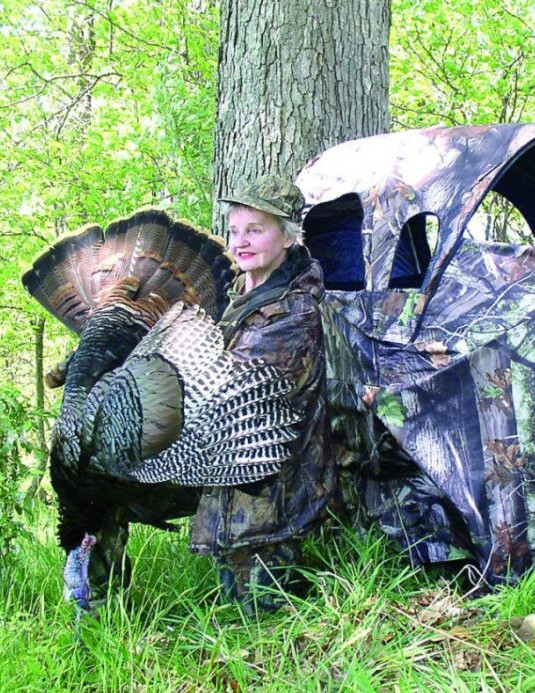
Shirley Grenoble was leading the way in turkey hunting long before women were widely recognized in the sport. A lifelong hunter, writer and educator, she played an important role in the early days of the National Wild Turkey Federation, serving as the organization’s first female member of the national board of directors and later as the first woman president of the Pennsylvania NWTF chapter.
Over a career spanning more than five decades, Shirley wrote extensively about hunting, conservation, and the outdoor lifestyle for both newspapers and national publications. Through her work, she promoted ethical hunting, hunter education, and a deep respect for wildlife. She was also a respected speaker and mentor, known for encouraging and supporting women as they found their place in the outdoors.
Shirley’s impact reached far beyond her bylines and leadership roles. She inspired others to share their stories, step into leadership with confidence, and help bring the next generation along. Though she passed away in late 2025, her influence continues through the many hunters, writers and conservationists shaped by her example.