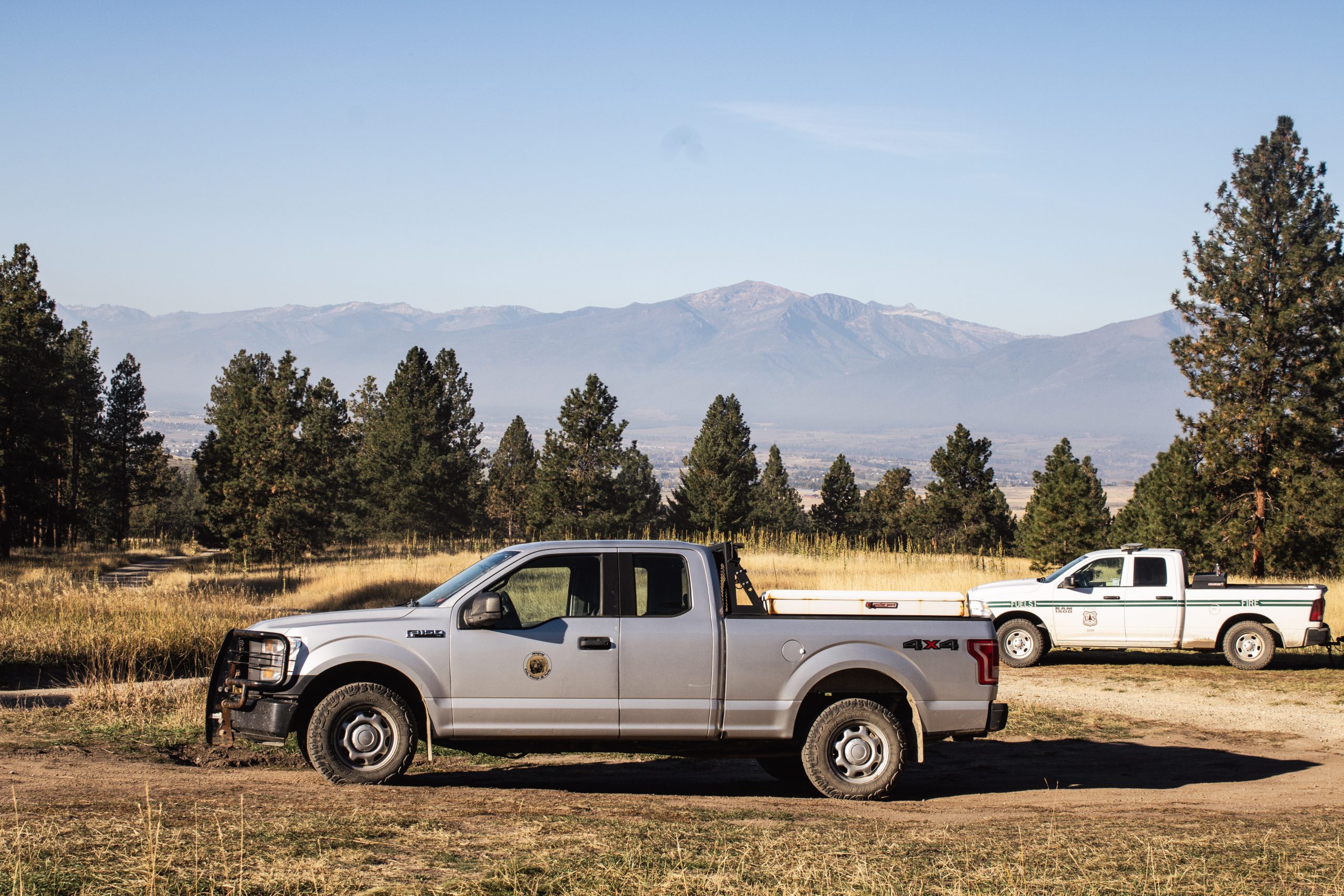
Working for Wildlife in Western Montana
Western Montana offers seemingly endless opportunities to experience the outdoors. From hunting and fishing in the mountains to hiking through ponderosa pine forests, the landscape provides something for nearly everyone who ventures into it. But the wildlife and outdoor opportunities that make this region special depend on something that can be easy to take for granted: healthy habitat.
In Montana's Bitterroot Valley, the National Wild Turkey Federation is working alongside conservation partners to restore wildlife habitat and preserve the outdoor traditions that depend on it. Although the organization has the wild turkey in its name, its conservation efforts across the West extend far beyond a single species, benefiting diverse wildlife, healthy ecosystems and the hunting opportunities they support. Two ongoing projects at Threemile and Calf Creek wildlife management areas offer a closer look at this work and the people helping bring it to life.
Among them is NWTF cooperative biologist Bridger Line, whose position is unique within the organization. Unlike the NWTF's district biologists, whose responsibilities extend across larger geographic regions, Line works closely with the USDA Forest Service and Montana Fish, Wildlife and Parks, helping connect the NWTF's conservation mission with the priorities and on-the-ground management needs of its agency partners.
That collaboration is particularly valuable in a place like the Bitterroot Valley, where wildlife habitat extends across national forests, state wildlife management areas and other ownerships. Managing those landscapes effectively requires coordination among people who may work for different organizations but share many of the same conservation goals.
For Line, that means helping advance habitat improvement projects that support a variety of wildlife species, including wild turkeys, upland birds, elk and deer, while contributing to the long-term health of the landscapes they inhabit.
Following a field tour the previous day with NWTF district biologist Dave Nikonow, Line and I set out to visit Threemile and Calf Creek. Together, the two days would take us through four conservation project sites, each with its own challenges and objectives.
As we traveled through the valley, I began piecing together how these individual projects contribute to a much larger story about what it takes to care for a landscape, and why that work matters whether you hunt wild turkeys, chase elk, fish, hike, watch birds or simply call the Bitterroot Valley home.
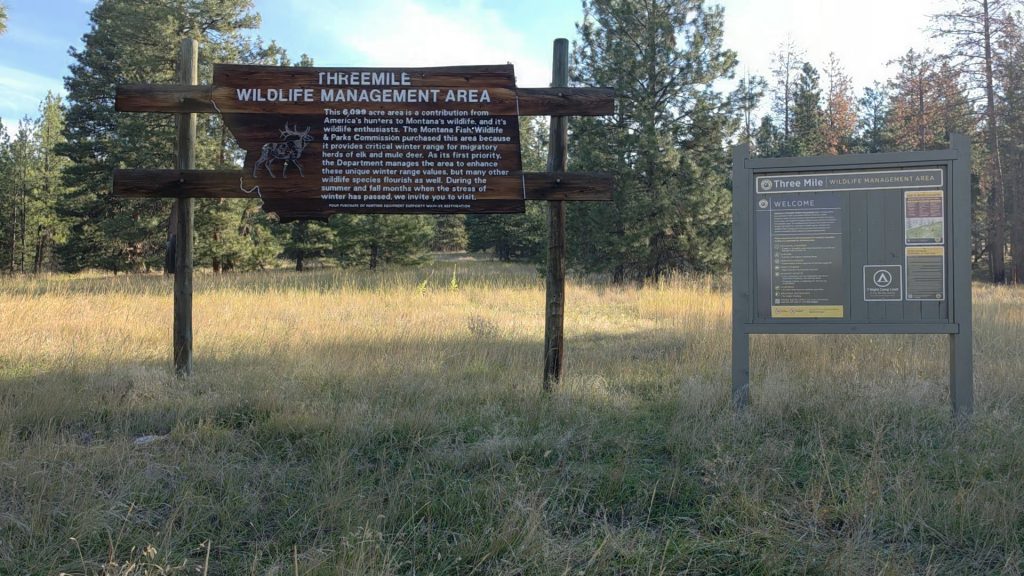
Our first stop at Threemile Wildlife Management Area offered a glimpse of what years of restoration looks like. Before us stretched an open landscape of ponderosa pines and native grasses. Line explained that the area had been burned more than four years earlier, and in the time since, grasses had returned beneath the scattered trees.
Historically, portions of Threemile supported open grasslands and ponderosa pine savannas. But without periodic disturbances such as fire, conifers gradually expanded into these openings, crowding out native vegetation and changing the habitat available to wildlife.
Through phased thinning, conifer removal and prescribed burning, conservation partners are working to reverse those changes across hundreds of acres, though the results are not immediate. It takes time for vegetation to respond, and restoration often involves several stages of treatment before the desired habitat conditions can be achieved.
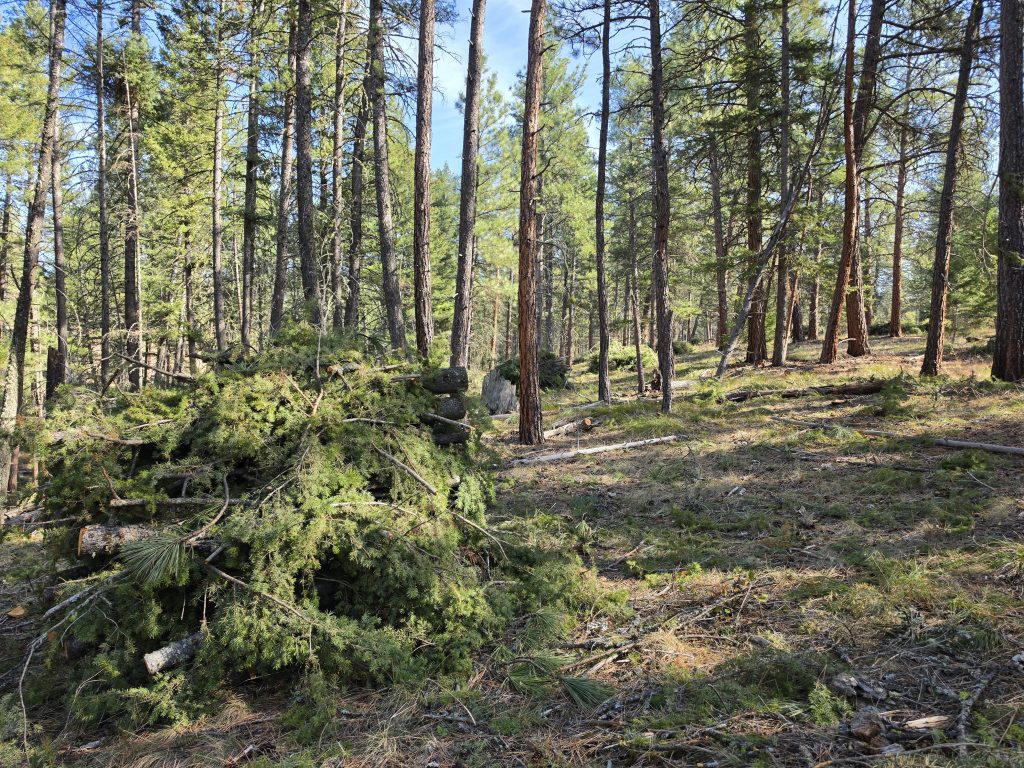
A short distance away, we encountered a much earlier stage of that process. Crews had recently removed small trees and dense understory vegetation by hand, gathering the material into piles scattered across the forest floor. Those piles would sit for at least a year to dry before being burned under appropriate conditions.
It was a look at the less visible side of conservation, the work that happens long before native grasses return or wildlife begins responding to improved habitat. Projects like these require planning, coordination, labor and patience, often unfolding over several years.
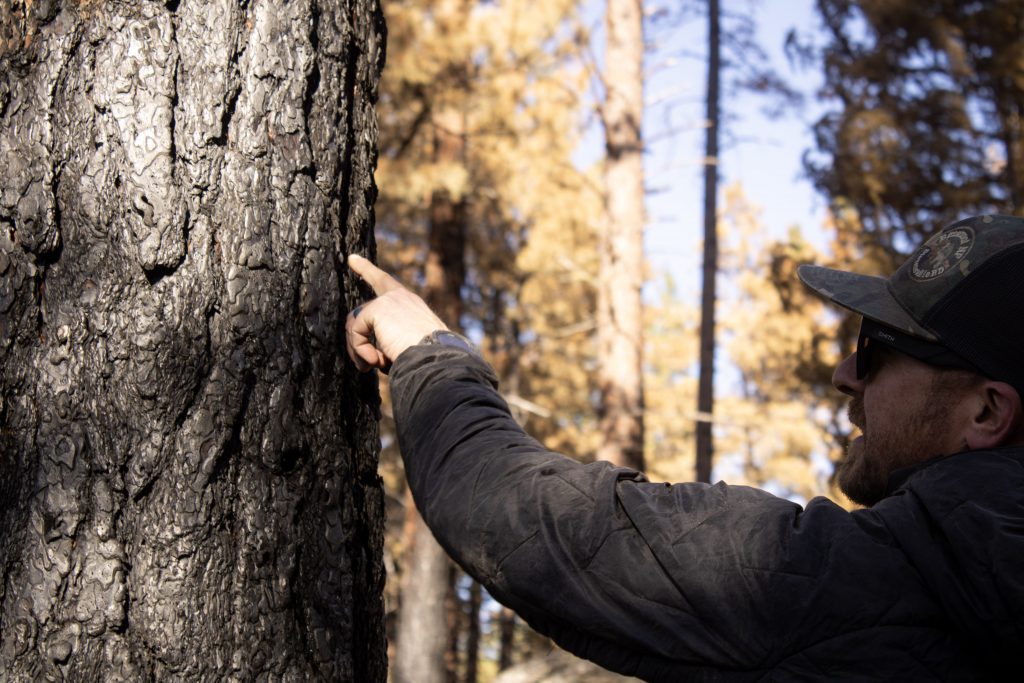
Our next stop offered an even sharper contrast. Only two weeks earlier, prescribed fire had moved through another portion of Threemile. The ground was blackened, trees bore evidence of the burn, and, in places, smoke still rose from the roots of stumps where heat remained underground. To someone unfamiliar with prescribed burning, the scene might have appeared destructive. Yet the blackened ground was part of a deliberate effort to improve the habitat.
USDA Forest Service Assistant Fire Management Officer Tyler Rowe joined us during the tour, helping explain the role of prescribed fire and how the return of more natural fire regimes can play an important role in restoring western ecosystems.
In ponderosa pine habitats, periodic fire historically helped maintain open conditions by reducing smaller trees and accumulated vegetation. Today, combining thinning with prescribed burning can help reestablish those conditions while reducing hazardous fuels.
The resulting openings allow native grasses and wildflowers to flourish, providing forage, cover and insect habitat important to wild turkeys and other wildlife. Even standing dead trees, sometimes called snags or habitat trees, can remain valuable, offering nesting and feeding opportunities for birds, squirrels and other species.
Looking more closely at the recently burned ground, I noticed small green grasses already beginning to emerge. Despite the fire having moved through only two weeks earlier, the first signs of vegetation returning were visible among the blackened remains. It was a small detail, but one that helped put the work into perspective.
Conservation does not always fit neatly within our ideas of what a healthy landscape should look like. Burned ground, cut trees and piles of woody debris may not be aesthetically pleasing, particularly in the early stages of restoration. But the purpose of this work is not simply to create a landscape that looks beautiful to us. It is to restore ecological conditions that allow wildlife and native vegetation to thrive.
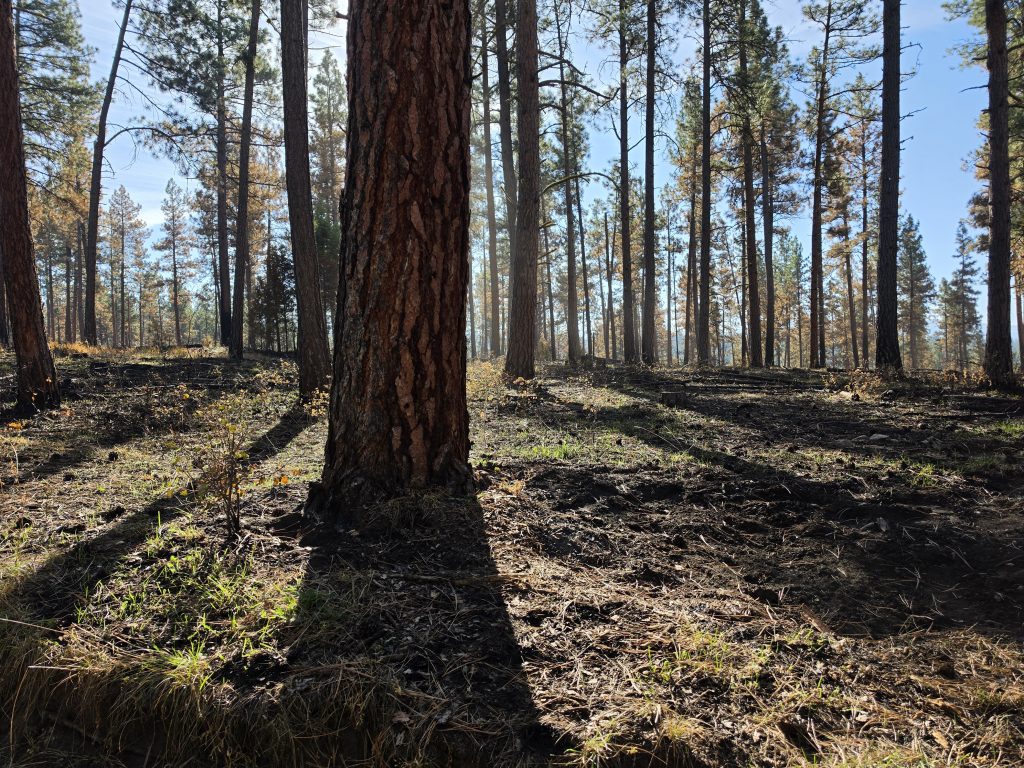
Standing in that recently burned area, it was a striking contrast to the older treatment area we had visited earlier that morning. In just a few stops, we had seen years of restoration unfold in reverse, from an open, grassy landscape to freshly burned ground and piles of cut trees awaiting their next treatment.
As we traveled toward Calf Creek Wildlife Management Area along the foothills of the Sapphire Mountains on the eastern side of the Bitterroot Valley, the focus shifted from restoring open ponderosa pine habitats to improving critical big game winter range.
Here, the NWTF is partnering with Montana Fish, Wildlife and Parks to remove encroaching conifers from historically open grassland and ponderosa pine habitats. For elk and deer, the availability of productive winter range can be especially important. During the colder months, animals must conserve energy while finding enough food to survive. As conifers spread into open areas, they compete with the native grasses and shrubs that provide valuable forage. Removing those trees gives native vegetation an opportunity to recover, improving the landscape's ability to support wildlife through the winter.
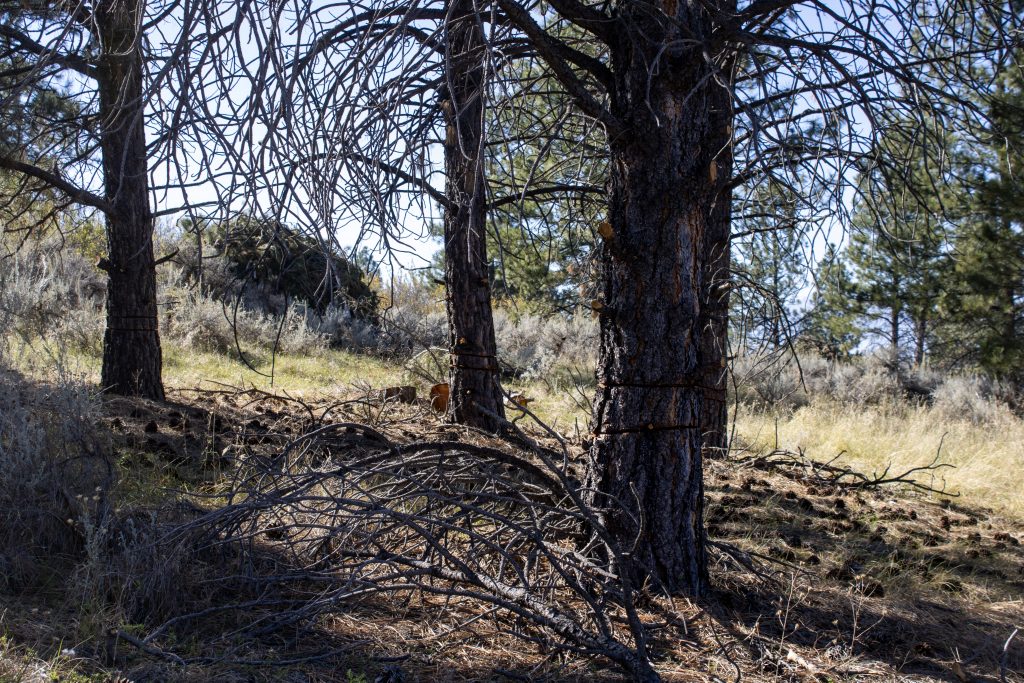
Although elk and deer are a primary focus at Calf Creek, wild turkeys, forest grouse and other species also benefit from the combination of openings, forest cover and productive understory vegetation.
For hunters, the connection is easy to appreciate. The elk moving through the foothills in winter, the grouse found among the pines and the turkeys that inhabit these landscapes all depend on the condition of the places they call home.
In a state like Montana, conserving wild turkeys often means improving habitat for elk, deer, grouse and a wide range of other native species. Projects like Calf Creek demonstrate how conserving wild turkeys often means looking beyond a single species to the larger habitats and ecosystems that support them.
That is not a departure from the NWTF's mission. It is what conservation looks like when the needs of an entire landscape are considered. And preserving our hunting heritage is closely tied to that work. Hunting traditions are passed from one generation to the next through experiences on the land, whether that means a first turkey hunt, an annual elk camp or a morning spent walking through the woods in search of upland birds. Those traditions depend on having wildlife to pursue and healthy places to pursue it.
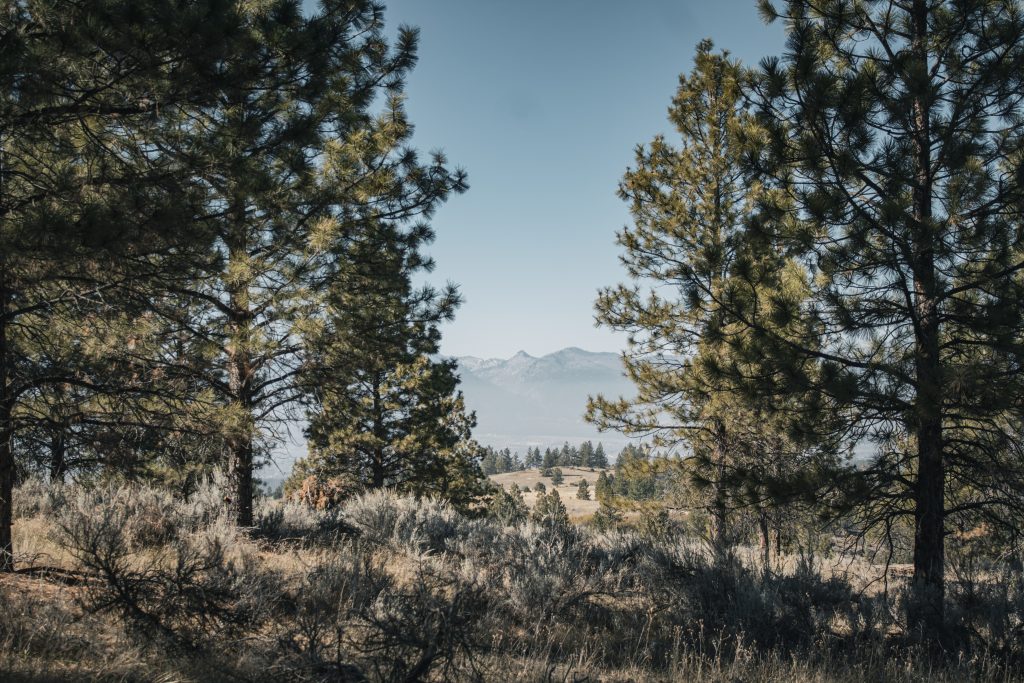
By the end of my second day in the Bitterroot Valley, I had visited four projects with different objectives, partners and approaches to restoration. Each project addressed a particular need, but together they told a much larger story.
Conserving those interconnected landscapes requires more than individual projects or organizations working independently.
That is where partnerships, and positions like Line's, become particularly important. By working directly with agency partners, he helps bridge the gap between conservation priorities and the planning, coordination and implementation needed to accomplish them.
For the NWTF, that collaboration extends the reach of its mission, supporting work that benefits wildlife habitat, public lands and the hunting opportunities that have long been part of Montana's outdoor heritage.
What stayed with me after the tour was not simply the number of projects underway or the different methods being used to restore habitat. It was the realization that conservation is often a long process.
Perhaps someday, someone will walk through the open ponderosa pines at Threemile or watch elk feeding along the foothills of Calf Creek without realizing how much effort went into maintaining those habitats. They may simply experience the landscape as it is, with little indication of the planning, partnerships and years of work that helped shape it.
They may simply experience the landscape as it is.
And perhaps that is one of the greatest measures of successful conservation: ensuring the wildlife, healthy habitats and outdoor traditions we value today remain part of the landscape for generations to come.