Working with Nonhunting Neighbors
Expand the mosaic of wildlife habitat through discussions with surrounding property owners.
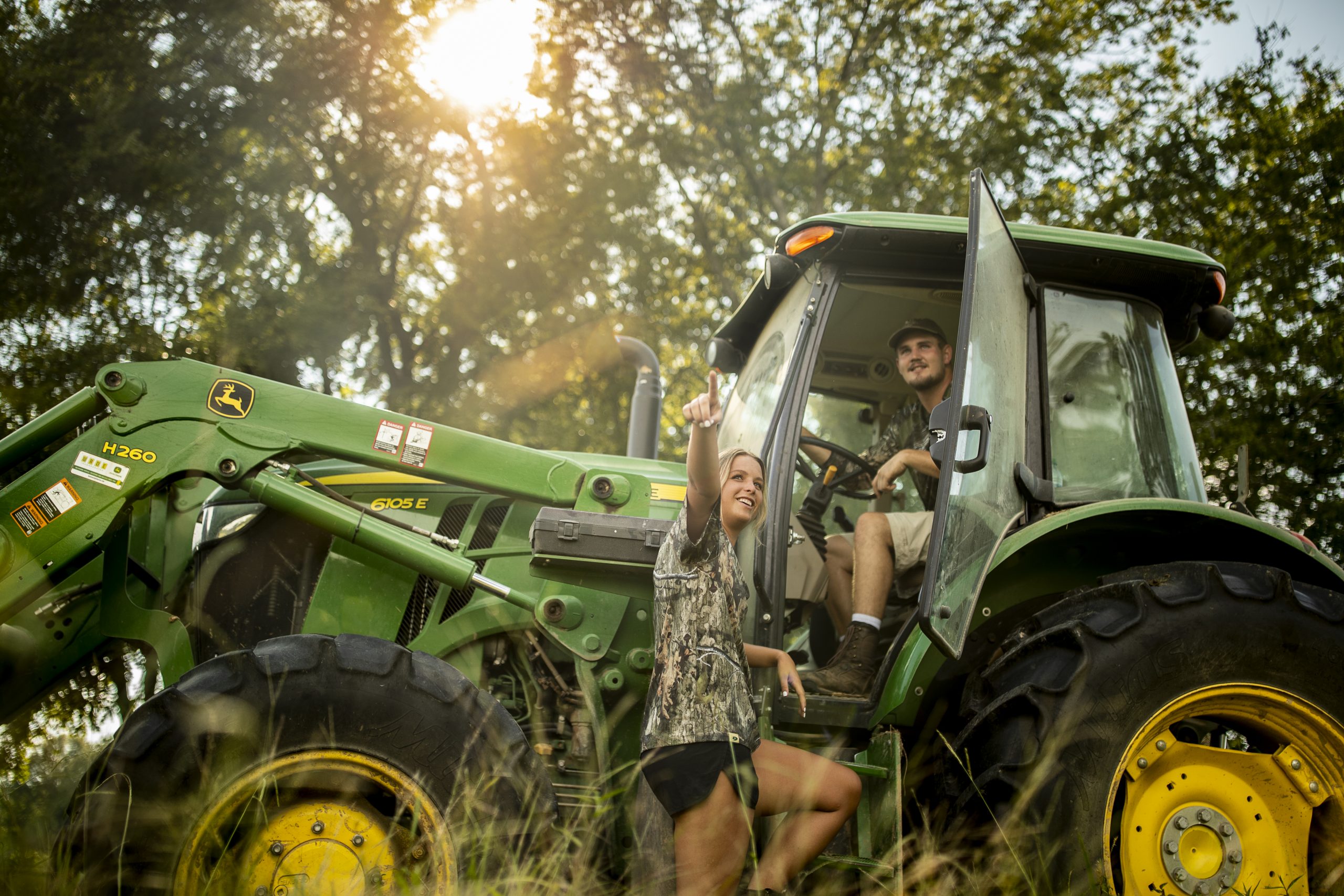
Much is written about how hunters can approach communicating their passions and practices to the larger community of nonhunters. Centuries ago, this wasn’t much of an issue, especially in the mostly rural areas that dominated the landscape of a fledgling nation. Concepts related to “conservation” were slowly evolving.
Today, hunters practice their pursuits across shrinking swaths of forests, fields and farms. Many hunters lease land to hunt. Some hunt public land. Others buy land. In an ever-fragmenting private lands scenario east of the Rocky Mountains, there is a good chance that neighboring landowners may be nonhunters who don’t share your hunter’s conservation ethic.
So, how could a hunting landowner talk conservation to a nonhunting neighbor? What approaches might convince these landowners ― some owning ample tracts ― that managing for wildlife-friendly habitat is in their best interest?
We asked NWTF regional directors of conservation for their thoughts. Both Doug Little, director of conservation operations (East), and Patt Dorsey in the West believe landowners influence each other by action and word of mouth.
Little said neighbors take note when quality habitat management is practiced, often resulting in an effort “to keep up with the Joneses,” so to speak. “Whether hunters or not, landowners often follow the lead of other successful landowners who actively manage their lands, reaping both financial gains from healthy forests and seeing wildlife and fisheries benefit from their work,” Little said.
‘Soft Sell’
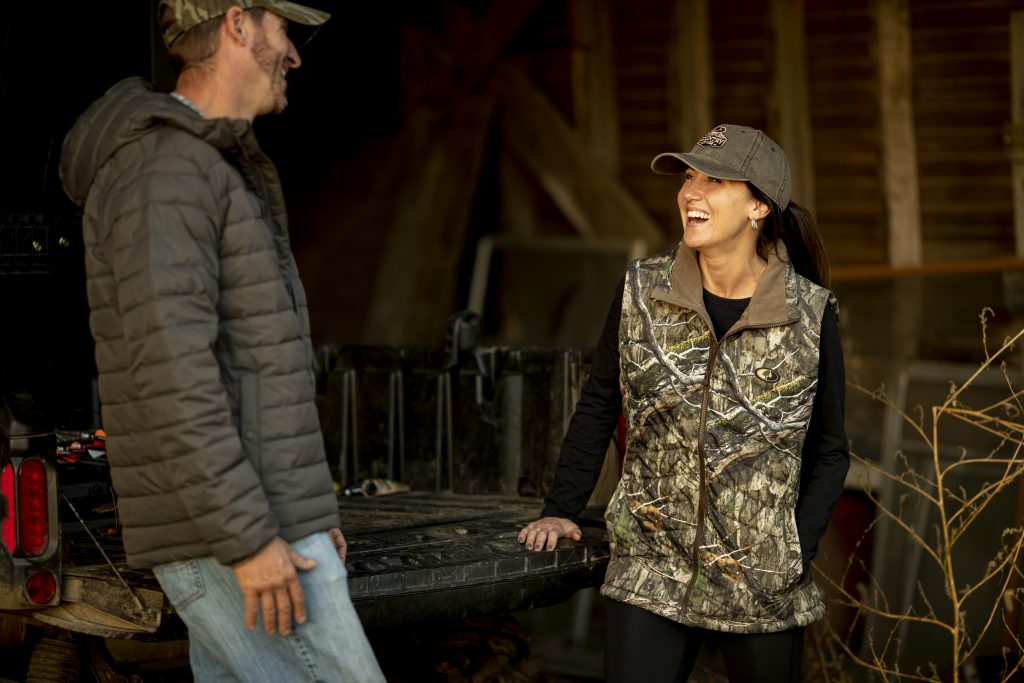
Helping neighboring landowners understand how and why you are working on habitat issues is essential. A “soft sell” approach often works. Dorsey promotes explaining how hunting also plays a significant role in habitat management. “Too many deer, for example, can hurt forests and songbird populations,” she said. “Carefully managing wildlife populations also helps habitat.
“It’s my experience that most landowners have an interest in having wildlife on their property,” she added. “When it comes to habitat work, what’s good for the habitat is good for wildlife. Having large tracts of quality (connected) habitat results in more wildlife for hunting and for viewing. Having healthy forests in all successional stages in an area will benefit a multitude of species from migratory songbirds to wild turkey, from beavers to bears and deer.”
Larry Weishuhn, a professional wildlife biologist from Texas and a noted hunting authority for decades, has worked wildlife management programs on private property on five continents. He said the ability to derive income speaks loudly, with that money coming from any mix of hunting, timber or crop revenues.
Like Dorsey, Weishuhn advocates communicating how hunting and habitat management for “targeted species” can directly benefit nongame species such as songbirds and butterflies.
He said a large part of his job involved “planting seeds” with neighboring landowners. Some take a few years to sprout. Eventually, some landowners would say, “I’ve been thinking [and possibly watching what a neighbor was doing], it might benefit wildlife if I left stubble standing in the field. It might help deer and birds. Or, I’ve been thinking maybe it would not hurt if I let some brush grow up on my fence line.
“Now it’s their idea, and it gets done,” he said. “Too often, landowners are approached and told how bad their practices are, which is an immediate turn off and a guarantee that things will likely not happen the way you would like.”
Some landowners who farm or lease cropland to farmers receive wildlife depredation permits. Weishuhn recommends hunters offer another solution, one paying the landowner for the opportunity to help remove the animals causing the damage. Hunters with access to agricultural properties can also consider buying several rows of crops from the farmer and then leaving them standing for wildlife rather than harvesting and plowing under. This, along with letting fence lines stay brushy or weedy, benefits wildlife, Weishuhn explained.
“One property we used to lease in Kentucky was about 30% farmland,” Weishuhn said. “Each year, we bought standing crop on the edges of the farmers’ fields. The farmers knew exactly what their average harvest was per acre. We would buy eight to 10 rows around the perimeter of the field and pay him his average yield per acre, whatever he was getting from his crop.”
This accomplished several things, including getting the farmer involved in the program, rewarding him for leaving standing crops for food and cover.
Strength in Numbers
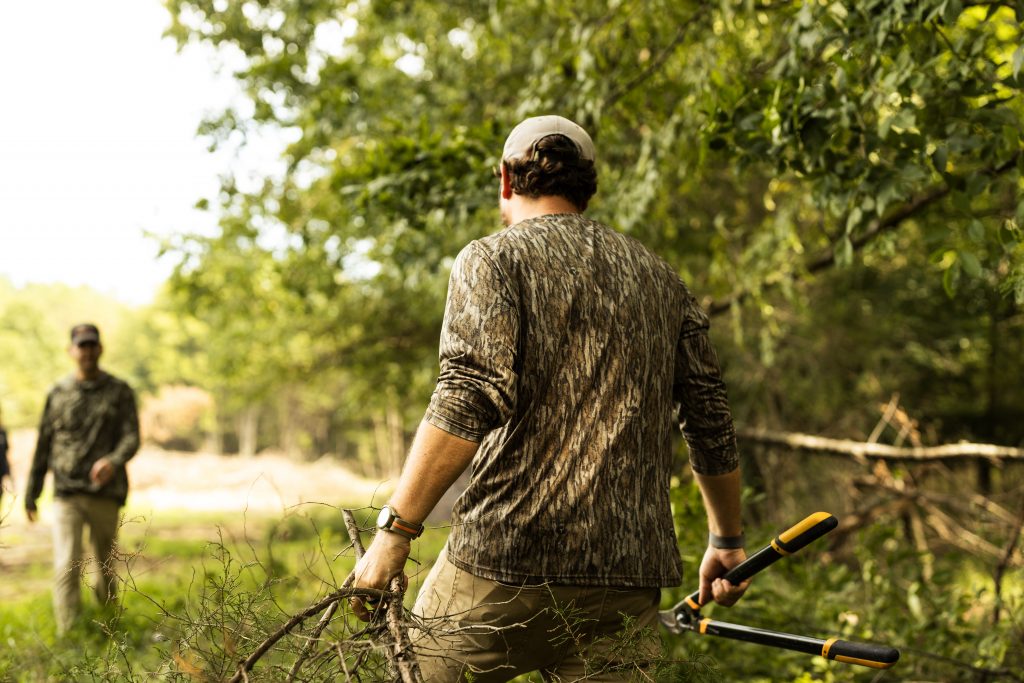
Weishuhn advocates joining or forming landowner groups and promoting the conservation message. In 1985, he founded the Texas Wildlife Association, today a powerful conservation group of landowners, outdoorsmen and women, educators and others professing love for wildlife.
“A big part of what we do is educate, starting with anyone who owns any ground, including backyards and even flower pots sitting on an apartment window sill that’s accessible to insects and birds. They too are influencers when it comes to wildlife,” he said.
Jared McJunkin, NWTF’s director of conservation operations (Central), adds, “I always coach the hunting landowner to place focus on the health of the species and habitats and not talk so much about their own personal end goal of harvesting an animal. In my experience, most landowners ‘get it’ even if they don’t hunt and are willing to make improvements if they understand the benefits, the costs and the inputs needed to improve their habitat.”
Little points out that many landowners lease to farmers and receive labor, equipment and expertise to complete desired habitat management work in exchange. Landowners in lease agreements can set parameters for leasing their lands and also receive additional technical expertise through consultations and planning advice on crop rotations, cover crops, buffer strips, and so on from partners such as the USDA Natural Resources Conservation Service.
McJunkin thinks key selling points are the overall benefits to wildlife, prevention of wildfires, and deterrence of invasive plant species.
“As with any landowner, the economics of improvements are very important,” McJunkin said. “Many are willing to put in some work and even some cash, but if the practice implementation is too expensive or the end result negatively impacts their bottom line too much, then they won’t be as interested.”
NWTF private lands professionals are always willing to discuss strategies for improving habitat on a broader scale. If you’re a landowner seeking a dialogue with a neighbor about the bigger picture, consider contacting them.
USDA NRCS Programs Offering Technical, Financial Help
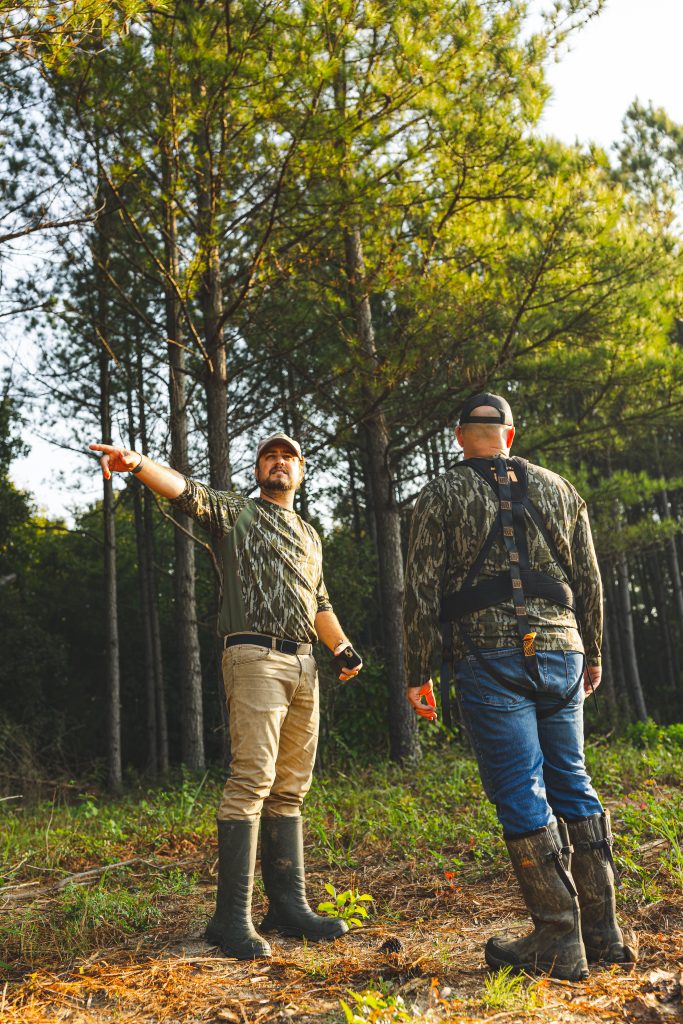
According to the USDA Natural Resources Conservation Service, working agricultural lands are critical for wildlife conservation. Two-thirds of the land in the lower 48 states is privately owned, much of it as working agricultural land. These farms, ranches, and forests produce much of our country’s food and fiber and are the backbone of rural communities. Working lands also provide clean water, recreational opportunities, and abundant wildlife habitat. NRCS has long worked with farmers and ranchers to provide financial and technical assistance.
Some Farm Bill programs NRCS uses to provide assistance include:
- Environmental Quality Incentives Program (EQIP) to help in addressing natural resource issues like habitat. www.nrcs.usda.gov/programs-initiatives/eqipenvironmental-quality-incentives
- Conservation Stewardship Program (CSP) to help build on your existing conservation efforts while strengthening agricultural operations. www.nrcs.usda.gov/programs-initiatives/cspconservation-stewardship-program
- Agricultural Conservation Easement Program (ACEP) to help landowners, land trusts and other entities protect, restore and enhance wetlands or protect working farms and ranches through conservation easements. www.nrcs.usda.gov/programs-initiatives/acep-agricultural-conservation-easement-program/new-york/agricultural
- Regional Conservation Partnership Program (RCPP) which is a partner-driven approach to conservation that funds solutions to natural resource challenges on agricultural land. www.nrcs.usda.gov/programs-initiatives/rcpp-regional-conservation-partnership-program/kentucky/regional-conservation
Additionally, NRCS is strengthening locally-led conservation efforts via the Working Lands for Wildlife initiative (www.nrcs.usda.gov/programs-initiatives/working-lands-for-wildlife). This is where the agency identifies and supports private lands conservation work that benefits wildlife and people. It is an outcome-focused, science-based and partnership-driven effort.