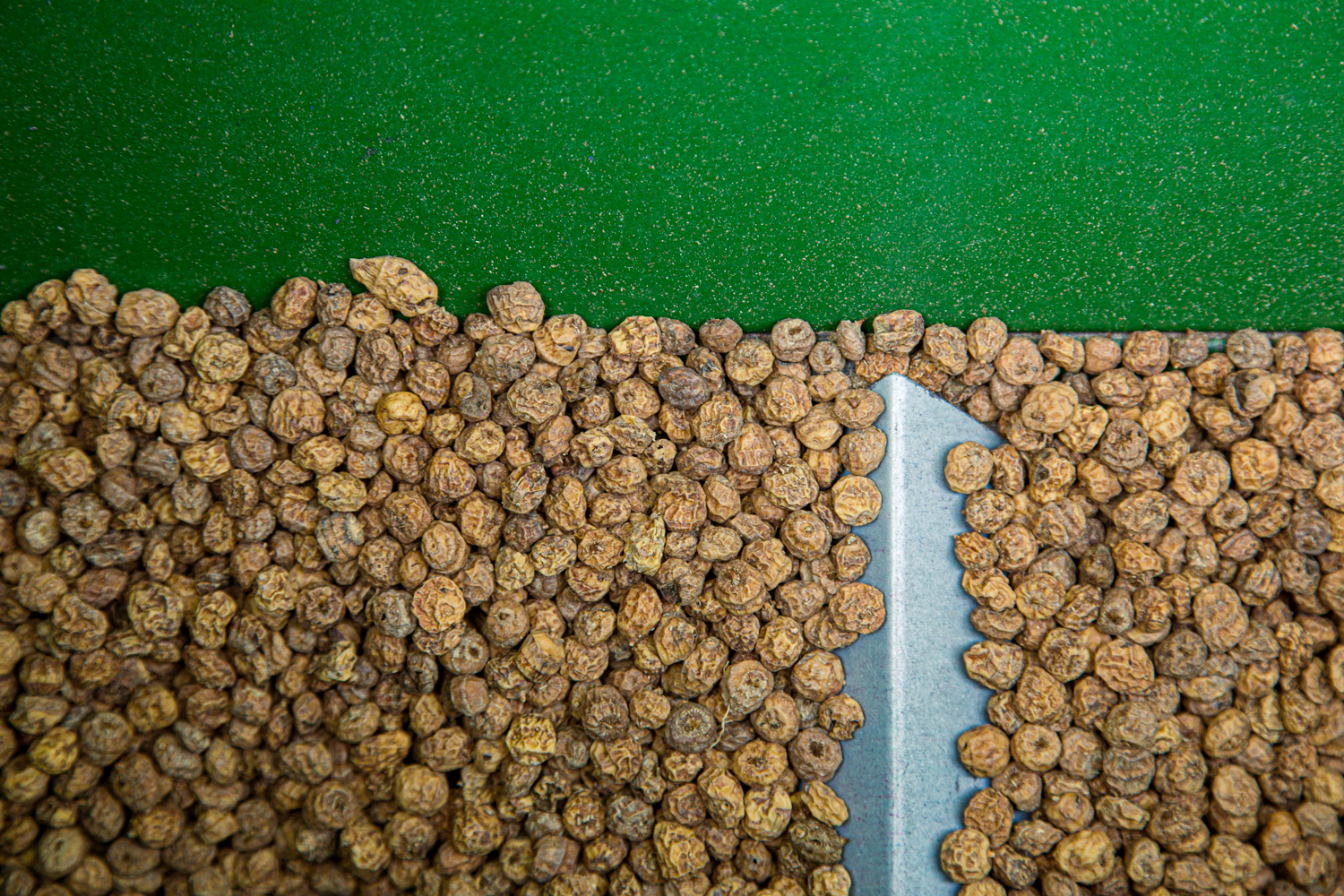
You Still Have Time to Plant Chufa This Summer
If planting chufa has been sitting on your summer to-do list, don't cross it off just yet.
Every year, landowners begin asking the same question as summer arrives: "Is it too late to plant chufa?" Fortunately, the answer is no. Across much of the South, there's still time to establish one of the most popular wildlife food sources for wild turkeys and other wildlife. However, the planting window won't stay open much longer.
Chufa, often called "turkey gold," is a warm-season sedge that produces small underground tubers, which are starchy storage structures that develop beneath the soil. Those tubers become a favorite food source for wild turkeys, which scratch through the soil to uncover and eat them throughout the fall and winter. While many landowners plant chufa in spring, it absolutely can be successfully established into early and mid-summer in many areas of the southeast, giving landowners another opportunity to improve habitat before the growing season begins to wind down.
The key is not letting time slip by.
Chufa typically requires soil temperatures above 65 degrees along with 90 to 120 frost-free days after planting to reach maturity. The sooner it’s planted, the more time the tubers have to fully develop before cooler temperatures arrive. Waiting much longer can reduce production and limit the food available for wildlife later in the year.
Whether you're creating a new food plot or adding to an existing habitat management plan, planting chufa now can provide lasting benefits beyond the hunting season. Once mature, the nutrient-rich tubers offer an important food source for wild turkeys, while the vegetation also provides cover and attracts insects that poults rely on during their first weeks of life.

Successful chufa plots don't require complicated equipment, but they do require planning. Chufa performs best in well-drained, sandy or loamy soils (40% sand, 40% silt, and 20% clay) with plenty of sunlight. A soil test, proper weed control and adequate moisture all help ensure a productive stand. Landowners looking for additional planting recommendations, site preparation tips and management practices can find a complete guide in Chufa: How-to.
For those ready to plant, the NWTF Seed Program makes it easy to purchase Turkey Gold Chufa seed directly. Members in participating states may also be eligible for discounts through their state's Seed Subsidy Program, helping stretch conservation dollars while improving wildlife habitat on private lands.
If you have already planted chufa, the max number of bags for purchase within the Seed Subsidy Program in your state may have increased. For availability, contact seed@nwtf.net or call 803-637-7541.
Every acre of quality habitat makes a difference. Whether your goal is attracting more turkeys, improving brood habitat or creating a dependable food source for wildlife throughout the year, there's still time to make an impact this growing season.