A Changing World: Why Wild Turkey Research Matters
The NWTF and its partners are constantly working to advance the overall understanding of wild turkey ecology and the management of the habitats they occupy, especially as these environments continue to change.
“Research doesn't replace habitat work; it supports it,” said Patt Dorsey, NWTF director of conservation operations for the West. “As an organization, we support the North American Model of Wildlife Conservation, and one of its key tenets is that wildlife management is based on the best available science. Science is about getting better and answering more questions and providing more information and then raising even more questions.”
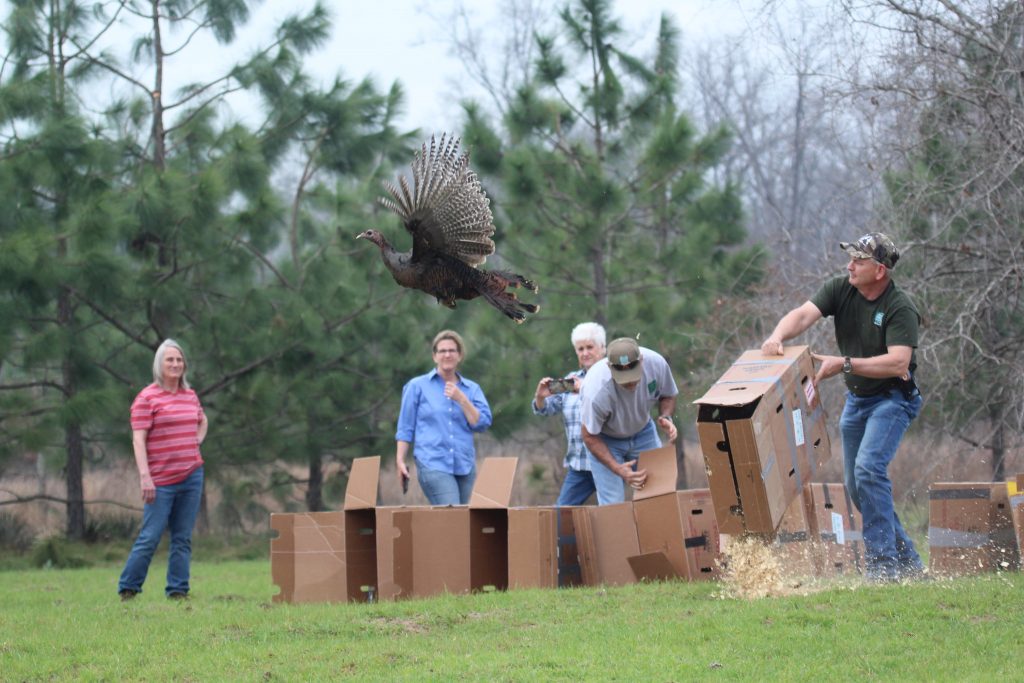
The NWTF’s conservation team and National Wild Turkey Technical Committee use scientific research to guide funding decisions, ensuring that habitat management efforts are based on the best available information that will lead to the best outcomes. The more research-backed those practices are, the more effective and timely the organization’s impact can be.
“Wildlife management has always been both a science and an art,” said Jared McJunkin, NWTF acting director of science and planning. “Science informs our management decisions, and the art is piecing it all together and continuing to adapt to a changing environment.”
When he was still in graduate school, McJunkin remembers a professor asking: “Don't we already know everything there is to know about wild turkeys?”
At that time, there was a significant amount of research being conducted on the bird, as wild turkeys were reintroduced to the landscape. Twenty years later, wild turkey populations are facing entirely different challenges, but there are still many asking that same question.
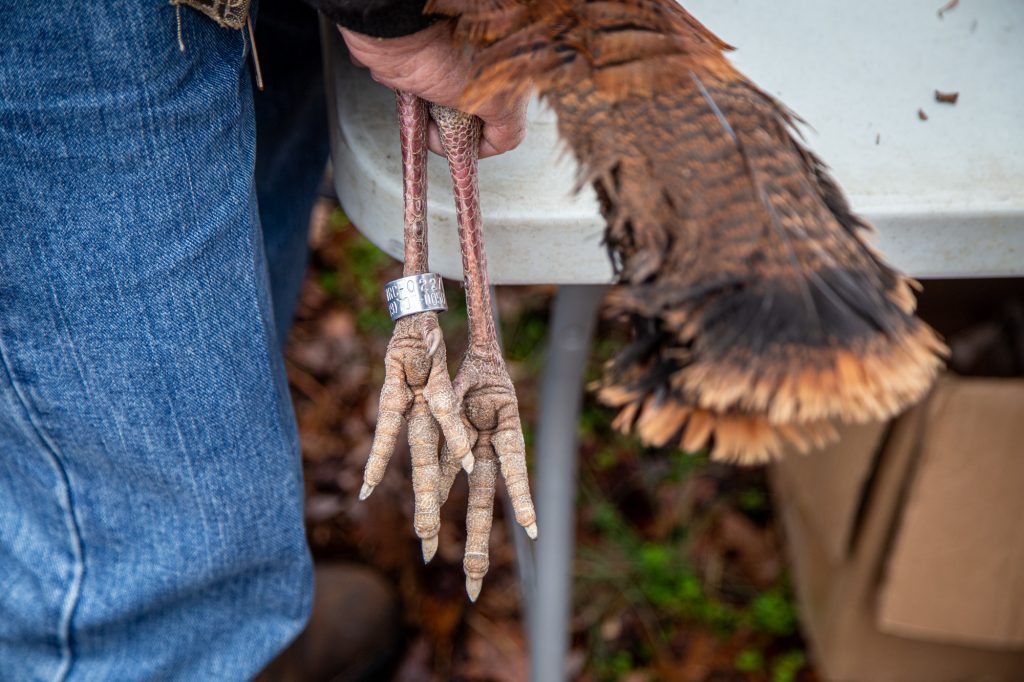
In the late 1990s and early 2000s, wild turkey populations surged in many parts of the country after historic restoration efforts. But that trend has since reversed, particularly in the Southeast. Ongoing research is needed to determine whether these fluctuations are natural or if something more concerning is driving the decline.
“There's a certain amount of loss associated with wild populations, and hunting can either be additive to that or compensatory to that,” said Derek Alkire, NWTF district biologist for Alabama, Kentucky and Tennessee. “Research is so important for the future because it is ensuring, from a harvest standpoint, that we're not taking more off the landscape than is sustainable. From the habitat side, it’s ensuring that there will be habitat for these birds to live in as housing developments are being built, and a lot of other things start to take over areas that used to be really good turkey habitat.”
Wildlife populations are always in flux, shaped by a mix of natural losses and human influence. Sustainable management depends on understanding those patterns, making sure harvest levels stay balanced and quality habitat remains as development and land-use changes spread across the landscape.
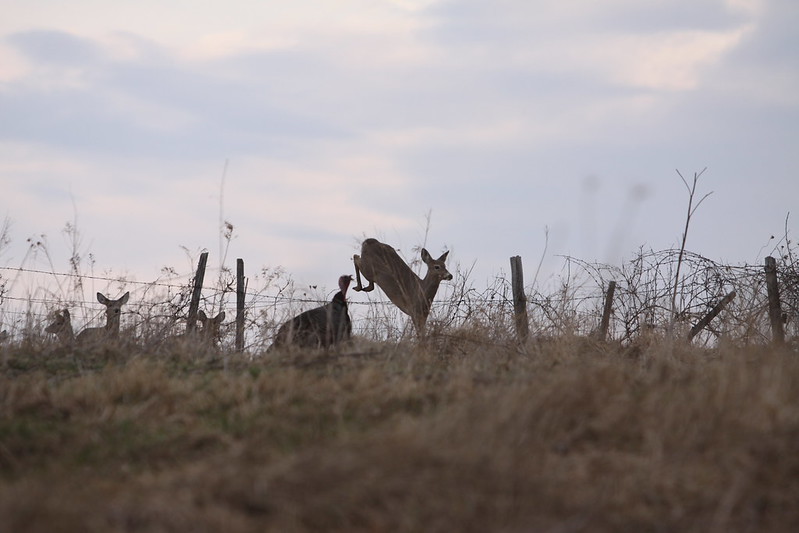
“We don't live in a terrarium,” said Kaylee Szymanski, NWTF district biologist for New England. “The environments that we work in are always changing and having research that’s changes with the habitat type or with the predator-prey relationships is so important. We also have to consider how new invasive species on the landscape are affecting our populations.”
Across the country, invasives species have altered historic ecosystems and have had negative effects for the native wildlife species that inhabit those ecosystems.
“Invasives are a big problem in the South, too,” Alkire said. “We’re using prescribed burning as a tool for that, and the uninformed turkey hunter might hate prescribed burning, because they think we’re burning up turkey nests. But the reality is we’re not, and the timing of prescribed burning creates a predicted response depending on when and how hot you burn, and we know that from years of research.”
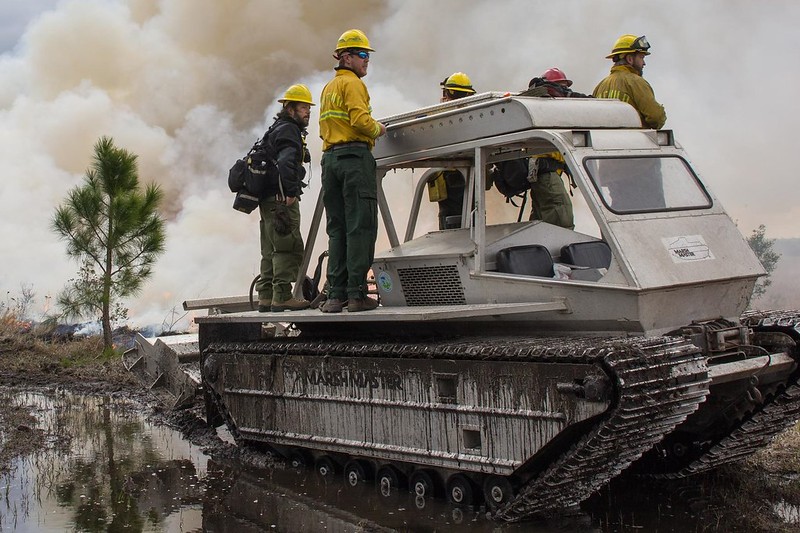
While prescribed burns are widely used management tools in many regions that can handle prescribed fire, other places are not ready for prescribed fire due to overly stocked forests.
“Many habitats in the West are fire dependent,” Dorsey said. “However, after 110 years of fire suppression, many forests in the West are overstocked with small trees. Combine that with warmer weather, changing winter snow fall patterns and less summer rain, and it’s a perfect storm. It all contributes to more fire activity, larger fires and more severe burning.”
From a wildlife management perspective, catastrophic wildfires are a threat because these high-severity fires often irreversibly alter habitat. The wildlife species that currently depend on forested habitats are at risk as megafires are exceeding 100,000-acres of burned land. With so many changes occurring on the Western landscape, we assume those changes are affecting wildlife populations and research can help wildlife managers plan for habitat and species resilience.
“Wild turkeys are having to adapt to changing habitat conditions, and we need to be on the cutting edge of learning and growing our knowledge base, especially as technology continues to evolve and provide more refined information” McJunkin said.
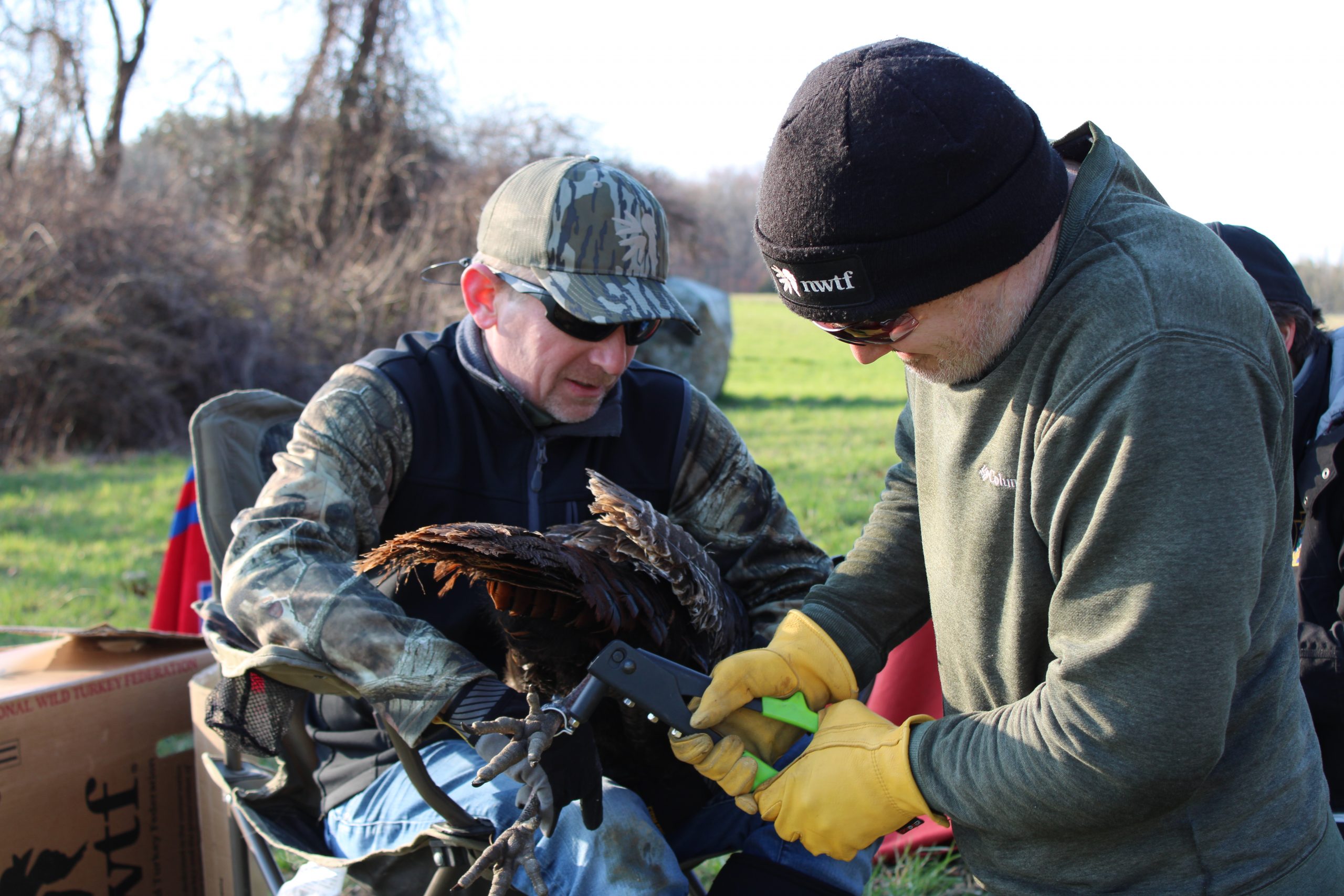
And while it seeks to answer critical questions about how wild turkeys are responding to our changing world, wild turkey research is also being transformed by advancements in technology. Just as habitat conditions are no longer what they were decades ago, the tools researchers use to study turkeys have advanced significantly, offering unprecedented insight into the bird’s ecology.
A recent research project, led by Patrick Wightman, used miniaturized audio recorders on male turkeys to understand gobbling activity at the individual level, which is something biologists a decade ago never thought they’d be able to do.
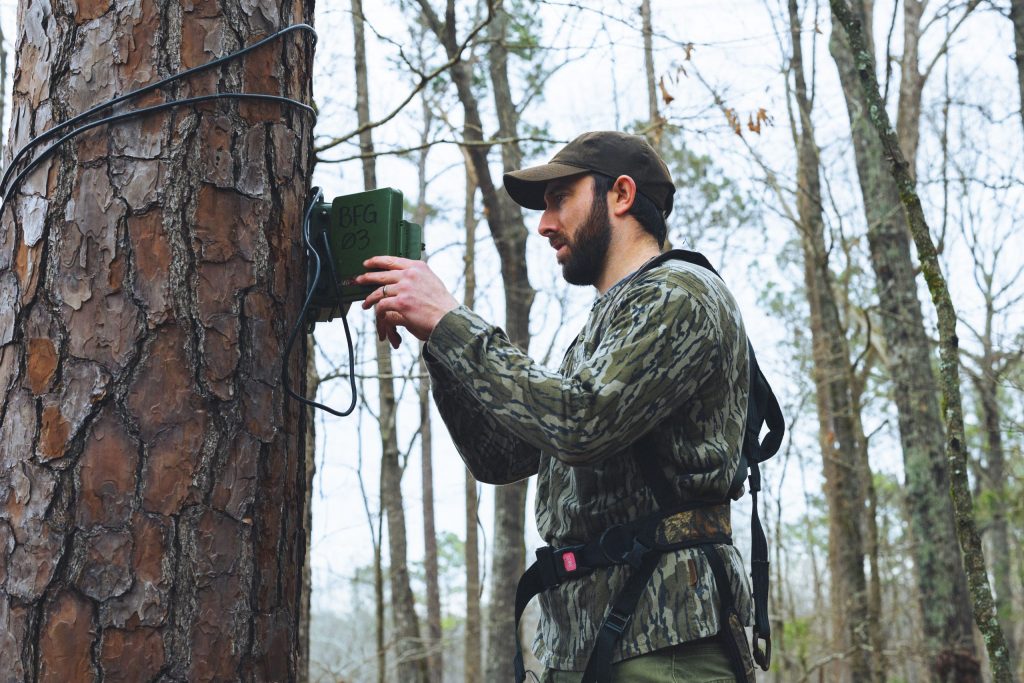
RFP grantee Nicholas Bakner is also using innovative technology coupled with state-specific breeding, nesting and roosting information to provide habitat management recommendations for the Texas Parks and Wildlife Department’s Eastern Wild Turkey Super Stocking Project.
“We're constantly learning new things and as technologies improve, we will be able to get a better idea of what turkeys are doing on the landscape,” Bakner said. “It's kind of like we're building a story; we're mapping out the life cycle of the turkey and we're refining the way we collect data. If research did not continue, you don't know what you'd be missing out on, truthfully, and little things can make all the difference. Remember that the wild turkey is one of the biggest conservation successes in the United States, and I think this is something that’s very valuable to keep monitoring as we go on through the years.”
As we continue to build upon the conservation story of the wild turkey, we must move forward with the best available science that drives positive change, so future generations may experience the life-changing power of the outdoors.