Conservation in Action Across the Northeast
The Forests and Flocks Initiative includes an all-seasons approach to habitat management, making it one of the NWTF’s most unique initiatives. Over the course of 10 years, Forests and Flocks is on track to improve 100,000 acres of habitat through land management practices that will establish young forest and grassland habitats that increase nesting and brood cover, favor mast-producing tree species to ensure adequate fall forage, improve winter foraging habitat for wild turkeys, and utilize the NWTF seed programs to encourage members to be a part of the process.
Every conservation project tells a different story, but altogether they showcase how important management work goes beyond state lines and depends on partnerships between dedicated people who are excited to come together to improve the places wildlife and communities depend on.
For volunteers, members and conservationists who are excited to see this work on the ground, the NWTF is inviting people to visit conservation projects near you.
This Conservation Week, find a project near you, see how conservation is creating healthy habitats across the northeastern landscape and share your findings with the NWTF.
Here are just a few places you can visit within the Forests and Flocks region:
Disclaimer: Project locations included in this article are situated on public lands that may be open to a variety of recreational uses, including hunting. Before visiting, always check the specific rules, regulations, season dates, and access requirements for the property you plan to explore. Visitors should also be aware that hunting activities may be occurring and are encouraged to wear appropriate safety colors when applicable, remain mindful of other users, and recreate responsibly. Conditions, access restrictions and regulations can vary by property and may change throughout the year.
Connecticut — Mohegan State Forest
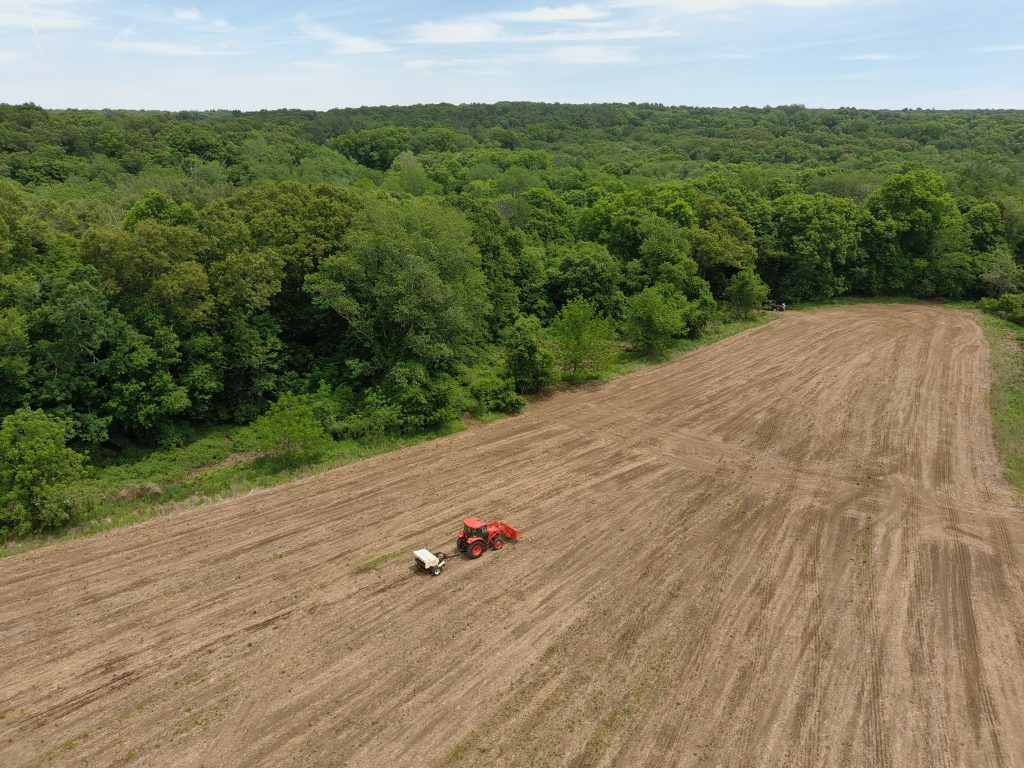
Thanks to funding from the Bass Pro and Cabela’s Outdoor Fund, the National Wild Turkey Federation is partnering with the Connecticut Department of Energy and Environmental Protection to convert an old agricultural field along the Shetucket River into a diverse, native warm-season grass and pollinator-friendly meadow on the Waldo Tract within the Mohegan State Forest, in Sprague, Connecticut.
The enhanced habitat will not just benefit the wild turkey, but also migratory birds. The site will provide critical breeding, stopover and foraging habitat for declining grassland birds, monarch butterflies and other pollinators.
The Mohegan State Forest also offers a variety of hunting opportunities, including small game, waterfowl, turkey and deer hunting. Improving wildlife habitat in areas like the Waldo Tract will in turn improve hunting conditions.
Delaware — Midlands Wildlife Area
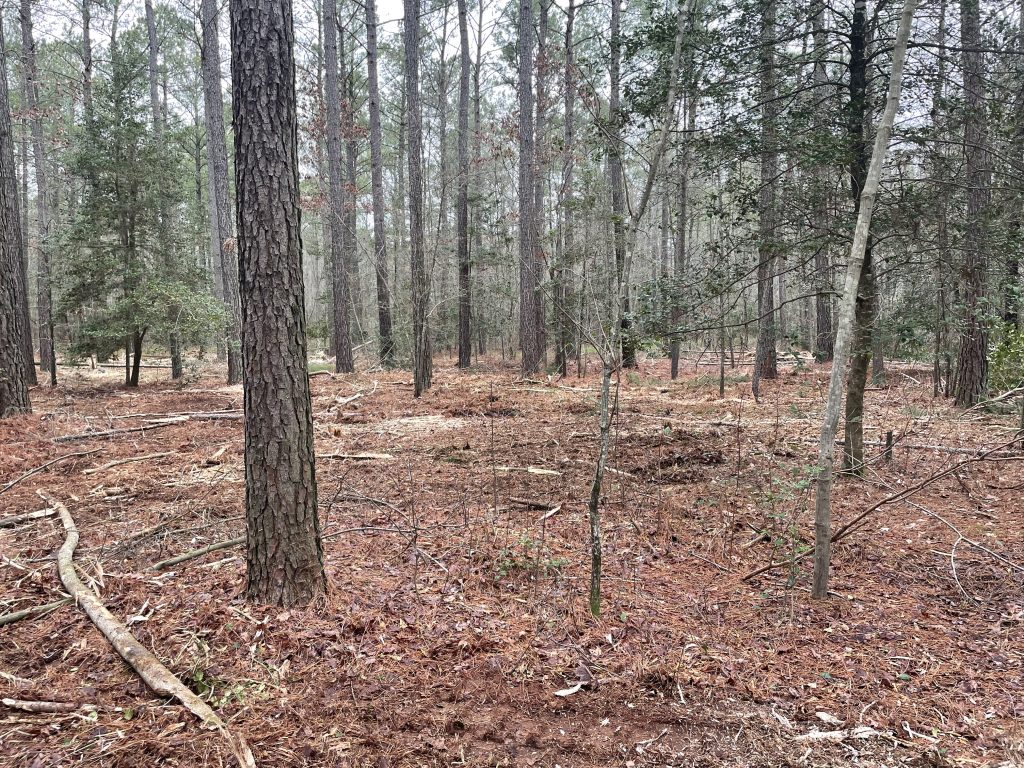
Like most of the projects in the Forests and Flocks Initiative, the Midlands Wildlife Area Project addresses every stage of the wild turkey life cycle in Sussex County, Delaware.
Biologists are creating wildlife openings by reducing the monoculture of loblolly pines in the area. Since beginning the project in 2024, the Delaware Division of Fish and Wildlife has been cutting, moving and stacking the trees for nesting habitat. The nine one-acre clearings in the 6,000-acre pine stand provide healthy wild turkey nesting and brood-rearing habitat in each plot.
Each of the nine plots has been treated with herbicide to reduce loblolly pine regeneration, and prescribed burns are being used to increase the amount of available native forbs and grasses. In subsequent years, the number of clearings will increase and move across other tracts, creating more openings for wildlife across the project site.
Maine — Rachel Carson Wildlife Refuge
Few conservation projects offer a better opportunity to connect people with wildlife than the Rachel Carson Wildlife Refuge.
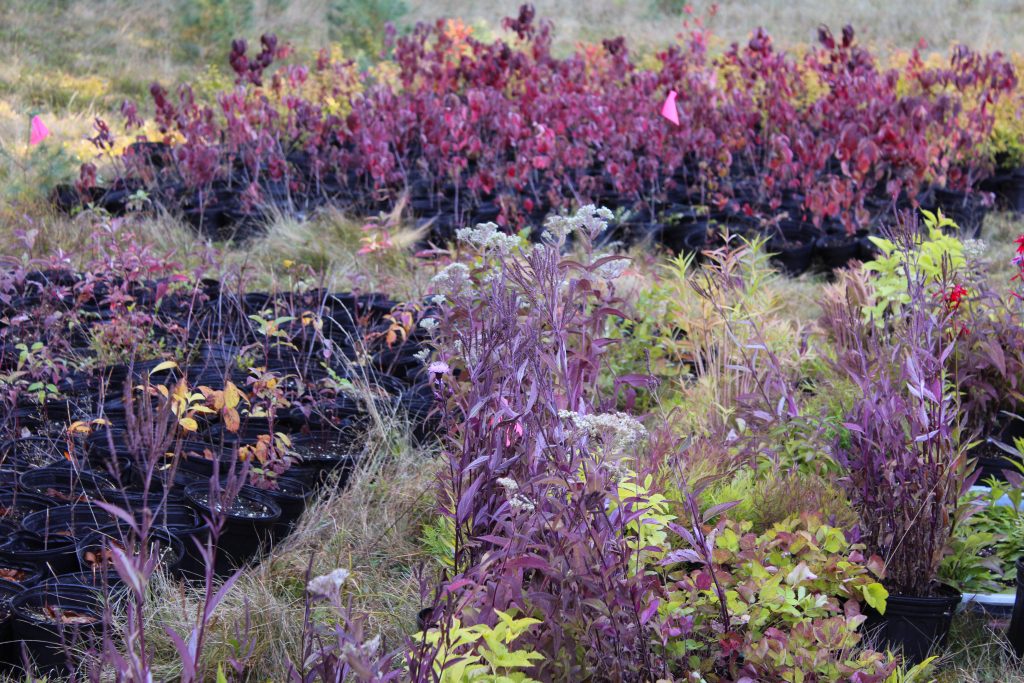
NWTF volunteers were able to get their hands dirty at the refuge’s annual ‘Rabbitat Planting Party,’ where native tree saplings were planted to help establish native habitat. The project area was mulched prior to the plantings to convert a dense, low-value conifer stand into more productive wildlife habitat.
Not only does this habitat project create diverse early-successional habitat that benefits wild turkeys, but it was also designed to increase dense cover and food resources for New England cottontail and other wildlife species that frequent the area.
This project was in partnership with the U.S. Fish & Wildlife Service and other conservation organizations, and acts as a great example of how volunteers can be a part of great conservation work.
Maryland — Dan’s Mountain Wildlife Management Area
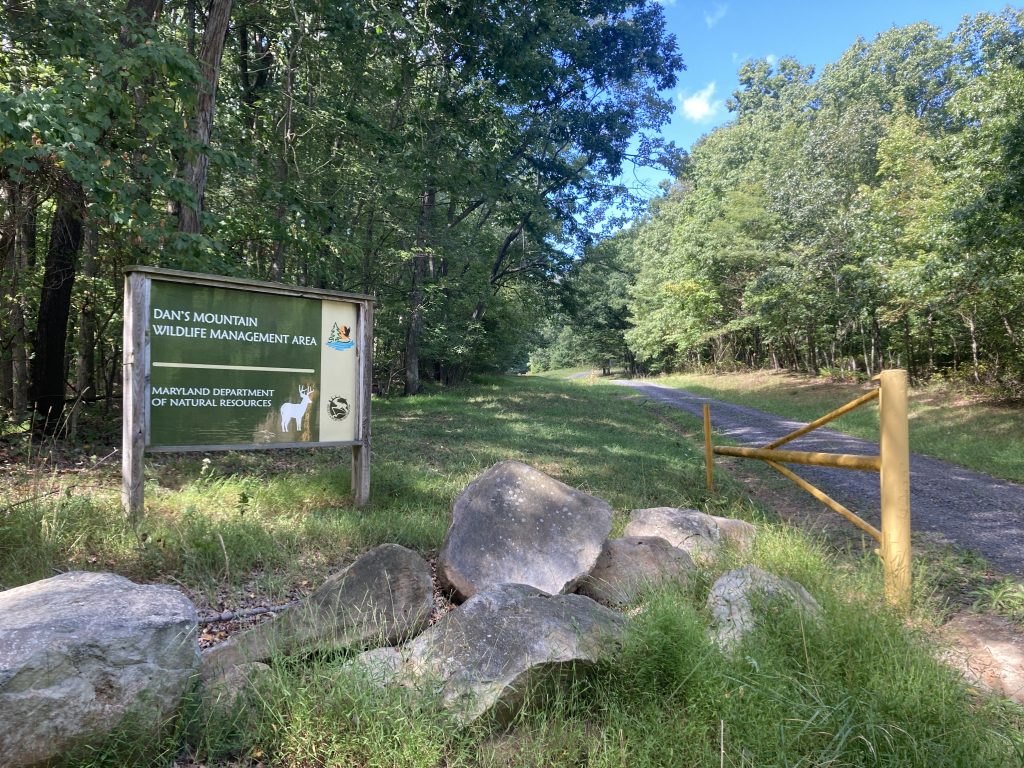
The Dan’s Mountain Wildlife Management Area is over 10,000 acres in size, but before starting a new habitat project, there was close to no early successional habitat across the entire property.
The Maryland NWTF State Chapter provided $30,000 to help fund herbicide treatments for invasive species following a non-commercial timber harvest on 30 acres of the property. Before the herbicide treatment, a thinning of existing timber in the area was conducted to encourage forest diversity to return to the site. Prescribed burns are also being used to create and maintain the early successional habitat that benefit wild turkeys when they’re nesting and brood-rearing.
Conservation projects on large portions of public land in the Northeast are of great importance since roughly 80% of the region is privately owned.
Massachusetts — Savoy Mountain State Forest
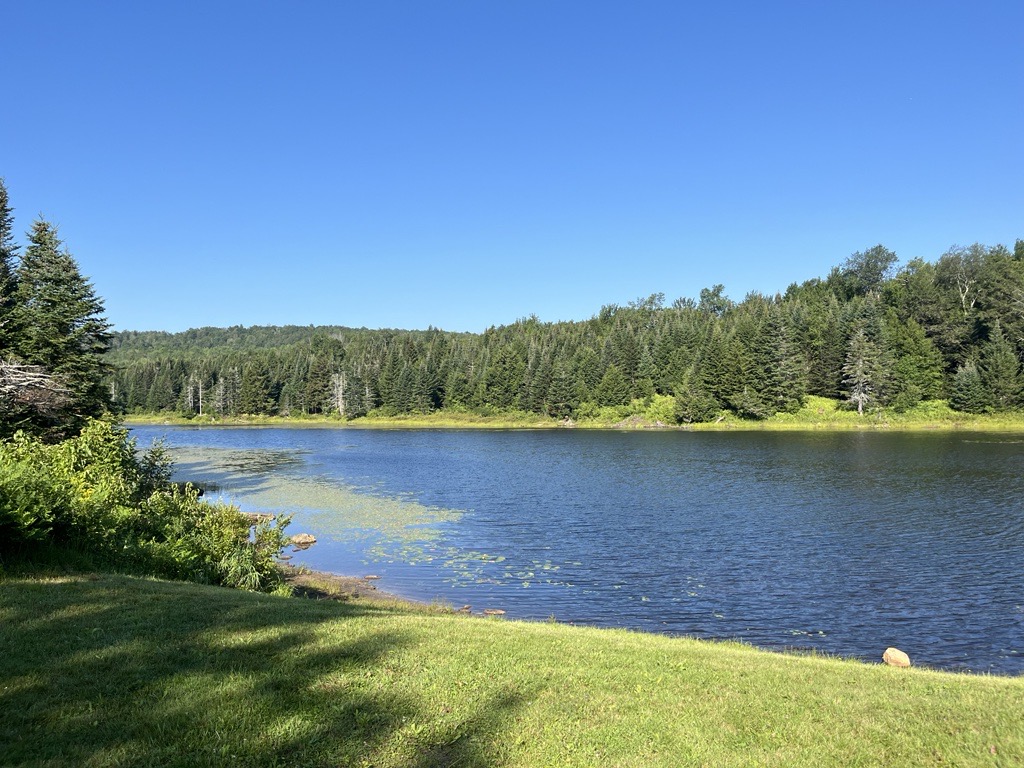
The Massachusetts NWTF State Chapter is one of several partners that signed on to the USDA Forest Service Landscape Scale Restoration Grant, a grant that funds large, multi-year forest management projects that improve forest health across thousands of acres.
This summer, the NWTF supplied Student Conservation Association (SCA) students with equipment to complete habitat restoration across eight acres within the Savoy Mountain State Forest.
Students performed an apple tree release, removing competing vegetation from a historic apple orchard, to make more sunlight and resources accessible to apple trees. Not only was a historic orchard restored, but the apples are also providing adequate fall forage for wild turkeys and other wildlife species.
The students also performed a spruce tree release on two different sites within the state forest. Spruce stands are uncommon within the Savoy State Forest, which meant enhancing these areas to protect the trees was important because trees provide critical cover for wildlife during Northeast winter months. Soft mast trees, such as mountain ash and serviceberry, were retained during the release to provide another area of fall forage for wild turkeys and other wildlife species.
This project not only exemplifies healthy habitat work, but it emphasizes the need for strong partnerships with other organizations and state and federal agencies to get conservation work across the finish line.
New Hampshire — White Mountain National Forest
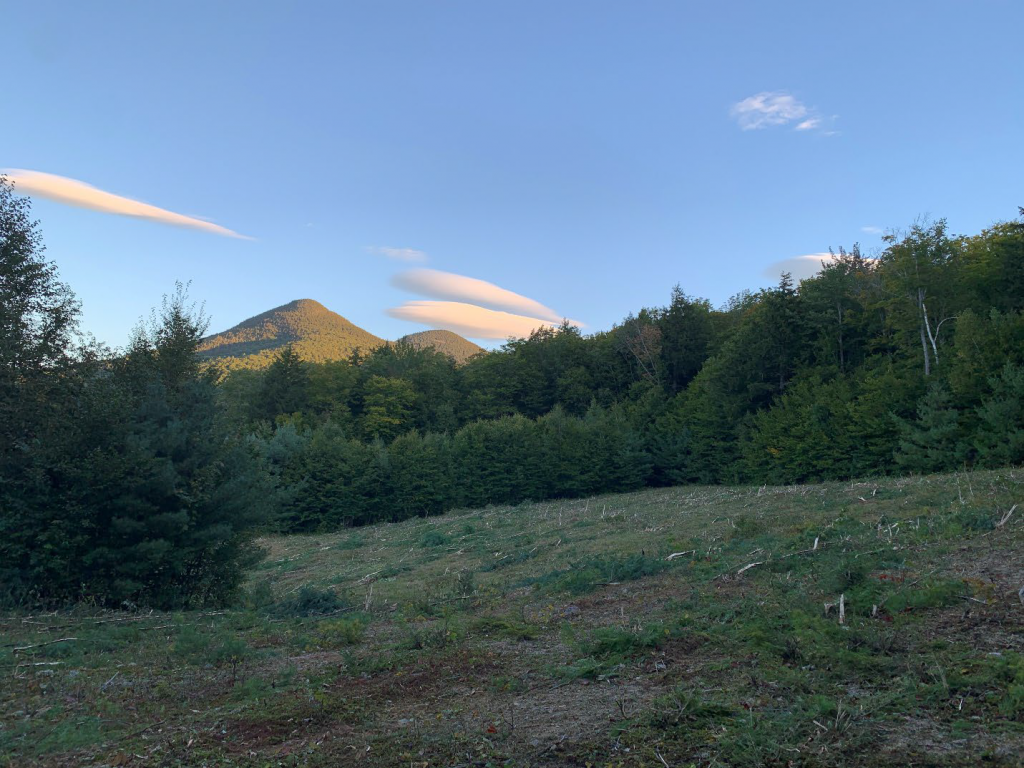
In New Hampshire's White Mountain National Forest, conservation work is being funded in part by turkey hunters.
The National Wild Turkey Federation has partnered with the USDA Forest Service to restore over 50 acres of overgrown, unproductive land and turn it into a meadow full of native grasses and wildflowers.
Land managers used machinery to mulch undesirable woody species from the area. Land managers are then restoring a mix of native grasses, forbs and shrubs that will provide critical nesting and brood-rearing habitat for wild turkeys while benefiting a wide range of other wildlife and pollinators.
New Jersey — Wharton State Forest
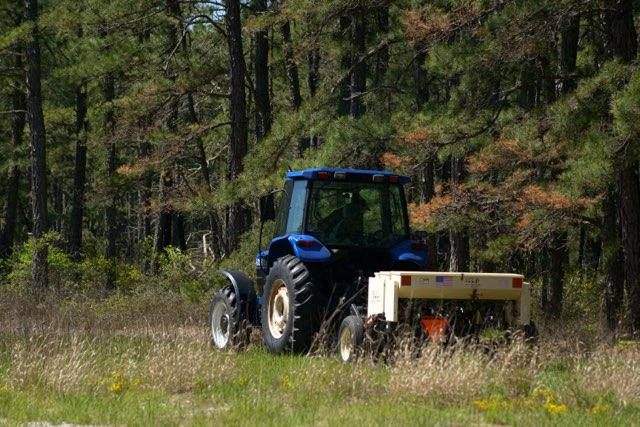
The Wharton State Forest is the largest parcel of publicly owned property in the state of New Jersey, encompassing over 124,000 acres, and the NWTF is partially funding significant restoration efforts.
The New Jersey NWTF State Chapter partnered with the New Jersey Department of Environmental Protection to plant seed mixes across 38 acres of habitat projects within the state forest. The seed blend, which was a mix of annuals and perennials like black-eyed Susans, purple coneflower, partridge pea, sorghum and buckwheat, were planted on areas being managed as wildlife openings that were prepared using prescribed fire a month before planting occurred. Other prescribed burns will be used in the future as needed to maintain the early successional nature of the area.
This habitat project ensures that the wild turkey will prosper in one of the most significant ecological areas in the state of New Jersey.
New York — Lake Shore Marshes Wildlife Management Area
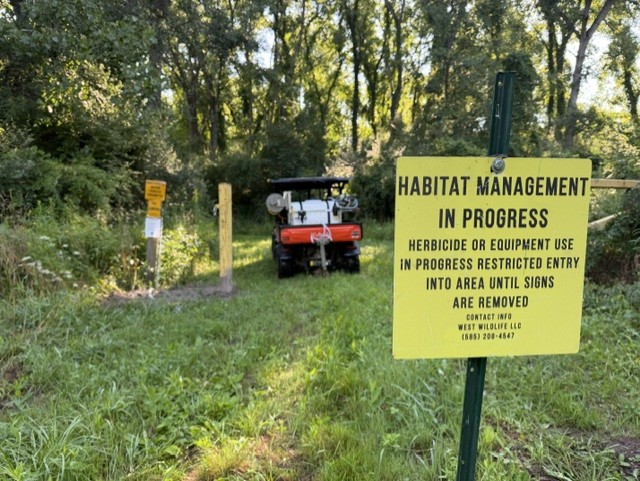
While the big city is what comes to mind when most people think about New York, 62% of the state is covered with almost 19 million acres of forest land, which means conservation projects are critical for maintaining healthy forests.
The New York NWTF State Chapter partnered with the New York State Department of Environmental Conservation to support ongoing forest stand improvement through the NYSDEC Young Forest Initiative, which aims to increase young forest habitat on Wildlife Management Areas across the state.
Partners worked with an independent contractor to conduct management and herbicide treatments on 14 acres of the Lake Shore Marshes Wildlife Management Area, which will reduce dense invasives such as multiflora rose, honeysuckle and autumn olive, while preparing the stand for future aspen and oak release projects. The site will be planted with native shrubs, grasses, forbs and wildflowers to create a more productive ecosystem for plants, animals and hunters.
The Lake Shore Marshes WMA neighbors a managed grassland and a 43-acre hardwood stand, which will be harvested in the future. The three areas amount to almost 100 acres of contiguous upland habitat that will benefit wild turkeys and other wildlife in the Empire State.
The Lake Shore project also includes signs that acknowledge the partnership between the NWTF and the NYSDEC and a recently constructed parking area that improves access and outreach, making this project a multifaceted Forests and Flocks success.
Ohio — Wayne National Forest
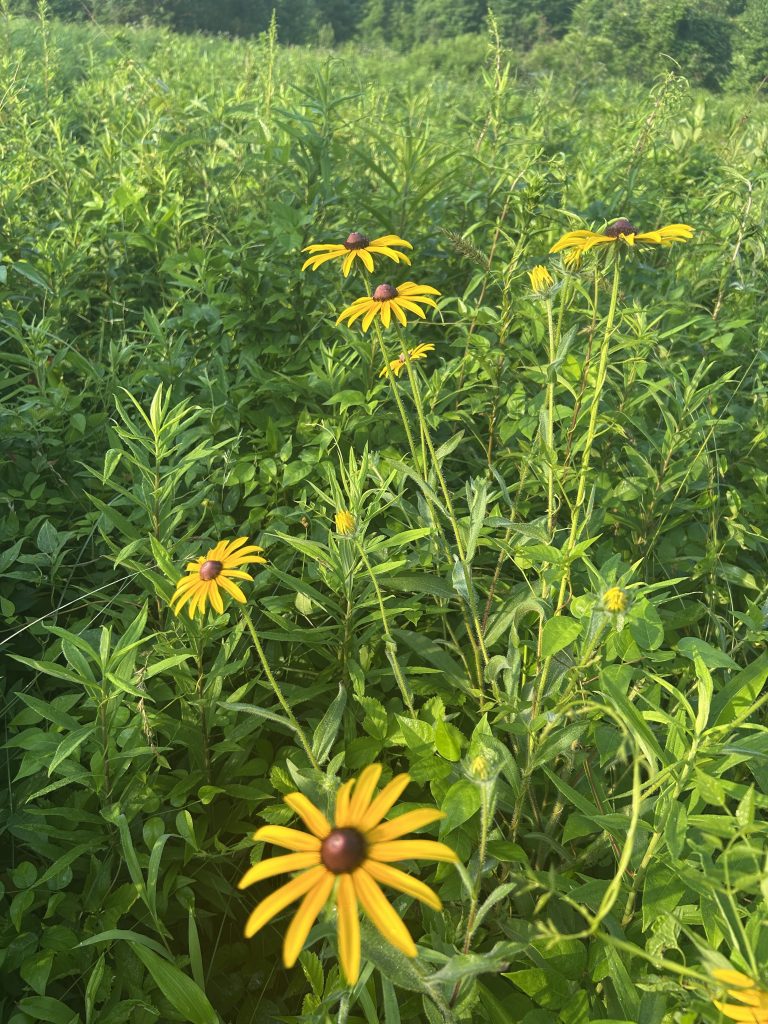
Ohio’s only national forest, the Wayne National Forest covers over 240,000 acres of rugged Appalachian foothills in the southeastern part of the state. In an effort to create and maintain healthy wildlife habitat, the NWTF partnered with the USDA Forest Service to complete over 1,250 acres of wild turkey conservation projects.
Managers worked to improve forest health and conducted understory treatment. Vernal pools were created and wildlife openings were treated across the national forest to create refugia for a variety of wildlife species, including amphibians, pollinators, mammals and the wild turkey. This improves recreational opportunities across Wayne National Forest, a sacred space in the Buckeye State.
Pennsylvania — Buchanan State Forest
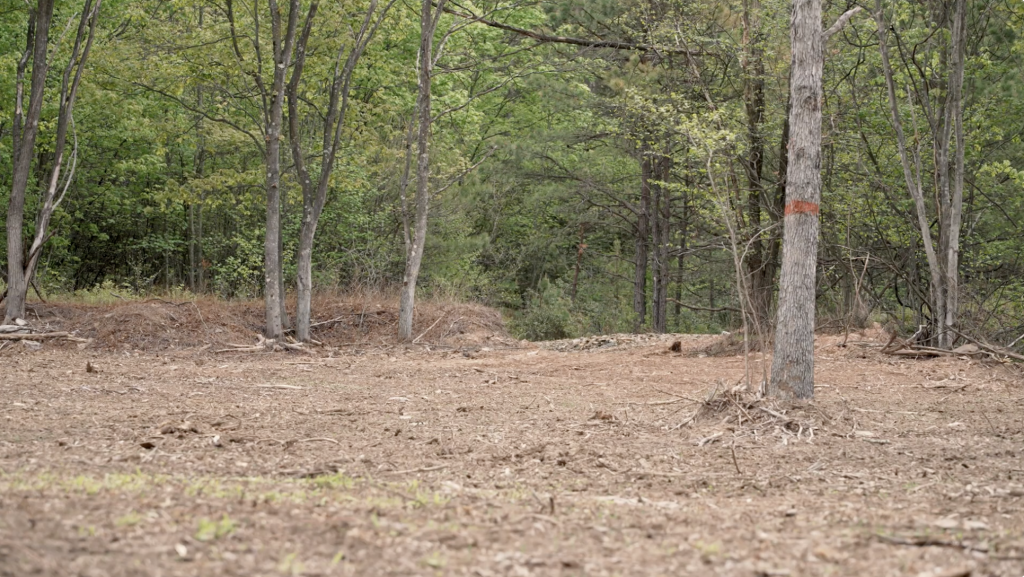
Located in south-central Pennsylvania, the Buchanan State Forest project is a multi-year effort on an 11-acre site known as the Town Hill Tract.
Beginning in 2024, the site was mechanically cleared of nonproductive woody shrubs, and then in 2025, field staff felled any remaining unwanted trees.
The Pennsylvania NWTF State Chapter provided $18,000 to complete a stump grinding project, which opened the area to be seeded with native warm-season grasses, pollinator-friendly species, legumes and other grain species. The woody debris created from the stump removal was left on the project site along the opening’s edge to create cover habitat for wild turkeys and other wildlife species.
Looking forward, the Town Hill Tract wildlife opening will be maintained through multiple different management strategies, such as native plantings, invasive-species control and prescribed burns that will maintain high-quality early successional habitat.
The completed wildlife opening will provide crucial habitat for wild turkey, ruffed grouse, American woodcock, white-tailed deer and other wildlife while providing recreational access to hunters and wildlife-viewers. The completed opening is ADA accessible.
Rhode Island — Merrill S. Whipple Conservation Area
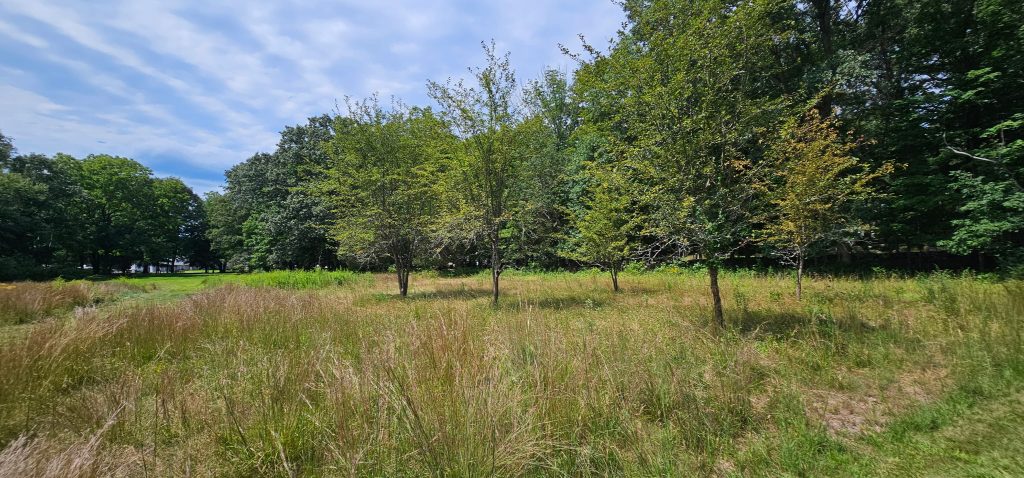
The Merrill S. Whipple Conservation Area is a 50-acre nature sanctuary located in the heart of Rhode Island, and turkey hunters are investing in the area to make it a healthier wildlife habitat.
The NWTF Ocean State Fantails are partnering with the Coventry Land Trust to restore the population of crabapple trees across the conservation area that were planted over three decades ago.
To aid in this effort, the Rhode Island NWTF State Chapter purchased and planted apple trees for habitat enhancement and plans to plant more to revitalize the area.
For anyone who wants to participate in conservation efforts and see habitat enhancement work firsthand, the Coventry Land Trust’s Land Trust Day Celebration will be a great time to visit the site. On October 17, at 10 a.m., members of the community are invited to the Merrill S. Whipple Conservation Area to participate in a trail walk. NWTF volunteers will be attending to plant their last five apple trees.
Vermont — Steam Mill Brook Wildlife Management Area
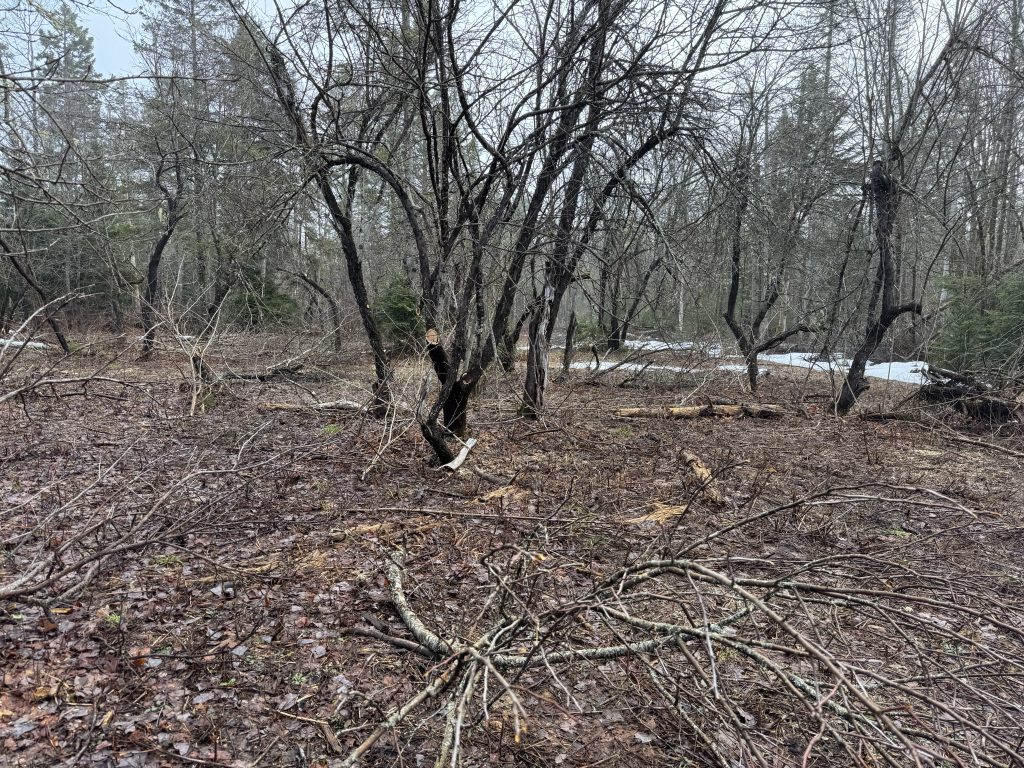
In Vermont, creating a reliable food and forage resource for wild turkeys is the main priority at the Steam Mill Brook WMA project.
The Vermont NWTF State Chapter and the Vermont Department of Fish and Wildlife are releasing and revitalizing apple trees and restoring forest edge habitat. The edge habitat, an area between wildlife openings and the forest, in the project is increasingly being suffocated by non-native invasive plants, diminishing the productivity of the ecosystem. Restoring this edge habitat with a forestry mulcher will allow more wildlife species, including the wild turkey, to better utilize the area. The mulching, coupled with hand pruning, released over 160 apple trees from competition with invasive species.
Visitors can now see a healthy and productive habitat in action at the Steam Mill Brook Wildlife Management Area. Apple tree releases and healthy edge habitat work together to benefit wild turkeys.
Virginia — Mattaponi Wildlife Management Area
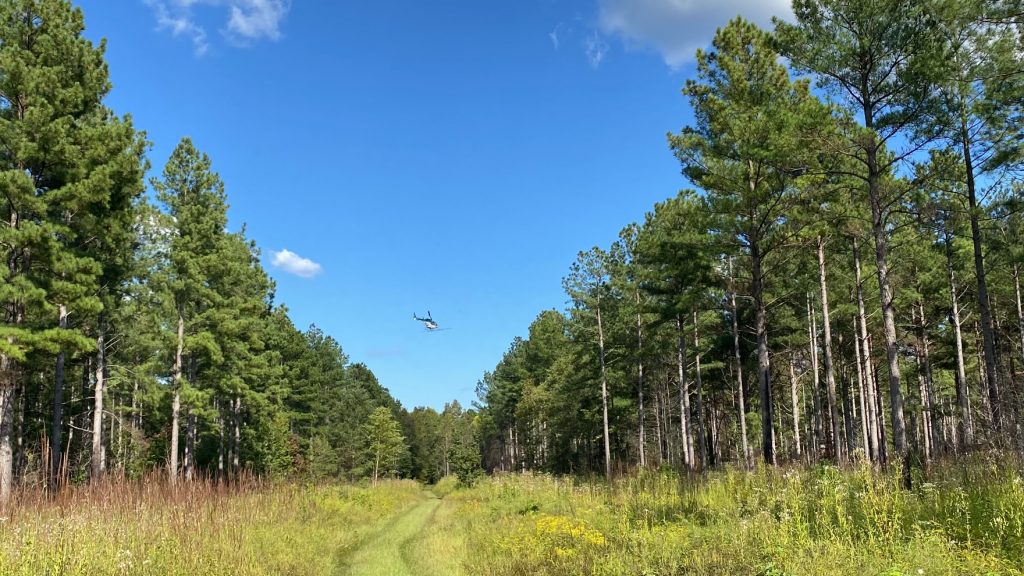
The Mattaponi WMA is nestled in the northwest corner of the Upper Coastal Plain, just outside of Bowling Green, Virginia.
The property is a contiguous tract of flat land, which is considered atypical of the surrounding topography. However, the WMA is still rich in diverse natural communities, making it an excellent location for recreation.
The Virginia NWTF State Chapter recently partnered with the Virginia Department of Wildlife Resources to mulch along fire lines, or barriers to prevent prescribed burns from escaping the project area, to remove undesirable invasive vegetation. The treated area will be continually managed using herbicide application and prescribed fire.
Maintaining the kind of habitat needed for a fire line is, in turn, maintaining habitat needed for wild turkey brooding, since both are comprised of warm-season grasses, forbs, legumes and pollinator friendly grasses.
Visit the Mattaponi WMA and see firsthand the unique upper coastal plain wildlife habitat that is being managed in central Virginia.
West Virginia — Sleepy Creek Wildlife Management Area
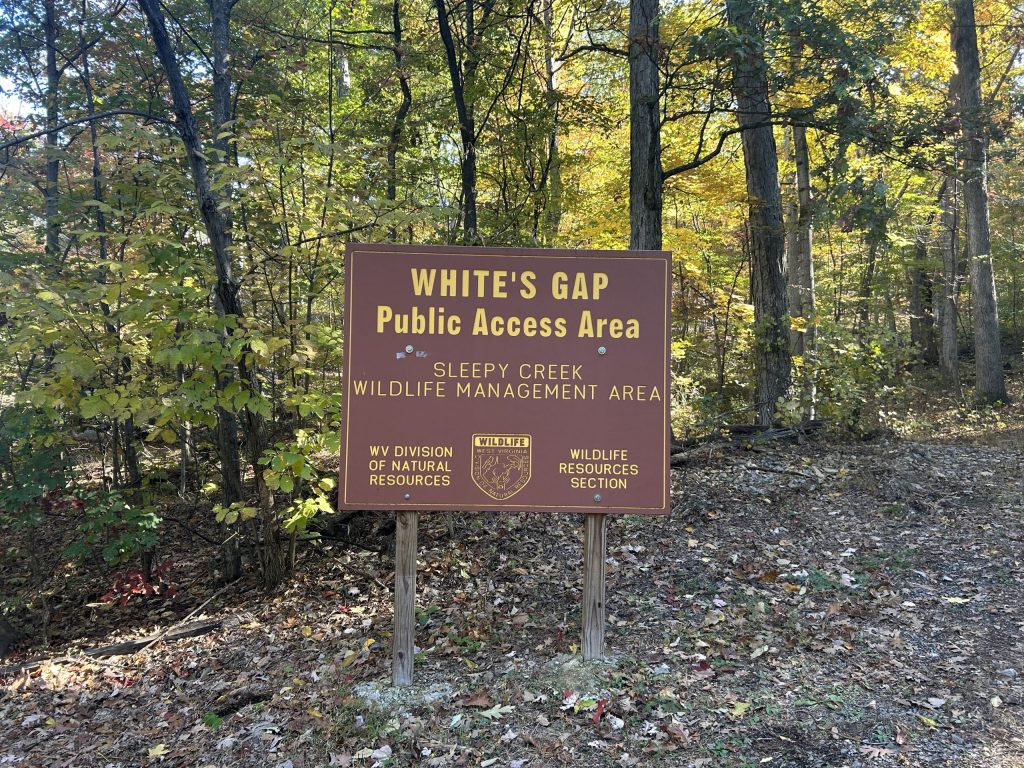
Just north of West Virginia's Blue Ridge Mountain range lies the Sleepy Creek Wildlife Management Area, comprised of nearly 23,000 acres of mature forest that provides habitat for wildlife and terrain for hunters, anglers and outdoor enthusiasts to explore.
The West Virginia NWTF State Chapter has maintained a long-standing partnership with the West Virginia Division of Natural Resources to improve wildlife habitat and recreational access within the WMA.
To address access to the remote areas of the WMA, an access project via White’s Gap Road was completed that allows visitors easier access to the summits of Sleepy Creek Mountain, providing breathtaking vistas of the eastern panhandle of West Virginia and Virginia’s Shenandoah Valley.
Efforts to improve access are another key component of the NWTF Forests and Flocks Initiative, and Sleepy Creek WMA is a perfect example of how important access can be. Visitors not only have the opportunity to view the beauty of the region, but they can also use these public lands to hunt, trap, fish and camp.