
Forests and Flocks Celebrates Another Year of Accomplishments
The NWTF's Northeastern Forests and Flocks Initiative builds off of a rich history of wild turkey conservation. It was in this region, in Fredericksburg, Virginia, that Tom Rodgers chartered the National Wild Turkey Federation. But before the NWTF was established, wild turkey managers in the Northeast were working to restore wild turkey populations through successful trap-and-transfer programs.
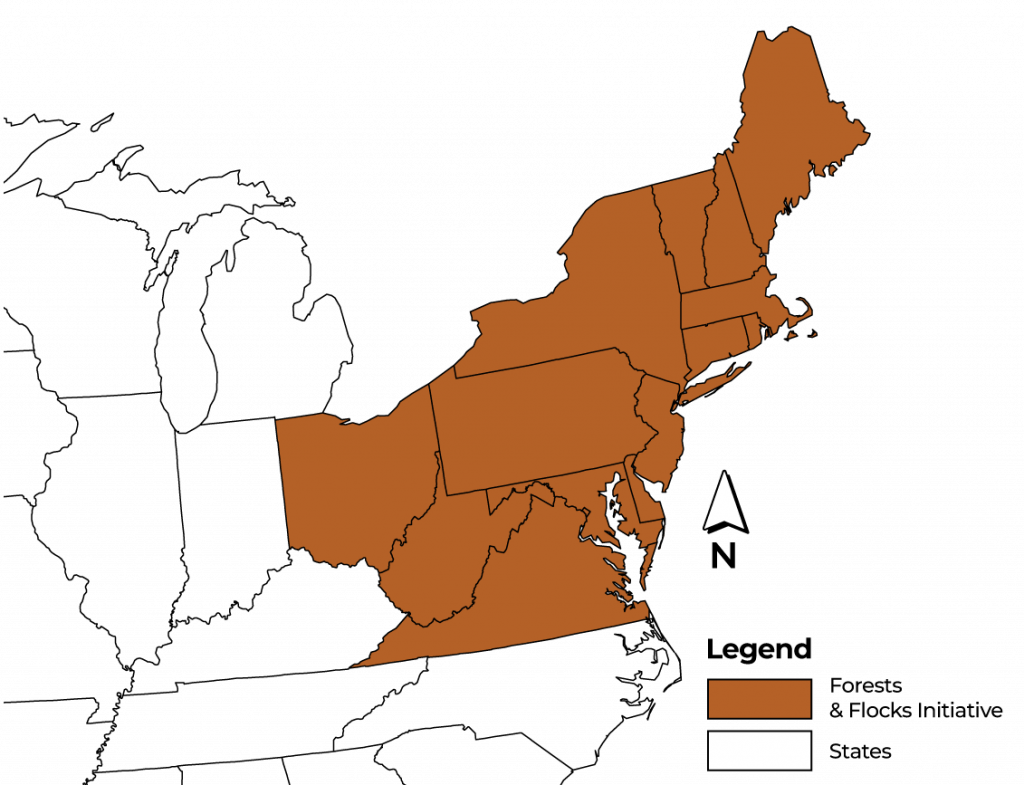
The NWTF created its 10-year Forests and Flocks Initiative to exemplify that conservation is a relay, not a sprint. To help prevent future declines, the Forests and Flocks Initiative is building upon these historic restoration efforts and ensuring the health and vigor of the Northeast’s wild turkey population for the future. In addition, the initiative is working to strengthen the region’s rich hunting heritage and increase the NWTF’s voice against recurring proposed legislation that is in opposition of our mission, while supporting policy that benefits our hunting heritage and active habitat management.
Numbers to Date
Launched in August of 2024, the Forests and Flocks Initiative is making progress toward its 10-year goal of improving 100,000 acres across Northeastern states, and in year two, the region is celebrating results. Between NWTF state chapter projects, grant work, seed orders and equipment acres, the Forests and Flocks Initiative has conserved 13,011.45 acres on both public and private lands in year two:
- National Forestry Initiative: 507.7 acres
- Seed Program Acres: 7,206.5 acres
- Equipment Acres: 2,470 acres
- Super Fund, Grants, Agreements: 2,827.25 acres
Annual Cycle Habitat Management
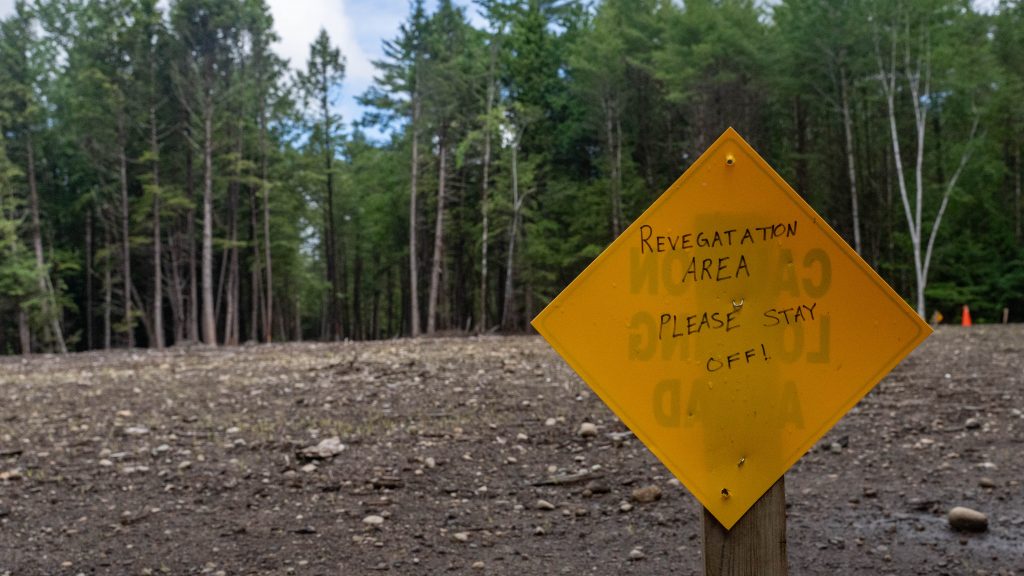
When this initiative was developed, NWTF biologists took an all-seasons approach to habitat management, making it one of the NWTF’s most unique initiatives. When habitat enhancement projects are created within the region, they must focus on habitat needs for wild turkeys on a four-season scale, thus supporting at least one of those critical stages of the wild turkey’s life cycle.
For example, the NWTF New Jersey State Chapter partnered with the New Jersey Department of Environmental Protection’s Fish and Wildlife Bureau of Land Management to plant seed across five different WMAs. These plantings will provide a reliable fall and winter food source for wild turkeys, brood-rearing areas for hens in the spring and increased insect activity that provides nutrition for poults in the summer. This comprehensive approach not only strengthens wild turkey populations but also promotes healthier forests and benefits a wide range of other wildlife species.
For the NWTF’s 2026 Conservation Week, a project from each state within the Forests and Flocks Initiative shows the type of work the NWTF is accomplishing across the Northeast for the wild turkey's annual cycle needs: Check out more Forests and Flocks projects.
Partnerships and Private Landowners
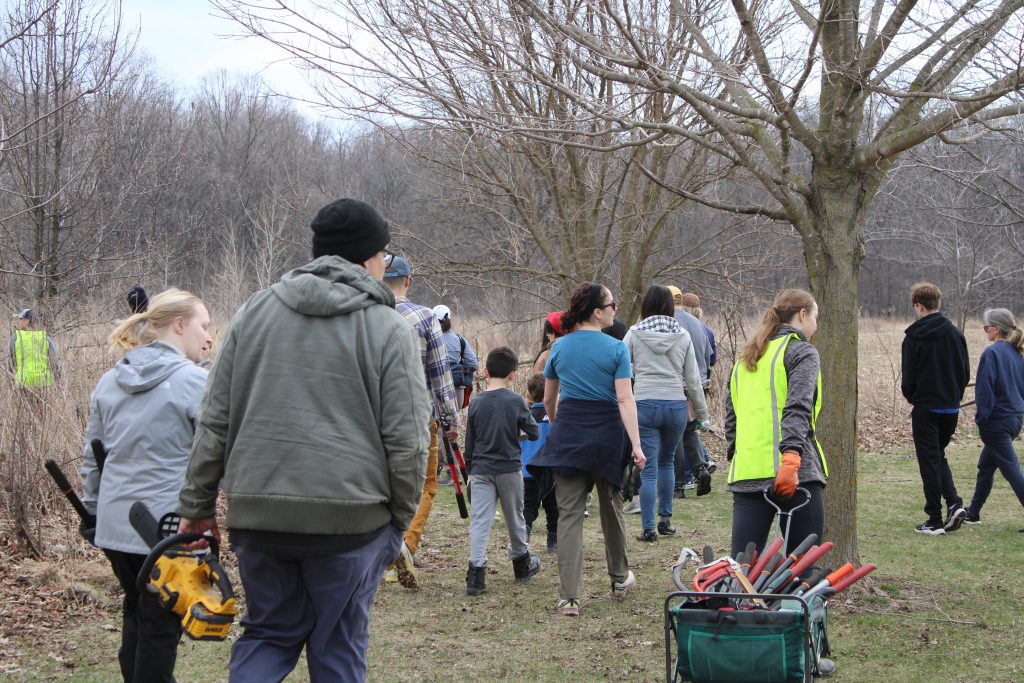
The first project launched under the Forests and Flocks Initiative was in partnership with the USDA Forest Service at the Finger Lakes National Forest, weaving the importance of partnerships with state and federal agencies, nonprofit organizations, local communities and private landowners into the roots of wild turkey conservation in the Northeast
Private landowners in the Northeast are also critical for achieving the initiative’s acreage goal because a significant portion of the region is held within private land ownership. NWTF biologists encourage landowners to manage their land for wildlife, even in the simplest ways, like mowing outside of the ground-nesting season or leaving brush piles on the edge of a field for ground cover. The NWTF also offers private landowners the opportunity to participate in its seed programs, allowing them to be a part of the initiative's conservation mission.
“In the Northeast, where much of the land is privately owned, partnerships are key,” said Doug Little, NWTF director of conservation operations for the Northeast. “They give us the opportunity to work toward shared habitat goals rather than approaching projects independently, and they bring multiple resource professionals together, which allows us to develop and maintain strong, multifaceted habitat projects. At the end of the day, co-organizational partnerships allow us to make a much broader impact on the natural resources across our landscape.”
Education and Outreach
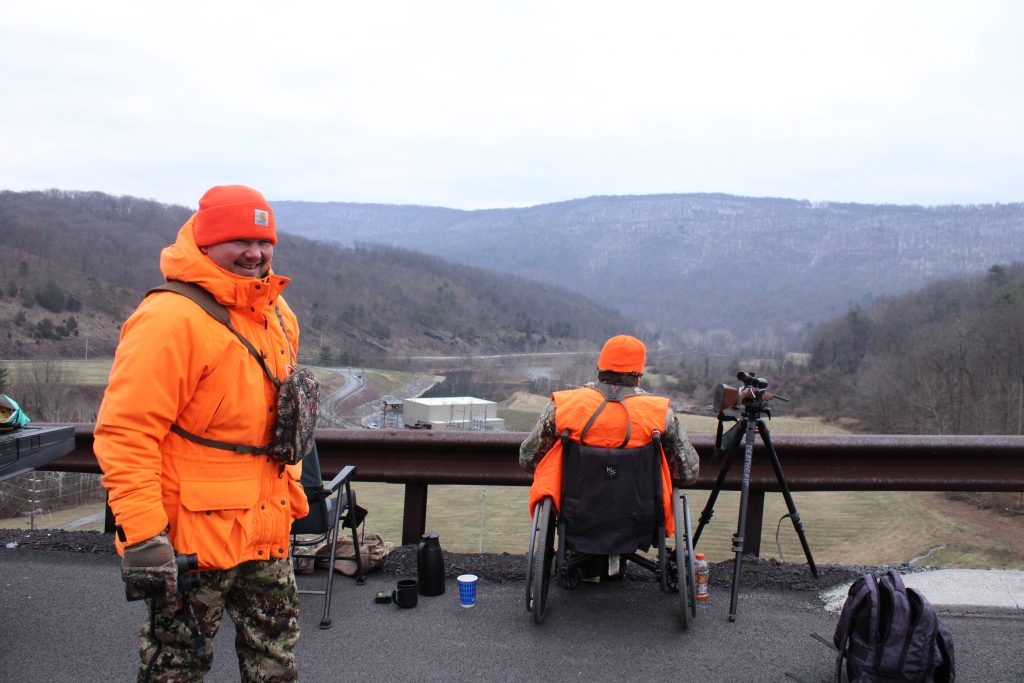
Outreach and R3 — recruit, retain and reactivate — efforts are also key components of the Forests and Flocks Initiative. Regionally, there is less participation in hunting and shooting sports in Northeast because of shifting public attitudes. But hunting does not exist without cultural support. By hosting more inclusive and educational events, volunteers in the Forests and Flocks Initiative are building a strong community of support.
The NWTF has several programs within its larger education and outreach department, each dedicated to the preservation of our hunting heritage. The Juniors Acquiring Knowledge, Ethics and Sportsmanship (JAKES) programs engage youth with the outdoors, the Women in the Outdoors (WITO) programs offer women an opportunity to participate hunting and shooting sports, and the Wheelin’ Sportsmen programs provide hunting opportunities to those with injuries, mobility impairments or those needing additional assistance.
In total, NWTF chapters that lie within the Forests and Flocks Initiative have collectively hosted 620 education and outreach events since the initiative was launched in 2024:
- JAKES – 238
- Wheelin' Sportsmen – 151
- WITO – 50
- Conservation Field Days – 80
“It’s great to see so many of our volunteers with their foot on the gas, excited to be hosting so many outreach events,” said Jesse Warner, NWTF northeast R3 coordinator. “Given the fact that hunting support and participation in the Northeast is on the decline, having dedicated and hardworking volunteers host over 600 events across the region showcases how the NWTF is hoping to reverse the trend.”
Policy
The Forests and Flocks Initiative has a strong focus on policy and is consistently supporting laws that bolster hunting participation, active habitat management, private-land access programs and more.
Last year, the region celebrated the passing of Connecticut and Pennsylvania's Sunday hunting bills. The NWTF submitted letters supporting both pieces of legislation because they are aligned with the goals of the Forests and Flocks Initiative, boosting regional support for hunting and increasing our voice against legislation that is in opposition to the NWTF’s mission.
Pennsylvania has officially announced that during the 2027 spring turkey season, hunters can legally hunt on Sundays, allowing more hunters the opportunity to get out into the woods.
The NWTF is also working with the West Virginia Prescribed Fire Council — a coalition of partners, including the NWTF, the West Virginia Division of Forestry and the West Virginia Division of Natural Resources — to effectively address the issues of prescribed fire management and to better meet the challenges of wildland fire in an increasingly development-focused landscape. Partners are working to promote a bill that defines liability for the use of prescribed fire on private lands during the 2026 legislative session. The proposed legislation will allow private landowners to utilize cost-share dollars from the Farm Bill and other landowner assistance programs to use controlled burns as a way to manage land for pollinators and promote oak regeneration on their property. This legislation was a top priority for the West Virginia Prescribed Fire Council.
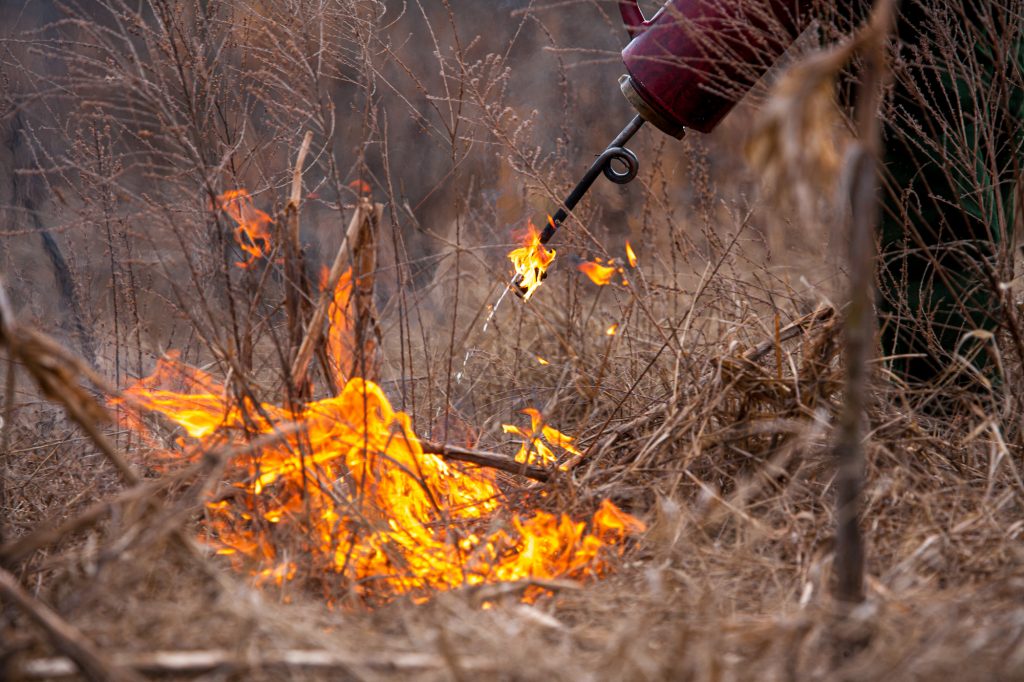
“The NWTF's conservation impact on public lands is well documented, but opportunities to move the management needle on private lands are limited,” said Cully McCurdy, NWTF district biologist, and current chair of the West Virginia Prescribed Fire Council. “Our support and advocacy for this type of legislation resonates well with our members and provides them with additional management opportunities for their property.”
The Forests and Flocks Initiative is still in its early years, but the progress across the Northeast in just two years demonstrates what happens when conservation, a passion for hunting heritage and strong partnerships collide. Every acre conserved, hunter engaged and policy win contributes to the initiative’s landscape-scale effort. By building on the rich conservation and hunting legacy of the region today, we are ensuring healthy forests and flocks for generations to come.