NWTF’s Active Forest Management Expands with Umpqua Disaster Recovery Project
EDGEFIELD, S.C. — The Umpqua Disaster Recovery Project is set to begin this month in western Oregon, with the goal of restoring forest health and improving public safety along key roads in the Umpqua National Forest. The project, in collaboration with the USDA Forest Service, builds on an existing agreement under the National Master Stewardship Agreement.
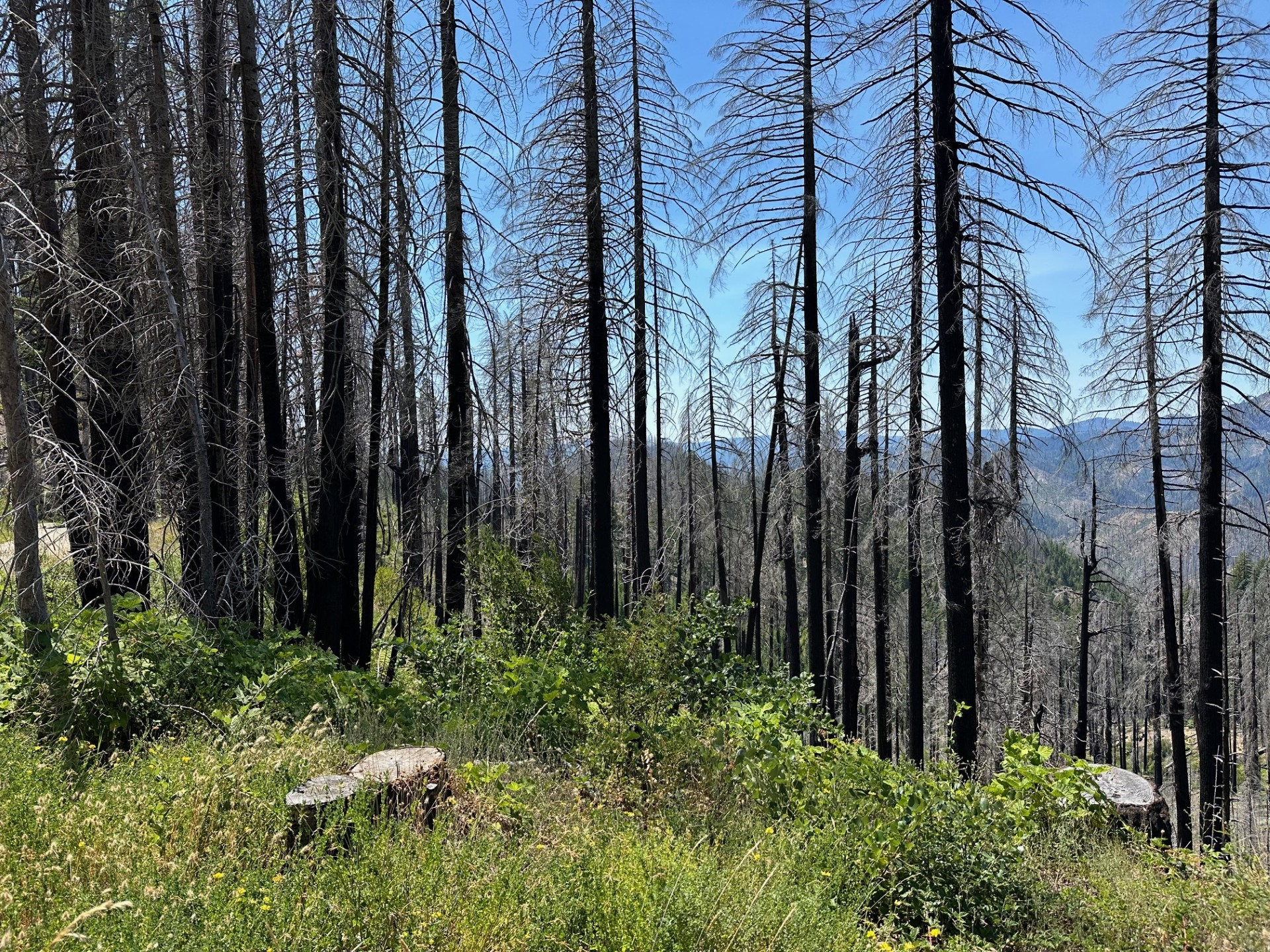
The project focuses on areas heavily impacted by the 2020 Archie Creek Fire and the 2021 Jack Fire. These catastrophic wildfires left thousands of acres of standing dead and weakened trees along critical travel corridors, creating hazardous conditions for recreationists, local communities and fire response teams.
Covering more than 1,200 acres, the project will include a combination of hazardous tree felling, fuel reduction treatments and commercial harvest operations. Work will range from hand thinning and piling to skyline and ground-based logging systems, with an estimated 10,000 tons of material removed or repurposed as commercial biomass. In addition to reducing wildfire risk, these efforts will support local timber markets and restore safe public access.
The project also includes road maintenance and repair to improve safety and reduce erosion risks. NWTF staff, Forest Service inspectors and contractors will work side-by-side to ensure treatments meet high standards, protect wildlife habitat and follow best management practices. Work is scheduled to continue through December 2026.
The Umpqua Disaster Recovery Project will be coordinated by one of NWTF’s newest team members, Luke Rymniak, active forest management coordinator for Forest Service Regions 4 and 6 (Washington, Oregon, Nevada, Utah, southern Idaho and western Wyoming).
“By addressing hazard trees and reducing fuel loads, the Umpqua Disaster Recovery Project not only protects public infrastructure but also supports local timber markets and contributes to the broader goals of forest restoration and active forest management,” Rymniak said.
Learn more about the National Master Stewardship Agreement and the relationship between wild turkeys and catastrophic wildfire prevention.
About the National Wild Turkey Federation
Since 1973, the National Wild Turkey Federation has invested over half a billion dollars into wildlife conservation and has positively impacted over 23 million acres of critical wildlife habitat. The NWTF has also invested over $10 million into wild turkey research to guide the management of the wild turkey population and to ensure sustainable populations into perpetuity. The organization continues to deliver its mission by working across boundaries on a landscape scale through its Four Shared Values: clean and abundant water, healthy forests and wildlife habitat, resilient communities, and robust recreational opportunities. With the help of its dedicated members, partners and staff, the NWTF continues its work to provide Healthy Habitats. and Healthy Harvests. for future generations.