National Master Stewardship Agreement
This first-of-its-kind agreement paved the way for these partner organizations to work together to address the wildfire crisis in the West and promote healthy forests across the U.S.

This first-of-its-kind agreement paved the way for multiple partner organizations to work together to address the wildfire risk in the West and promote healthy forests across the U.S.
In the fall of 2022, the National Wild Turkey Federation and the U.S. Department of Agriculture-Forest Service signed a landmark 20-year national master stewardship agreement, including an initial $50 million commitment from the Infrastructure Investment and Jobs Act, Inflation Reduction Act and regular agency appropriations and other sources.
This agreement is the largest in the NWTF’s 50-year history and was the first long-term agreement of its kind between the Forest Service and a conservation partner. The NWTF is the largest and longest-serving nongovernmental partner involved in Forest Service stewardship agreements. The master stewardship agreement expanded our ability to get work done on the ground and partner with other federal and state agencies, and Tribes, as well as with the timber industry, municipal water providers, and volunteers.
“Our partnership with the Forest Service is central to our mission,” said Kurt Dyroff, co-chief executive officer of the National Wild Turkey Federation. “Wild turkeys, as well as other wildlife, rely on healthy habitats and healthy forests for their long-term sustainability. Likewise, hunters rely on the same for a quality and successful hunting experience. Our work focuses on the shared values of water, forests/wildlife habitat, recreation, and resilient communities. This partnership enables us to make greater investments at a greater scale to keep forests healthy, water clean and stop critical habitat loss.”
Joining the USDA Forest Service’s Active Forest Management
Active Forest Management (AFM) is the U.S. Forest Service’s proactive approach to caring for our nation’s forests by actively stewarding the land to improve forest health, reduce wildfire risk and enhance wildlife habitat. Rather than leaving forests unmanaged, AFM uses science-based tools like forest thinning, prescribed fire and invasive species removal to mimic the natural disturbances that forests and wildlife depend on. This work creates more resilient, diverse landscapes that benefit wild turkeys and countless other species, while also protecting water resources and nearby communities. Just as importantly, AFM is built on strong partnerships and a shared commitment to getting meaningful conservation work done at scale, ensuring healthy forests and habitats for future generations.
Wild turkeys thrive in a contiguous mosaic of habitat; in other words, a mixture of interconnected habitat types that provide complementary resources. For example, providing wild turkeys with the roosting, brood-rearing and foraging habitat they depend upon. But wild turkeys are not the only beneficiaries of a diverse, rich mixture of habitat types. A habitat mosaic is indicative of a healthy forest, that supports everything from big game species and songbirds to pollinators and native plant communities. Mother Nature has a natural ebb and flow, and natural disturbances are intrinsic and essential for overall forest and wildlife health. This is why the NWTF works at a landscape-scale across the U.S. on lands of all ownerships (Forest Service, U.S. Fish and Wildlife Service, Bureau of Land Management, state-owned, private, etc.); to re-create these disturbances through forest management, which mimics a natural disturbance.
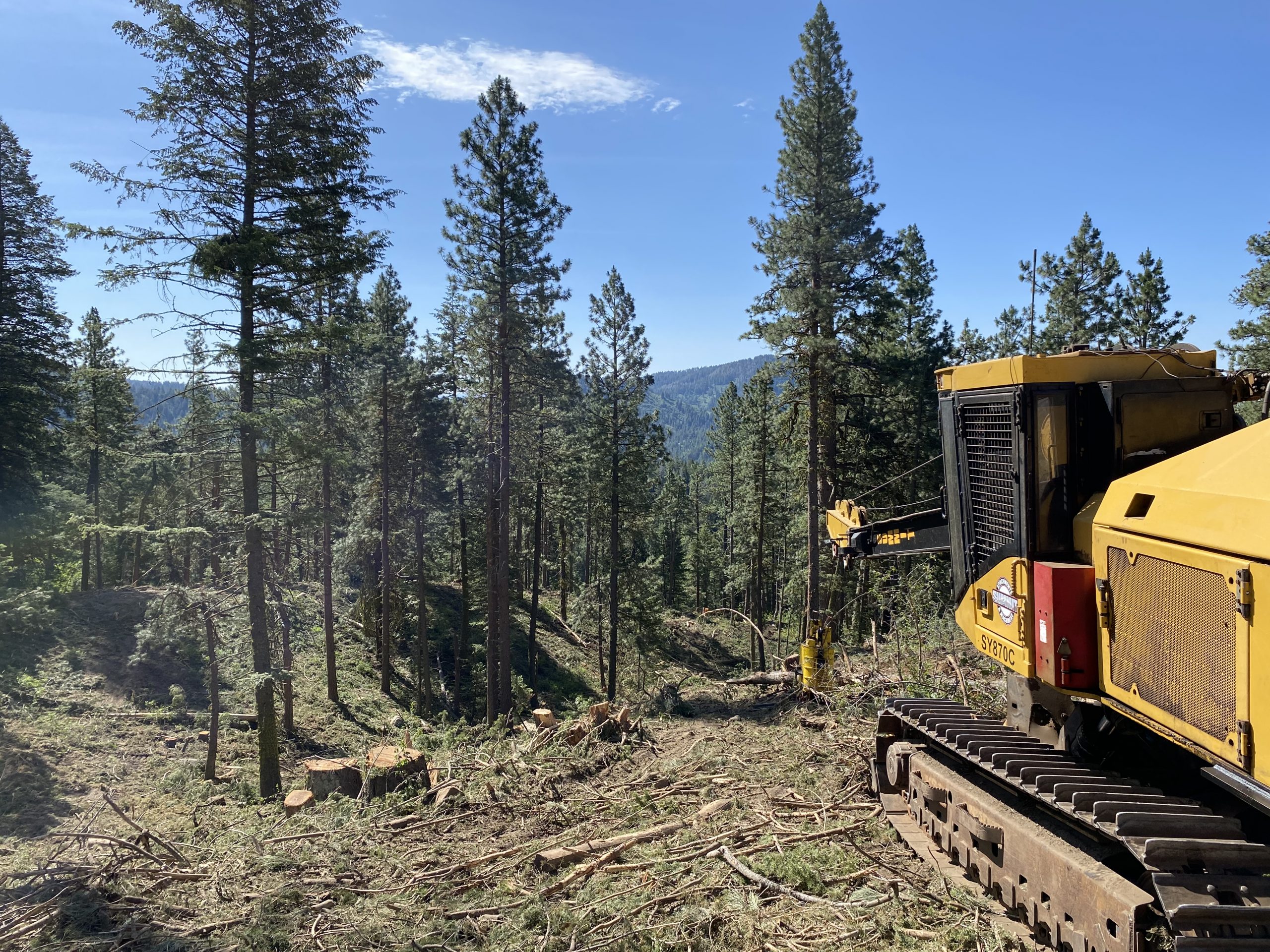
Forest management uses a variety of practices and techniques, depending on what a particular forest, grassland or habitat needs. In the case of dense western forests, one of the most effective management practices is forest thinning.
“Forest thinning is not cheap, nor is it an overnight process,” said Tom Spezze, NWTF national director of conservation programs. “However, when we collaborate with multiple partners and leverage funds and expertise, the difference we make in forest health, resilience, habitat and safety for nearby communities is exceptional.”
While there are many other forest management practices that benefit wildlife — such as invasive species removal, prescribed fire, erosion control and tree plantings, to name a few — forest thinning will make up the bulk of the Active Forest Management projects that NWTF will assist the Forest Service with. Through the newly announced strategy, nearly 30 million acres of land will have hazardous fuels removed through forest thinning practices.
With over 50 active forest stewardship agreements, the NWTF is proud to work with the Forest Service enhancing habitat and making America’s forests healthier and safer, and to accelerate the pace and scope of this all-encompassing work.
“Our work benefits more than just turkeys and turkey hunters,” Spezze said. “That’s what makes working on behalf of the wild turkey so great. Our conservation work impacts all of our Four Shared Values, and the quality of life for everyone. Every American that drinks water, recreates outdoors, enjoys seeing wildlife in a healthy forest or hopes for a safe community to live in, benefits directly or indirectly from NWTF’s habitat work. We look forward to continued partnership with the Forest Service and working together to achieve Active Forest Management Strategy goals.”
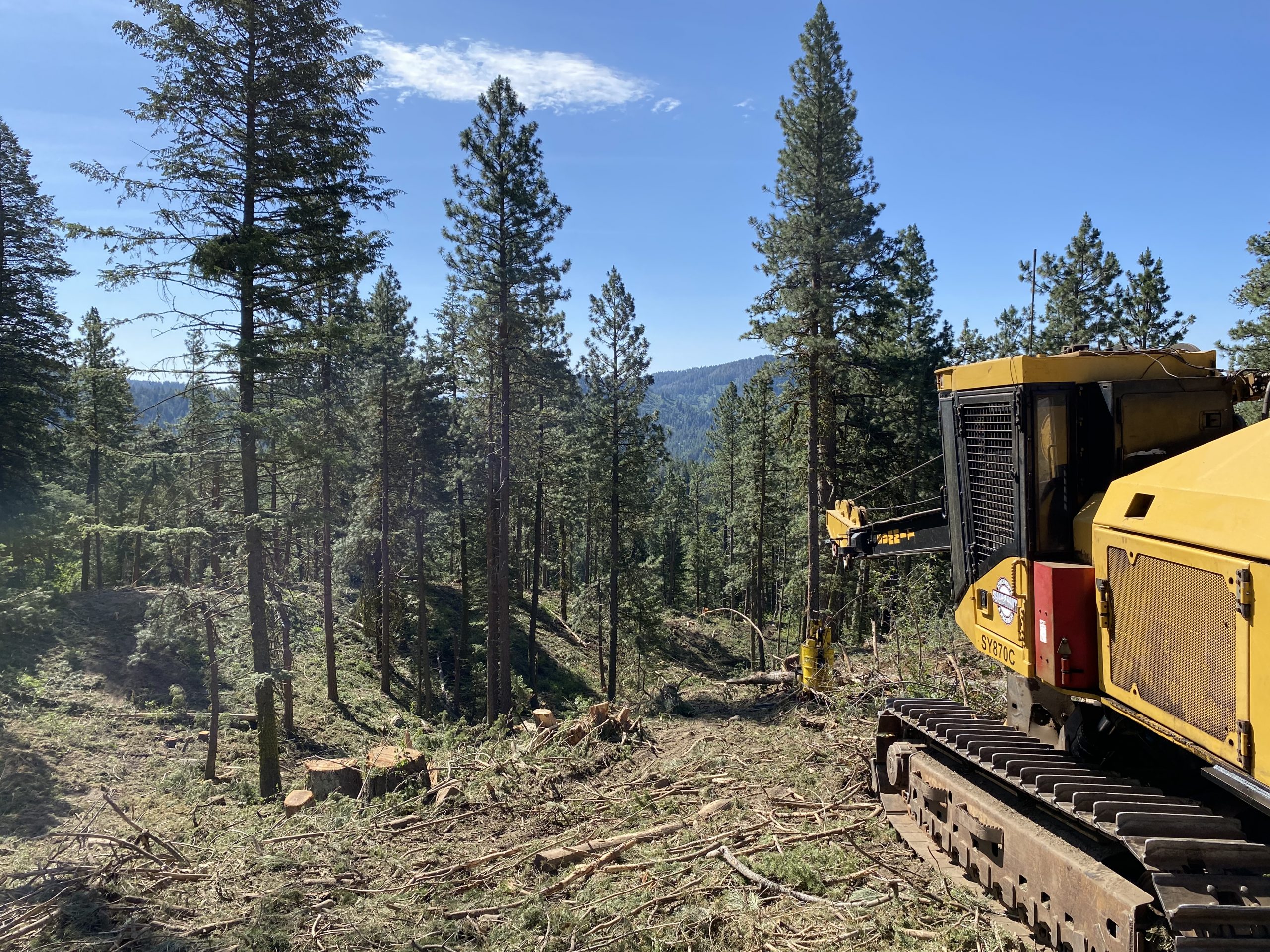
Forest Mangement Team
The National Wild Turkey Federation Stewardship Projects Under Agreement for Completed Active Forest Management
In 2025, the National Wild Turkey Federation and the USDA Forest Service continued delivering impactful, on-the-ground forest management moving critical timber to local markets, reducing wildfire risk and restoring habitat for wild turkeys and other wildlife. NWTF’s active forest management team is the primary implementer for the national master stewardship agreement with the Forest Service. Many of these efforts not only reduced hazardous fuel loads but also contributed to the local wood products economy.
Region 1
Bitterroot National Forest (Montana): Teams completed botany surveys to assess current land conditions. Subsequent phases will focus on forest restoration improvements, administrative road upgrades, hazardous fuels reduction, and other critical service work activities.
Custer-Gallatin National Forest (Montana):The South Otter Landscape Restoration and Resilience Project completed 574 acres of timber removal. Nearly 12,000 tons (366 truckloads) of material were delivered to Neiman Timber Company mills in Spearfish, SD and Hulett, WY.
Region 2
San Juan National Forest (Colorado): The First Notch Project was completed, treating 600 acres of ponderosa pine, reducing hazardous fuels and improving wildlife habitat. The project also provided forest products, delivering 1,572 tons (199 truckloads) to local markets.
Bighorn National Forest (Wyoming): Teams completed road reconstruction for the Blondie/Cheap Trick Forest Stewardship Project. In 2026 we will treat 536 acres of mature lodgepole pine. This project is part of the larger Sheridan Municipal Watershed Environmental Assessment, which includes up to 15,000 acres of treatments such as non-commercial thinning, timber harvest, and aspen and riparian restoration. Additional efforts will focus on road maintenance and recreation infrastructure improvements, with more projects planned in the future.
Rio Grande National Forest (Colorado): The Saguache Spruce Stewardship Project salvaged 1,357 acres of spruce before deterioration halted operations. The project still moved 22,469 tons (859 truckloads) to local markets.
In September, a modification to the Region 2 Supplemental Project Agreement (SPA) added six new projects across the Rio Grande, Grand Mesa, Uncompahgre and Gunnison, Black Hills and San Juan National Forests.
Region 4
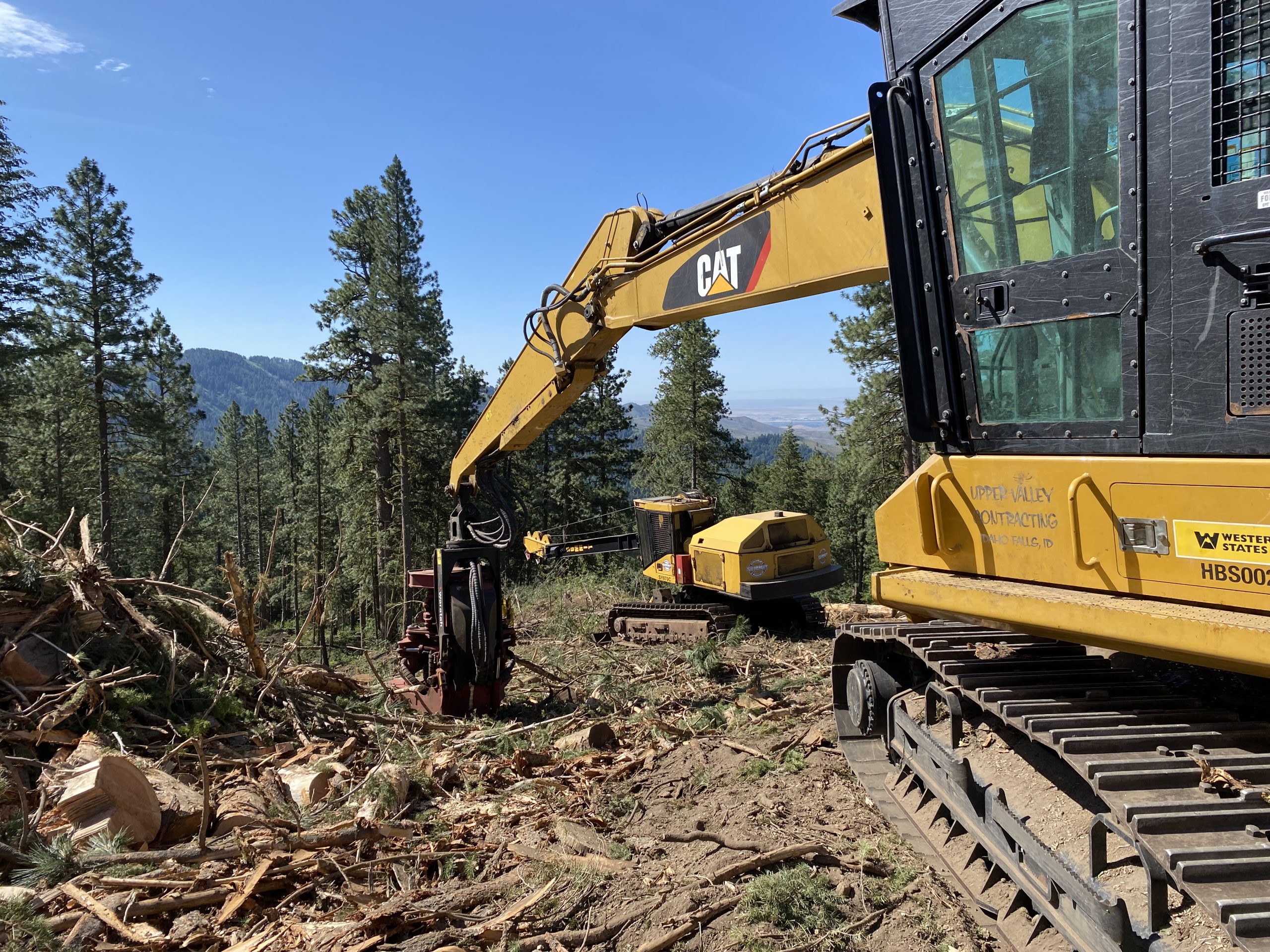
Boise National Forest (Idaho): The Deer Point Forest Stewardship Project includes 1,303 acres of commercial harvest, 225 acres of hazard tree mitigation and nearly 4 miles of road reconstruction. The work is now underway, with potential for additional non-commercial thinning, trail decommissioning and other restoration activities as funding allows.
Region 5
Stanislaus National Forest (California): Progress on the Granite Thin project included completion of California Spotted Owl surveys, road reconstruction and treatment of 33.6 acres through harvesting.
Klamath National Forest (California): Colt Forest Stewardship Project. This project included approximately 6,000 acres of various treatments to advance forest restoration, which were completed in 2023 and 2024. Objectives for the project were to treat hazardous fuels, improve forest health, and enhance wildlife habitat. Treatments included brush mowing and juniper felling, juniper reduction, plantation thinning, mastication, and timber removal. The Colt Project continued its momentum in FY25 with an additional 17,517 tons of biomass from the Klamath National Forest being removed and sent to local markets.
Region 6
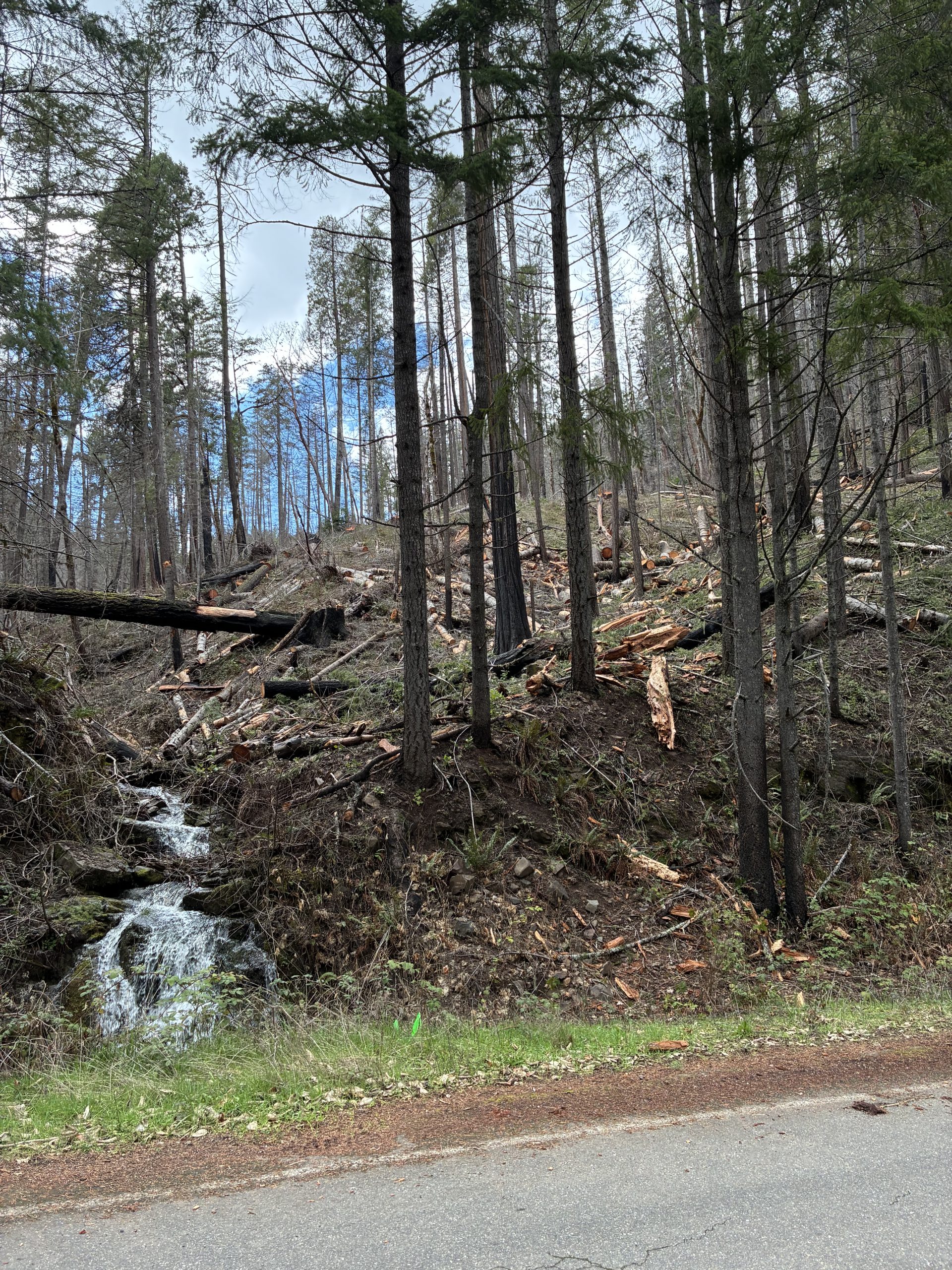
Umpqua National Forest (Oregon): The Umpqua Disaster Recovery Project addresses 1,239 acres of roadside hazards left by wildfire. Some biomass will be removed while material left onsite will aid soil protection. Work is underway, with Phase 2 already in preparation.
Fremont-Winema National Forest (Oregon): The Hawks Project reached completion, finalizing 305 acres of timber removal, 68 acres of hand thinning and piling and 251 acres of mastication. The project treated hazardous fuels, improved forest health, and enhanced wildlife habitat in the Klamath River Basin Fireshed.
The Blue Mile Project inventoried 2,100 acres to identify meadow encroachment and develop a treatment plan, setting the stage for future work.


For more information about the 20-year master stewardship agreement, contact tspezze@nwtf.net.
For more information about the Wildfire Crisis Strategy work by the NWTF, contact mpitts@nwtf.net.
Your Support Makes a Difference.