State by State: Habitat for the Hatch in Action
For NWTF’s 2026 Conservation Week, the organization is highlighting a project from each state within the initiative where you can see Habitat for the Hatch in action.
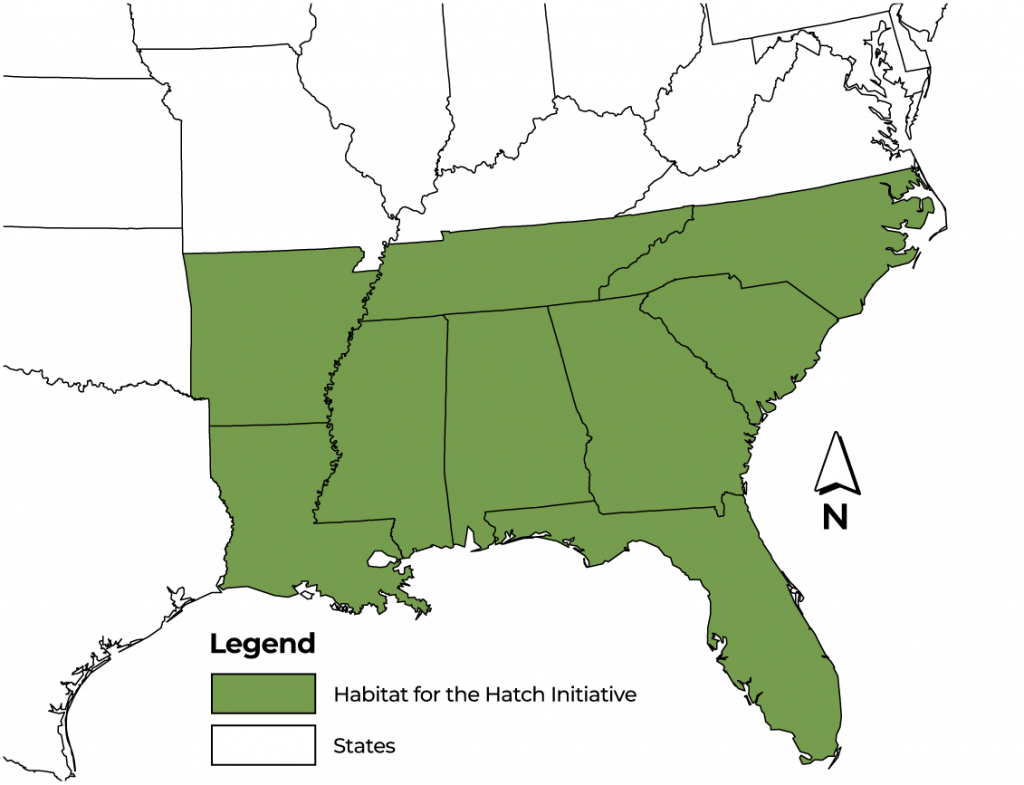
Through the Habitat for the Hatch Initiative, the NWTF and its partners are working to create quality nesting and brood-rearing conditions on a landscape scale. Launched in 2023, the 10-year initiative aims to positively impact 1 million acres of critical nesting and brood-rearing habitat across public and private lands in the Southeast by 2033.
Habitat for the Hatch is proudly presented by Realtree, whose support helps advance strategic habitat conservation efforts across the initiative's range.
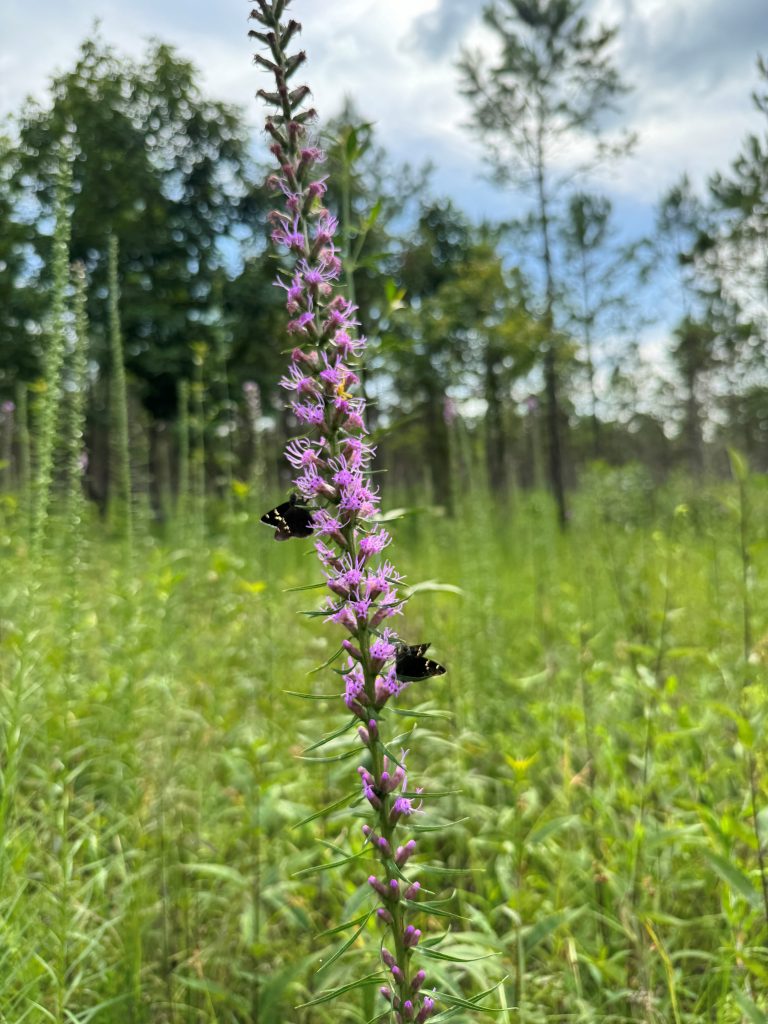
The impact of that work is measured in acres improved and projects completed, and those number can be found here. However, there is a qualitative impact that can be viewed firsthand: forests opened by prescribed fire, dense vegetation returned to early succession, native grasses and forbs providing food and cover, and landscapes managed to give hens and poults the habitat they need.
From longleaf pine forests and working lands to public wildlife management areas, Habitat for the Hatch projects demonstrate how intentional, science-based habitat management can benefit wild turkeys and countless other species. They also showcase the partnerships, resources and people helping turn the Habitat for the Hatch vision into action across the Southeast.
For NWTF’s 2026 Conservation Week, the organization is highlighting a project from each state within the initiative where you can see Habitat for the Hatch in action.
Disclaimer: The project locations included in this article are situated on public lands that may be open to a variety of recreational uses, including hunting. Before visiting, always check the specific rules, regulations, season dates and access requirements for the property you plan to explore. Visitors should also be aware that hunting activities may be occurring and are encouraged to wear appropriate safety colors when applicable, remain mindful of other users, and recreate responsibly. Conditions, access restrictions and regulations can vary by property and may change throughout the year.
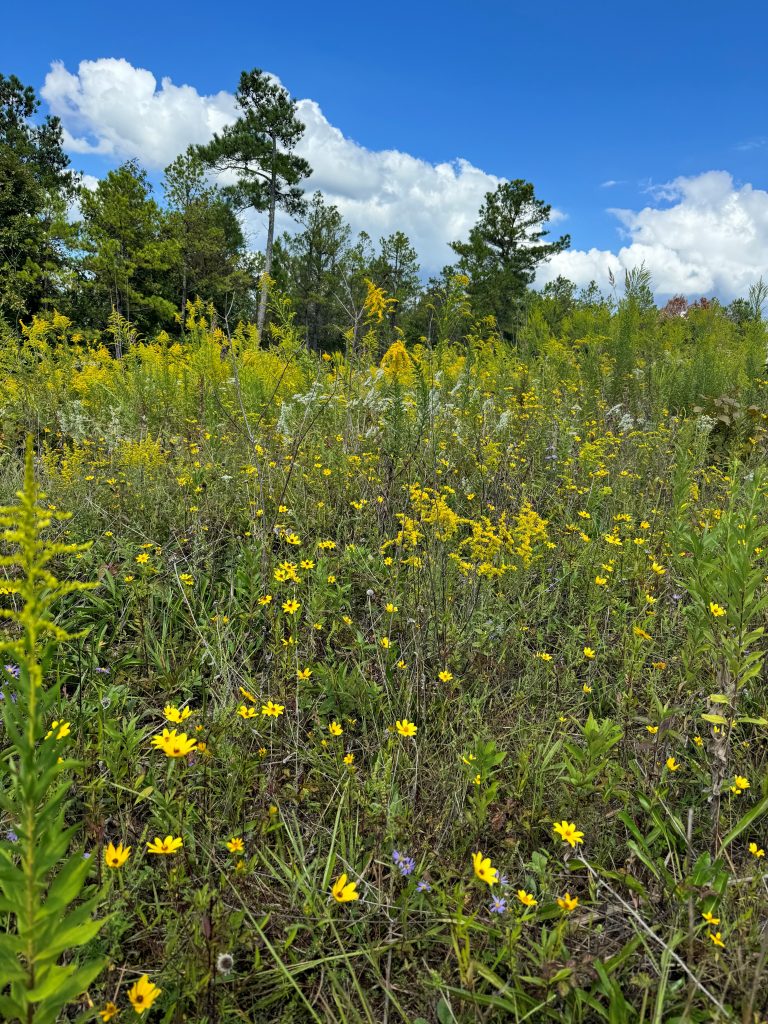
Alabama
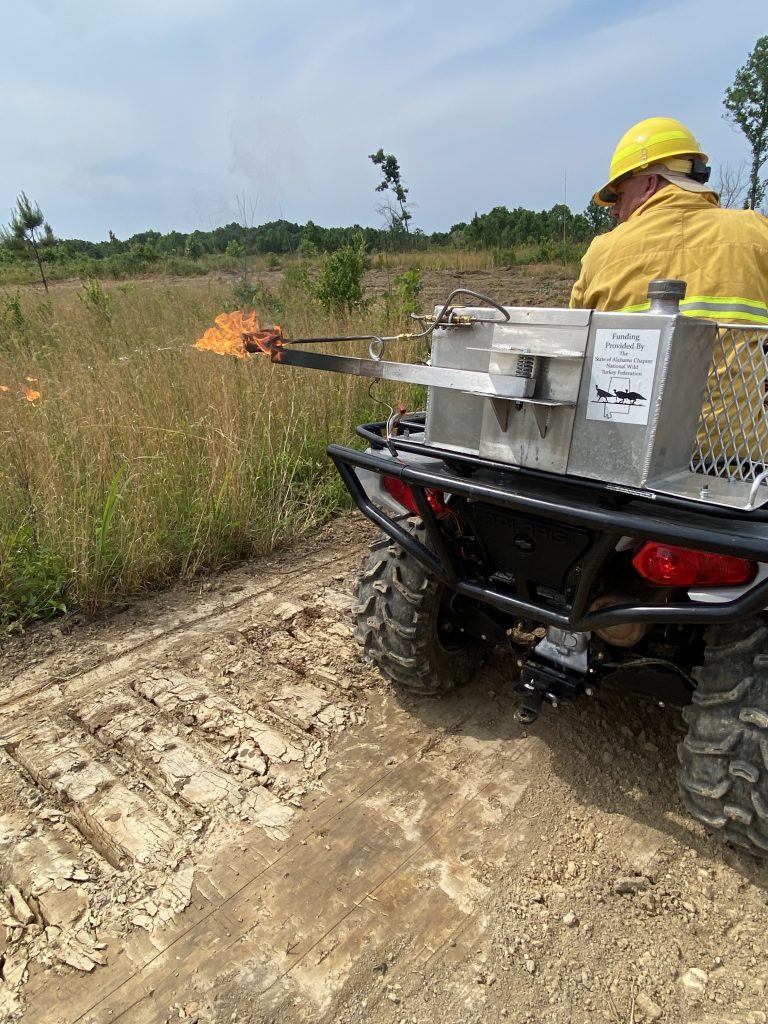
At Freedom Hills WMA, the NWTF has provided a wide range of equipment support — including ATV drop torches, broadcast spreaders, sprayers and more — that have been used to establish early successional habitat.
Arkansas
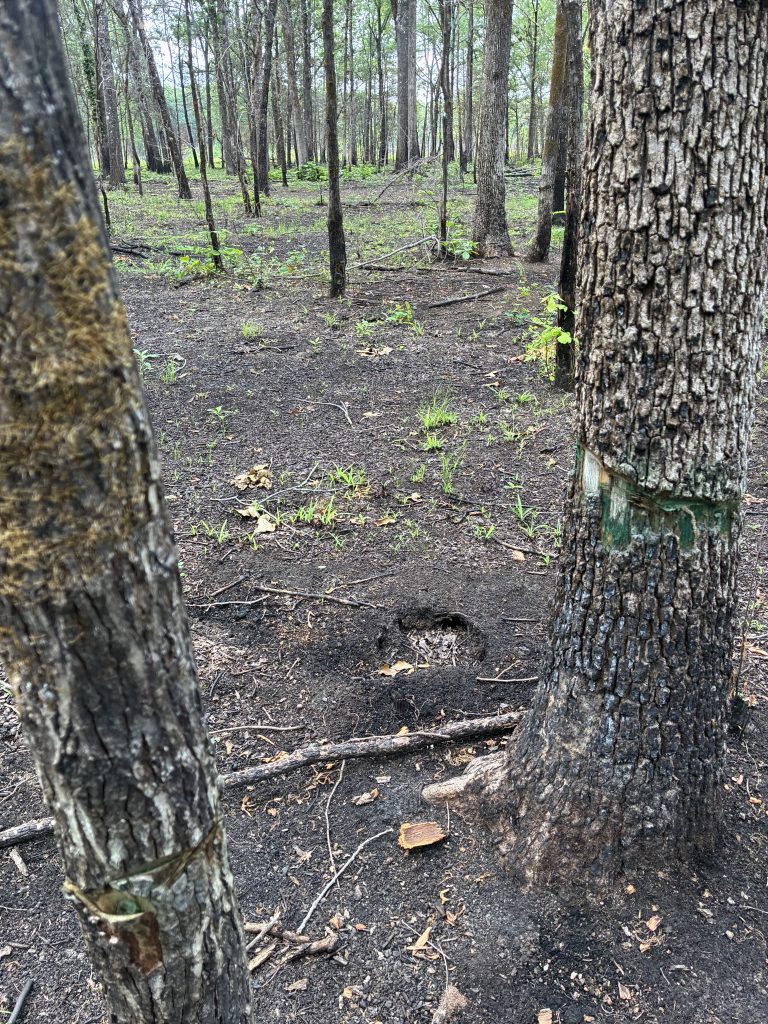
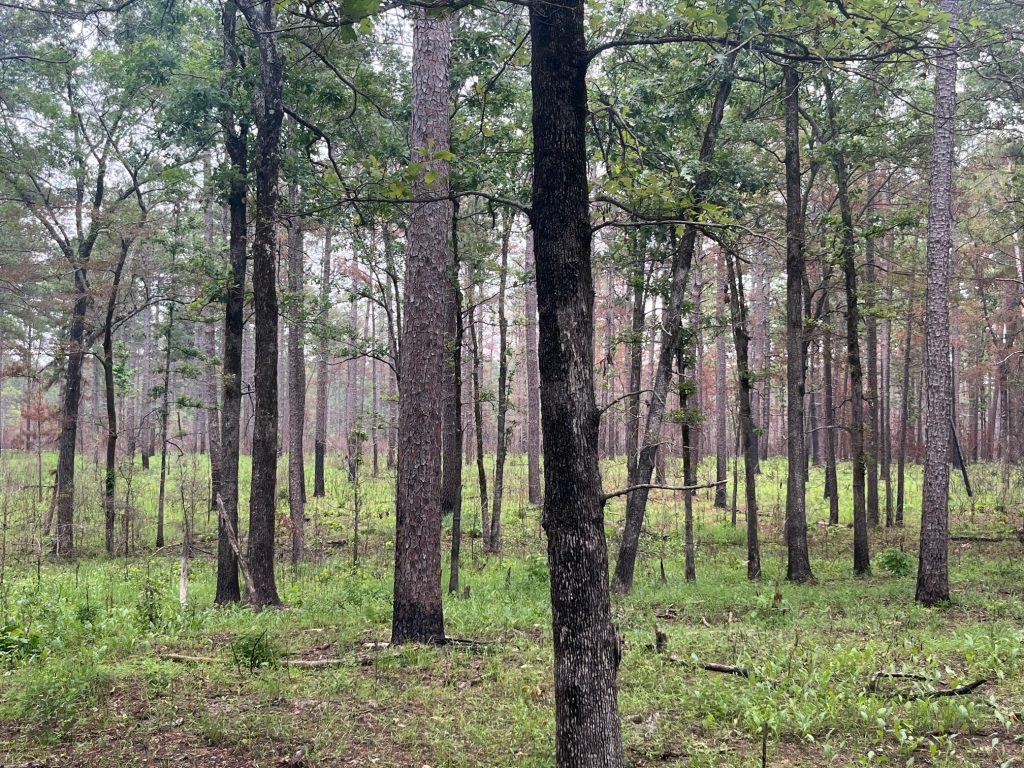
This project implemented woodland stand improvement treatments on 210 acres of Petit Jean WMA to reduce midstory and understory density and promote the development of a diverse herbaceous ground layer. These habitat enhancements improved conditions for wild turkeys, northern bobwhite quail and other upland bird species.
Florida
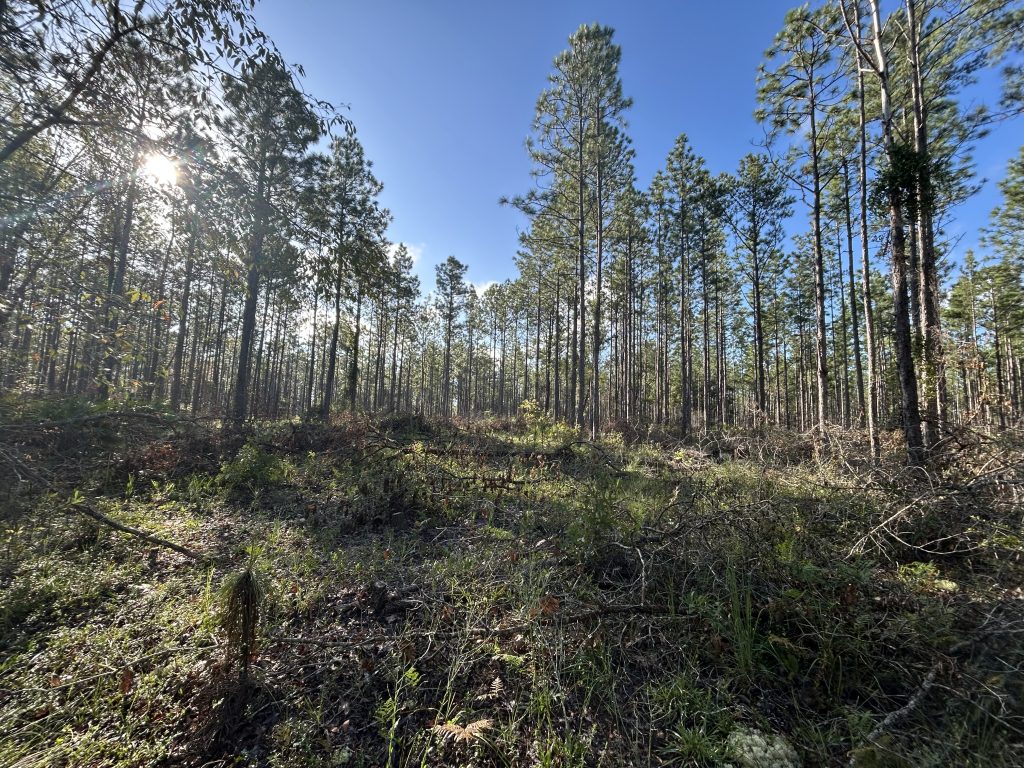
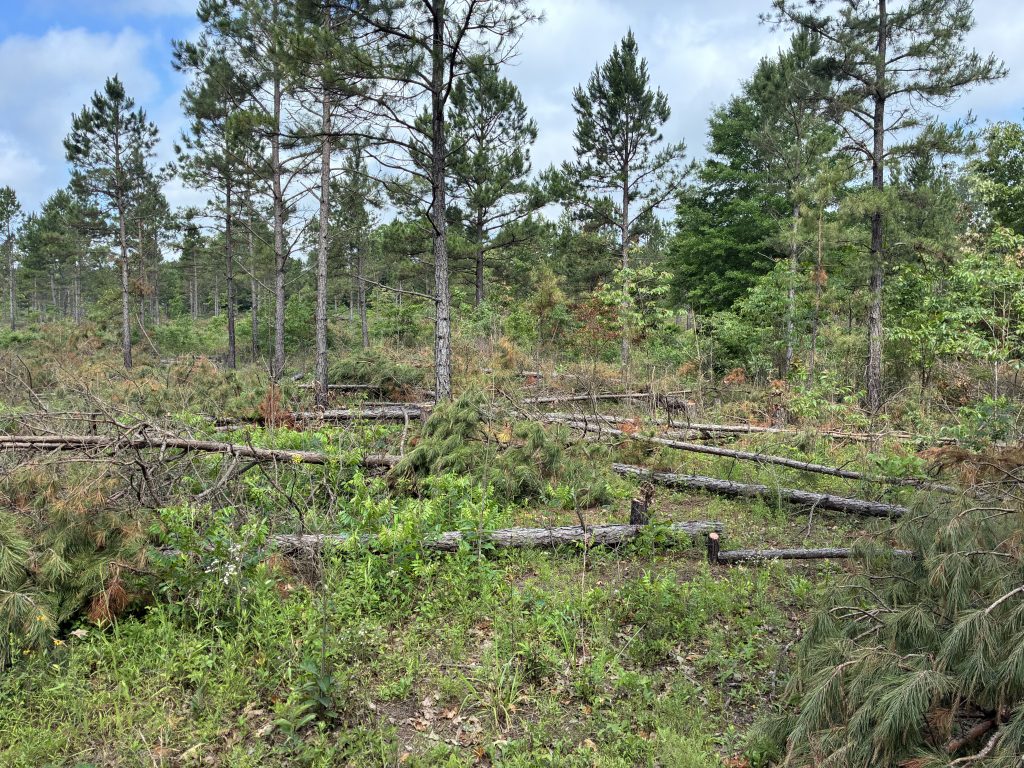
This project reduced hardwood density across 87 acres on Jennings State Forest to improve prescribed fire management, restore more frequent fire regimes and enhance wild turkey habitat. Target hardwoods were cut and treated to open the canopy, increasing sunlight and promoting the growth of native forbs, grasses and shrubs while minimizing impacts to existing pine regeneration.
Georgia
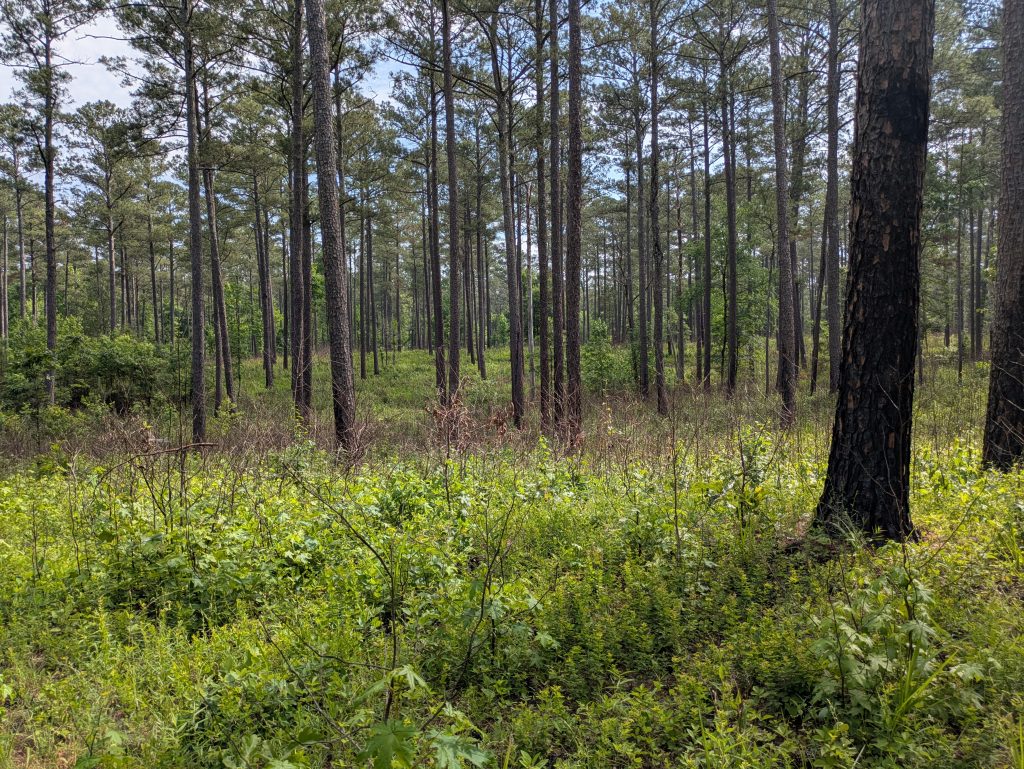
This project supported prescribed burning of approximately 665 acres of pine stands and fields on the Clybel WMA, in Jasper County, Georgia. The effort helped increase prescribed fire implementation, improve habitat conditions and enhance wild turkey habitat across the property.
Louisiana
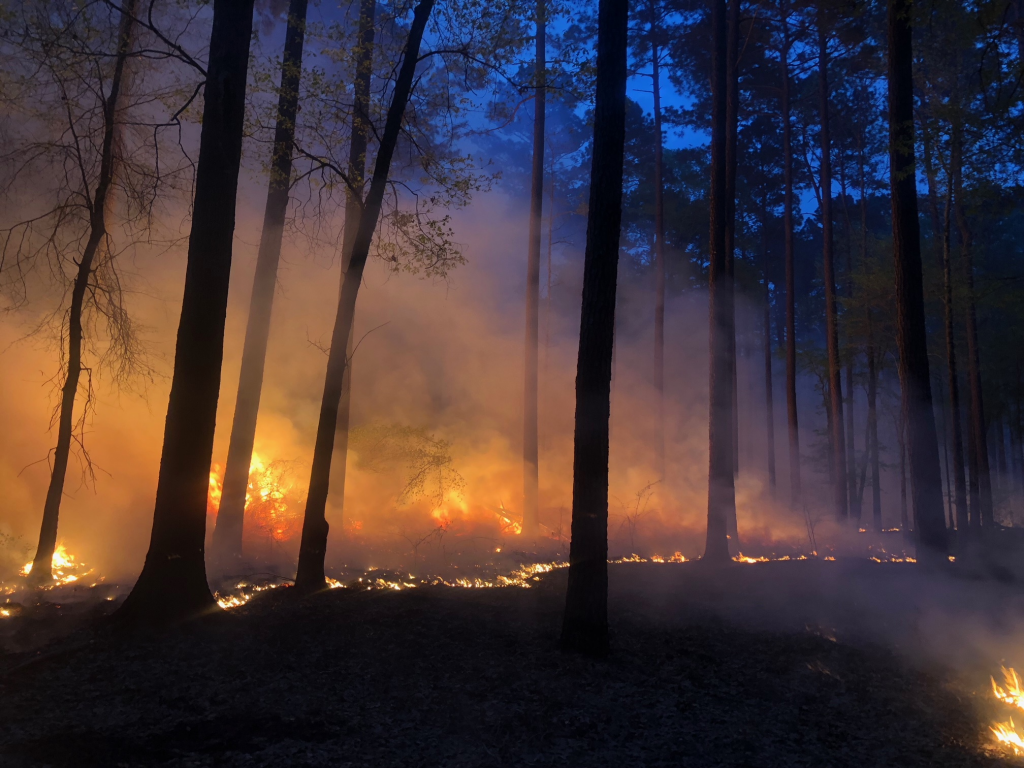
This project improved habitat on the Bodcau WMA through the prescribed burning of 1,106 acres and the construction of 6 miles of fire lines. These efforts reduced dense understory and midstory vegetation, enhanced turkey movement, decreased predation risk and improved nesting, foraging and brood-rearing habitat by increasing sunlight to the forest floor.
Mississippi
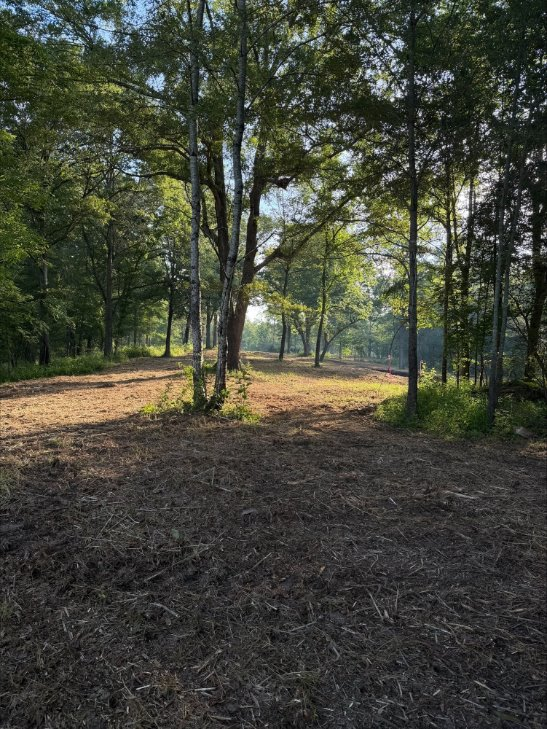
Charles Ray Nix WMA is managed intensively for upland gamebirds. Hunting frameworks on the area offer a high-quality youth draw spring turkey hunt with very high user success. Invasive plant species pose a significant resource concern to the management objectives on the WMA. This project eradicated invasive Chinese privet (Ligustrum sinense) and kudzu (Pueraria spp.) in upland hardwoods and invasive legumes in native grass fields. Privet was eradicated using a two-step process in which forestry mulching quickly reduced midstory stems. Follow-up herbicide applications ensured privet was eliminated. Likewise, kudzu patches and invasive legumes in native grass fields was eliminated with foliar applications of selective herbicides. All project acres received prescribed fire.
North Carolina
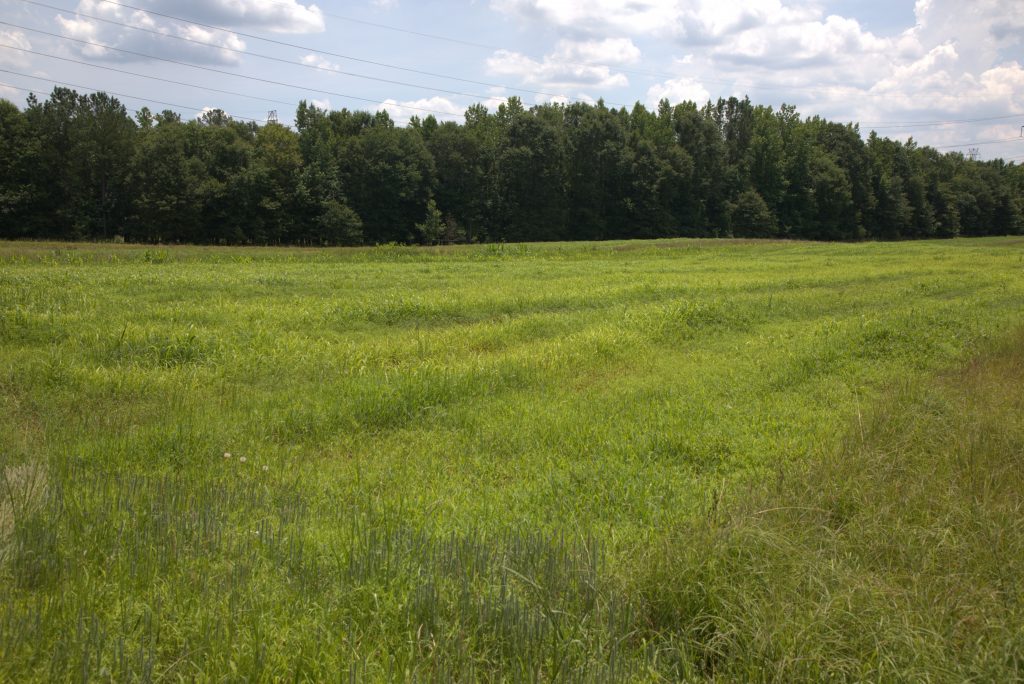
Mountain Island Educational State Forest, a natural area featuring abundant plant and animal life, is located in Lincoln and Gaston counties. The forest features programming and exhibits designed to educate school children, forestry professionals and the general public about the importance of North Carolina's forest resources. The NWTF has proudly partnered with the NC Department of Agriculture & Consumer Services by providing funds for land management equipment to help create a living classroom to educate the public on the importance of active forest management and the enhanced wildlife habitat it provides. Visitors can explore the educational exhibits and then hike to see nearby wildlife openings and pollinator areas near the forest headquarters and education center.
South Carolina
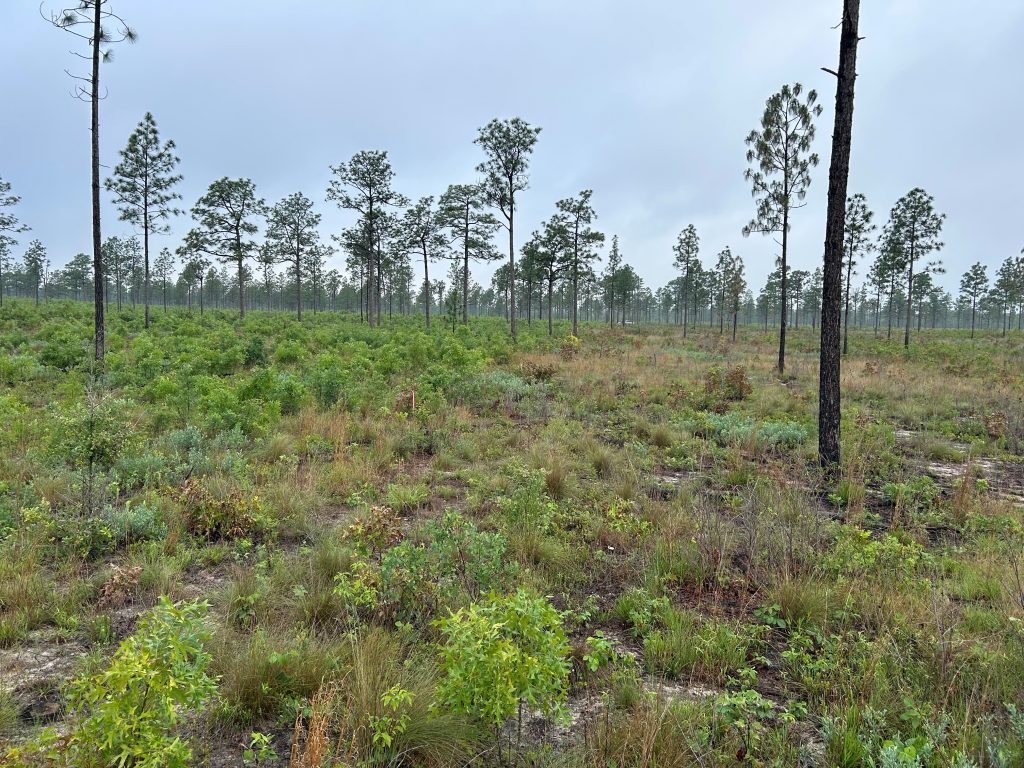
This project improved upland pine and mixed hardwood habitat through the reintroduction and expansion of prescribed fire. NWTF funding was used to repair and strengthen degraded firebreaks and roads, establish new firebreaks on recently acquired property and enhance access for habitat management and public recreation. These improvements enabled more effective prescribed burning, supported diverse habitat conditions across the landscape and provided long-term infrastructure that will be maintained by staff to sustain future conservation efforts.
Tennessee
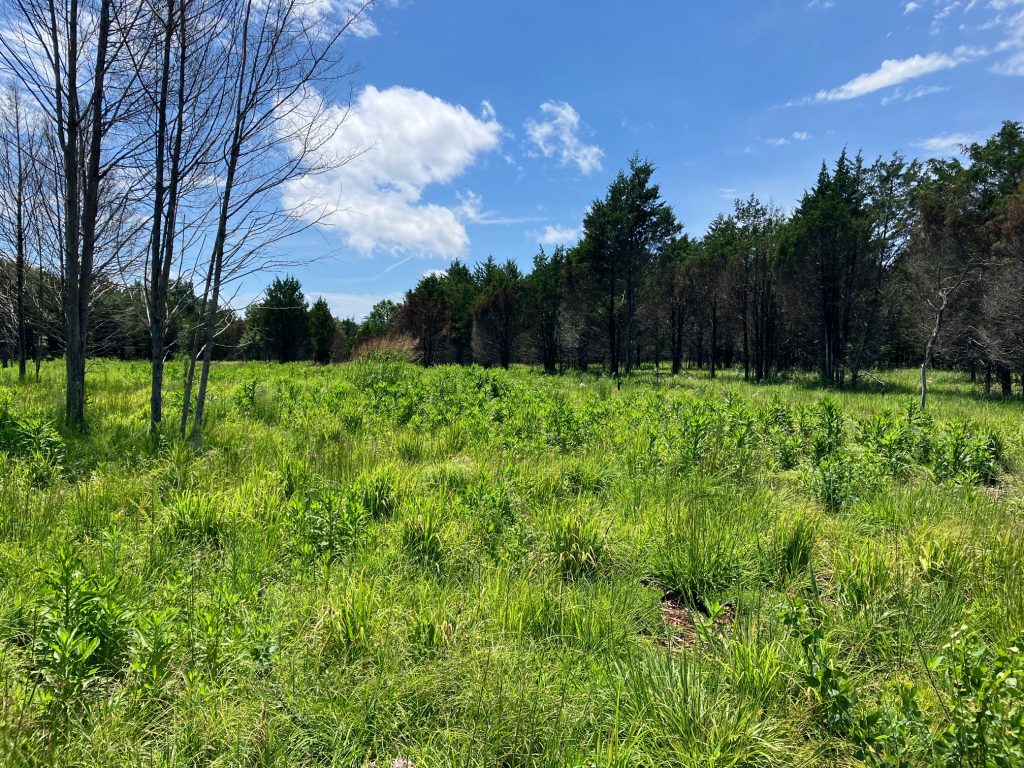
Fate Sanders State Natural Area is a 222-acre management unit within the Percy Priest WMA. Although this area is known for its globally significant limestone cedar glade plant community, it has a rich array of both game and non-game wildlife species. The project has improved habitat for wild turkeys and improved access to a rarely visited portion of the WMA through the following actions: First, selective canopy thinning with a forestry mulcher expanded existing grassland remnants. Dense, low-diversity cedar thickets have been cleared to promote herbaceous cover and mast species. Existing hardwoods were selectively thinned to favor desired species like oak and hickory. After this first round of management, herbicide treatment targeted privet, lespedeza, other exotic specie and undesired hardwood resprouts. The final stage of this project is a prescribed burn on the unit to consume debris left from mastication, stimulate herbaceous growth and return an ecologically appropriate fire regime to the landscape. Timing of this burn would be coordinated with TWRA to avoid any harmful effects during nesting season. As part of the project, a small gravel parking area, access road for management, and gate would be added increasing the accessibility of this management unit.