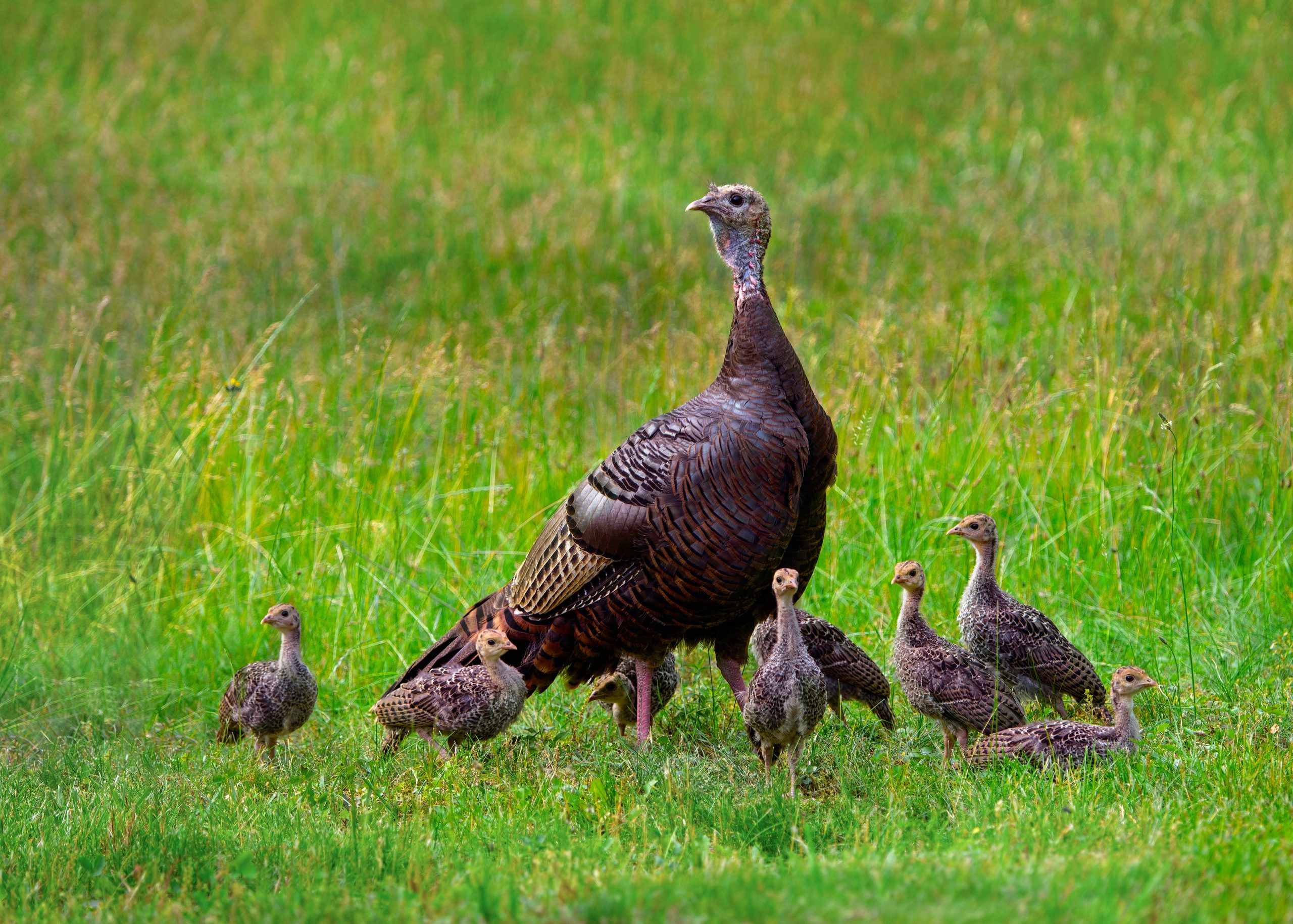
Habitat for the Hatch: Year Three
The NWTF launched the initiative in August 2023 to positively impact 1 million acres of critical nesting and brood-rearing habitat across public and private lands over the next decade. And in just three years, the results are moving the needle for the wild turkey.
Across the Southeast, wild turkey poult production — an important metric used to gauge population stability — has indicated a declining population in many areas.
From land-use changes to fragmented habitats and dynamic predator communities, multiple factors likely contribute to the decline to some degree. As research continues to provide more insight into these new challenges, one thing is for sure: expanding the nesting and brood-rearing habitat that wild turkey hens need to recruit more poults into adulthood will help increase populations. This is what the NWTF's Habitat for the Hatch Initiative is all about.
The NWTF launched the initiative in August 2023 to positively impact 1 million acres of critical nesting and brood-rearing habitat across public and private lands over the next decade.
And in just three years, the results are moving the needle for the wild turkey.
Numbers to Date (Sept. 1, 2023 – Sept. 1, 2026)
Direct habitat improved: 237,077 acres
Habitat influenced via burn teams and equipment support: 833,285 acres
Projects completed: More than 500 individual projects
Why Brood-Rearing Habitat Is So Important
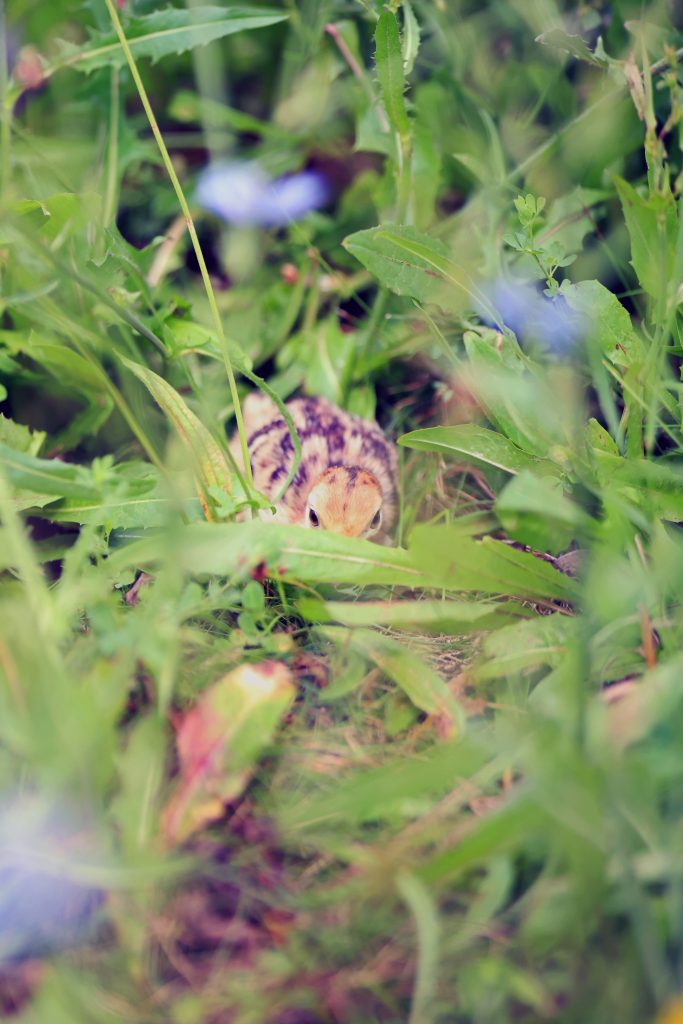
Early successional habitat is vital for hens raising poults. These habitats are characterized by vigorously growing grasses, forbs, shrubs and trees that provide excellent food and cover for wild turkeys. The availability of insects during the first few weeks of a poult’s life is often the difference between survival and mortality. When hatched, a turkey poult weighs less than 2 ounces and, with access to abundant insects found in early successional habitat, grows quickly (adds nearly 2 pounds per month), develops stronger muscles for flight, and can better evade predators as they mature. Poults that lack enough insect intake are more likely to suffer from malnutrition, stunted growth and predator vulnerability.
And that’s what the NWTF’s Habitat for the Hatch Initiative is all about: Creating early successional habitats that help produce more turkeys.
"With three years under its belt, our Habitat for the Hatch Initiative is making significant progress across the Southeast," said Derek Alkire, NWTF director of conservation operations in the Southeast. "We are encouraged by positive trends in hunter harvest this year, and it only inspires our team more to put additional habitat on the ground for the bird we all revere.”
That's why the initiative focuses directly on improving or creating habitat that meets the unique needs of nesting hens and their young.
A Firsthand Look
As the NWTF and its partners work to create hundreds of thousands of acres — numbers that are often hard to fathom — seeing turkeys using these projects puts it all in perspective.
For example, consider a 168-acre project within Florida's Lake Panasoffkee Wildlife Management Area.
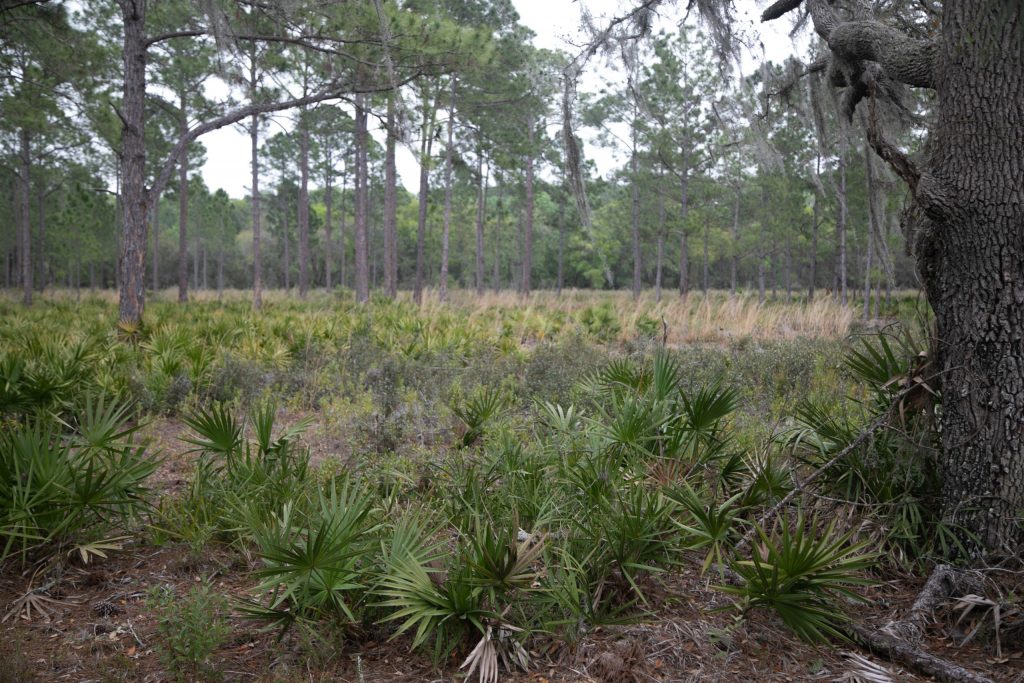
As a Habitat for the Hatch project funded in part through the Florida NWTF State Chapter, 168 acres were mechanically treated within the project area, grinding vegetation and setting plant species back in succession. This work allowed state managers to safely reintroduce fire and encourage a more diverse understory.
For as far as one can see, flowering, mast-producing and native shrubs currently saturate a savanna of slash and longleaf pine.
While the accomplishment numbers of Habitat for the Hatch are impressive, seeing strut marks, tracks and turkeys at these projects is the objective.
For the NWTF’s 2026 Conservation Week, a project from each state within the Habitat for the Hatch Initiative shows the type of work the NWTF is doing across the Southeast to put more turkeys on the ground. Check out these projects.
Strategic, Landscape-Scale Investment
With a first-of-its-kind investment for the initiative, Habitat for the Hatch recently funded a slate of projects, providing $271,005 to six landscape-scale conservation efforts designed to enhance more than 130,000 acres of nesting and brood-rearing habitat across the Southeast.
“What makes this investment especially impactful is that it represents NWTF state chapters across the Southeast coming together to complement the habitat work already happening in their own states with a broader regional approach,” Alkire said. “With this new investment, we were looking for projects that not only create nesting and brood-rearing habitat for wild turkeys, but we also have the ability to impact wild turkeys beyond just the property level.”
This collaborative approach allows state chapters to continue supporting local conservation delivery at a state level while also investing together in landscape-scale projects.
Science as the Blueprint
From the initiative’s outset, funding research that aligns with the initiative’s goal has been a priority.
For instance, funded in part through the NWTF’s national Research Grants Program and its Habitat for the Hatch Initiative, a project led by Tennessee Technological University and the Kentucky Department of Fish and Wildlife Resources is focusing on how hens select nesting and brood-rearing sites and which habitat features most influence reproductive success. These findings will help guide targeted habitat management strategies in Kentucky and across the Southeast to boost poult recruitment and long-term conservation outcomes.
A second research project at the University of Florida’s Game Lab, for instance, is focusing on Eastern and Osceola wild turkey poult survival. The research team is evaluating how different environmental factors such as vegetation, insect abundance, heat and precipitation, might be affecting captive poult survival.
An additional project, just announced as part of the NWTF 2026 Research Grants Program, will study the effects of habitat management on wild turkey populations, predators and gobbling.
Results from these projects will equip wildlife managers with the best available science to improve land management practices to promote brood-rearing success for the wild turkey.
Private Land and Public Land: Turkeys Don’t Know the Difference
Wild turkeys do not know land boundaries, and neither should conservation; this sentiment is core to the Habitat for the Hatch Initiative. Habitat for the Hatch has delivered considerable projects on private lands through unique partnerships with the USDA Natural Resources Conservation Service and the National Fish and Wildlife Foundation.
A great example of private land work is being made possible through a grant provided to NWTF by the National Fish and Wildlife Foundation via its Lower Mississippi Alluvial Valley Restoration Fund and a grant agreement with the Arkansas Game and Fish Commission.
Through this work, NWTF forester Sid Munford is working with the NRCS and AGFC to restore native, bottomland hardwood forest stands on easements enrolled in the Agricultural Conservation Easement and Wetland Reserve Easement programs.
Partnership Power
The Habitat for the Hatch Initiative has gotten notable attention from the hunting community, creating unique partnerships that are helping fuel the progress of the initiative.
In addition, Jack Link’s and CZ Firearms serve as supporters of the initiative.
As the initiative’s title sponsor, Realtree is helping bring Habitat for the Hatch to life through a partnership rooted in experience.
What began nearly a year ago as a conversation between NWTF and Realtree came to life at Realtree Farms during a field day and evening of conservation. The event brought together NWTF and Realtree staff, landowners and conservation partners for an immersive look at how intentional habitat management can benefit wild turkeys and other wildlife.
During the field day, attendees walked the property alongside NWTF and Realtree team members, seeing habitat management practices firsthand and discussing best management practices that could be applied on their own properties. The landowners in attendance collectively represented more than 109,000 acres, underscoring the potential reach of the knowledge and ideas shared throughout the day.
From corporate sponsors like Realtree, Jack Link’s and CZ Firearms to state agency partnerships to other NGO partners like National Fish and Wildlife Foundation, partnerships are at the core of the Habitat for the Hatch Initiative.
What's Next?
With seven years remaining, the NWTF is scaling the initiative, expanding partnerships and exploring new opportunities.
"Habitat for the Hatch is as much about putting more poults on the ground as it is about bolstering the health of our Southeastern ecosystems,” Alkire said. “We look forward to continue bringing in new partnerships and strategies and taking our Habitat for the Hatch Initiative to new heights!”