Stewardship Project Continues to Reduce Wildfire Risks and Improve Forest Health in Oregon
In the rugged forests of southwestern Oregon, recovery from recent catastrophic wildfires is well underway.
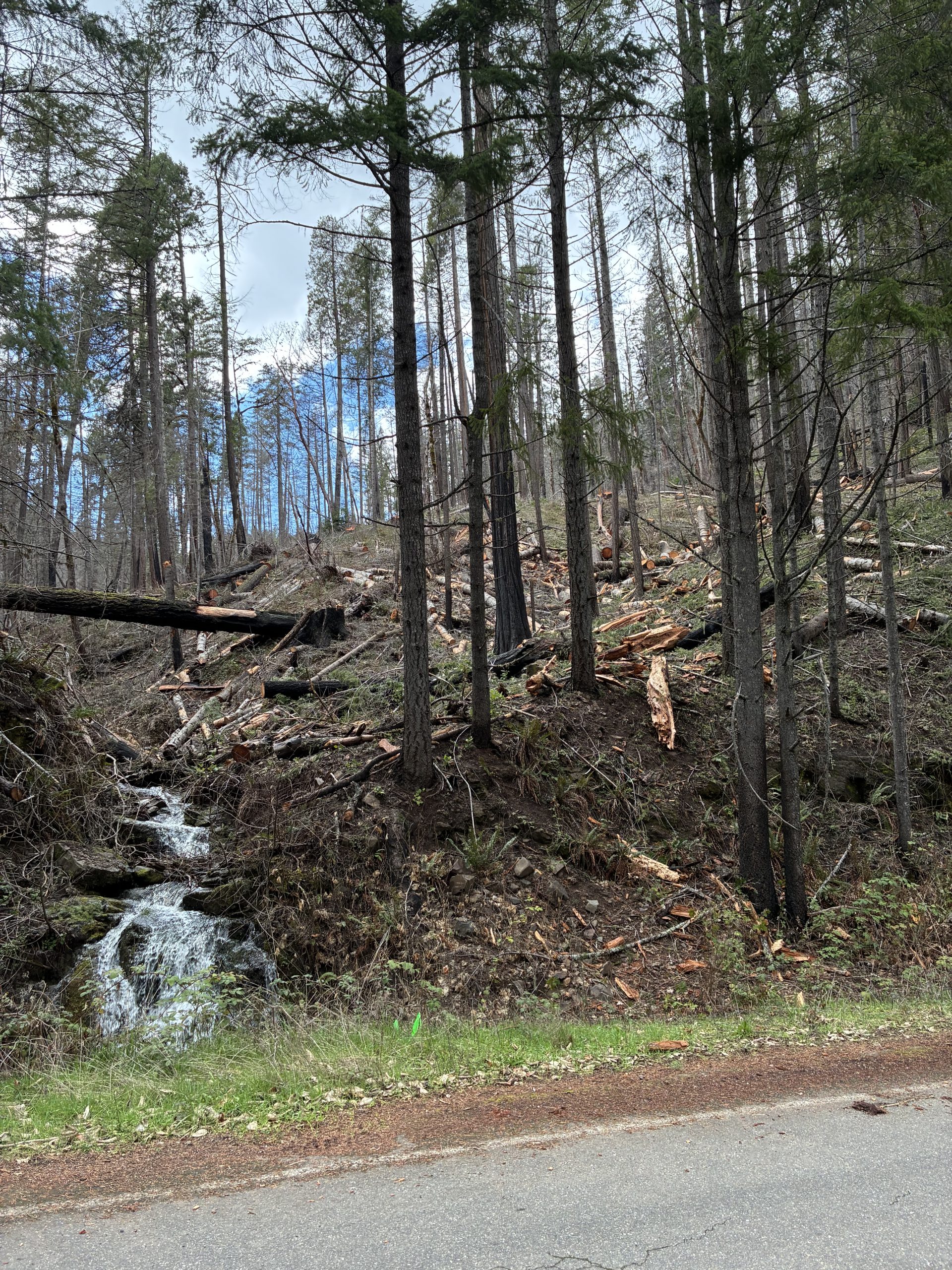
Beginning in October 2025, the National Wild Turkey Federation partnered with the USDA Forest Service to launch the Umpqua Disaster Recovery Project — a large-scale effort designed to restore forest health and improve public safety along key travel corridors in the Umpqua National Forest. The work builds upon the organizations’ long-standing partnership through the National Master Stewardship Agreement, which helps accelerate forest restoration projects across the country.
The project targets landscapes heavily impacted by the 2020 Archie Creek Fire and the 2021 Jack Fire. Together, these fires left thousands of acres of standing dead and weakened trees scattered across the forest. Many of these trees remain along roads and recreation corridors, posing safety hazards for visitors, local communities and wildfire response crews.
Through active forest management, NWTF and local contracting crews are working to remove hazardous trees and reduce dangerous fuel loads while helping the forest begin its long recovery.
As of March 6, 2026, Phase I of the project has treated more than 819 acres across the landscape. Work has included 464.9 acres of fall-and-leave treatments, where hazardous trees are cut and left on the forest floor to decompose naturally, 294.5 acres of fuels reduction work to lower wildfire risk and 59.8 acres of commercial treatments that allow usable timber to be utilized by local mills.
Crews continue to focus on completing fuels reduction and fall-and-leave units as operations move forward, and the next stage of the project is already underway.
Phase II, which was advertised on Feb. 20, will expand restoration efforts across an additional 742 acres. Planned treatments include 323 acres of fall-and-leave work, 351 acres of fuel reduction and 68 acres of commercial harvest. In addition to forest treatments, the stewardship project will include chipping and hauling material to local mills and maintaining roads used for hauling operations.
The contract is expected to be awarded in early April, with work beginning shortly thereafter.
Like the first phase, the goal remains clear: reduce hazardous fuels and remove dangerous roadside trees while helping restore forest resilience across areas impacted by wildfire.
“We are excited to continue this great work with our partners at the Forest Service, and we look forward to accomplishing much more with future active forest management projects,” said Luke Rymniak, NWTF forest management coordinator for regions 4 and 6.
Projects like the Umpqua Disaster Recovery Project highlight how active forest management and strong partnerships can help forests recover after wildfire while protecting communities, wildlife habitat and the people who depend on these landscapes.
Learn more about the National Master Stewardship Agreement and how proactive forest management helps reduce catastrophic wildfire risk while benefiting wildlife like the wild turkey.
About the National Wild Turkey Federation
Since 1973, the National Wild Turkey Federation has invested over half a billion dollars into wildlife conservation and has positively impacted over 25 million acres of critical wildlife habitat. Since 2022, the NWTF has also invested over $2.3 million in critical wild turkey research that, when leveraged with partner contributions, has resulted in more than $22 million to guide the management of the wild turkey and to ensure sustainable populations. The organization continues to deliver its mission by working across boundaries on a landscape scale to deliver healthy forests and wildlife habitats, clean and abundant water, resilient communities and robust recreational opportunities. With the help of its dedicated members, partners and staff, the NWTF is committed to creating a nation united by the life-changing power of the outdoors.